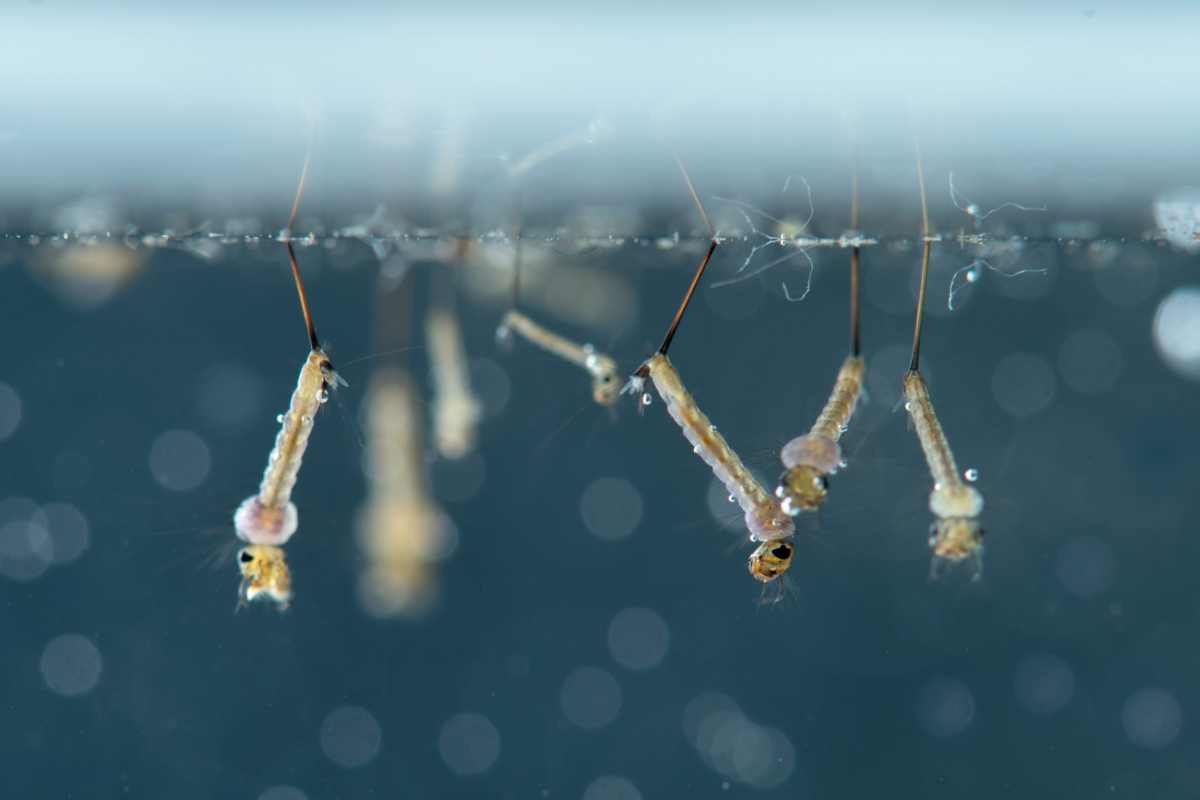
Seeing mosquitoes in pool areas is one of those backyard problems that feels small until it becomes annoying fast. One evening you notice a few hovering near the waterline. A week later, everyone is swatting instead of swimming. In North Texas, where hot weather, storms, shaded landscaping, and outdoor living all meet in the same backyard, mosquitoes do not need an engraved invitation. They just need water that sits still long enough.
Here is the encouraging part: a clean, circulating, properly chlorinated pool is usually not the main mosquito nursery. The bigger issue is often a neglected spa spillover, clogged skimmer, drained-but-not-dry pool, bucket, toy bin, planter saucer, clogged gutter, or low spot near the deck. Strong pool mosquito prevention is really a mix of water movement, sanitation, and checking the small places most homeowners forget.
Public health guidance lines up with that. The CDC recommends emptying, scrubbing, turning over, covering, or throwing out items that hold water around the home. CDC mosquito prevention guidance San Diego County also notes that mosquitoes can complete their life cycle in standing water and may develop from egg to adult quickly in warm conditions. San Diego County mosquito breeding prevention
Why Mosquitoes Love Still Water More Than Pools
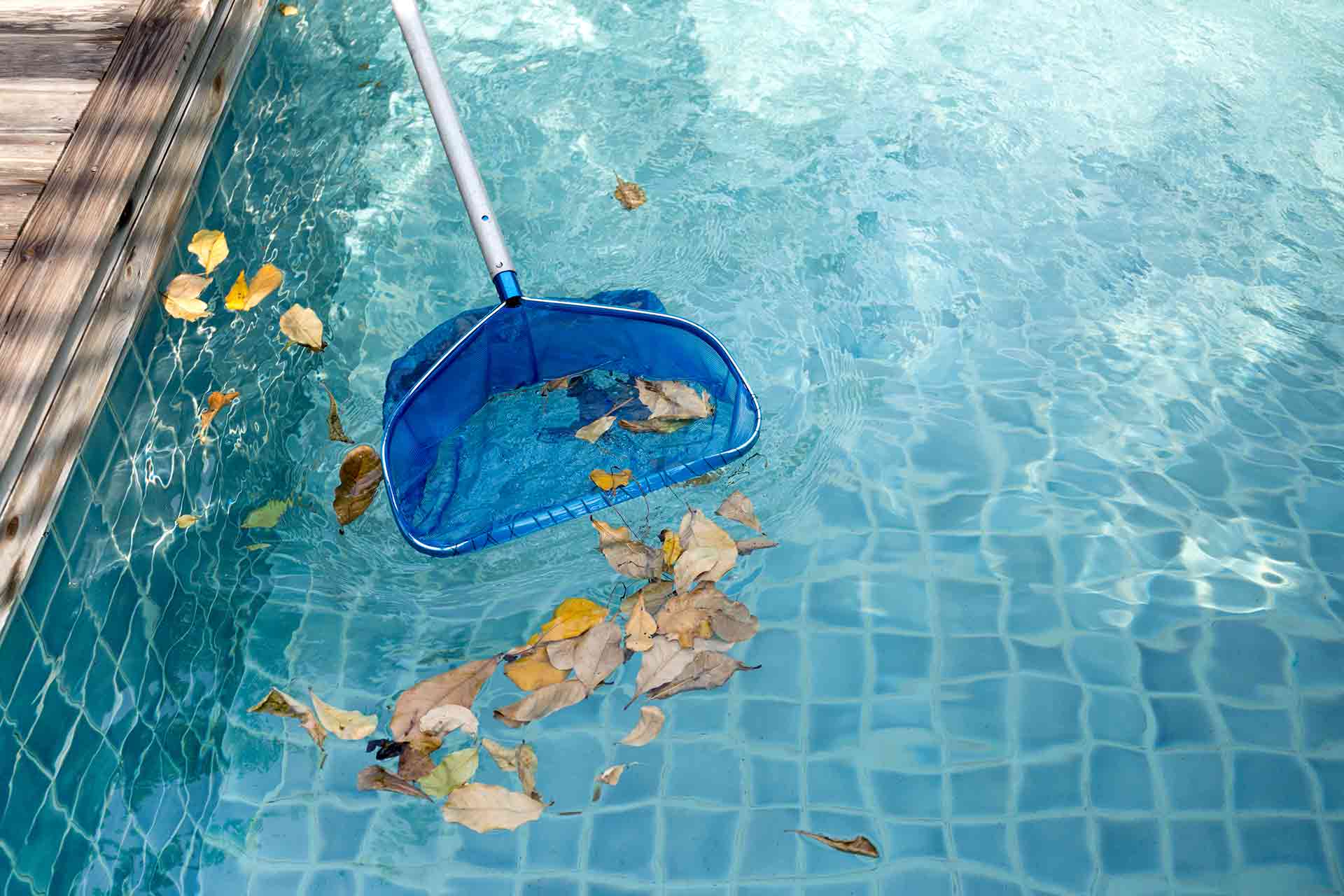
Mosquitoes do not need a full swimming pool to breed. They look for calm water where eggs and larvae can survive. That is why a standing water pool situation is so risky. If circulation stops, sanitizer drops, debris collects, and the surface stays quiet, the pool starts behaving less like a swimming pool and more like a backyard pond.
This is also why abandoned pools, green pools, and pools with broken pumps can become neighborhood-level headaches. Richardson describes mosquito control as a combination of public education, larvicide in stagnant water, monitoring, and removing mosquito breeding habitats through proper drainage. Richardson mosquito control guidance For homeowners, the message is simple: do not let water sit still and ignored.
The DFW Backyard Mosquito Checklist
If you are seeing mosquitoes in pool areas, walk the yard slowly. Do not only stare at the pool. Mosquitoes are sneaky little freeloaders, and they love places that do not look important.
- Make sure the pump is running long enough each day, especially after storms.
- Empty skimmer baskets and pump baskets so water can move properly.
- Brush steps, benches, corners, and tanning ledges where debris settles.
- Dump water from toys, buckets, furniture covers, plant saucers, and trash lids.
- Check gutters, drains, low deck spots, equipment pads, and pool cover puddles.
- Keep chlorine and pH balanced so the water does not drift into algae territory.
That checklist sounds simple because it is supposed to be. Good pool mosquito prevention is not glamorous. It is consistent. A five-minute check after rain can prevent days of buzzing, biting, and ugly water.
When Pool Water Turns Into a Mosquito Problem
A pool can invite mosquitoes when the equipment is off, the filter is clogged, the water is green, or the water level drops too low for proper skimmer action. Debris matters too. Leaves, pollen, grass clippings, and organic sludge all make water messier, and messy water is harder to sanitize.
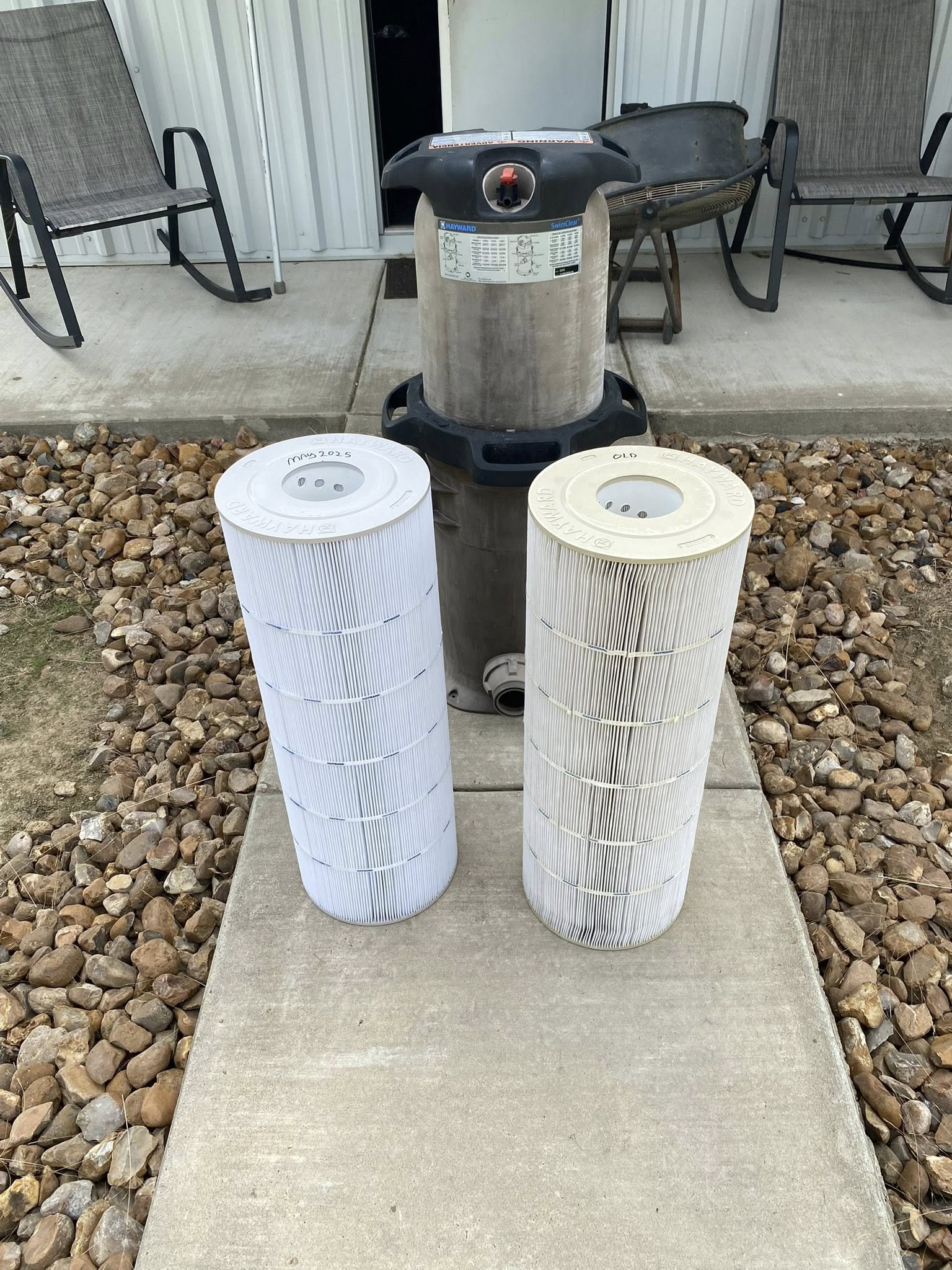
PoolBurg’s Pool Maintenance Tips already emphasize frequent testing, brushing, and keeping sanitizer effective in the DFW heat. Those same habits help reduce mosquitoes in pool areas because clear, moving water gives larvae fewer opportunities. For weekly help, the Services page shows PoolBurg’s routine service work, including testing, balancing, vacuuming, basket cleaning, filter care, brushing, and equipment assessment.
What Not to Do When You See Mosquitoes
Do not pour random pesticides, oils, soaps, or backyard “hacks” into your pool. That can damage equipment, stain surfaces, irritate swimmers, or throw off chemistry. Pool water has its own chemistry system. Treat the pool like a pool, not like a ditch.
For water features or stagnant areas outside the pool, follow label directions and local guidance. North Richland Hills says its mosquito program treats stagnant public water with larvicide and also works with residents to identify and prevent breeding sites on private property. North Richland Hills mosquito control If you are unsure whether a product belongs anywhere near your pool system, ask a pool professional first.
Pool Covers, Drains, and Hidden Standing Water
One of the sneakiest mosquito sources is water sitting on top of a cover. A covered pool can still collect rainwater, leaves, and organic debris. If that water sits long enough, you may have mosquito activity above the pool even while the pool underneath is technically fine.
The same goes for French drains, channel drains, and deck low spots. Frisco notes that standing water is not necessarily a mosquito breeding site if it is flowing, contains fish, or dries within 72 hours after rainfall. Frisco West Nile FAQ But if it sits, smells, collects leaves, or stays shaded for days, treat it like a red flag.
When to Call PoolBurg
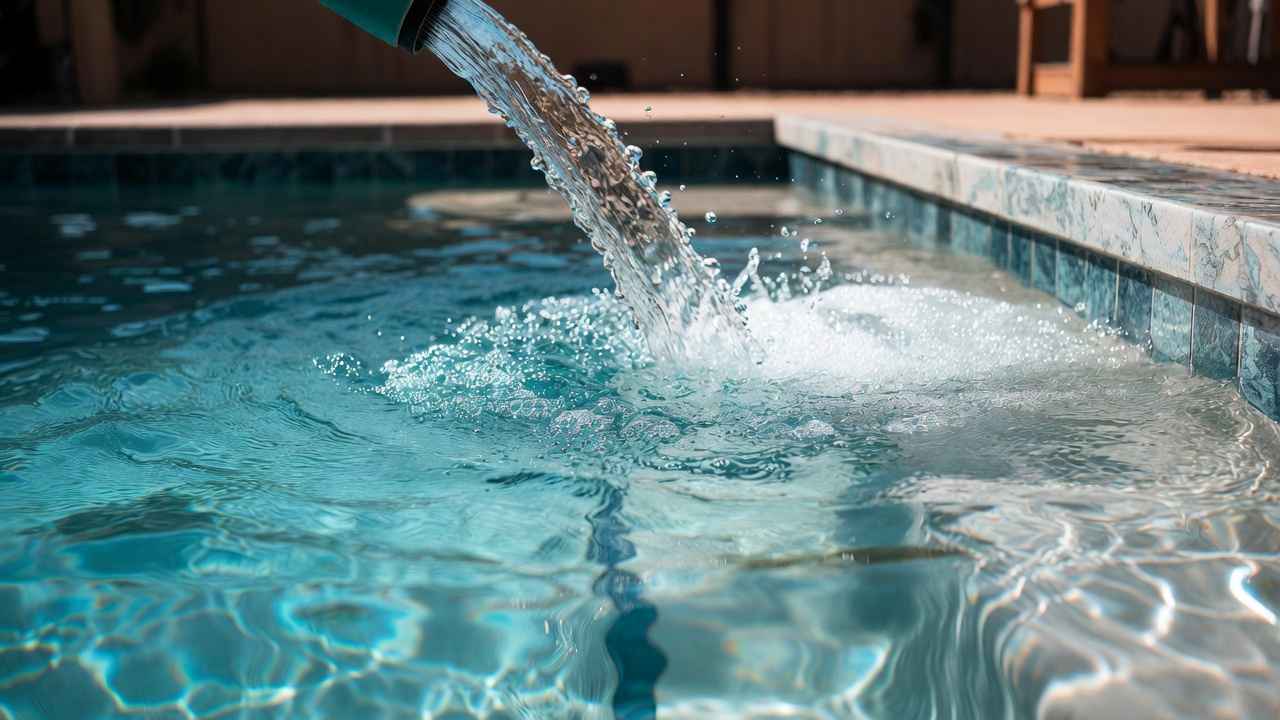
Call PoolBurg if mosquitoes in pool areas keep coming back, your pump is not circulating, water is cloudy or green, the pool has been neglected after travel, or you suspect a standing water pool issue tied to equipment failure. You may not need a dramatic rescue. Sometimes you just need water moving, chemistry corrected, and the hidden mosquito source found.
PoolBurg serves North Texas homeowners with weekly service, equipment repair, green pool recovery, and practical backyard pool support. For local pool care, start with Pool Service in Frisco TX, browse Pool Repair Near Me for equipment warning signs, or reach out through Contact PoolBurg. The best way to beat mosquitoes is not to wait until the backyard feels unusable. Keep water moving, keep it clean, and do not let one forgotten puddle run the party.
People Also Ask
Why are there mosquitoes in my pool?
Mosquitoes in pool areas usually mean water is not circulating well, sanitizer is low, debris is collecting, or there is nearby standing water around the deck, cover, yard, or equipment pad.
Can mosquitoes breed in a chlorinated pool?
A clean and properly circulating chlorinated pool is less attractive for mosquito breeding, but stagnant, dirty, or poorly maintained pool water can become a problem.
What is the best pool mosquito prevention step?
The best pool mosquito prevention step is to remove standing water and keep the pool circulating, filtered, brushed, and chemically balanced.