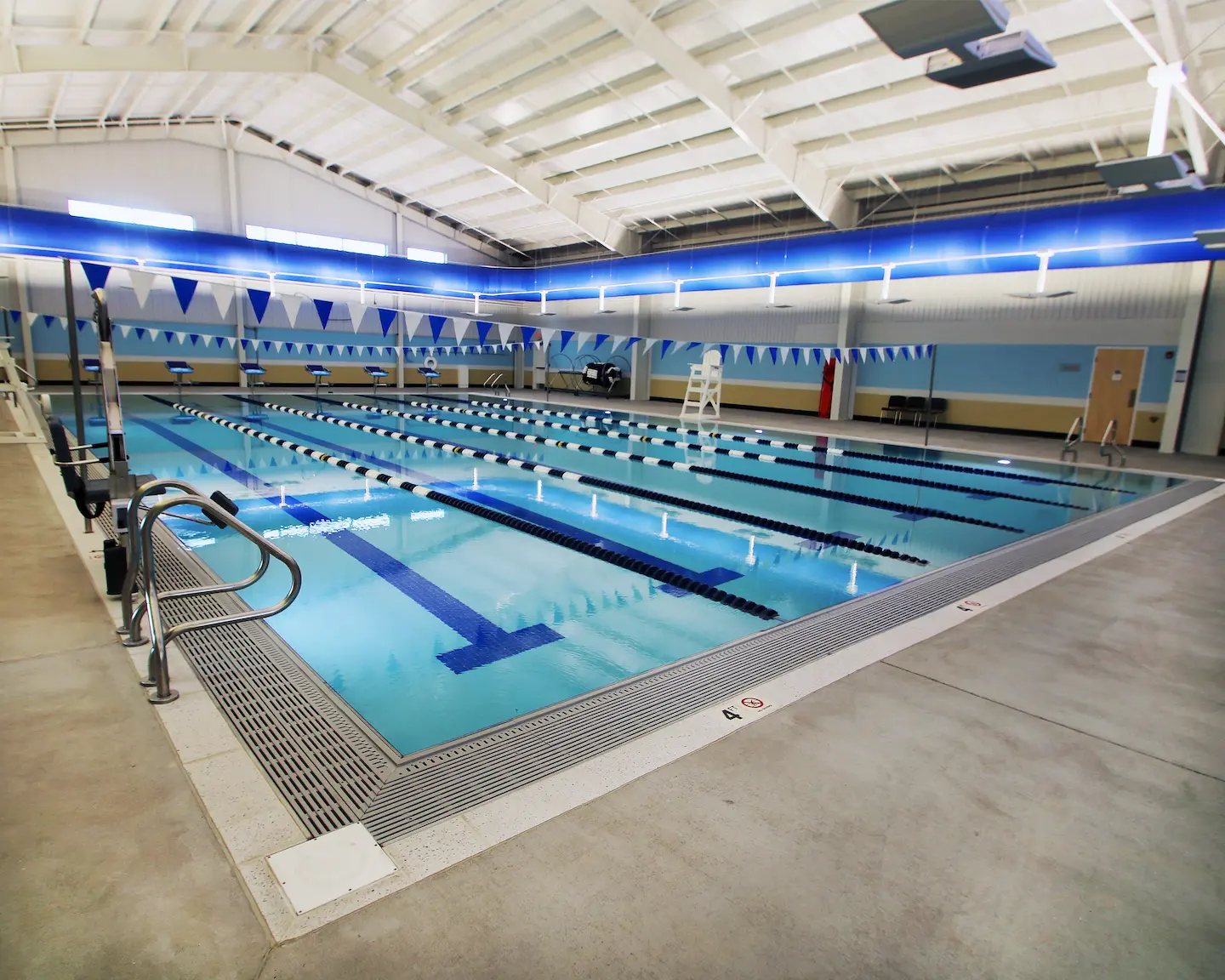
Commercial pool maintenance is not just a bigger version of backyard pool care. In DFW, a commercial pool has more swimmers, more liability, more inspections, and a much smaller margin for “we’ll fix it next week.” Whether you manage an HOA pool in Frisco, an apartment pool in McKinney, a hotel pool in Dallas, or a fitness center pool in Plano, the goal is simple: keep the water clear, the equipment working, the records organized, and the gate open.
Who Needs Commercial Pool Service in North Texas?
The properties that usually search for commercial pool service near me are the ones responsible for shared water. That includes HOA and community pools in Frisco, Prosper, McKinney, and Allen; hotel and resort pools; apartment complex pools; fitness center pools; splash pads; swim schools; and aquatic facilities. These pools are used by many people in a short amount of time, so they need a tighter routine than a normal residential pool.
PoolBurg works with pool owners who want dependable service, documented visits, and fast help when something goes sideways. For general service details, property managers can start with the PoolBurg services page or schedule through PoolBurg contact us.
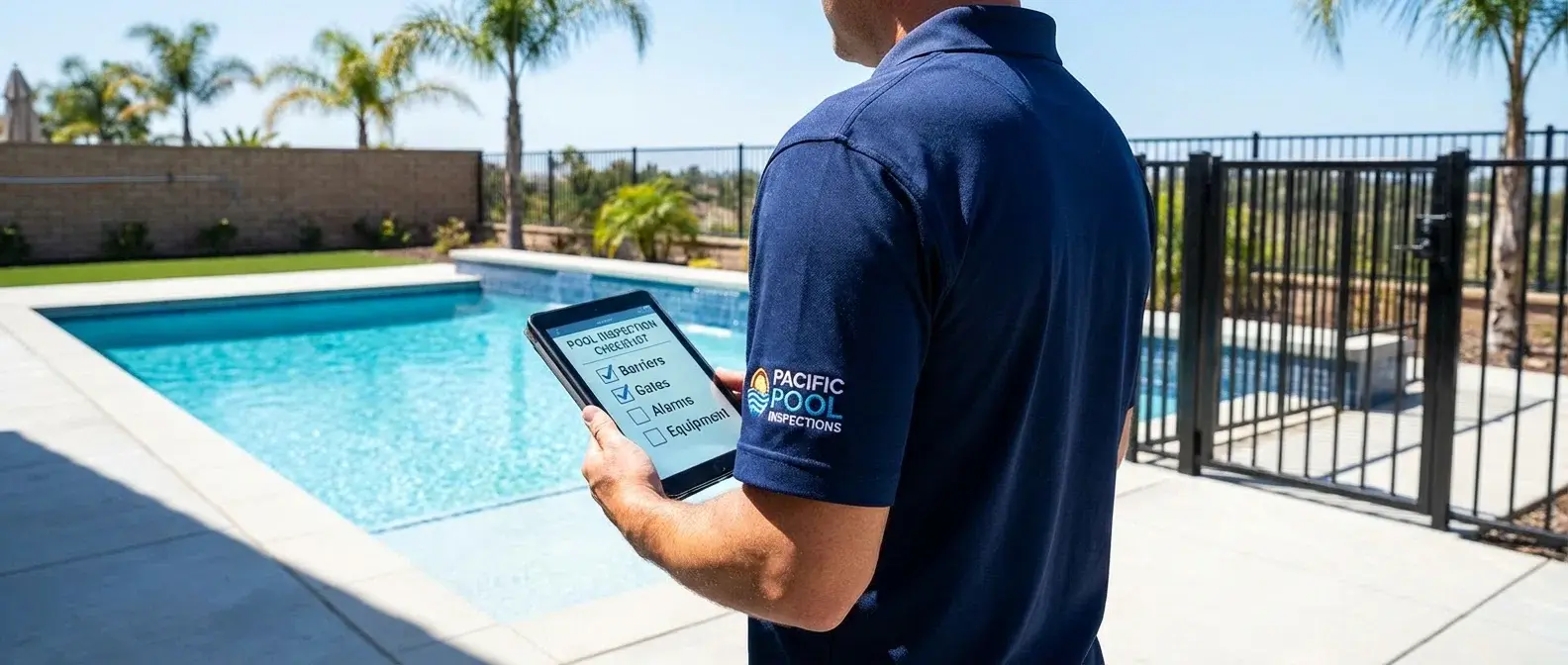
Commercial vs Residential Pool Maintenance Key Differences
Higher bather loads mean tougher chemistry
A commercial pool takes a beating. Sunscreen, sweat, body oils, leaves, rain, and heavy swimmer traffic all change water chemistry quickly. That is why commercial pool maintenance usually involves more frequent testing, faster chemical adjustment, and stronger attention to sanitizer levels. The CDC Model Aquatic Health Code is a helpful national reference for safer aquatic facility operation.
Compliance matters more
Residential service is about comfort and convenience. Commercial pool maintenance is about comfort, convenience, and compliance. Texas public and semi-public pools may need records, trained oversight, proper chemical testing, safe equipment, and readiness for local inspection. Texas rules also require trained and certified operator information to be available to staff, management, or regulators when requested, according to 25 Texas Administrative Code §265.194.
More frequent visits and bigger equipment
Most commercial pools cannot survive on a casual weekly glance. Some need daily chemical checks during peak season. Larger pumps, filters, heaters, chemical feeders, automation systems, and safety equipment all have to work together. When one piece fails, the pool can become cloudy, unsafe, or closed.
Texas Health Department Pool Regulations You Need to Know
Texas commercial pool maintenance should be built around the rules, not guessed around them. The Texas Department of State Health Services publishes standards for public pools and spas, including operation, management, and water quality expectations. A reliable water testing routine is especially important because commercial pools need proof, not vibes.
For example, state guidance requires reliable testing for pH, free and total chlorine, bromine, cyanuric acid when used, alkalinity, and calcium hardness. Those details are outlined in Texas public sanitation guidance on reliable means of water testing. Local cities may also have their own inspection processes, so a DFW property should treat compliance like a routine system instead of a once-a-year scramble.
Non-compliance can mean failed inspections, temporary closure, unhappy residents or guests, emergency service costs, and higher liability exposure. Nobody wants to explain to an HOA board why the pool closed during July.
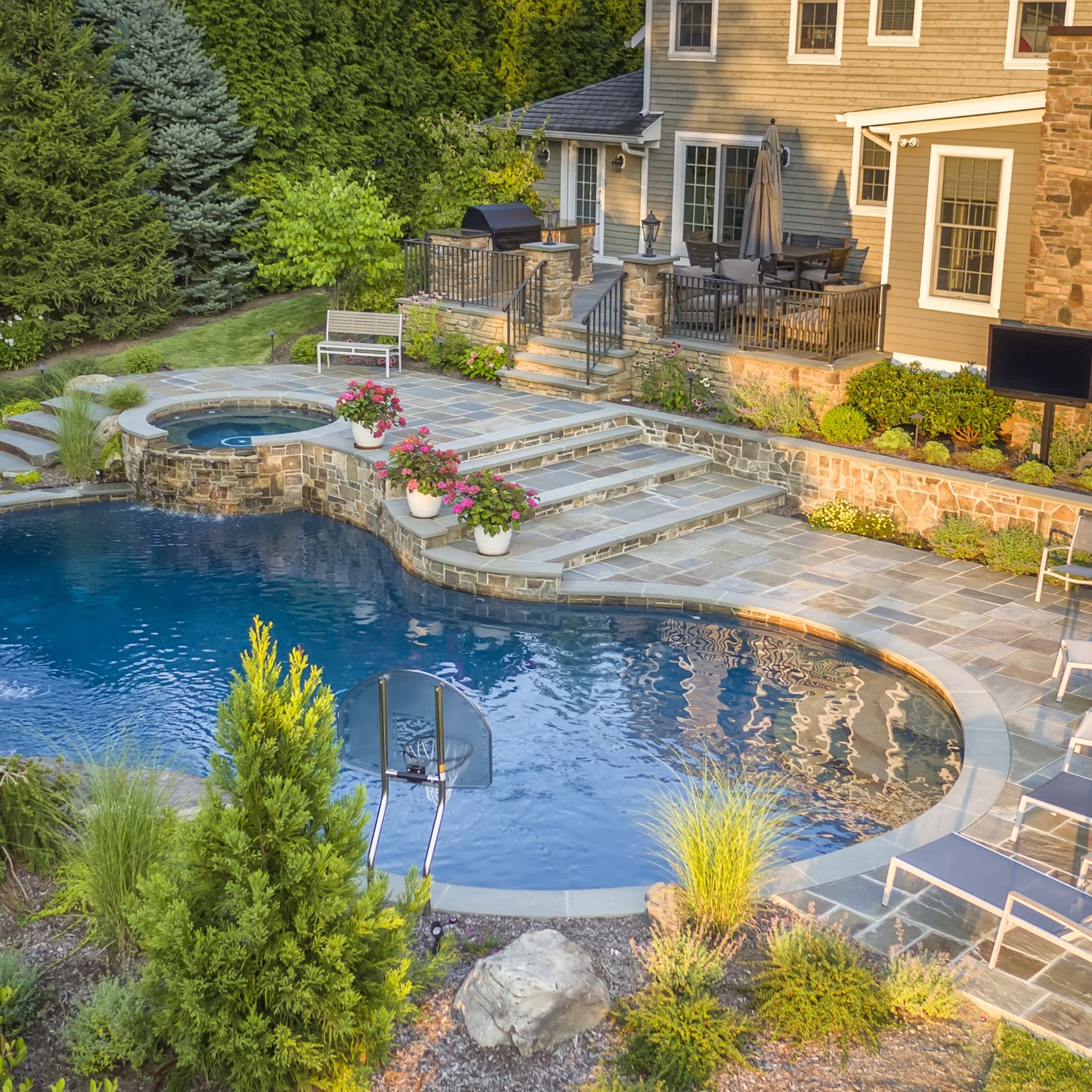
Commercial Pool Maintenance Plans for DFW Properties
A strong commercial plan usually includes daily or frequent chemical testing, routine cleaning, filter care, equipment inspection, and clear service reports. Daily visits may focus on chemistry and safety. Weekly visits may include brushing, skimming, vacuuming, basket cleaning, and equipment checks. Monthly service can go deeper into filter condition, salt systems, heaters, valves, leaks, and automation. Quarterly or annual reviews help prepare for inspection season and high-use months.
This is where a reliable company matters. PoolBurg already supports North Texas pool owners with cleaning, maintenance, and equipment troubleshooting, and their weekly service page explains the value of documented, consistent care. If repairs pop up, the pool repair near me guide shows why maintenance and repair should not live in separate worlds.
Commercial Pool Service Cost in North Texas
Commercial pricing depends on pool size, water volume, swimmer load, service frequency, equipment complexity, chemical demand, and whether the property needs emergency response. As a broad planning range, HOA community pools often land around $400 to $1,200 per month, while hotel pools may fall around $500 to $1,500 per month. Larger aquatic facilities, splash pads, or high-use pools can cost more because the risk and labor are higher.
The real value of commercial pool maintenance is avoiding reactive chaos. A clogged filter, failed pump, algae bloom, or bad inspection can cost far more than a stable maintenance plan. For property managers comparing budgets, the cheapest quote is not always the safest quote. Ask what is included, how often testing happens, whether reports are provided, and who responds when equipment fails.
People Also Ask
How much does commercial pool maintenance cost per month?
In North Texas, many commercial properties can expect roughly $400 to $1,500 per month, depending on pool type, size, service frequency, and compliance needs. Large or high-use facilities may cost more.
Does my HOA pool need a certified pool operator?
Many public and semi-public pools in Texas require trained operator oversight. Always check state rules and your local health authority before opening the pool for residents.
How often do commercial pools need to be serviced?
During busy swim season, commercial pools may need daily or multiple weekly visits. The more swimmers you have, the faster water chemistry can move.
What happens if a commercial pool fails a health inspection?
A failed inspection can lead to required corrections, reinspection, temporary closure, and frustrated residents or guests. Preventive commercial pool maintenance is usually easier than emergency recovery.
Can the same company service residential and commercial pools?
Yes, but commercial pool maintenance requires stronger documentation, compliance awareness, and the ability to respond quickly when equipment or water quality problems appear.
PoolBurg Commercial Pool Services Built for DFW Communities
PoolBurg is a strong fit for DFW communities that want safer water, cleaner facilities, and fewer “pool is closed” headaches. For HOA boards, apartment managers, hotel teams, and facility directors, commercial pool maintenance should feel organized, not stressful.
Need a proposal for your property? Reach out through PoolBurg contact us and ask for a commercial pool maintenance plan built around your pool, your city, your inspection needs, and your swimmer traffic.