Inground pool maintenance cost is one of those things DFW homeowners usually Google after the pool has already started acting dramatic. The water looks a little cloudy. The cleaner is not moving like it used to. The filter pressure is creeping up. Suddenly, “just owning a pool” feels like owning a tiny backyard ecosystem with opinions. The truth is simple: monthly pool care is not just cleaning. It is prevention, water chemistry, equipment protection, and keeping the pool ready before Texas heat turns small problems into expensive ones.
For most homeowners, the real inground pool maintenance cost depends on pool size, nearby trees, equipment age, water features, sanitizer type, and how often the pool is serviced. A small, screened-in pool with newer equipment is a different animal from a big open pool under two live oaks in Plano. That is why a good weekly pool service plan should feel personal, not copied and pasted.
What Is Included in Inground Pool Maintenance Cost?
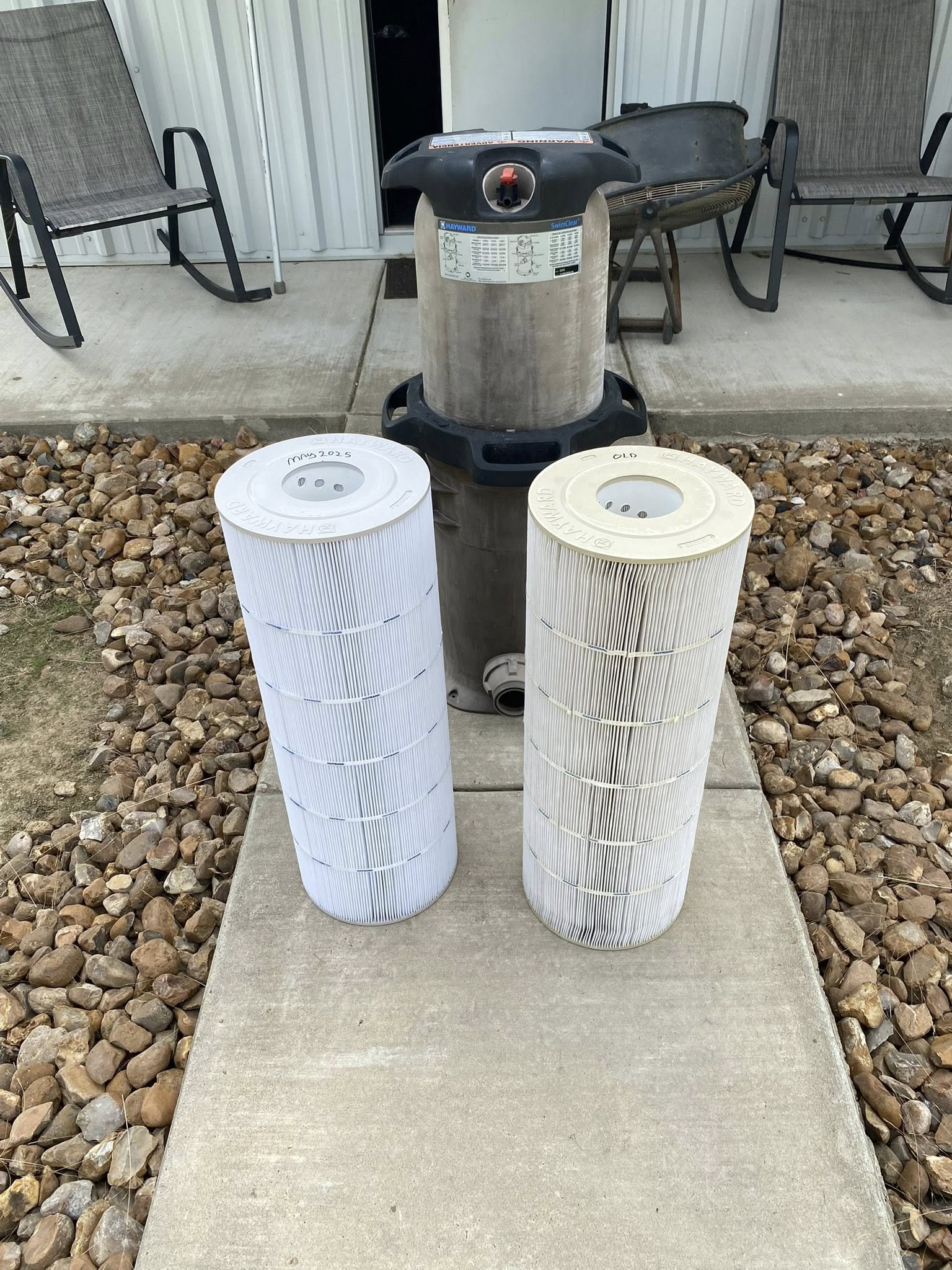
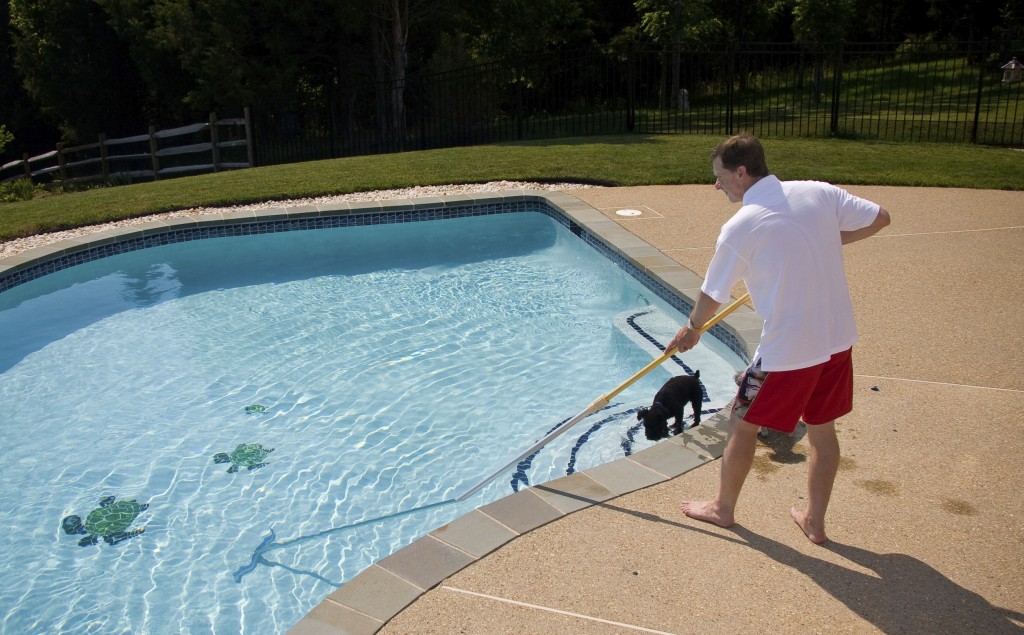
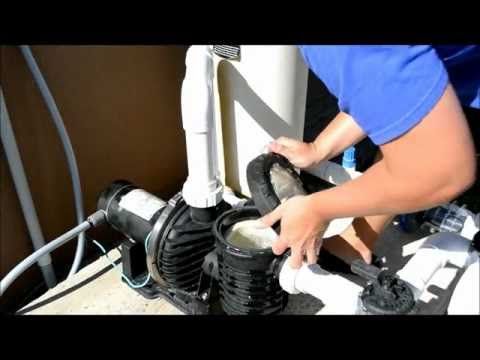
A proper service visit usually covers testing and balancing the water, skimming the surface, brushing walls and steps, vacuuming when needed, emptying baskets, checking filter pressure, and looking over the pump, heater, valves, salt system, cleaner, and visible plumbing. That is the difference between paying for a quick skim and paying for real pool maintenance tips that protect the backyard long-term.
Chemistry is a huge part of the inground pool maintenance cost. Chlorine, pH, alkalinity, calcium hardness, cyanuric acid, and salt levels all affect water comfort and equipment life. The CDC healthy swimming guidance is a good reminder that clear water is not automatically safe water. Testing matters, and guessing is where many pool owners quietly lose money.
Why DFW Pools Can Cost More to Maintain
North Texas pools work hard. Summer heat burns through chlorine, storms dump debris into the water, and hard water can leave scale on tile, salt cells, heaters, and plaster. That means inground pool maintenance cost can rise when the pool needs extra chemicals, more brushing, filter cleanings, or equipment attention. If you have trees in Carrollton, dust near new construction in Prosper, or heavy use during Frisco summers, the pool will tell on you fast.
Water loss also matters. Evaporation, splash-out, small leaks, and constant refilling can throw chemistry off. The EPA WaterSense outdoor water guidance is worth linking because water waste is not just a utility-bill issue; it can become a chemistry issue too. A cover can also help reduce heat and evaporation loss, which is why the U.S. Department of Energy pool cover guide is useful for homeowners comparing comfort and cost.
The Real Monthly Range for Inground Pool Maintenance Cost
Most DFW homeowners should expect inground pool maintenance cost to land somewhere in the low-to-mid monthly range for routine weekly service, then increase when filters, repairs, algae treatments, salt cell cleaning, or seasonal recovery work are needed. National cost guides like Angi pool maintenance cost estimates and HomeAdvisor pool maintenance cost estimates can give broad ranges, but local conditions matter more than a national average.
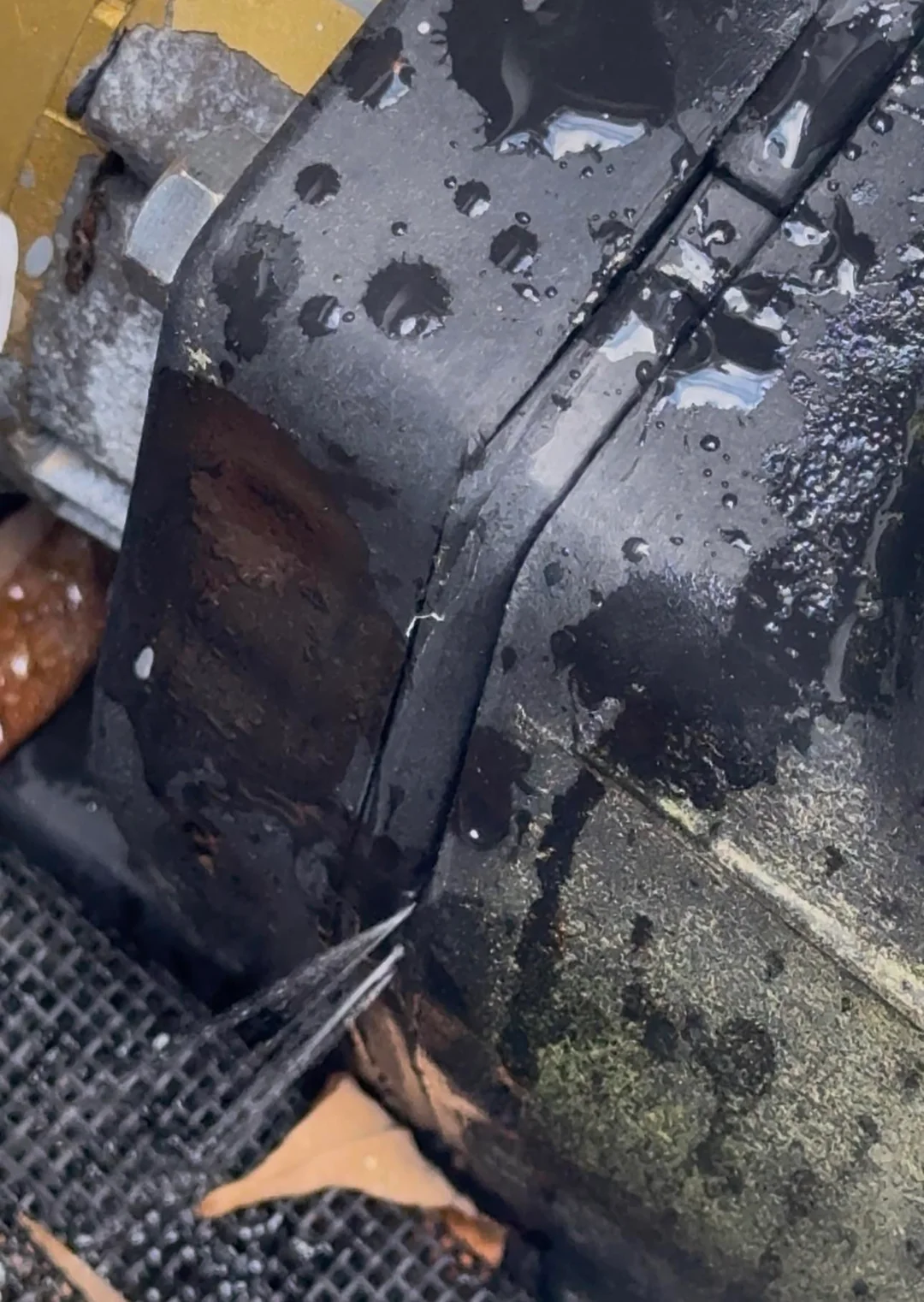
Here is the practical way to think about it: consistent service feels boring when everything is working, but boring is the goal. Reactive repairs are where pool ownership gets spicy in the bad way. A neglected filter, low water level, unbalanced pH, or struggling pump can turn a normal monthly maintenance budget into a surprise service call. For older systems, having access to pool equipment repair and maintenance through one team can save time and confusion.
7 Smart Ways to Control Inground Pool Maintenance Cost
- Keep weekly service consistent during peak summer instead of waiting for cloudy water.
- Brush steps, benches, and shaded corners between visits when algae pressure is high.
- Empty skimmer and pump baskets often, especially after wind or storms.
- Watch the water level so the pump does not run dry.
- Clean or service filters before pressure problems strain the system.
- Fix small leaks, noisy pumps, and weak returns early.
- Ask for visit notes so you understand what is changing in your pool.
Is DIY Cheaper Than Professional Pool Service?
DIY can be cheaper upfront, especially if you enjoy testing water and learning the equipment. But the hidden cost is consistency. You still buy chemicals, brushes, test supplies, replacement parts, and your own time. Professional service becomes valuable when you want someone who notices patterns: rising pressure, scaling, recurring algae, poor circulation, or a cleaner that suddenly stops climbing. That is where inground pool maintenance cost starts looking less like an expense and more like insurance against chaos.
PoolBurg Makes Pool Ownership Easier Across North Texas
PoolBurg helps homeowners across North Texas keep their pools clean, balanced, and ready without turning every weekend into a chemistry experiment. Whether you are comparing inground pool maintenance cost for the first time, dealing with a stubborn pool, or trying to build a smarter seasonal plan, our team can help. Explore our pool services, read more about how much a pool costs in Texas, or contact PoolBurg for a personalized maintenance quote. Your pool should feel like the best part of the house, not a second job.
People Also Ask
How much does inground pool maintenance cost in DFW?
Inground pool maintenance cost varies by pool size, trees, equipment, water condition, and service frequency. Weekly service usually costs less than repeated recovery cleanups and emergency repairs.
Why does my pool cost more to maintain in summer?
Texas heat burns through sanitizer faster, increases evaporation, and creates ideal algae conditions. Summer is when consistent testing, brushing, and circulation matter most.
Can I reduce inground pool maintenance cost myself?
Yes. Empty baskets, keep water level steady, brush trouble spots, and report equipment changes early. Those small habits help your service team prevent bigger issues.