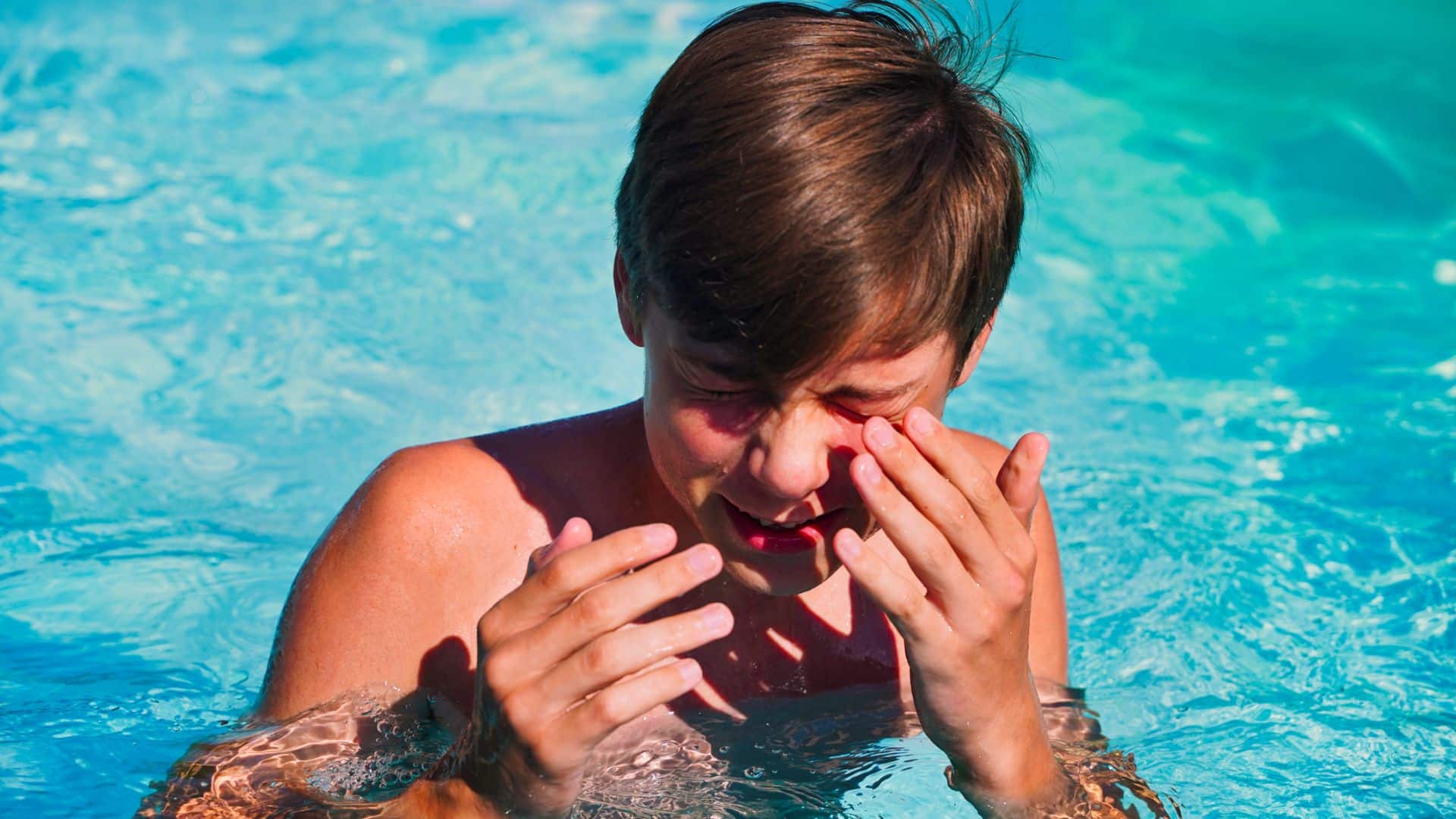
Red eyes after swimming in pool water are easy to blame on “too much chlorine,” but that is usually not the whole story. In many backyard pools, burning eyes after pool time come from irritated water, chloramines, poor pH, heavy swimmer load, or weak filtration. The pool may even look clear and still feel harsh. That is common in family-heavy Texas suburbs like Allen, Frisco, Plano, McKinney, Wylie, and Prosper, where weekend swimming, sunscreen, sweat, grass, and pollen can pile up quickly.
Why Swimmers Get Red or Burning Eyes
The big culprit is often chloramines in pool water. Chloramines form when chlorine reacts with sweat, oils, urine, dirt, and other swimmer waste. The CDC explains that chlorine mixed with dirt, sweat, pee, and poop creates chemicals that make swimmers’ eyes red and sting.
That strong “chlorine smell” is usually not a badge of cleanliness either. The CDC says that if you smell “chlorine” where you swim, you are probably smelling chloramines. In plain backyard language, the water is telling you it has been working too hard and needs better balance, oxidation, circulation, or filtration.

What to Check in the Water First
Start with free chlorine and combined chlorine. Free chlorine is the active sanitizer available to work. Combined chlorine is tied up with contaminants and is often linked with odor and irritation. If combined chlorine is high, the pool may need proper oxidation or shock, plus better habits around swimmer hygiene.
Then check pH. Pool pH eye irritation is real because water that is too acidic or too basic can feel uncomfortable fast. CDC home-pool guidance says pH should generally be kept between 7.0 and 7.8, and that pH affects how well chlorine works.
How to Reduce Eye Irritation at Home
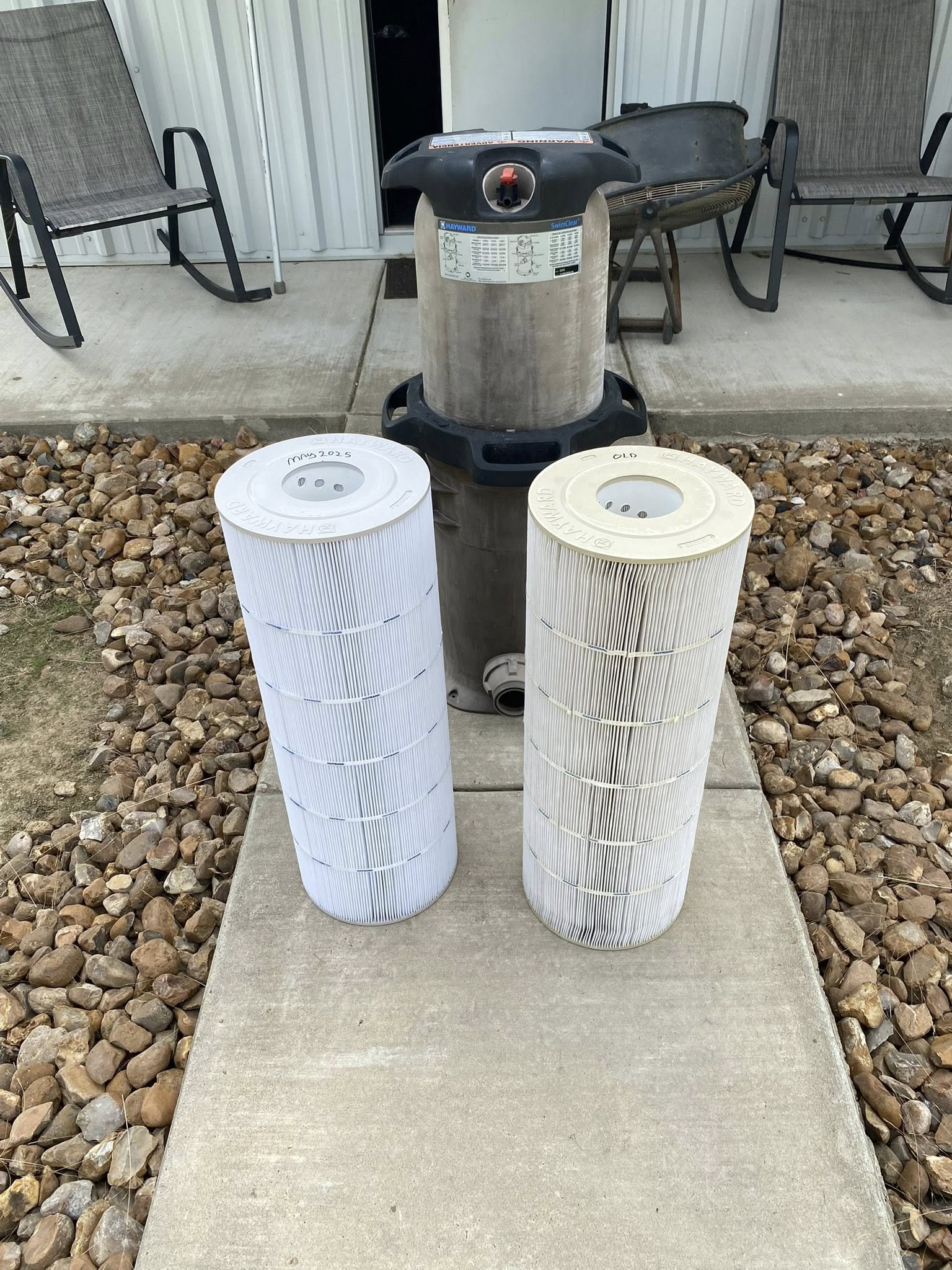
If swimmers keep complaining about pool water eye irritation, do not just throw random chemicals in and hope for mercy. Test first. If combined chlorine is high, shock or oxidize correctly. If pH is outside the comfort range, adjust pH before chasing other numbers. If the pool is cloudy, dull, or loaded with debris, clean baskets, brush the pool, check filter pressure, and run the system long enough to actually move water.
Swimmer habits help too. The CDC recommends showering before swimming because it removes dirt and anything else on the body, which reduces what chlorine has to react with. For busy backyard pools, that one-minute shower is not fancy. It is practical chemistry.

When the Issue Is No Longer Just Pool Chemistry
Most mild redness or stinging improves after rinsing with clean water and staying out of irritating pool water. But persistent pain, swelling, discharge, light sensitivity, blurry vision, or vision changes should not be treated like a pool-service problem. That is when medical follow-up matters.
Poison Control notes that pool chemical exposure can irritate the eyes and that goggles can reduce eye irritation risk. If symptoms feel severe, unusual, or do not improve, it is safer to get medical advice instead of assuming the pool was just a little strong.
Why Clear Water Can Still Feel Harsh
This is the part that surprises homeowners. A pool can look clean but still have poor chemistry. Red eyes after swimming in pool water can happen when combined chlorine is high, pH is off, filtration is weak, or the pool has too much organic load from a busy weekend. Clear water is nice. Comfortable, balanced water is better.
PoolBurg’s chlorine smell in pool water, pool chlorine rash, family safe pool chemicals, and pool service checklist articles all connect to the same idea: swimmer comfort depends on sanitation, balance, circulation, and filtration working together.

People Also Ask
Why are my eyes red after the pool?
Red eyes after pool time often come from chloramines, poor pH, swimmer waste, weak filtration, or water that needs better oxidation and balance.
Can high pH burn your eyes?
Yes. High or low pH can irritate eyes and skin, and it can also affect how well chlorine works in the water.
Does chlorine itself cause red eyes?
Proper chlorine levels are needed to sanitize the pool. Redness is often linked more to chloramines, poor pH, or contaminants reacting with chlorine than simply “too much chlorine.”
How do I stop pool eye irritation?
Test free chlorine, combined chlorine, and pH. Correct the balance, improve filtration, shock only when testing supports it, and encourage swimmers to shower before getting in.
Is a strong pool smell a bad sign?
Usually, yes. A strong pool smell often points to chloramines, which means chlorine is reacting with contaminants and the pool needs attention.
PoolBurg Can Check Why Your Clear Pool Still Feels Harsh
If your family keeps getting red eyes after swimming in pool water, PoolBurg can test more than the obvious numbers. We can check pH, free chlorine, combined chlorine, filtration, circulation, and swimmer-load patterns to find why the water feels harsh. If your pool in Allen, Frisco, Plano, McKinney, Wylie, Prosper, or nearby DFW cities looks clear but still burns eyes, contact PoolBurg for a chemistry and chloramine check.