A pool service checklist should make a homeowner feel clear about what is actually being done in the backyard. Not vague. Not “we stopped by and everything looked fine.” A real pool service visit should cover cleaning, water testing, basic equipment checks, and notes about anything that could become a bigger issue later. For homeowners in Frisco, Plano, McKinney, The Colony, Lewisville, Carrollton, Addison, and Farmers Branch, that matters because Texas heat, storms, pollen, and heavy swim weeks can turn small pool problems into expensive ones quickly.
What A Standard Weekly Service Visit Should Include
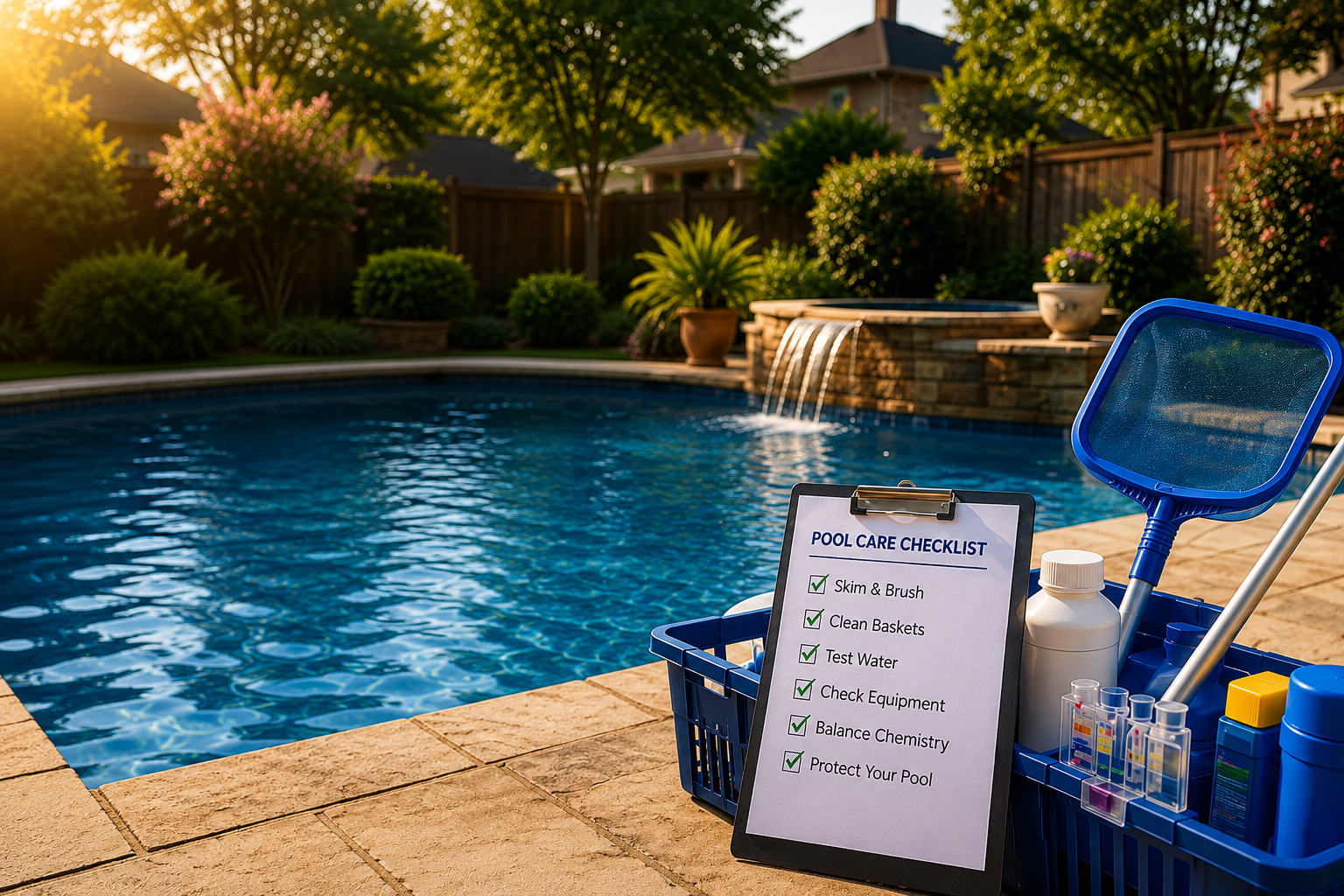
The core weekly pool service tasks should include skimming leaves and surface debris, brushing walls, steps, benches, and tile line, vacuuming as needed, emptying skimmer and pump baskets, checking water level, and looking over the equipment pad. The Pool & Hot Tub Alliance weekly maintenance guidance includes testing water chemistry, skimming debris, brushing surfaces, vacuuming, and emptying baskets as key routine tasks.
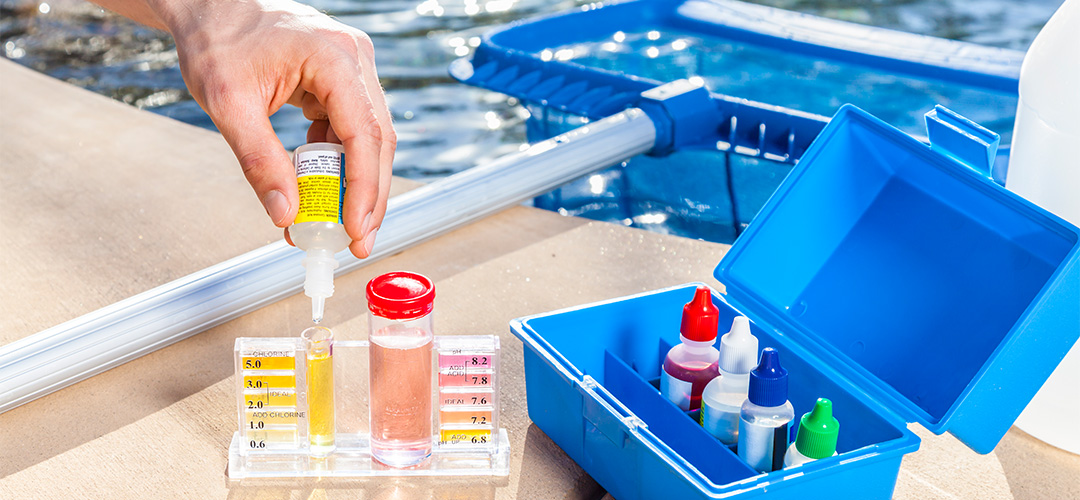
Water testing should not be treated like an afterthought. A proper professional pool cleaning checklist should include sanitizer, pH, alkalinity, and other balance readings when needed. The CDC says chlorine or bromine and pH are the first defense against germs in pools, which is why a pool that looks clean can still be out of balance.
What Many Basic Service Plans Do Not Include
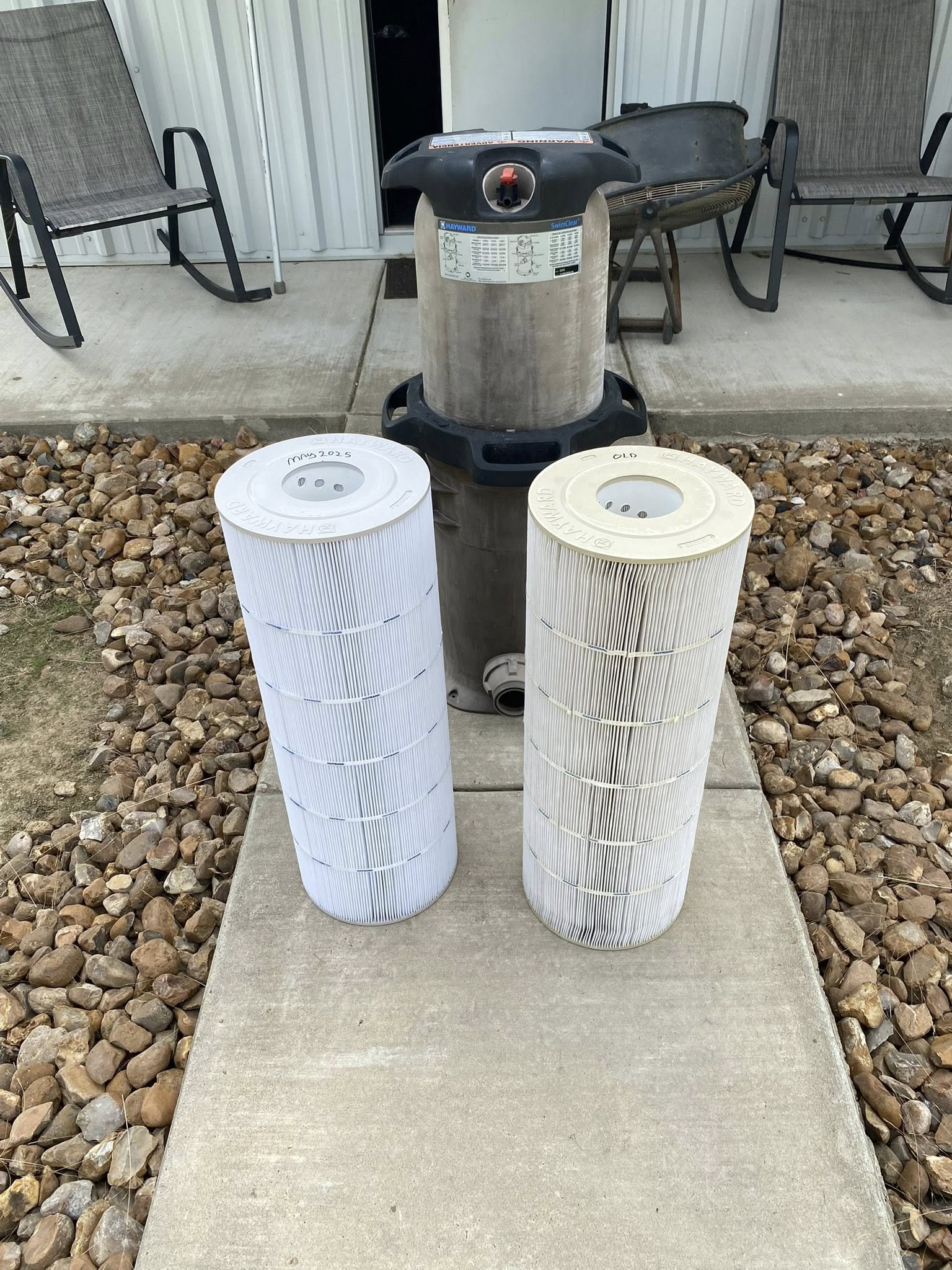
This is where homeowners need to read the fine print. Basic service often includes cleaning and standard chemical balancing, but it may not include filter deep cleaning, green-pool recovery, phosphate treatment, salt cell cleaning, leak detection, heater repair, automation diagnostics, or equipment replacement.
That does not mean a company is being shady. It just means you should know what is included before you compare prices. A cheap quote may look good until you realize every extra issue becomes a separate charge.
Questions To Ask Before Hiring A Pool Company
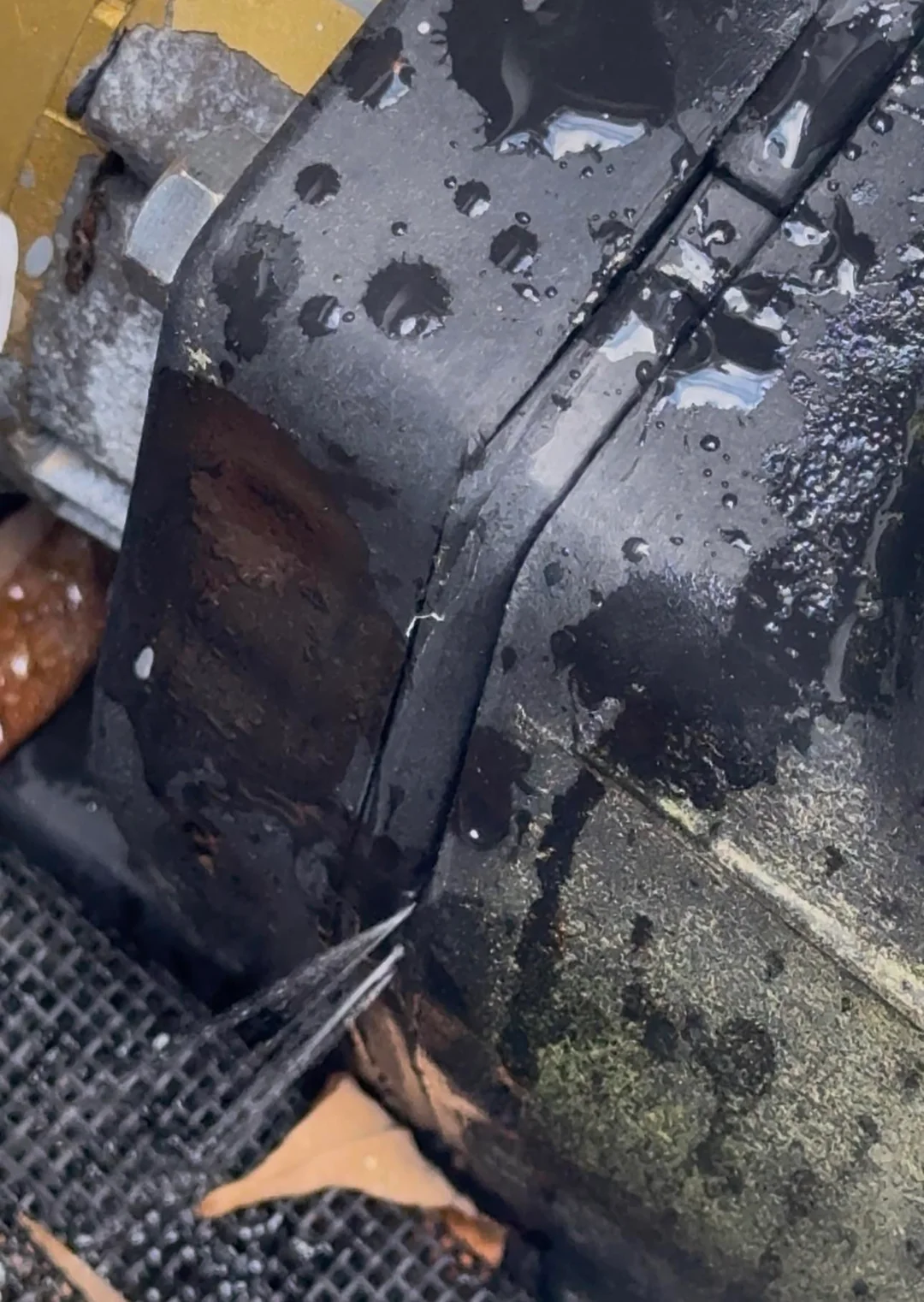
Ask directly: Are chemicals included? Are specialty chemicals extra? Is filter cleaning included or separate? Do you provide visit notes, photos, or service reports? Do you check equipment, or only clean the pool? Who notices a small leak, noisy pump, cracked lid, rising filter pressure, or heater warning before it becomes a repair call?
Documentation matters too. CDC guidance for managed pools emphasizes documenting water testing results, responses, equipment maintenance, and repairs. Backyard pools are not public facilities, but the principle still applies: notes create accountability and make patterns easier to catch.
How To Tell If Service Is Too Light For Your Pool
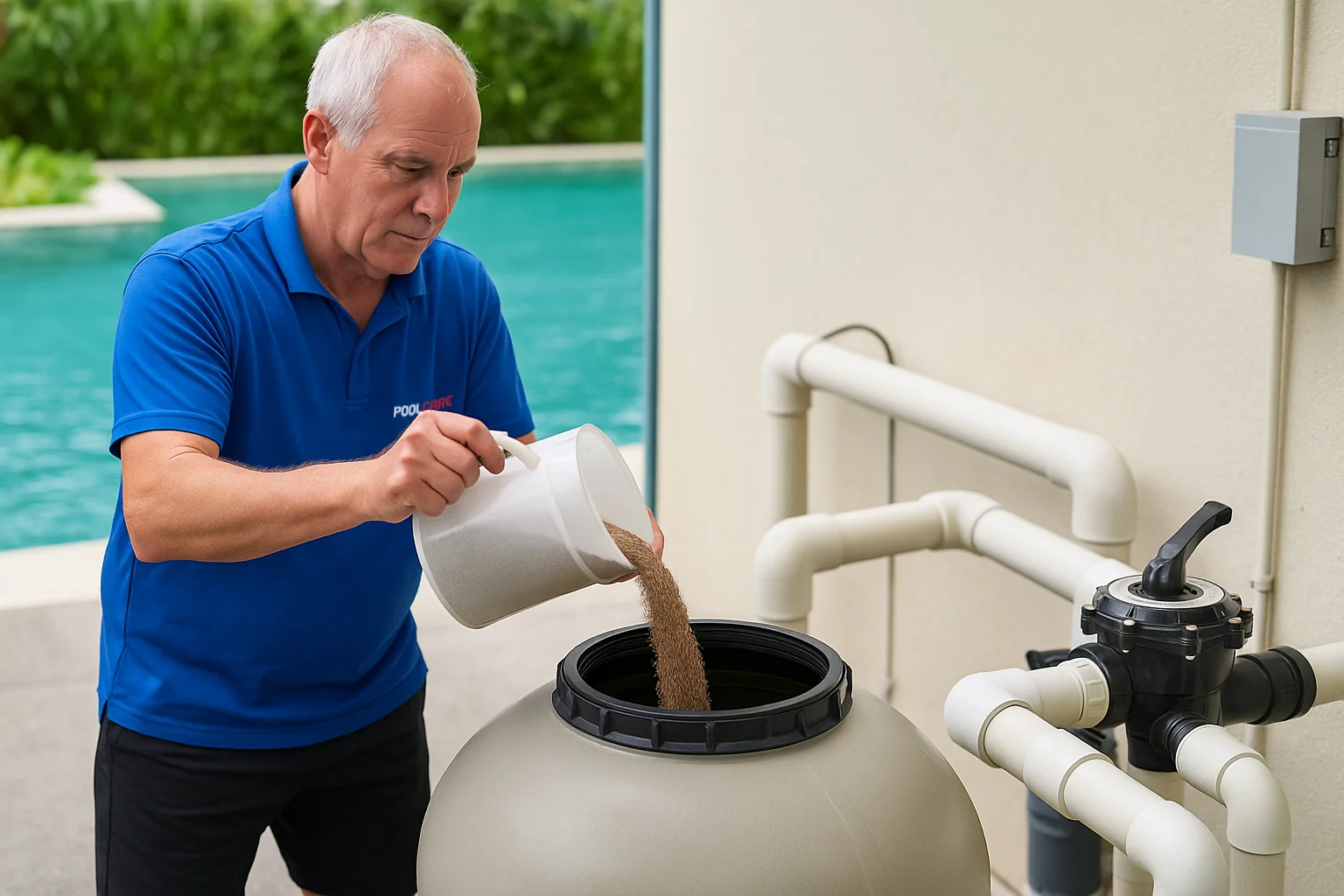
If algae keeps coming back, the water turns cloudy between visits, scale keeps forming, swimmers complain about eye irritation, or debris collects in the same dead spots every week, the service may be too light for the pool’s real needs. Sometimes the issue is chemistry. Sometimes it is circulation. Sometimes it is a dirty filter or a pump that is not moving water well.
The CDC home pool guidance recommends keeping pH between 7.0 and 7.8 and chlorine at proper levels, but those numbers are only part of the story. Good service also looks at how the pool behaves over time, not just one quick test strip.
What PoolBurg Looks For During Service
PoolBurg’s approach is simple: clean the pool, test the water, check the obvious equipment issues, and communicate what we see. A solid pool service checklist should include the basics, but it should also help catch the weird stuff early: weak suction, high filter pressure, baskets that fill too fast, pump noise, small leaks, low water level, cloudy trends, algae pressure, or salt-system problems.
For homeowners comparing options, PoolBurg’s DIY pool maintenance vs pool service, monthly pool service vs weekly pool service, weekly pool maintenance routine, and what does pool service include articles can help explain what level of care fits your pool.

People Also Ask
What does pool service include?
Most regular pool service includes skimming, brushing, vacuuming as needed, basket cleaning, water testing, chemical balancing, and basic equipment checks.
Are chemicals included in pool service?
Sometimes. Many companies include standard chemicals, but specialty treatments, algae recovery, salt, filter cleaning, and repairs may be extra. Always ask before signing up.
How long should a pool service visit take?
It depends on pool size, debris level, filter condition, water chemistry, and whether problems are found. A rushed five-minute visit is usually not enough for a pool that needs real attention.
What is usually extra?
Common extras include filter deep cleaning, green pool cleanup, repairs, leak detection, heater troubleshooting, automation work, and specialty chemical treatments.
How do I compare pool service companies?
Compare what is included, whether chemicals are covered, whether you receive visit notes, how problems are reported, and whether the company checks equipment instead of only skimming leaves.
Ask PoolBurg For A Clear First-Visit Checklist
A pool service checklist should remove the mystery from pool care. If you are tired of vague quotes or visits where you are not sure what happened, PoolBurg can provide a first-visit assessment and a clear service checklist for your pool. Contact PoolBurg to request a practical weekly service plan built around your pool’s actual condition, not a one-size-fits-all promise.