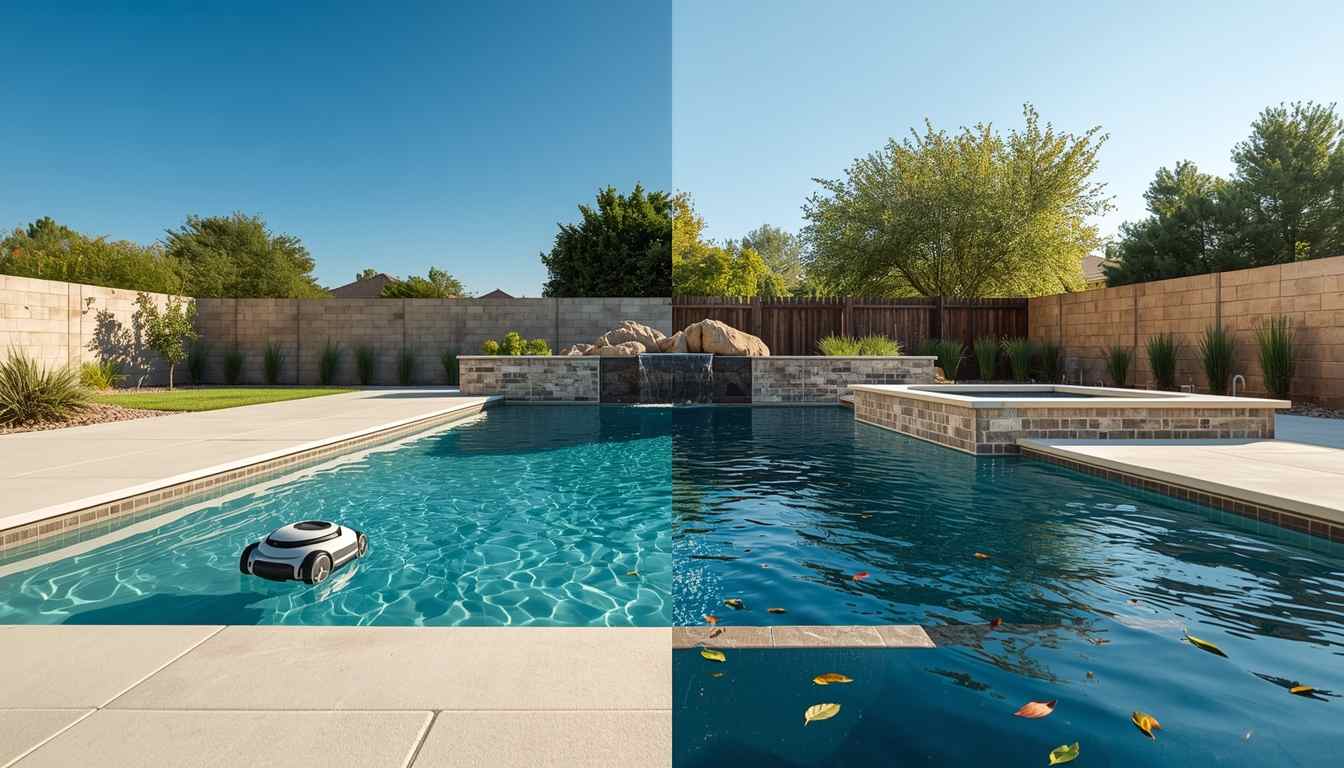
Robotic pool cleaner technology has come a long way, and if you’re tired of dragging a vacuum around your pool every weekend, this might be the smartest upgrade you make all year. You know how it goes in North Texas — pollen, leaves, and that constant dust make the floor look dirty way too fast. A good robotic pool cleaner (or automatic pool cleaner, pool cleaning robot, whatever you want to call it) drops in, does the heavy lifting, and leaves your water sparkling between service visits. It’s not magic, but man, it sure feels like it on those 100-degree days when you just want to swim instead of scrub.
Do You Need a Robotic Pool Cleaner in DFW?
Robotic cleaners supplement — but DON’T replace — regular pool maintenance. They reduce manual vacuuming between service visits. Most useful for: large pools, heavy debris areas, homeowners who swim daily and want a clean floor. Less useful for: small pools, pools already on weekly service, above ground pools (most robots aren’t designed for them).
Types of Automatic Pool Cleaners — Which Is Right for DFW?
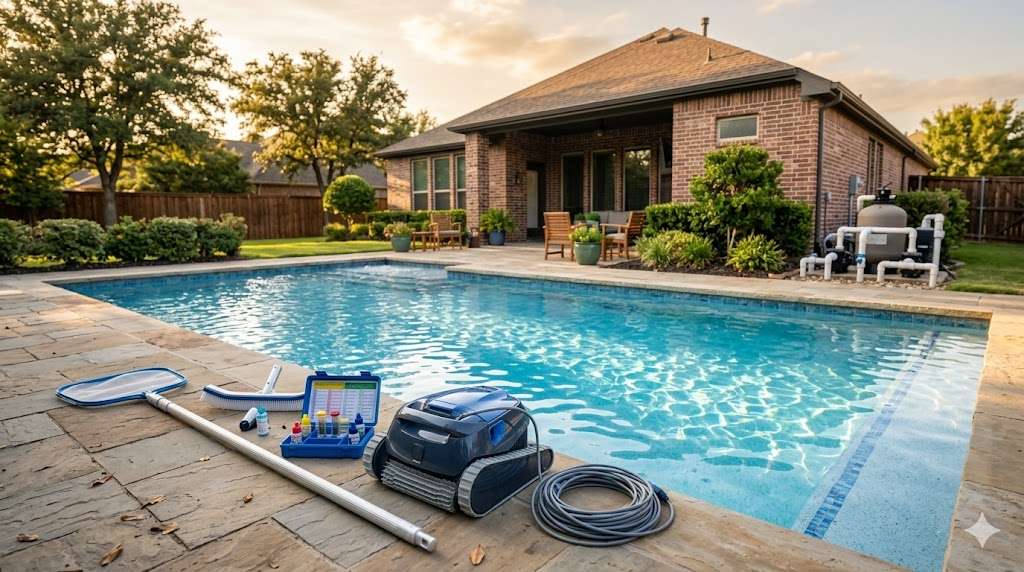
Robotic cleaners (self-contained, electric)
How they work: independent unit with its own motor, filter, and programming — drops into pool and cleans autonomously. Best for DFW: large inground pools with moderate to heavy debris. Pros: excellent cleaning, energy efficient, no wear on pool pump or filter, programmable. Cons: higher upfront cost ($500-$1,500), requires retrieval after cleaning.
Suction-side cleaners (connects to skimmer)
How they work: uses pool pump suction to move around and vacuum debris into the filter system. Best for DFW: budget option for pools with good pump flow. Pros: inexpensive ($100-$400), simple operation. Cons: adds strain to pump and filter, less effective on walls, can reduce skimmer efficiency. Popular models: Hayward Navigator, Zodiac MX series.
Pressure-side cleaners (connects to return or booster pump)
How they work: uses water pressure to move and sweep debris into a built-in bag. Best for DFW: pools with heavy leaf debris (Keller, Plano, Garland mature tree neighborhoods). Pros: good with large debris, doesn’t strain the filter system. Cons: may require a booster pump ($300-$600 additional), higher operating cost. Popular models: Polaris 360/380, Pentair Rebel.
Top Robotic Pool Cleaners for North Texas Pools (2026)
Best overall: Dolphin Nautilus CC Plus ($800-$1,000)
Reliable, effective on gunite and fiberglass, good filter capacity for DFW debris.
Best premium: Dolphin Premier ($1,200-$1,500)
Multi-media filtration, handles fine dust and large leaves, smart navigation.
Best for heavy debris: Polaris P965iQ ($1,000-$1,300)
Connects to WiFi, strong suction for DFW’s heavy leaf and pollen loads.
Best budget: Dolphin E10 ($400-$600)
Simple, reliable, no programming — good for above ground and small inground pools.
Best value: Hayward TigerShark ($600-$900)
Solid performance, Hayward parts availability in DFW, good for gunite pools.
(Note: recommendations based on DFW conditions — gunite surfaces, heavy debris, pollen, hard water minerals.)
What Robotic Cleaners Can and Can’t Do in DFW
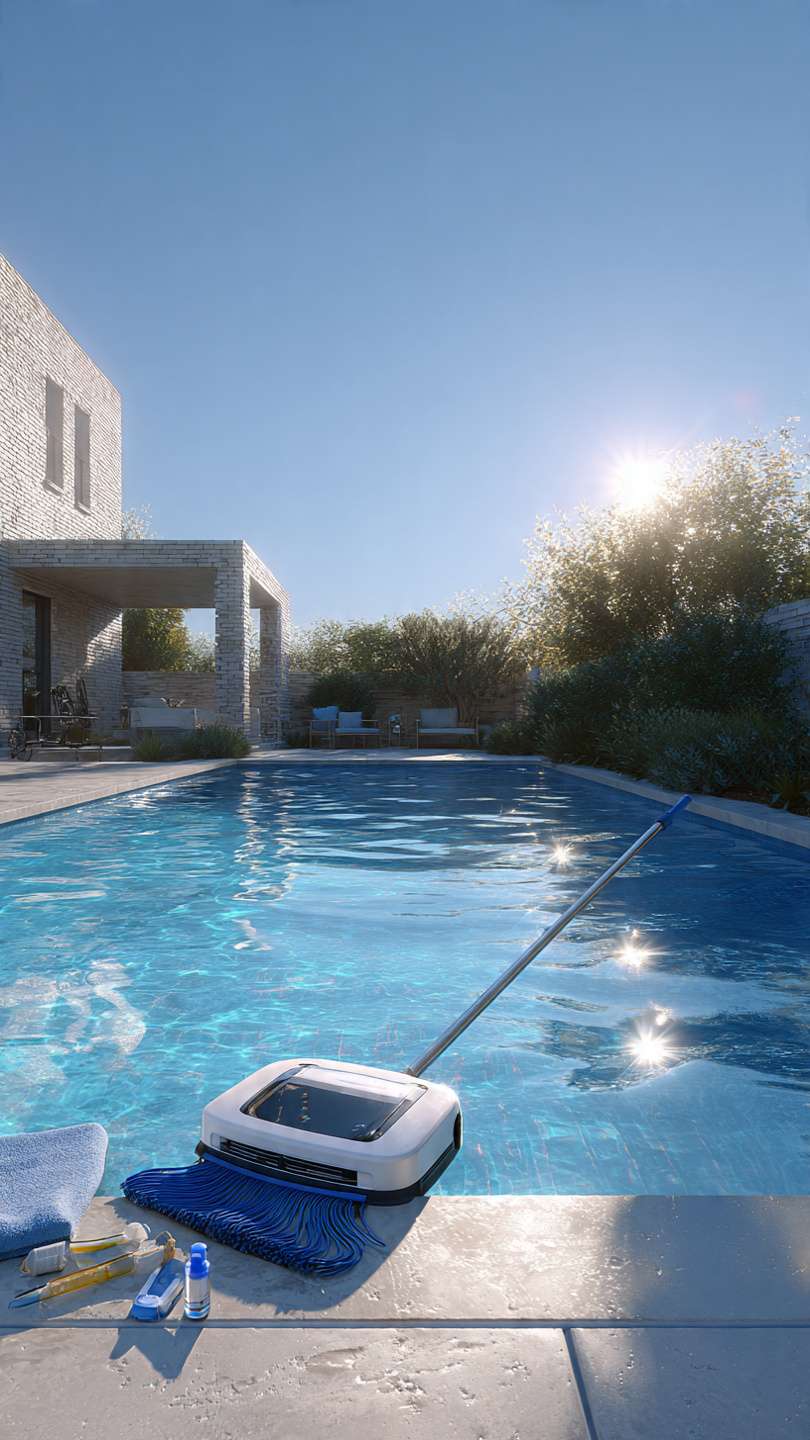

What they DO well
Vacuum the pool floor and walls. Scrub surfaces (helps prevent algae in gunite pools). Filter fine particles that improve water clarity. Reduce workload between professional service visits.
What they DON’T do
Test or balance water chemistry. Clean the skimmer or pump baskets. Maintain the filter system. Monitor equipment health. Prevent algae without proper chemical maintenance. Replace professional weekly service. The bottom line: a robotic pool cleaner + weekly professional service = the cleanest possible pool.
Robotic Cleaner Maintenance Tips for DFW Owners
Clean the filter bag/cartridge after every use (DFW debris fills it fast). Rinse the unit with fresh water after every use (prevents hard water mineral buildup on the robot). Inspect tracks/wheels monthly for wear. Store out of direct sun when not in use (Texas UV degrades plastic and rubber). Replace filter bags/cartridges annually. Don’t leave the robot in the pool 24/7 — UV and chemical exposure shortens its life.
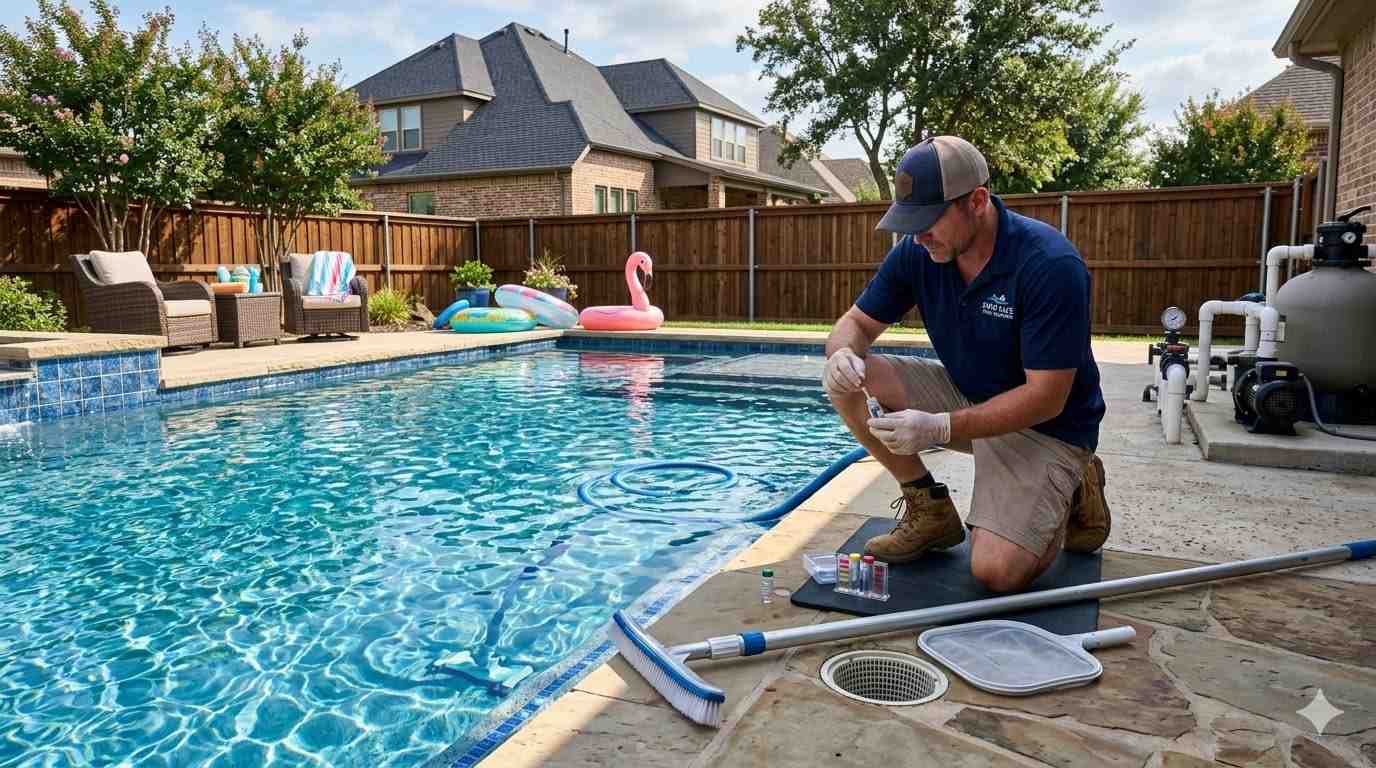
PoolBurg’s Take — Robotic Cleaners Are Great Partners, Not Replacements
We recommend them as supplements to weekly service — not substitutes. We can advise on the best model for YOUR pool based on size, surface, and debris level.
Want cleaner water between PoolBurg visits? Ask us which robotic pool cleaner is best for your pool. Drop us a line during your next service visit or check out our weekly pool service — we’ll help you pick the perfect automatic pool cleaner or pool cleaning robot that actually fits your lifestyle.