
Chlorine shock for weekly pool treatment is one of the most important habits for keeping pool water clean and healthy. When pool owners skip chlorine shock for weekly pool treatment, contaminants slowly build up in the water, chlorine becomes less effective, and algae can start to develop. Regular chlorine shock for weekly pool treatment restores sanitizer strength, eliminates organic waste, and keeps swimming water clear and comfortable.
According to the Pool & Hot Tub Alliance water chemistry recommendations, routine shock treatments help maintain proper sanitation and prevent water quality issues in residential pools.
Why Weekly Pool Shocking Is Especially Important in DFW
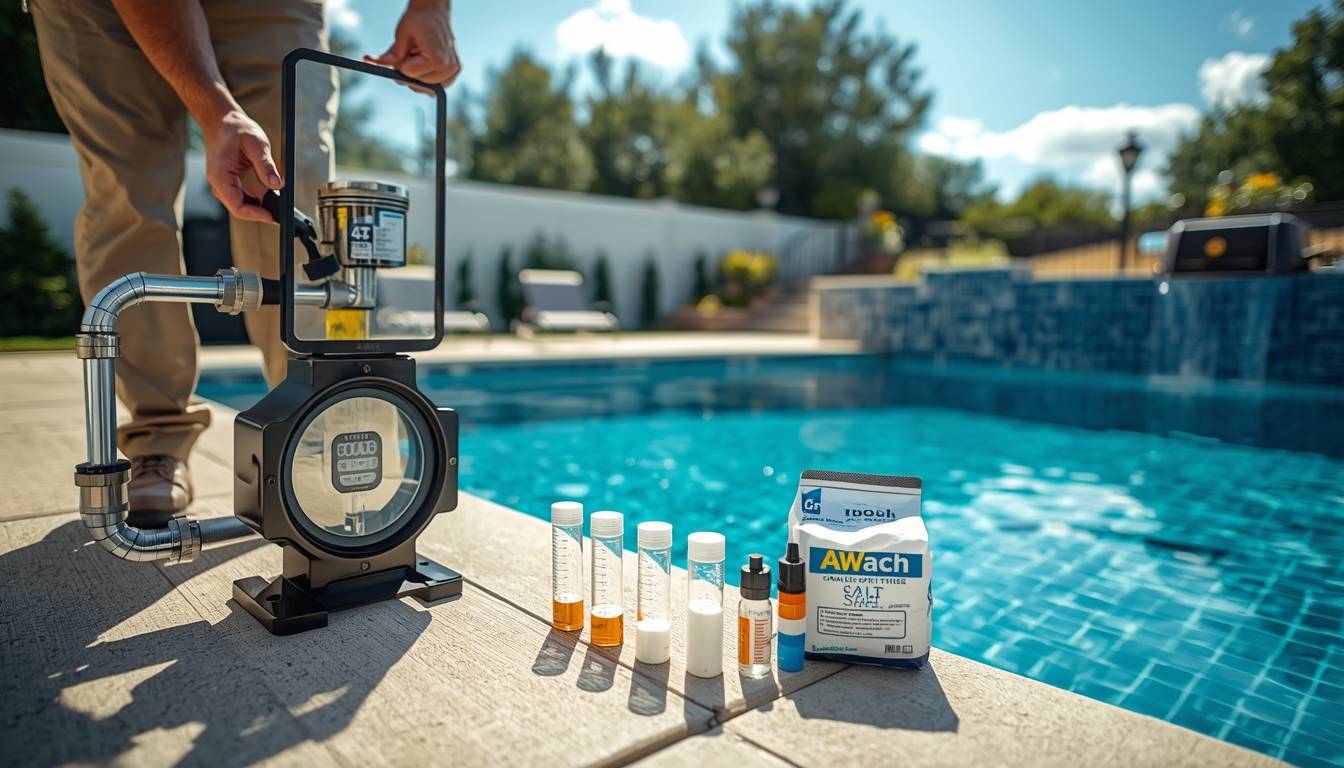
Pools in North Texas experience extremely hot summers and intense sunlight. These conditions break down chlorine faster than in cooler regions, which is why chlorine shock for weekly pool treatment becomes essential during the swim season.
Heavy swimmer use also introduces contaminants like sweat, sunscreen, and body oils. Over time these contaminants combine with chlorine and create chloramines — the compounds responsible for the strong “chlorine smell” many people notice around poorly maintained pools.
According to CDC Healthy Swimming guidelines, chloramines reduce chlorine’s ability to disinfect water and can cause eye and skin irritation. Using chlorine shock for weekly pool treatment breaks down these compounds and restores proper sanitizing power.
Without consistent shock treatments, algae spores and bacteria can multiply quickly in warm water. Weekly chlorine shock for weekly pool treatment helps prevent these problems before they become expensive to fix.
What Pool Shock Actually Does to Your Water
Many pool owners assume shock simply adds more chlorine, but the process actually does several important things.
First, shock treatments break apart chloramines, which are forms of combined chlorine that reduce sanitizer effectiveness. This process restores “free chlorine,” the active form that disinfects water.
Second, chlorine shock for weekly pool treatment oxidizes organic contaminants such as sweat, sunscreen, oils, and debris. These contaminants build up naturally from swimmers and outdoor exposure.
Third, shock treatments help prevent algae growth before it becomes visible. According to NSPF water chemistry research, oxidation treatments improve water clarity and reduce organic buildup that feeds algae.
The result is cleaner, clearer water and a much more comfortable swimming experience.
Recommended Chlorine Shock for Weekly Pool Treatment
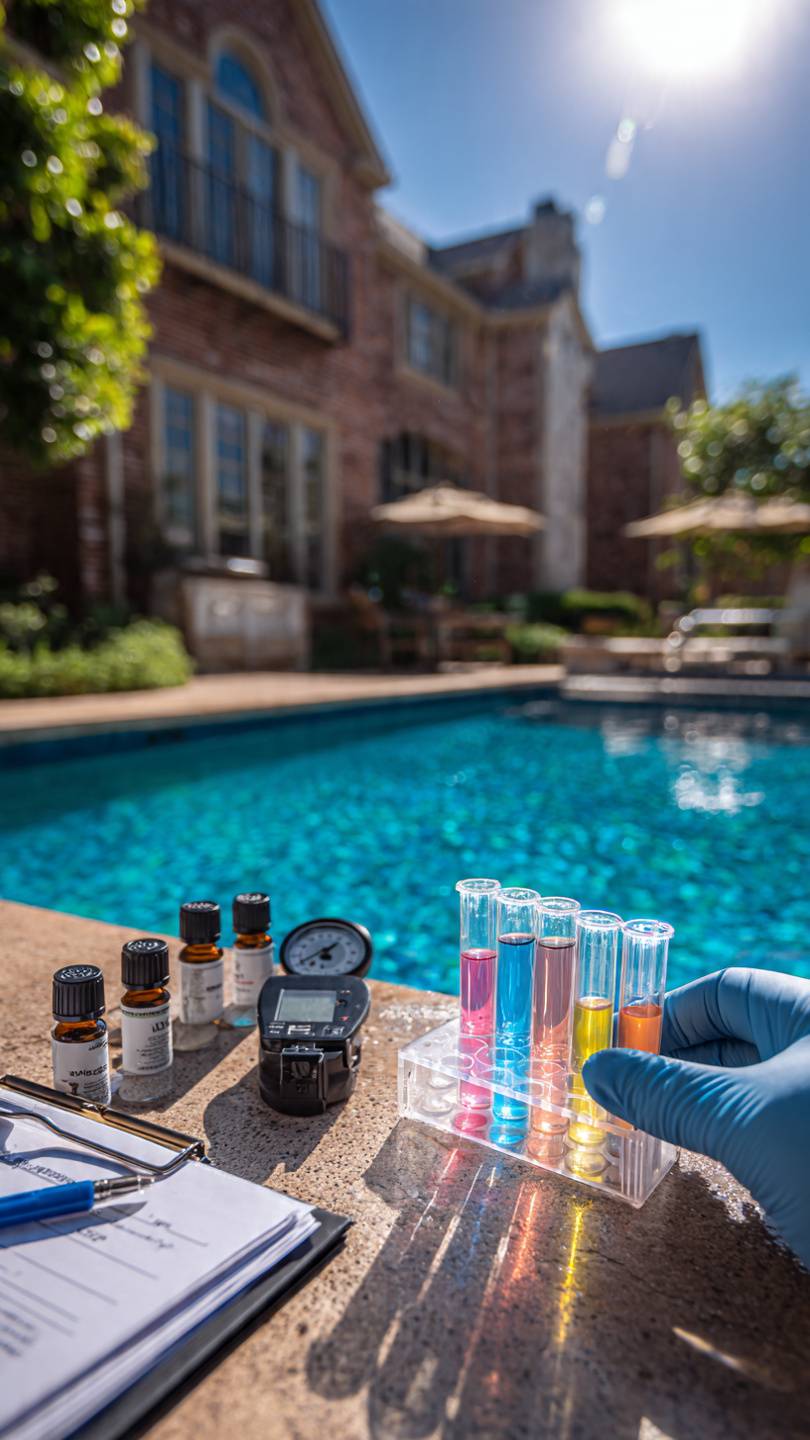
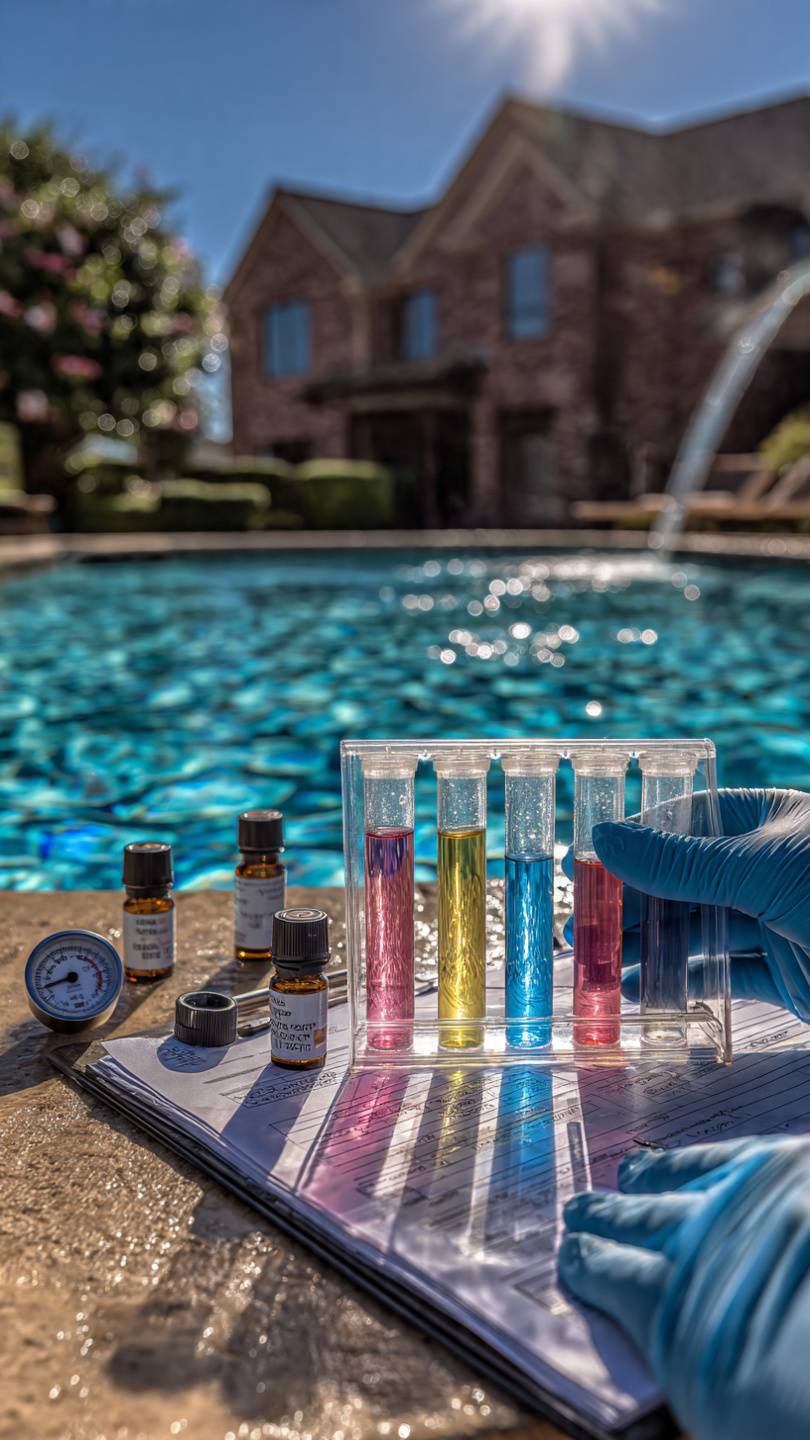

Calcium hypochlorite shock
Calcium hypochlorite, often called cal-hypo shock, contains about 65–73% available chlorine. It is one of the most powerful options for chlorine shock for weekly pool treatment and is widely used by professionals.
This type of shock kills algae, bacteria, and organic contaminants quickly. However, it also adds calcium to the water. Since North Texas already has naturally hard water, calcium levels should be monitored carefully.
Sodium dichlor shock
Dichlor shock contains about 55–62% available chlorine and dissolves quickly in water. It is stabilized with cyanuric acid, which protects chlorine from sunlight.
Because it contains stabilizer, repeated use can increase CYA levels. According to EPA pool water chemistry basics, stabilizer must remain within recommended levels to keep chlorine effective.
Non chlorine shock
Non-chlorine shock, made from potassium monopersulfate, works differently. Instead of adding chlorine, it oxidizes contaminants already present in the water.
This allows swimmers to return to the pool faster. However, it does not replace chlorine sanitizing and should be used alongside normal chlorine treatments.
How Much Shock to Use for Weekly Treatment
A general guideline for chlorine shock for weekly pool treatment is one pound of shock per 10,000 gallons of pool water.
Pools with heavy swimmer activity or visible algae may require a slightly higher dosage. Always follow the manufacturer’s instructions for the specific product being used.
Accurate pool volume calculations are important for proper dosing. Over-shocking wastes chemicals and can damage surfaces or equipment.
Best Time to Add Pool Shock
Shock the pool in the evening
Sunlight breaks down chlorine quickly, so chlorine shock for weekly pool treatment should usually be done after sunset. Nighttime application allows the shock treatment to work overnight without rapid chlorine loss.
Run the pump after shocking
Proper circulation distributes the chemicals evenly throughout the pool. The pump should run for at least eight hours after shocking to ensure the treatment works effectively.
According to InterNACHI pool maintenance guidance, circulation is essential for proper chemical distribution and preventing localized chemical damage.
Common Pool Shocking Mistakes Homeowners Make
Shocking during the day
Sunlight quickly destroys chlorine before it can oxidize contaminants.
Using too much shock
Excess chlorine can damage surfaces and make swimming unsafe.
Not running the pump long enough
Without circulation, shock chemicals cannot spread evenly.
Ignoring stabilizer levels
Using stabilized shock repeatedly can push CYA levels too high.
Skipping brushing before shocking
Brushing removes algae films and allows shock treatment to work better.
People Also Ask
How often should I shock my pool in Texas?
Most residential pools benefit from chlorine shock for weekly pool treatment, especially during hot summer months.
How long should I wait to swim after shocking a pool?
Swimming is usually safe once chlorine levels return to 1–4 ppm, which typically takes 8–24 hours depending on dosage.
What is the best chlorine shock for residential pools?
Calcium hypochlorite is often considered the most powerful and effective shock treatment.
Can I use chlorine shock every week?
Yes. Weekly chlorine shock for weekly pool treatment helps maintain sanitation and prevents algae growth.
How much shock do I need for a 10,000 gallon pool?
Typically one pound of chlorine shock is recommended for routine weekly treatment.
Should I run my pool pump after shocking?
Yes. Running the pump ensures the shock treatment distributes evenly through the pool.
PoolBurg Includes Professional Pool Shocking in Weekly Service
Consistent chlorine shock for weekly pool treatment is one of the keys to clear, healthy water. At PoolBurg, our technicians monitor chlorine levels and apply shock treatments when needed as part of routine service.
Professional dosing ensures your pool stays balanced without over-treating the water or damaging equipment.
Skip the guesswork with pool chemicals. PoolBurg handles weekly shocking, water testing, and chemical balancing so your pool stays clean and ready for swimming all season long.