If you think you don’t need to winterize pool Texas style, you’re in good company — and you’re wrong. It’s the most expensive misconception in DFW pool ownership. Every single winter, thousands of North Texas pools suffer freeze damage that was entirely preventable. Cracked pumps, burst pipes, destroyed heaters, split filter tanks — all because the homeowner figured “it doesn’t get cold enough in Texas.” It does. If you’ve ever asked “do you need to winterize a pool in Texas?” the answer is an absolute yes, but not the way they do it up north.
Understanding the difference between pool closing vs winterizing Texas style is the first step to avoiding a repair bill that could run $1,000 to $8,000 from a single freeze event.
The Great Texas Pool Debate — Do You Need to Winterize a Pool in Texas?
Up north, pool closing is standard practice. They drain everything, blow out lines, add antifreeze, slap a cover on, and don’t touch the pool again until spring. In DFW, the situation is completely different. Our winters are too inconsistent for a full shutdown — we might hit 75°F one week and 18°F the next. But that inconsistency is exactly what makes our freeze events so dangerous. DFW homeowners who do nothing because “it’s Texas” get hammered every time a real cold snap rolls through. The National Weather Service DFW office tracks freeze events annually, and the data is clear — North Texas gets meaningful freeze events every single winter.
Pool Closing vs Winterizing Texas — There’s a Huge Difference
Northern Pool Closing — What We Don’t Do in DFW
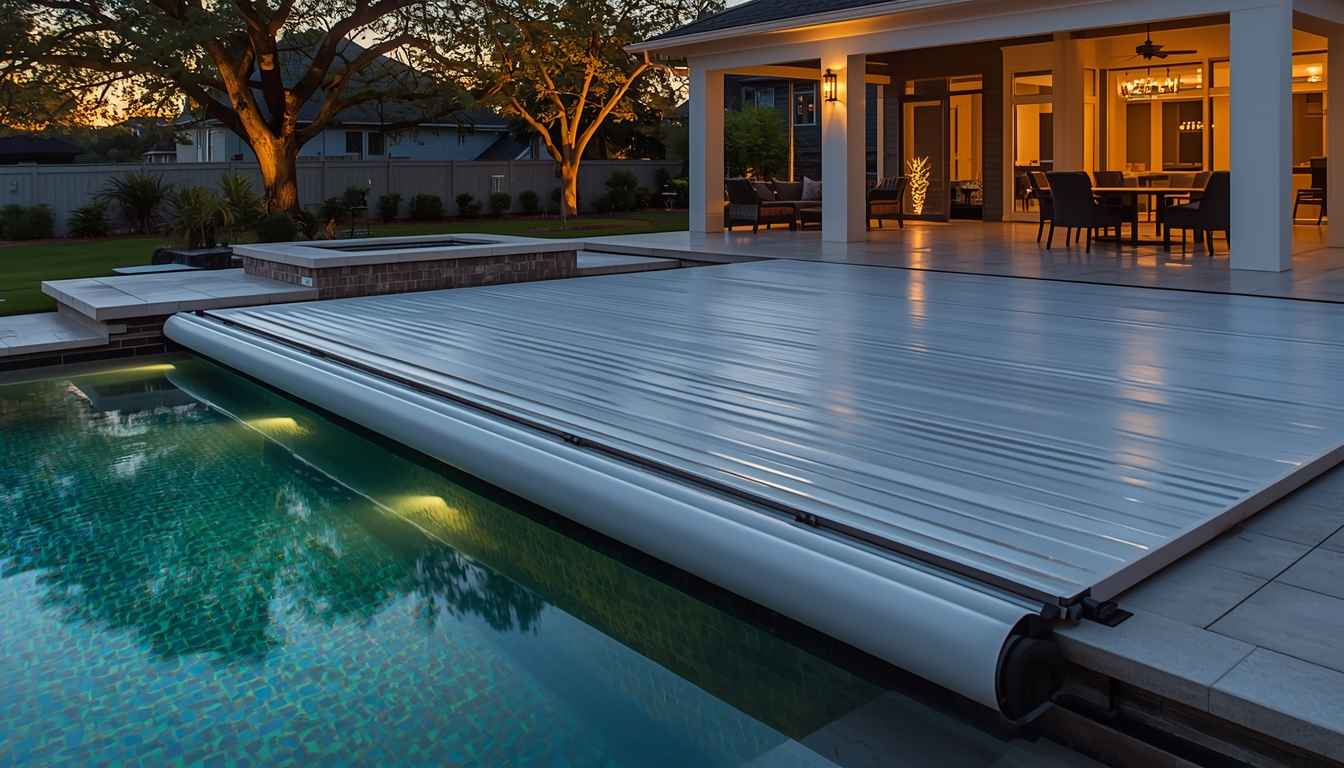
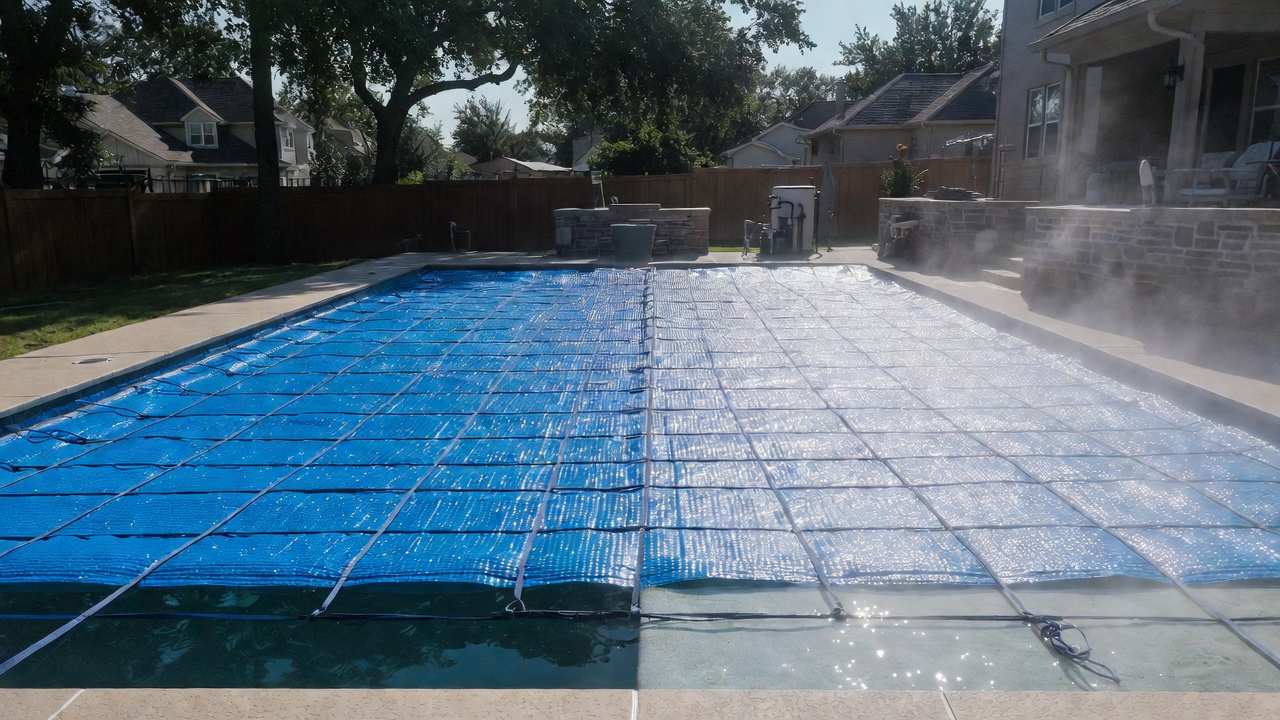
A traditional northern pool closing means draining all water from plumbing and equipment, blowing out lines with compressed air, adding antifreeze to every pipe, installing a heavy winter cover, and shutting everything down for four to six months. Then in spring, there’s a full startup process to reopen. This is NOT appropriate for DFW — our winter is too inconsistent, we swim well into October and start again in March, and the mild days between freezes mean equipment needs to keep running.
How to Winterize Pool Texas Style — What We Should Do in DFW
When you winterize pool Texas style, you keep the pool running year-round but adjust your approach for winter conditions. That means reduced pump run time during mild winter weather — four to six hours per day instead of ten to twelve. Reduced chemical treatment proportionally since lower temperatures mean lower demand.
A documented freeze action plan for each cold event. Equipment protection during specific freeze events, not a blanket shutdown. And continued monitoring through winter — you don’t abandon the pool just because you’re not swimming. The Pool & Hot Tub Alliance recommends year-round maintenance for pools in transitional climates like DFW, and our market is the textbook definition of transitional.
DFW’s Winter Reality — The Numbers That Prove You Must Winterize Pool Texas Style
Here’s what DFW actually faces every winter. Collin County averages 30 to 45 freeze nights per year. Hard freeze events where temps drop below 28°F happen 5 to 15 times annually. Extended freeze events lasting 24-plus hours below freezing hit 2 to 5 times per winter. And the recent track record is brutal: February 2021’s Winter Storm Uri caused catastrophic, widespread pool damage across the entire metroplex. December 2022’s Winter Storm Elliott knocked out equipment across DFW.
January 2024’s arctic blast combined with power outages devastated unprepared pools. According to NOAA climate data for North Texas, the pattern is unmistakable — DFW gets at least one serious freeze event every winter. Sometimes three or four. The question for anyone asking “do you need to winterize a pool in Texas” isn’t if the freeze is coming. It’s whether you’ll be ready when it does.
PoolBurg’s DFW Winterization Protocol — How We Winterize Pool Texas Style
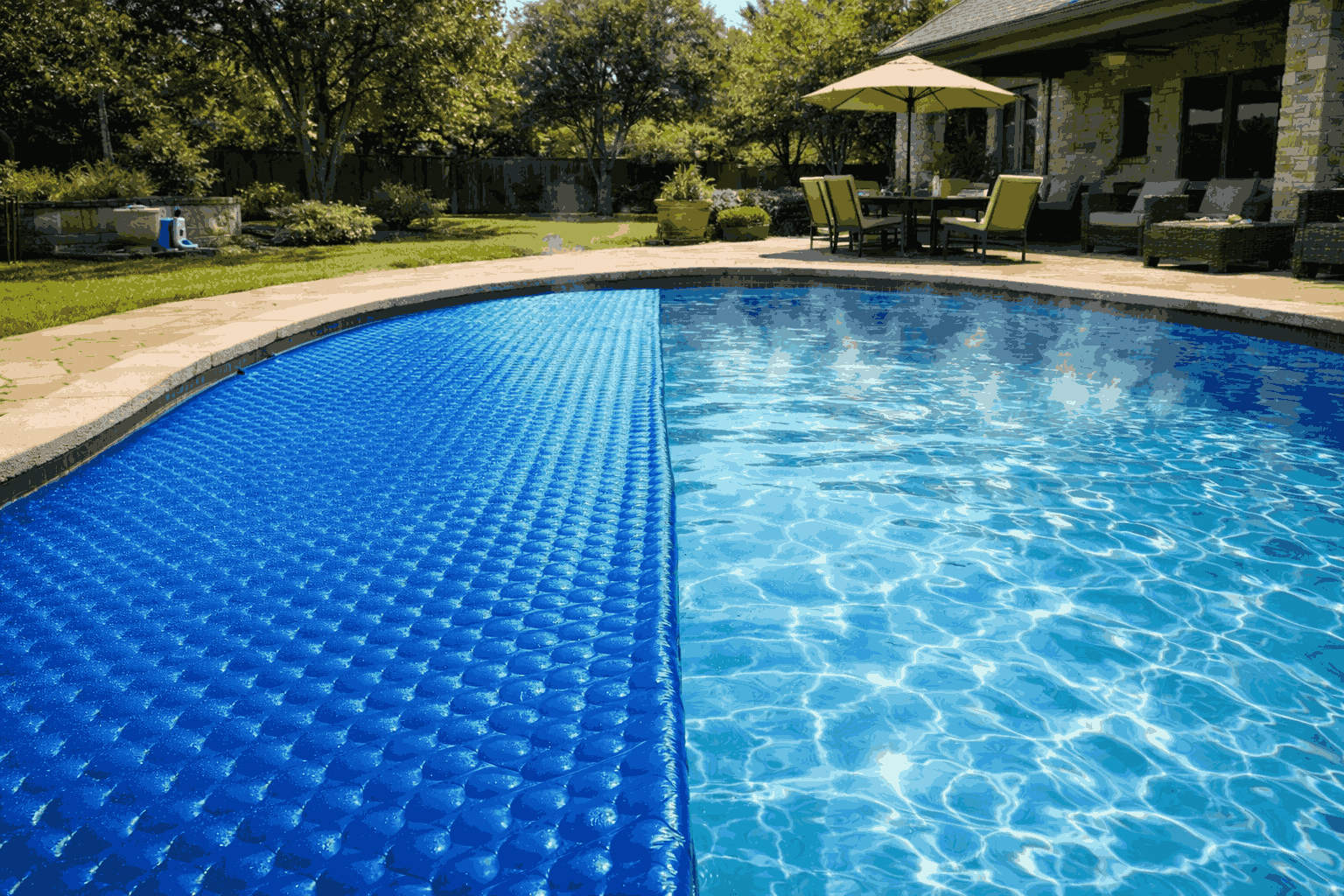
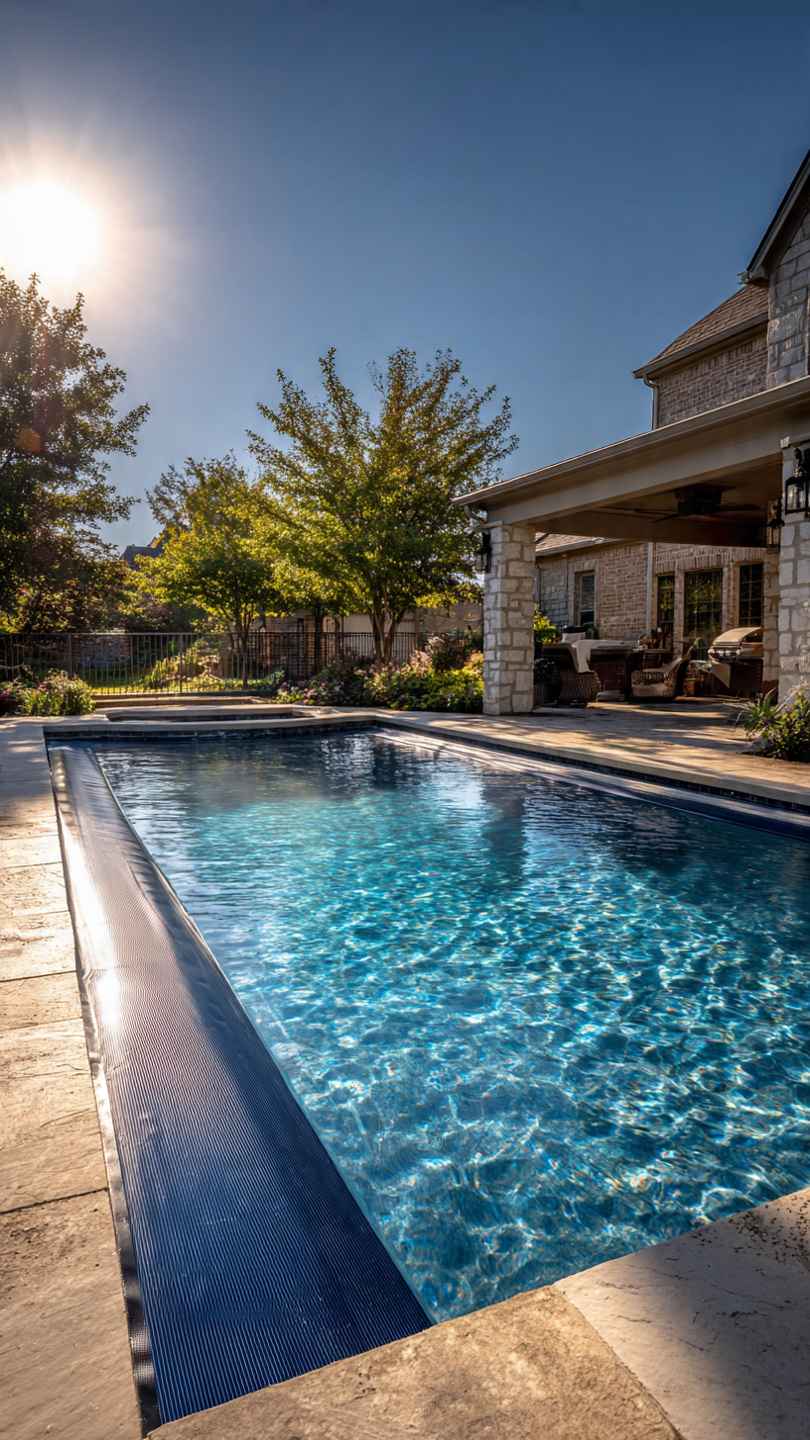
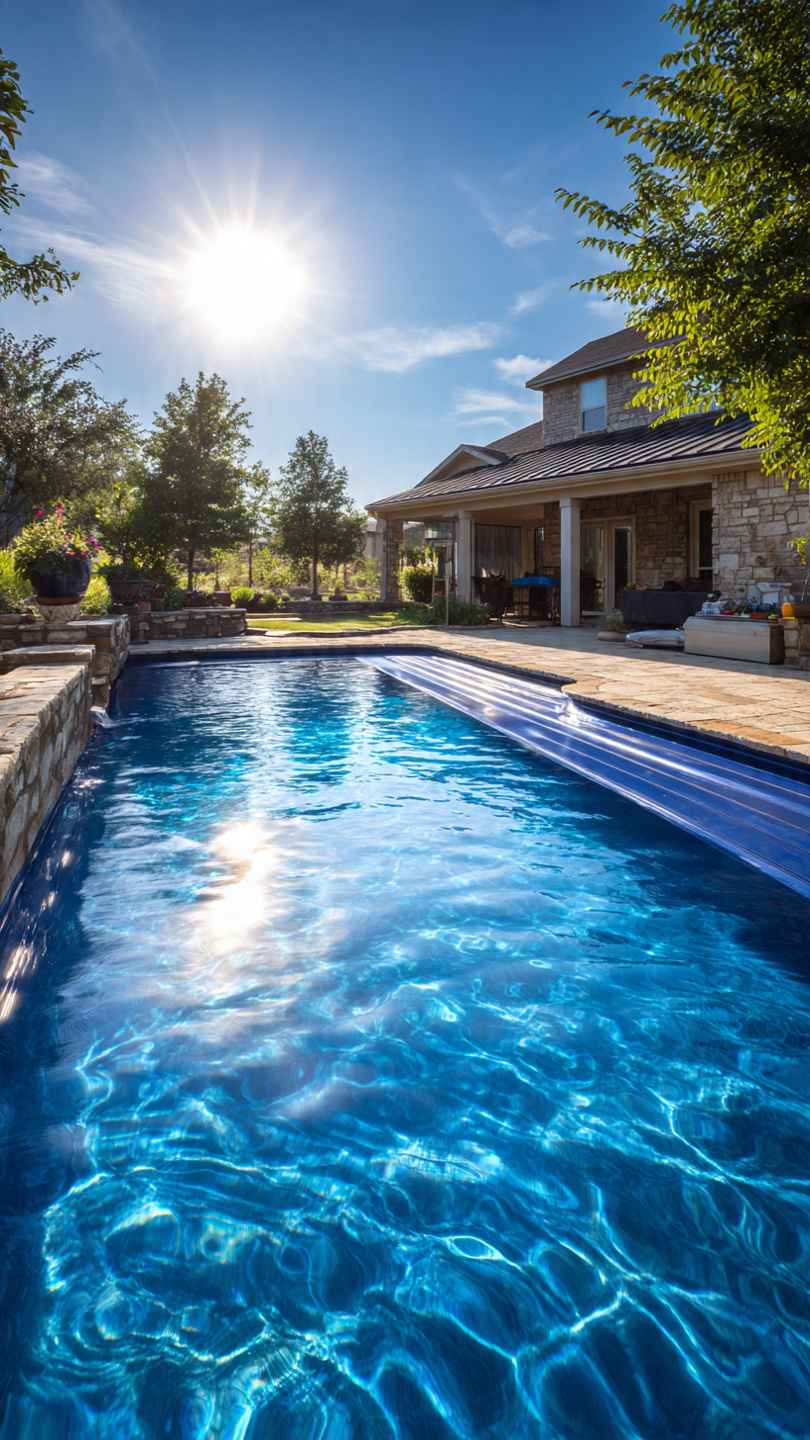
Pre-Season Preparation in November
Our winterization starts before the first freeze ever arrives. We verify all equipment is operational, check freeze guard and freeze protection systems on your pump and automation, ensure your heater and filter are in good working order, test timer and automation settings, and educate you on our freeze protocol so you know exactly what to do if we can’t get to your pool during a sudden event. This pre-season preparation is the foundation of how we winterize pool Texas style.
During Each Freeze Event
When temps drop below 35°F, the protocol activates: run the pump continuously, open all valves for maximum water flow, and monitor equipment throughout the event. Moving water is dramatically harder to freeze than stagnant water. If power fails — which happened to thousands of DFW homes during Uri — the emergency protocol kicks in: immediately drain the pump, filter, heater, and any exposed plumbing. Add pool antifreeze to exposed lines if an extended outage is expected.
This is exactly the kind of “reasonable precautions” documentation that strengthens pool insurance claims if damage still occurs despite preparation.
After Each Freeze Event
Once temps rise above freezing, we do a visual inspection of all equipment before restarting anything. We check for cracks, leaks, and unusual sounds. Test water chemistry since freezing can shift pH and alkalinity. Verify heater ignition and operation. And check salt cell connections and flow for salt water pools. Restarting damaged equipment without inspection can cause secondary damage that’s even more expensive.
Spring Restart in March
As temps warm up, we transition back to full service: complete equipment inspection, water chemistry reset, filter cleaning, increased pump run time as temps rise, and full weekly maintenance schedule resumed. This is the pool closing vs winterizing Texas difference in action — we never fully shut down, we just adjust and protect through winter, then ramp back up for swim season.
What Freeze Damage Actually Looks Like When You Don’t Winterize Pool Texas Style
Cracked Pump Housing — The Most Common Freeze Casualty
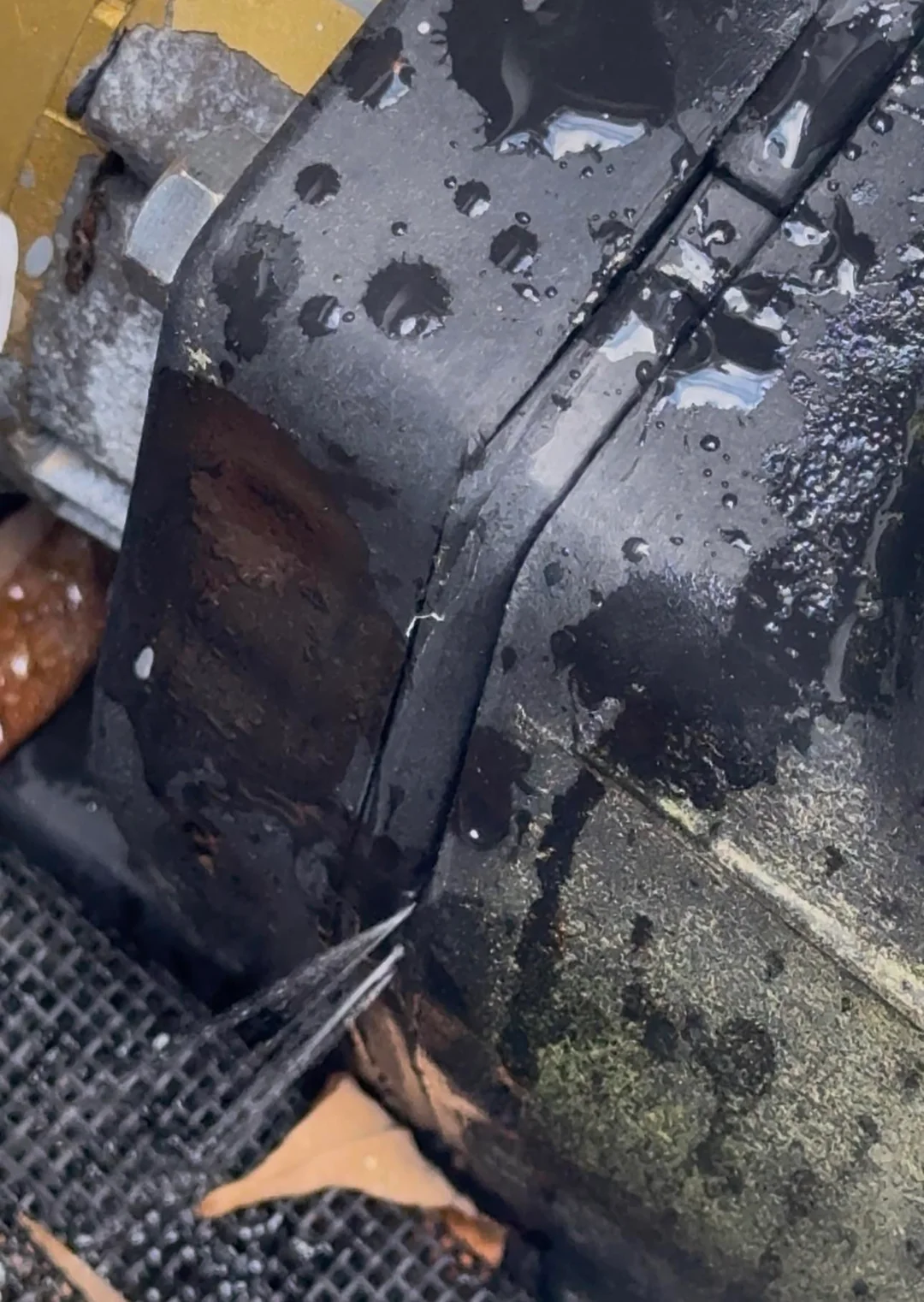
Water trapped in the pump volute freezes, expands, and cracks the housing. It’s the number one freeze damage repair we see every winter. Pump replacement cost: $300 to $800 for just the housing, or $800 to $1,800 for a full pump if the motor is damaged too.
Burst PVC Pipes — Especially at Fittings and Unions
Water in rigid PVC expands and splits joints, unions, and pipe sections. Pool plumbing repair cost: $100 to $500 for accessible repairs, $1,000 to $3,000 when the damage is underground.
Heater Header Cracks
Water trapped in your heater’s heat exchanger headers freezes and cracks the casting. This is one of the most expensive freeze casualties. Heater repair cost: $300 to $1,200 for the header, or $1,500 to $4,500 if the entire heater needs replacement.
Filter Tank Cracks
Water inside the filter housing expands and splits the tank. Replacement cost: $400 to $1,500 depending on filter type and size.
Salt Cell Damage
Water in the salt cell freezes and cracks the housing or damages the plates. Salt cell replacement cost: $300 to $800. Total potential freeze damage for an unprepared pool: $1,000 to $8,000 or more from a single event.
The Cost to Winterize Pool Texas Style vs the Cost of Freeze Damage
This is where the math ends the debate. Professional winterization service costs $100 to $250. Average freeze damage repair for an unprepared DFW pool runs $1,500 to $5,000. The Insurance Information Institute consistently reports that preventive maintenance is the most cost-effective way to avoid property damage claims. In this case, winterization pays for itself 10 to 20 times over. You’re spending $200 to avoid spending $3,000.
That’s not a hard decision. And remember — as we covered in our pool insurance guide, many insurance companies require evidence of “reasonable precautions” before they’ll cover freeze damage. A professional winterization receipt IS that evidence.
People Also Ask
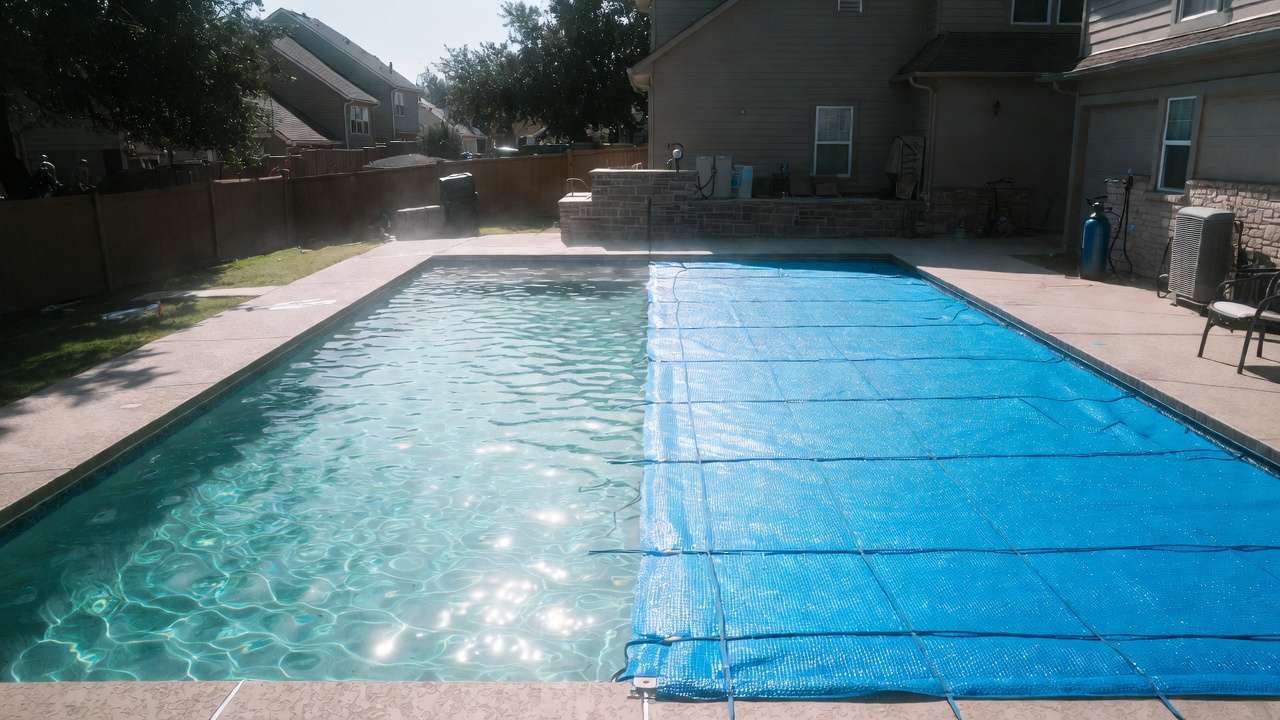
Do you need to winterize a pool in Texas?
Yes. DFW gets 30 to 45 freeze nights per year and multiple hard freeze events every winter. You don’t need a full northern-style closing, but you absolutely need to winterize pool Texas style — keeping equipment running, having a freeze action plan, and protecting against specific cold events.
Can pools freeze in DFW?
Pool water itself rarely freezes solid in DFW, but equipment and plumbing absolutely freeze. Water trapped in pumps, heaters, filters, pipes, and salt cells expands when it freezes and cracks the components. That’s where the damage happens — and it happens every winter in North Texas.
How do I protect my pool from freezing in North Texas?
Run the pump continuously when temps drop below 35°F. Open all valves for maximum flow. If power fails, immediately drain the pump, filter, and heater. Have a professional freeze protection plan in place before the season starts. Don’t rely on freeze guards alone — they require power, and DFW freezes often cause power outages.
Should I drain my pool for winter in Texas?
No. Draining your pool creates structural risk from hydrostatic pressure in DFW’s clay soil and costs $50 to $200 in water to refill. Keep the pool full and running — moving water resists freezing far better than an empty shell and dry pipes.
Do I need to run my pool pump in winter?
Yes. Reduce run time to 4 to 6 hours per day during mild winter weather. During freeze events, run the pump continuously 24/7 until temps rise above freezing. Never shut the pump off completely for winter in DFW — that’s a northern strategy that doesn’t work here.
How much does pool freeze damage cost to repair?
Individual component repairs range from $100 for a simple pipe fix to $4,500 for a full heater replacement. Total damage from a single freeze event on an unprepared pool typically runs $1,500 to $5,000, with severe cases exceeding $8,000. Professional winterization at $100 to $250 prevents the vast majority of this damage.
Does pool antifreeze work in Texas?
Pool-rated antifreeze works as an emergency measure for exposed plumbing lines during extended power outages. It’s not a substitute for running the pump — it’s a backup for when the pump CAN’T run. Part of a thorough plan to winterize pool Texas style includes having antifreeze on hand for emergencies.
PoolBurg’s Winterization Service — Your Pool’s Freeze Insurance
At PoolBurg, we winterize pool Texas style across our entire 17-city DFW service area every winter. Pre-freeze preparation starting in November, active freeze event response when temps drop, post-freeze inspection before restarting equipment, and spring restart to get you back to full service. We’ve been through Uri, Elliott, and every cold snap in between. We know exactly what DFW pools need to survive winter, and our service records provide the documentation trail that supports insurance claims if damage occurs despite precautions.
Don’t gamble with the next freeze — schedule PoolBurg winterization before cold weather hits.