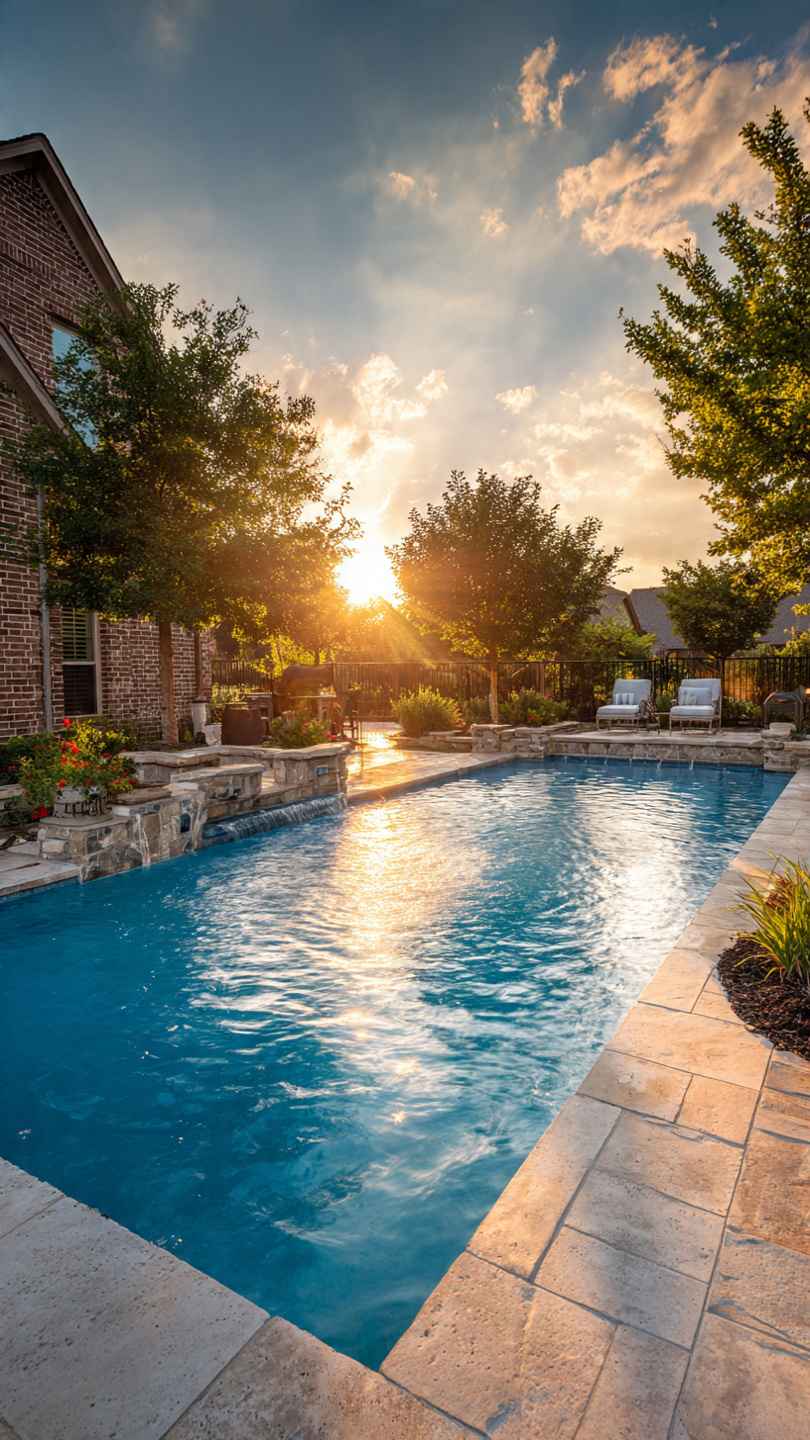
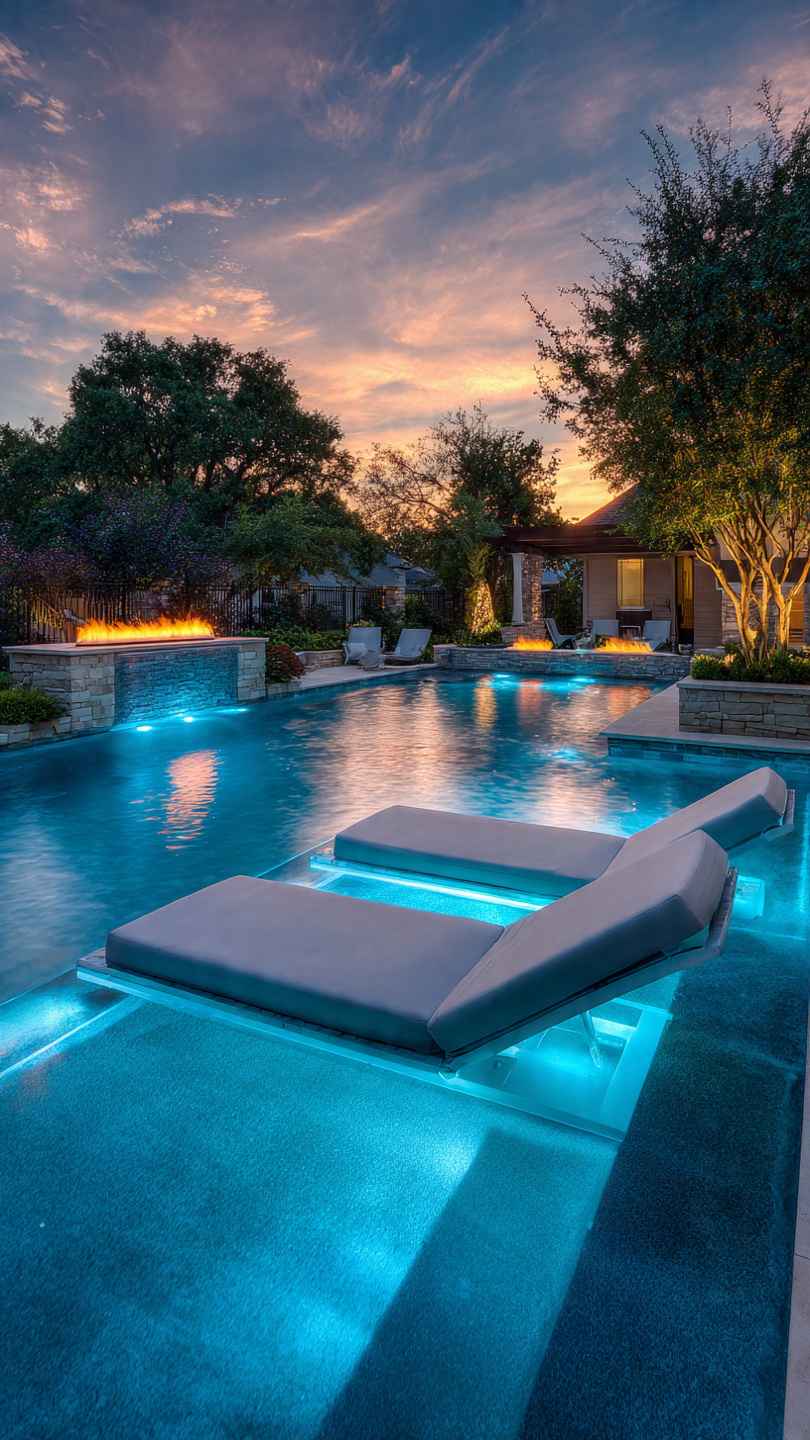
The cheapest way to heat a pool depends on how warm you want the water, how many months you want to swim, and how much you’re willing to spend upfront versus monthly. An unheated pool in DFW gives you about 5 months of comfortable swimming. Add the right heating setup and you’re looking at 9 months or more. That’s nearly doubling your pool season. If you’re exploring pool heating options DFW homeowners actually use, here’s every method ranked by real operating cost — plus the smart combinations that give you the most swim time for the least money. Here’s how to heat a pool cheaply in Texas without cutting corners on comfort.
Every Pool Heating Option Ranked by Operating Cost

1. Solar cover — the cheapest way to heat a pool by far. A solar cover (also called a solar blanket) costs $50 to $200 and has zero monthly operating cost. It traps heat from the sun during the day and prevents evaporation at night, adding 5 to 15°F to your water temperature. The U.S. Department of Energy estimates that solar covers reduce pool heating costs by 50 to 70% when combined with any other heating method. If you do nothing else, do this. Our pool cover guide covers the options.
2. Solar panels — free heating from DFW’s 230+ sunny days. Rooftop or ground-mounted solar pool heating panels cost $3,000 to $7,000 installed and run $0 to $10 per month (just the small pump boost). They add 10 to 20°F and work beautifully in DFW from March through November. The Solar Energy Industries Association tracks Texas solar viability and incentives. Payback period is 2 to 5 years, after which you’re heating for essentially nothing.
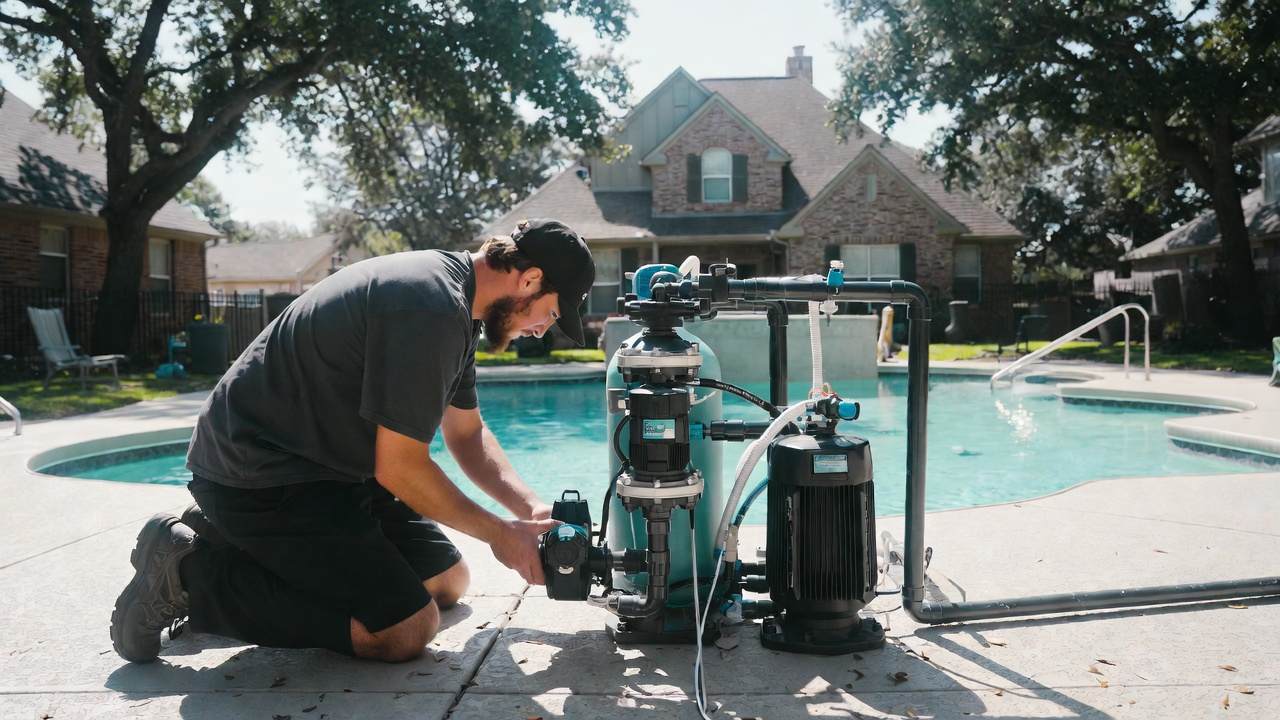
3. Heat pump — the best balance of cost and performance. A heat pump costs $3,000 to $6,000 installed and runs $50 to $150 per month during heating season. It extracts warmth from the air and transfers it to the water, making it 3 to 5 times more efficient than gas. It works great in DFW from March through November when air temps stay above 50°F. Below that, efficiency drops. Our heat pump service page covers maintenance and repairs. The Department of Energy confirms that heat pumps are the most energy-efficient mechanical pool heating option available.
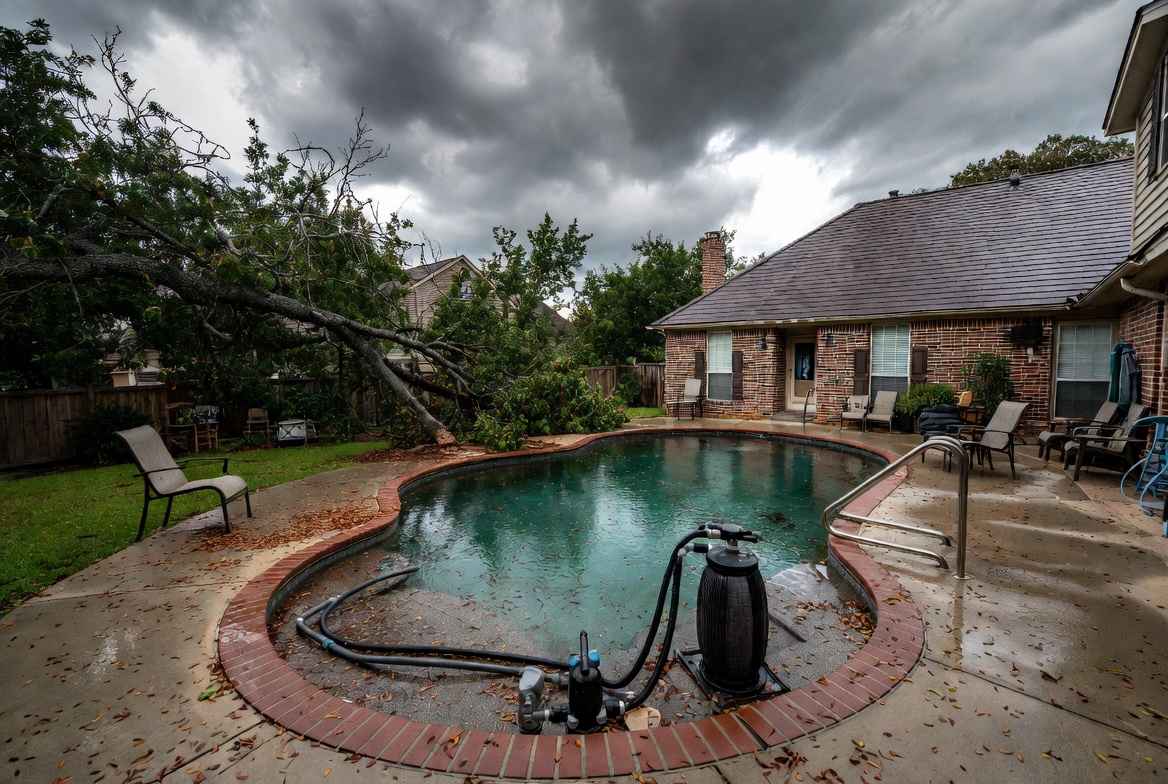
4. Gas heater — fastest heating, highest operating cost. Gas heaters cost $1,500 to $4,500 installed and run $200 to $600 per month depending on usage. They heat water fast regardless of air temperature, which makes them the only option that works well in DFW’s coldest winter weeks. But that speed comes at a premium. Gas heaters are best used as a supplement, not a primary heater. Our heater repair guide and heater troubleshooting guide cover common gas heater issues in DFW.
5. Electric resistance heater — not recommended for full-size pools. Electric resistance heaters cost $1,500 to $3,000 installed but run $300 to $800 per month. They’re incredibly expensive to operate because they convert electricity directly to heat with no efficiency multiplier. Fine for small spas, terrible for a full pool. If you’re looking for the cheapest way to heat a pool, this is the opposite.
The Smart Combos — How to Heat a Pool Cheaply in Texas
Budget combo: solar cover plus heat pump. The cover retains heat for free, the heat pump does the heavy lifting efficiently. Monthly cost: $50 to $125. This is what most DFW homeowners should do.
Performance combo: heat pump for daily maintenance plus gas heater as a backup for cold snaps and quick spa heating. Monthly cost: $75 to $200 depending on gas usage. Covers you comfortably 9 to 10 months.
Long-term investment: solar panels plus heat pump. Nearly free heating once solar is paid off, with the heat pump covering cloudy days and shoulder months. Monthly cost after solar payback: $25 to $75. According to HomeAdvisor’s pool data, combination heating strategies reduce annual pool heating spend by 40 to 60% compared to single-method approaches.
Quick Cost Calculator for DFW
For a typical 15,000-gallon DFW pool that needs a 15°F temperature raise: heat pump runs about $75 to $125 per month, gas heater runs $200 to $400 per month, and solar (panels plus cover) runs $0 to $25 per month. Add a solar cover to any method and you cut costs by a third or more just from reduced heat loss overnight. Our pool energy savings guide has the detailed math on optimizing your total pool electricity cost.
People Also Ask
What is the cheapest way to heat a pool in Texas?
A solar cover is the absolute cheapest — $50 to $200, zero operating cost, adds 5 to 15°F. For mechanical heating, a heat pump is the most cost-efficient option at $50 to $150 per month.
How much does it cost per month to heat a pool in DFW?
Heat pump: $50 to $150. Gas heater: $200 to $600. Solar panels: $0 to $10. A solar cover combined with any method reduces costs by 30 to 50%.
Is a heat pump or gas heater better for Texas?
Heat pump for most of the year — it’s 3 to 5 times more efficient. Gas heater only wins in DFW’s coldest weeks when air temps drop below 50°F. Many owners use both.
Do solar pool heaters work in DFW?
Yes. DFW gets 230+ sunny days per year. Solar panels add 10 to 20°F and work well March through November. They’re one of the best long-term pool heating options DFW homeowners can invest in.
Is it worth heating a pool in Texas?
Absolutely. Heating extends your season from about 5 months to 9 or more. A heat pump plus solar cover costs roughly $75 to $125 per month and nearly doubles your annual pool usage. Our DFW pool cost breakdown puts heating in context with total ownership costs.
Want to Swim More Months for Less Money?
PoolBurg helps DFW pool owners find the cheapest way to heat a pool that actually matches their usage and budget. Contact us for a heating recommendation based on your pool size, equipment, and how many months you want to swim. No sales pitch — just honest math.