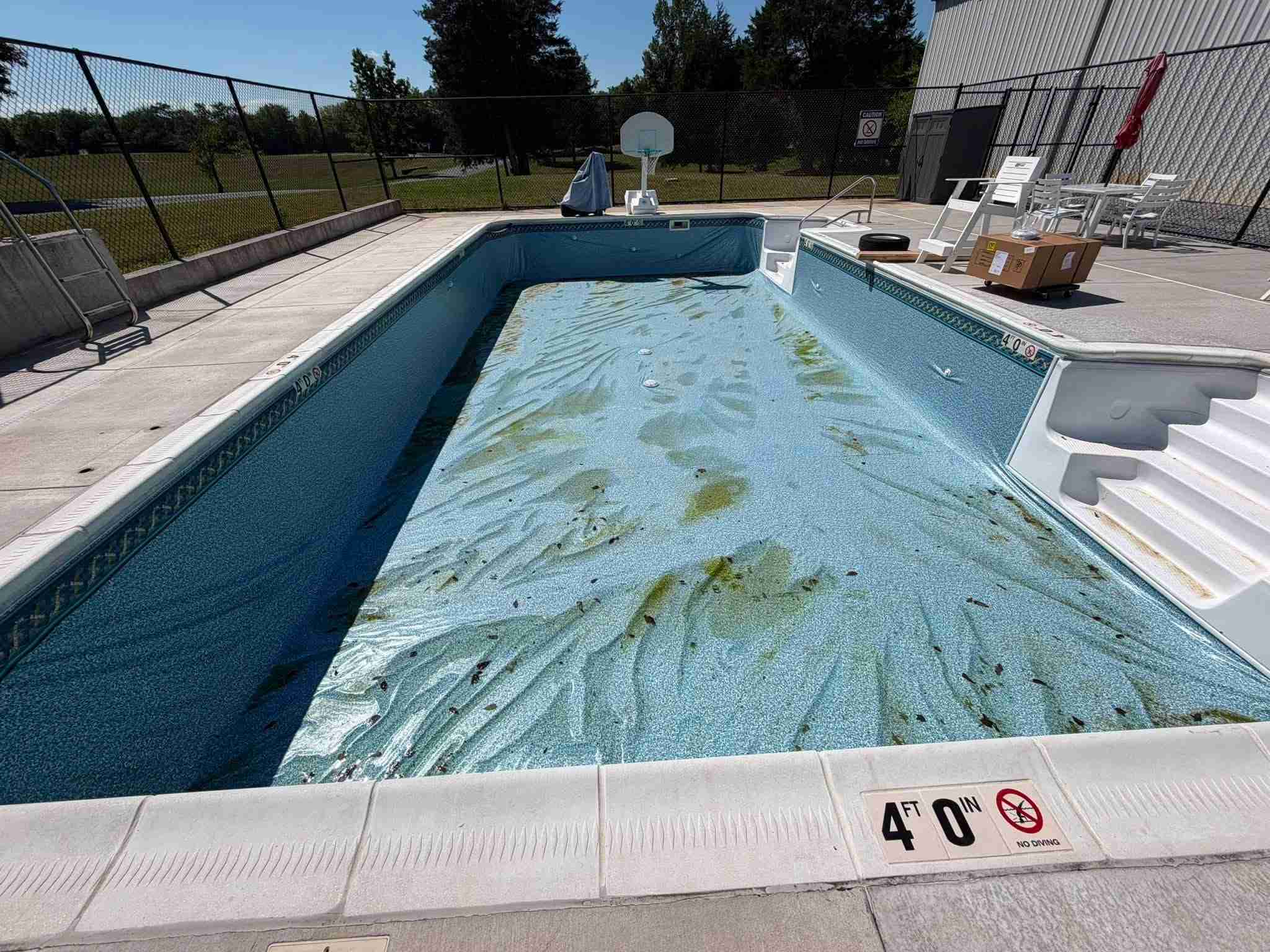
Effective commercial pool repair extends well beyond simply replacing a visibly damaged part. A skilled technician evaluates the entire system—linking water chemistry, chemical feed units, circulation, filtration, controls, safety components, and operational logs. Taking this comprehensive approach pinpoints the root cause rather than merely addressing surface-level symptoms.
What a Commercial Pool Repair Company Should Inspect First
A good inspection starts with the complaint, not a parts catalog. The technician should document when the problem began, recent heavy use, alarms, shutdowns, chemical additions, and earlier work. They should compare the controller with independent water tests and observe the equipment pad while it runs.
The Texas public-pool inspection checklist is a useful framework, while Texas DSHS public-pool rules and local code control. A commercial pool repair company should know requirements can vary by venue and jurisdiction.
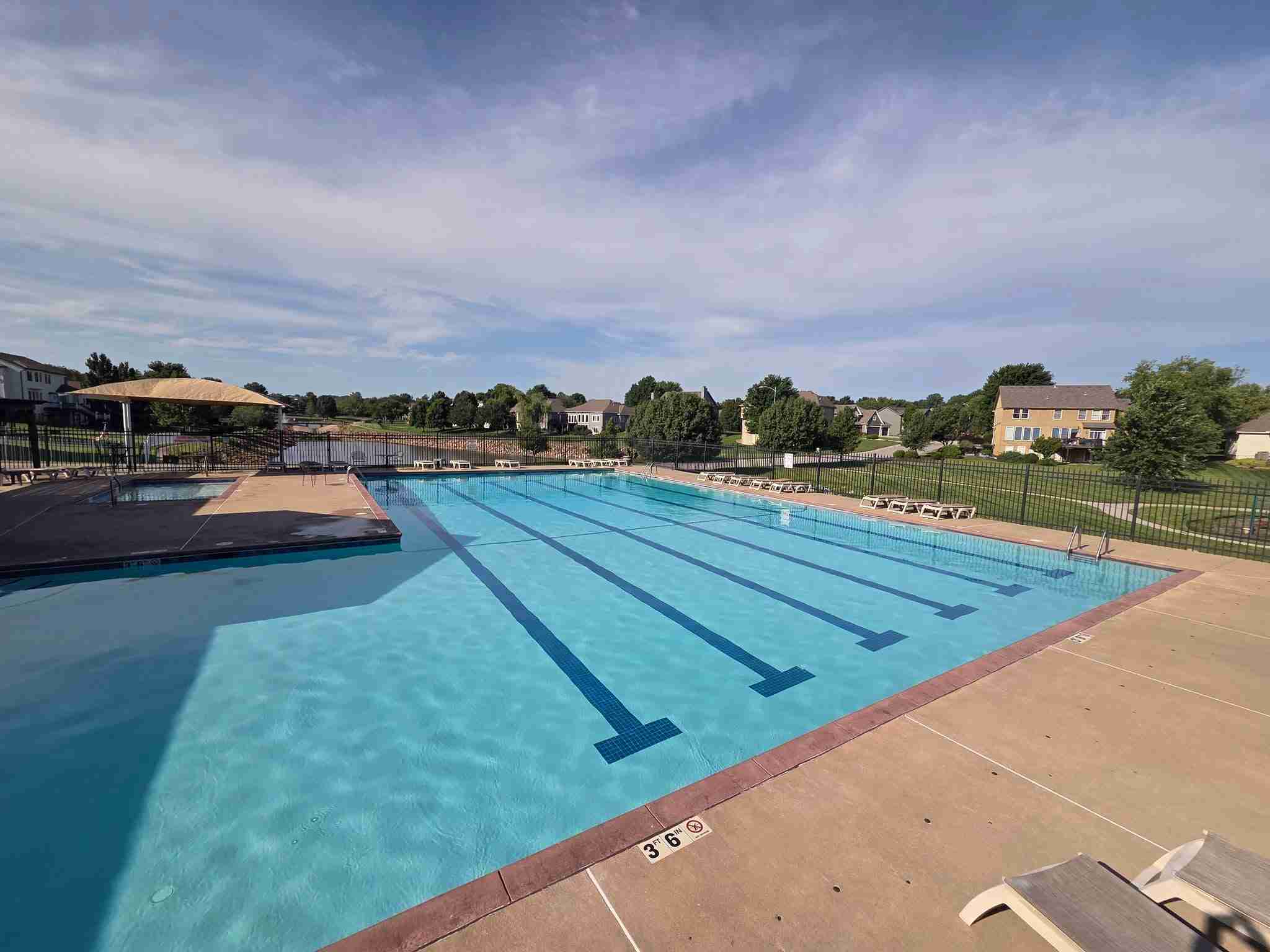
Commercial Pool Repair Starts With Water Quality and Chemical Feed
Test disinfectant, pH, alkalinity, stabilizer, and venue-specific factors instead of trusting one screen. Review chemical logs, then inspect probes, calibration, tubing, injection points, check valves, chemical levels, setpoints, and alarms. A drifting probe can overfeed or underfeed while its display looks reassuring.
The CDC public-pool operating guidance connects water quality with records, recirculation, filtration, and maintenance. Its pool-chemical safety guidance calls for trained staff, compatible storage, protective equipment, and safe shutdown before servicing feed or recirculation equipment. Commercial pool repair is no place for blind chemical additions or bypassed safeties.
Inspect Circulation, Filtration, and Hydraulic Performance
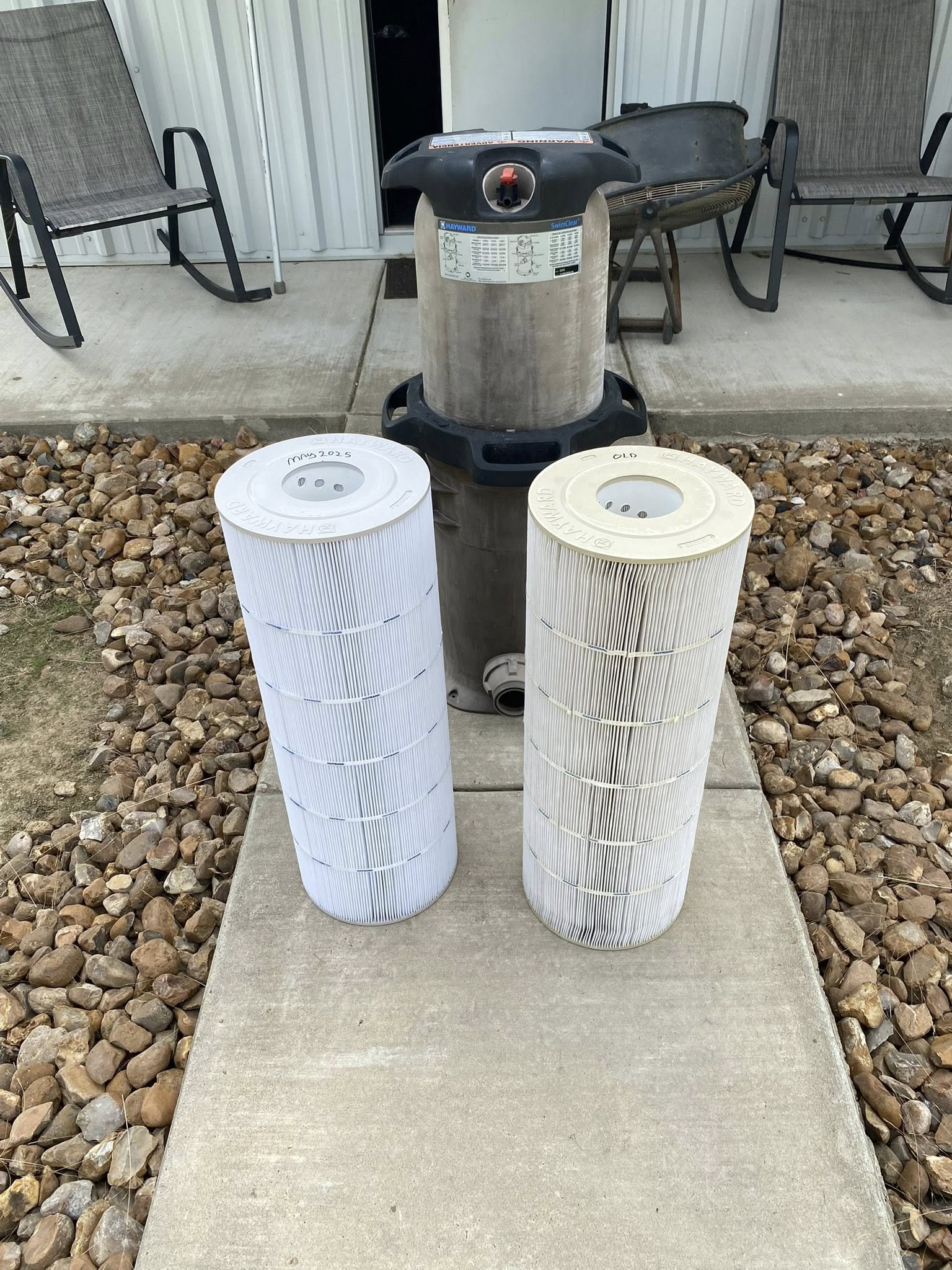
Next, commercial pool repair should trace the water path. Check water level, skimmers, baskets, pump prime, leaks, valves, flow indication, filter pressure, return strength, and dead zones. Inspect the filter media or elements. Low flow may come from a dirty filter, air leak, closed valve, worn impeller, or undersized equipment—not necessarily a failed pump.
Ongoing commercial pool service records help show whether trouble arrived suddenly or built slowly. Confirm that flow and pressure switches work rather than bypassing them. CDC’s 2024 Model Aquatic Health Code treats failed or bypassed critical interlocks as a closure concern.
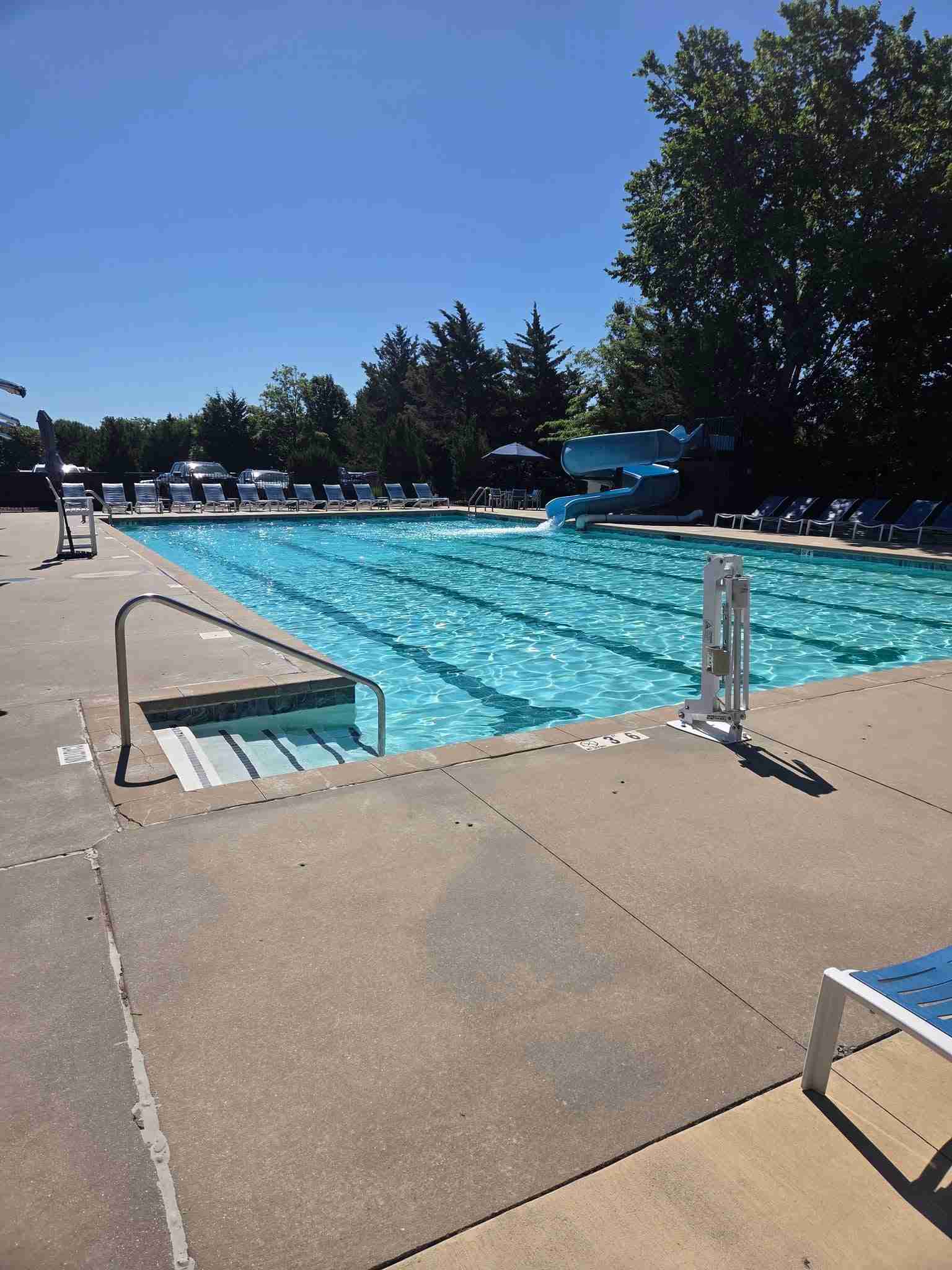
Commercial Pool Equipment Repair Must Test Controls and Power
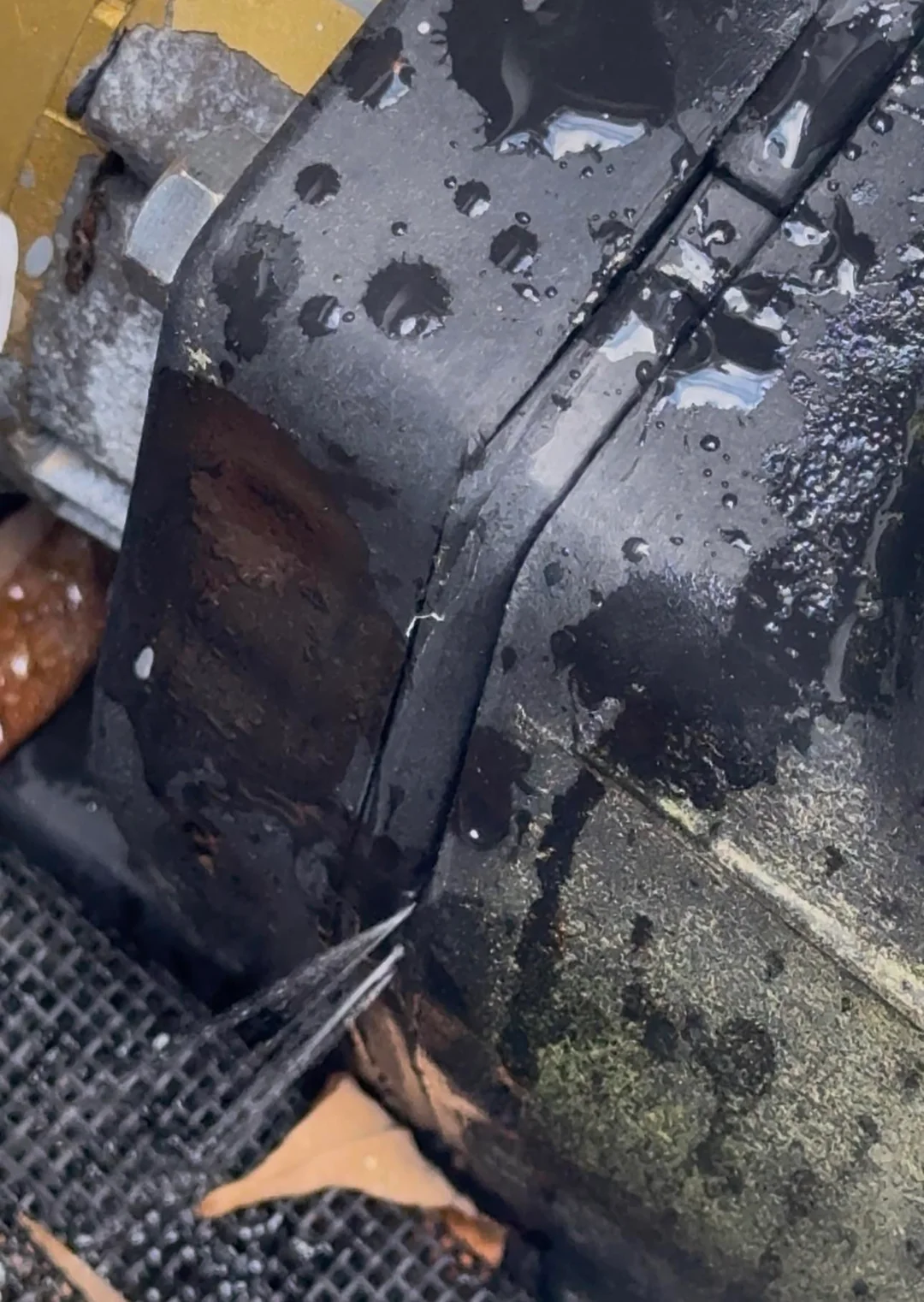
Commercial pool equipment repair can involve pumps, drives, filters, heaters, valves, sensors, relays, automation, and chemical controllers. Test how they interact. A heater lockout may be responding to low flow, while a pump fault may trace to a drive, relay, or supply problem.
An authorized professional should check electrical enclosures for moisture, heat damage, loose connections, protection, and bonding concerns. Texas electrical licensing guidance distinguishes equipment service from regulated electrical repair. Professional commercial pool repair should identify when a licensed electrician or manufacturer specialist is needed.
Safety, Structure, and Records Belong in the Same Inspection
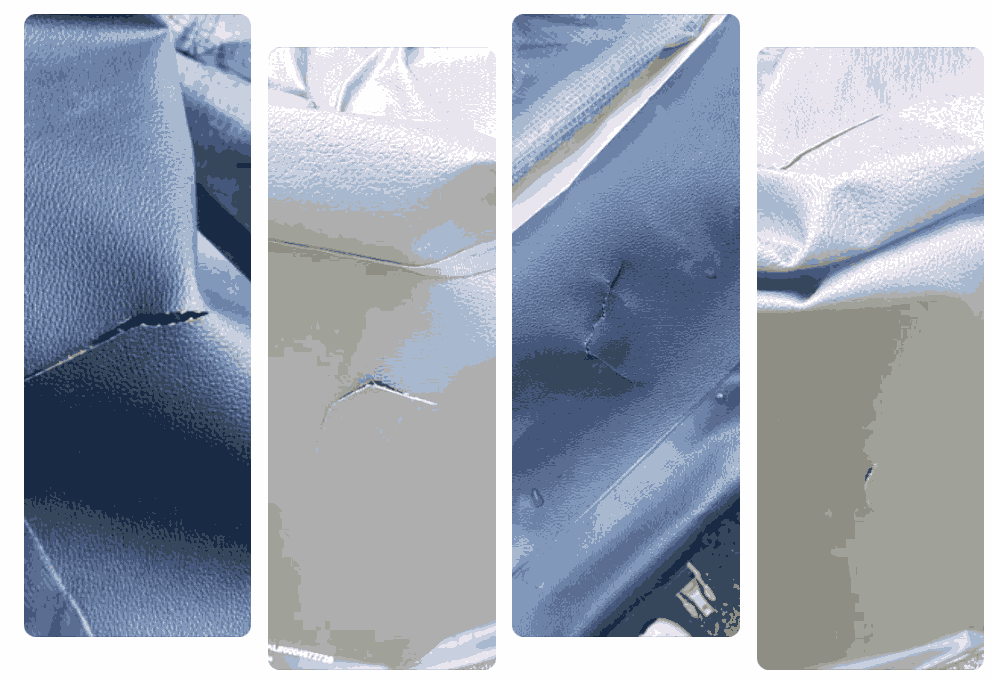
Before reopening, inspect clarity, drains and covers, gates, latches, handrails, depth markers, deck hazards, emergency equipment, leaks, and visible damage. The CPSC drain-cover requirements explain federal anti-entrapment obligations. The CDC aquatic inspection toolkit supports inspections at apartments, hotels, gyms, schools, and HOA venues.
Finish the commercial pool repair inspection with readings, failed tests, photos, closure decisions, parts needed, and post-repair verification. Clear documentation helps managers approve the right work.

People Also Ask
What should a commercial pool repair company inspect?
It should inspect chemistry, chemical feed, circulation, filtration, equipment, controls, electrical protection, safety systems, structure, and records as one connected system.
Should a commercial pool close when circulation or chemical feed fails?
Often, yes. A venue should not remain open when required disinfection, recirculation, clarity, or safety systems cannot be maintained.
Is cloudy water always a chemistry problem?
No. Poor filtration, low flow, heavy use, debris, or a faulty feed system can produce the same symptom.
How often should commercial pool water be tested?
Frequency depends on venue classification, staffing, automation, and local rules. Follow the applicable code and keep required records.
What records should a property manager keep?
Keep test results, chemical additions, alarms, closures, inspections, maintenance, repairs, and reopening verification.
Can an apartment pool use a residential repair company?
Apartment pool repair needs a provider experienced with public-pool rules, higher-use equipment, documentation, and the local jurisdiction.
What causes repeat commercial pool equipment failures?
Common causes include restricted flow, poor chemistry, neglected filters, leaks, moisture, electrical trouble, bad sizing, and symptom-only repairs.
How quickly can a commercial pool reopen after repair?
Reopen only after equipment works, required water quality and clarity return, safety concerns are resolved, and verification is complete.
Get a Clear Repair Plan Before Reopening
PoolBurg provides commercial pool repair across Frisco, Plano, McKinney, Allen, Carrollton, Garland, Mesquite, Wylie, and nearby DFW communities. For apartment pool repair, hotel and resort pool repair, or broader pool equipment repair, PoolBurg can inspect water, equipment, controls, and safety systems before recommending work. The result is a prioritized plan and a safer return to service.