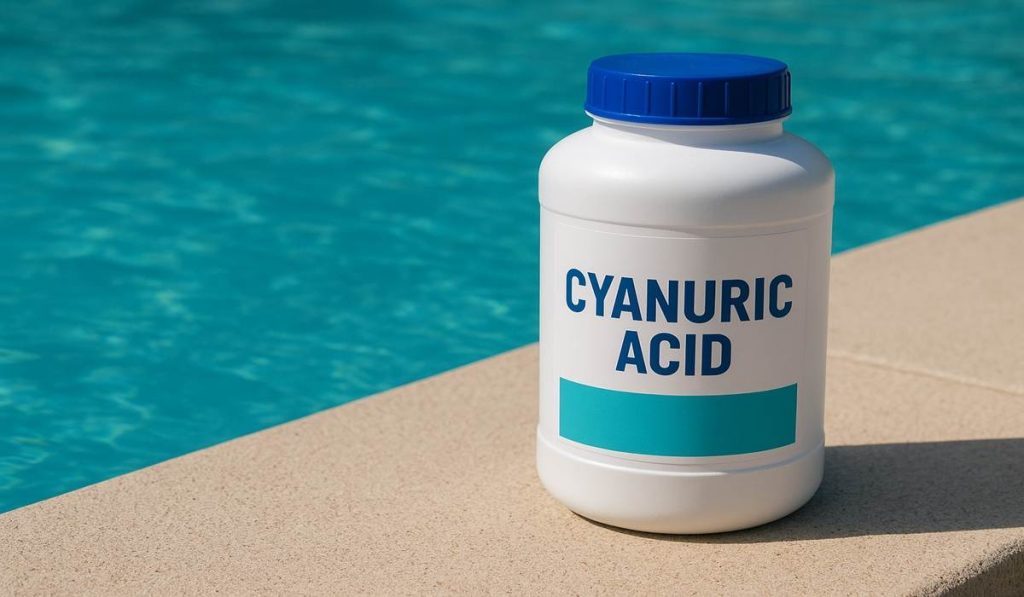
Is your cyanuric acid too high? If you’ve been relying on those 3-inch “hockey puck” tablets for more than a few months here in Frisco or Plano, I’d bet a case of liquid chlorine that the answer is a resounding yes. In my 35 years of keeping North Texas water blue, I’ve seen this chemical—also known as stabilizer or conditioner—transform from a pool owner’s best friend into their biggest nightmare.
While it acts like a liquid sunscreen for your chlorine, too much of it creates a chemical cage known as a chlorine lock, leaving your family swimming in unsanitized water. This guide breaks down the unvarnished truth about why this happens and the only reliable methods for how to lower cyanuric acid before the August heat turns your oasis into a science experiment.
What Is Cyanuric Acid (CYA) and Why Does It Matter?
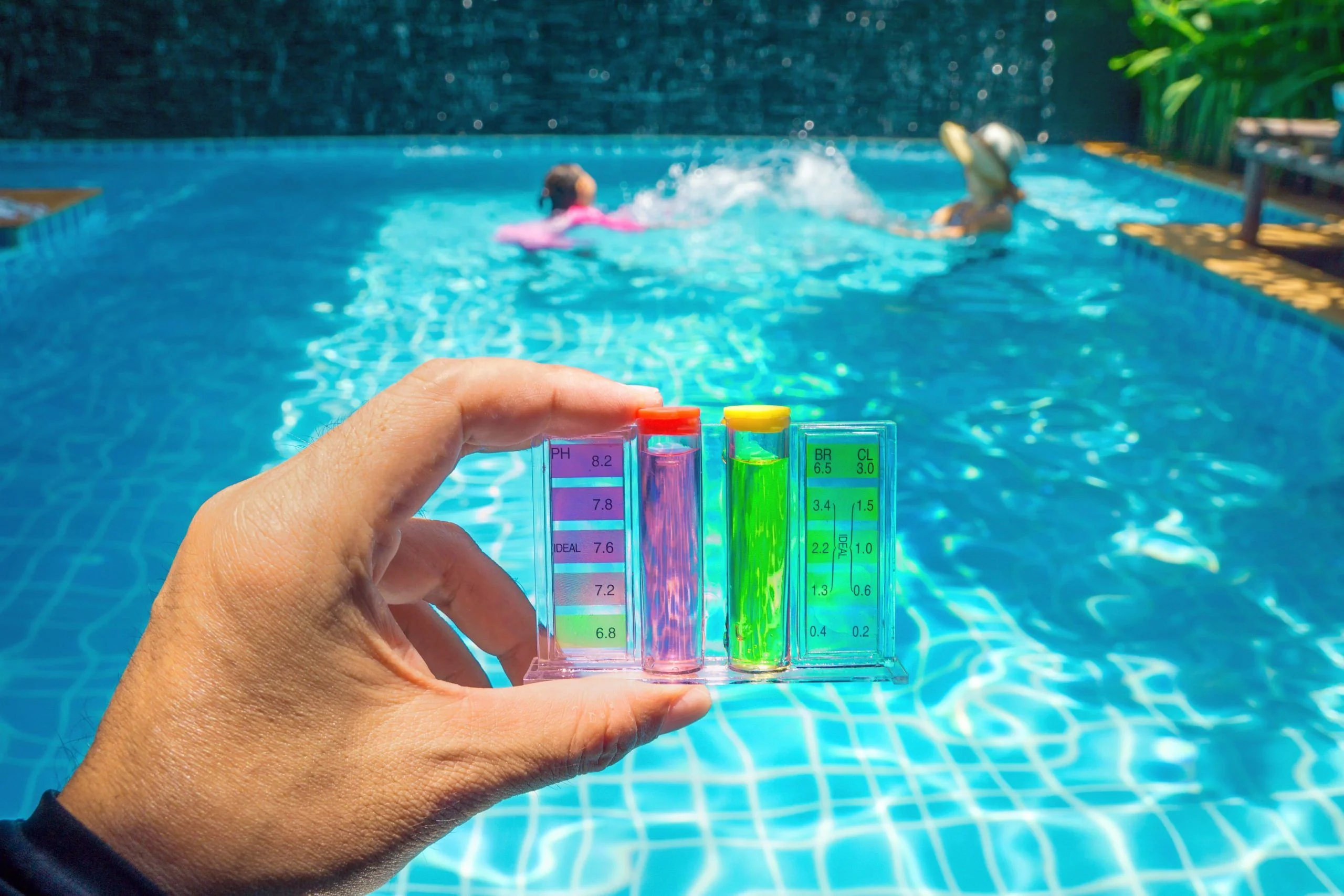
Think of Cyanuric Acid (CYA) as the bodyguard for your sanitizer. Without it, the intense North Texas sun would burn off 90% of your free chlorine in about two hours. Properly managed, it shields your chlorine from UV rays, allowing it to stay in the water longer.
The PHTA recommends keeping CYA between 30 and 50 parts per million (ppm). If you have a saltwater pool, we usually let it drift to 70–80 ppm to help the generator keep up. The catch? CYA is like a guest that never leaves. It doesn’t evaporate, it doesn’t break down, and it doesn’t filter out. Once it is in your water, it only goes up.
Why Your Cyanuric Acid Too High in DFW Pools
The #1 reason DFW homeowners end up with their cyanuric acid too high is an addiction to stabilized chlorine tablets (trichlor). Every single 3-inch tablet you drop into a floater is roughly 55% cyanuric acid by weight.
In a 15,000-gallon pool in McKinney or Allen, using just two tablets a week adds about 10 ppm of CYA every single month. By July, those “convenient” tablets have pushed your levels into the danger zone. When you combine this with our brutal DFW evaporation rates—which can hit two inches a week—the CYA becomes more concentrated as the water disappears. This is the most common chemical mistake we see across the Metroplex.
What Happens During a Chlorine Lock?
This is where the science gets frustrating for homeowners. At high levels, CYA bonds so tightly to your chlorine that the sanitizer can’t move fast enough to kill bacteria or algae. We call this a chlorine lock.According to Orenda’s research, high levels of Orenda Technologies, which is the measurement of how fast your chlorine actually works. When you hit a chlorine lock, you might have 5 ppm of chlorine on your test kit, but it is effectively “jailed.”
The CDC even mandate that if CYA is over 15 ppm, the killing speed of chlorine is too slow to handle parasites like Cryptosporidium. If your pool is cloudy or turning green despite high chlorine readings, you are likely facing a chlorine lock.
What CYA Level Is Too High?
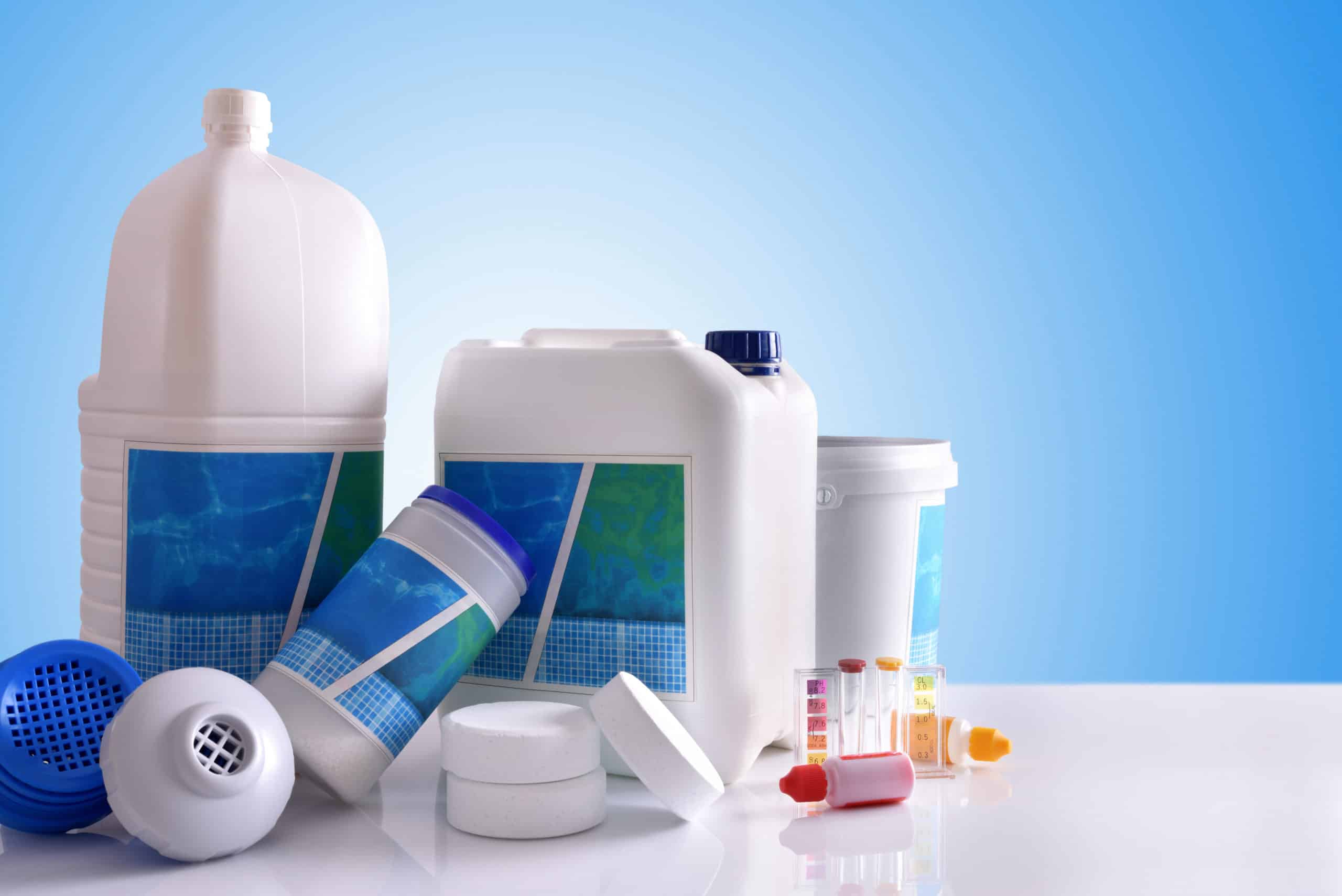
For standard chlorine pools, anything over 80 ppm is problematic, and 100+ ppm is a crisis. At 150 ppm, your pool is chemically unmanageable. DFW tap water is already “liquid rock,” often testing at over 300 ppm for calcium. When you mix high calcium with a chlorine lock, you get false alkalinity readings and aggressive water that can etch your plaster.
How to Lower Cyanuric Acid in Your DFW Pool
If you search the web for how to lower cyanuric acid, you’ll find “enzymatic reducer” products. In our experience, these are hit-or-miss at best. They often fail in the Texas heat if your chlorine is above 5 ppm, which is almost always the case when someone is fighting an algae bloom.
The Dilution Method (The Gold Standard)
The only proven way on how to lower cyanuric acid is a partial drain and refill. If you drain 50% of your water and refill with fresh tap water, your CYA level drops by 50%. However, you have to be careful with our shifting DFW clay soil. Draining a pool too fast during a dry spell can cause the shell to “pop” or heave. We always recommend a series of 25% partial drains over several days. Check out our safe drain and refill guide to avoid structural damage.
After Lowering—How to Keep it Low
Once you’re back in the 30–50 ppm range, stop the “tablet addiction.” Switch to liquid chlorine (sodium hypochlorite), which adds zero CYA. This is a core part of managing effectively.
People Also Ask About Cyanuric Acid Too High
What causes high cyanuric acid in a pool?
It’s almost always the prolonged use of stabilized chlorine tablets (trichlor) or granular shock (dichlor).
How do I lower CYA without draining my pool?
Reverse Osmosis (RO) filtration is an option, but it costs $1,000+ per session. For most, a series of partial drains is more practical.
What is chlorine lock and how do I fix it?
Chlorine lock happens when CYA levels are so high they “jail” your chlorine. The only reliable fix is lowering the CYA through dilution.
Do chlorine tablets raise CYA?
Yes. For every 10 ppm of chlorine added by a trichlor tablet, you also add 6 ppm of cyanuric acid.
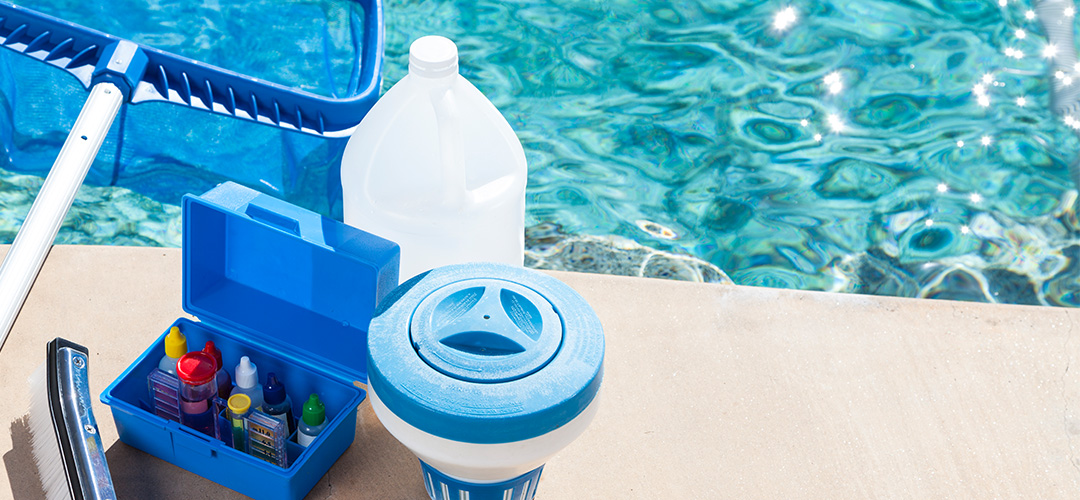
How often should I test CYA in my pool?
We recommend testing monthly. Since it doesn’t dissipate, you only need to check it often enough to catch the “creep” before it hits a chlorine lock.
PoolBurg Manages CYA So You Don’t Have to Worry About It
At PoolBurg, we are the guardians of your North Texas water. We don’t just “scoop and run.” We test your CYA levels monthly and use liquid chlorine as our primary sanitizer to ensure your pool never hits a chlorine lock crisis. Mayo Clinic experts note that proper water balance is the only way to avoid skin and eye irritation for swimmers. Let us handle the chemistry so you can just enjoy the swim.
Think your CYA might be too high? PoolBurg tests it and fixes it—schedule a water analysis today.