Pool multiport valve replacement is one of those tasks that sounds incredibly technical, but if you have a sand or DE filter at your home in Frisco or Plano, it is the most critical piece of gear you own. I like to tell my neighbors that the multiport valve is basically the “GPS” of your pool’s plumbing. It tells the water exactly where to go—whether that’s into the filter, out the backwash line, or straight into the waste.
When you have a multiport valve leaking, your entire circulation system loses its way. You end up wasting water, flushing expensive chemicals down the drain, and eventually, the water turns cloudy because it’s bypassing the filter media entirely. This guide walks you through the symptoms of a failing valve and helps you decide when a pool multiport valve replacement is a smarter move than a simple gasket fix.
What Is a Multiport Valve and Why Is It Important?
If you look at the top or side of your filter tank, you’ll see a large plastic housing with a handle and six distinct positions. That is your multiport valve. Its job is to manage the directional logic of your water flow. When it works, it is invisible. When it fails, your backyard oasis quickly becomes a high-maintenance nightmare. In DFW, our hydraulic systems are under constant stress from mineral-heavy water and the intense Texas sun, meaning these valves often reach their limit sooner than they would in cooler climates.
Common Multiport Valve Problems in North Texas
Most valve issues in North Texas start because of our unique environment. Our source water—often from limestone-rich lakes like Lavon or Lewisville—is essentially “liquid rock,” frequently testing at 10 to 17 Grains per Gallon (GPG) of hardness.
Leaking from the Backwash Port
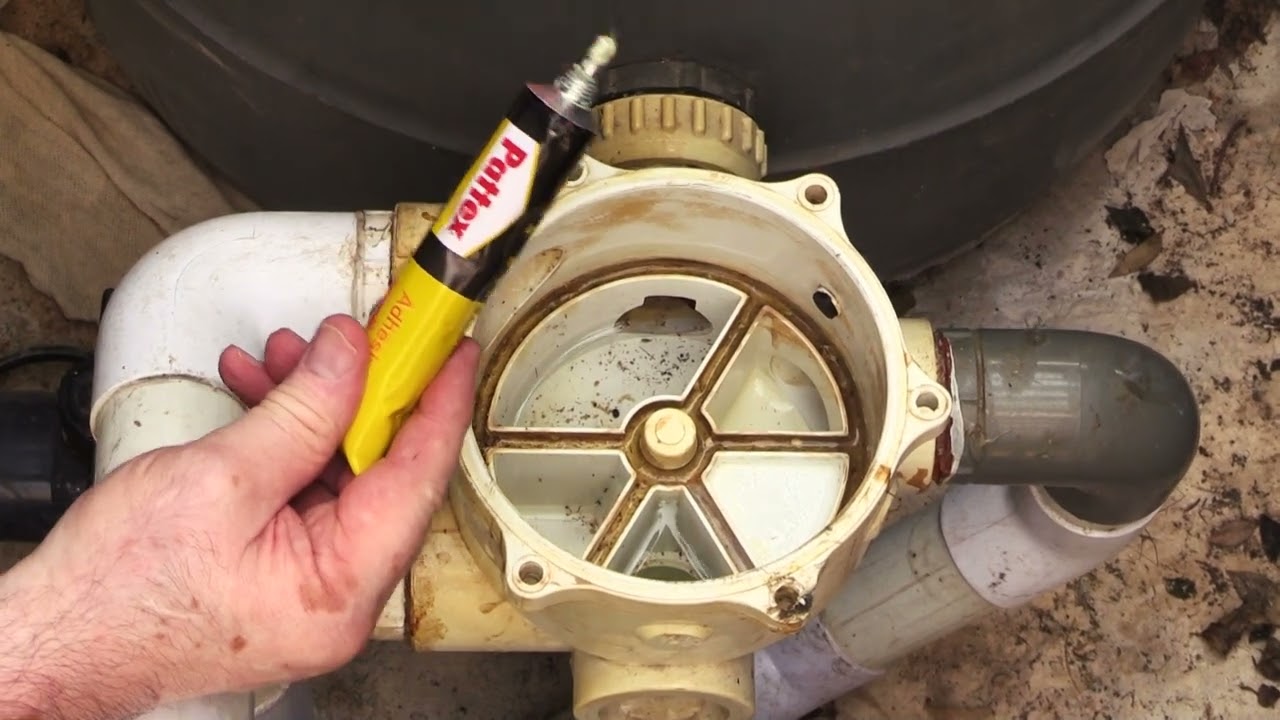
This is the #1 issue we see. You are in “Filter” mode, but you notice a constant trickle of water coming out of your backwash hose. This happens because the internal “spider gasket”—the wagon-wheel-shaped seal inside—has torn or unseated. This multiport valve leaking into the waste line is a silent budget killer, as you’re losing chemically treated water 24/7.
Handle Stuck or Hard to Turn
If you have to put your whole weight into moving the handle, stop immediately. Mineral buildup on the internal stem or a swollen gasket is usually the culprit. Forcing it will almost certainly crack the plastic valve body, turning a $20 repair into a full pool multiport valve replacement.
Leaks Around the Valve Body
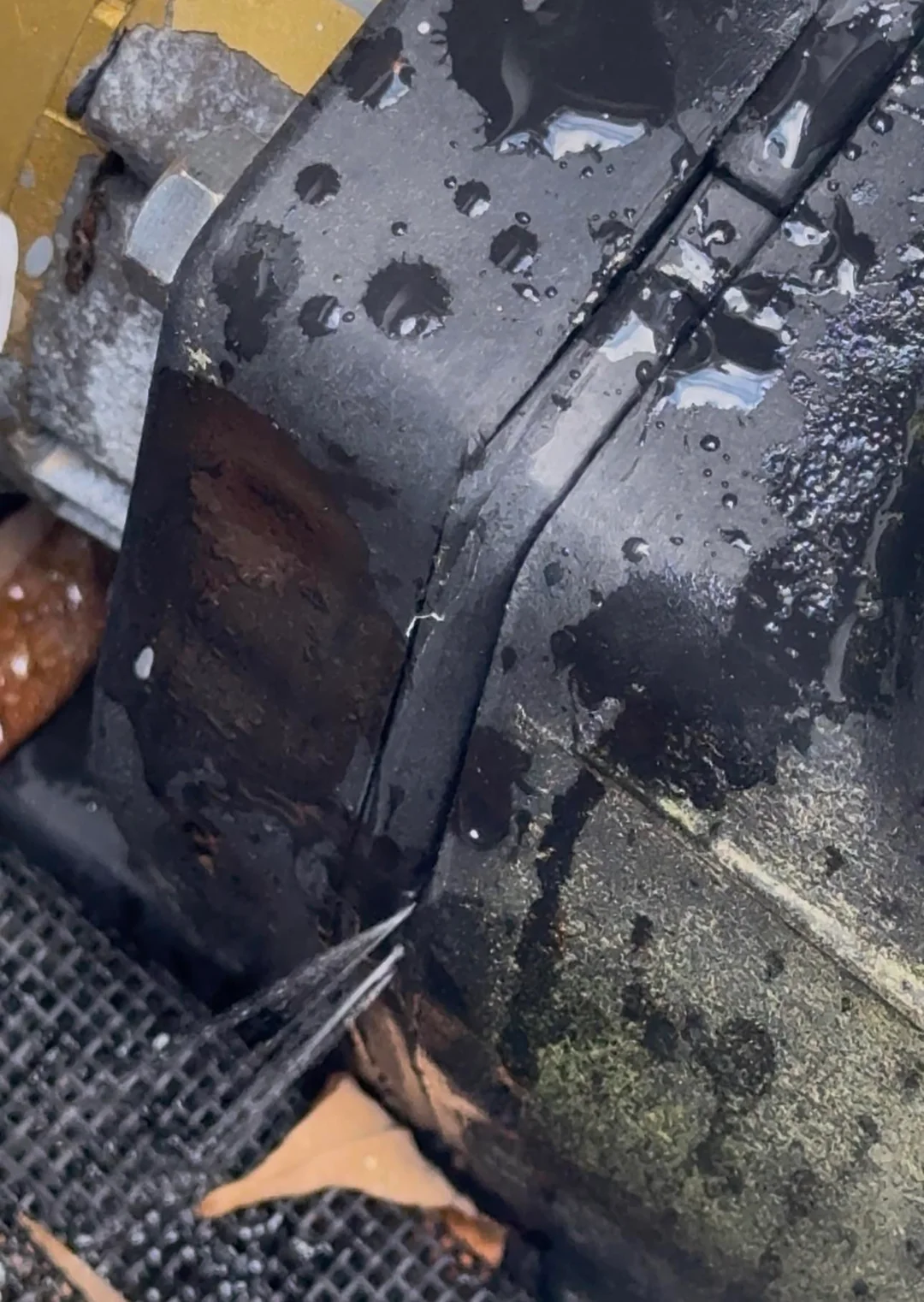
DFW’s extreme UV exposure degrades plastic. Over time, the housing can develop hairline fractures. If you see water seeping from a crack in the valve itself, there is no “patch” that will hold up to the 20+ PSI of pressure your pump produces.

Pool Multiport Valve Replacement vs. Repair
When I assess a valve, I look at the math. A simple spider gasket replacement costs about $15 to $35 for the part, but the labor to scrape out the old glue and seat the new one correctly can drive a pro bill to $150 or more.
If your valve is 8 to 12 years old, or if the housing is deteriorated, I usually recommend a full pool multiport valve replacement. New valves from top brands like Pentair or Hayward typically run between $150 and $500. A new valve gives you a fresh start with all new internal components, a strong handle spring, and a perfect seal that should last another decade.
Multiport Valve Brands Common in DFW
In newer Frisco builds, we see a lot of Pentair Tagelus or Triton valves. Older Plano and McKinney pools often rely on Hayward Vari-Flo setups. The good news is that parts for both brands are widely available in North Texas. If you are on our weekly pool service, we keep these “Guardians” in peak shape and can usually spot a failing gasket before it becomes a backyard flood.
How to Prevent Multiport Valve Problems in North Texas
The best way to avoid a pool multiport valve replacement is to use it correctly:
- Winterize: During our DFW freeze events, leave the handle in the “Winter” position. This lifts the diverter and lets water drain so it doesn’t expand and crack the housing.
- Pump OFF: Never move the handle while the pump is running. That “water hammer” effect is the #1 cause of torn gaskets.
- Lube it up: Use a Sim University Multiport Valve once a year to keep the O-rings from drying out.
People Also Ask
Why is my multiport valve leaking from the backwash port?
It is almost always a worn spider gasket. This Wagon-wheel seal is responsible for 80% of internal leaks.
How much does it cost to replace a multiport valve?
Expect a range of $200 to $500 for a professional installation. According to Angi repair data, standard labor rates for pool repairs range from $75 to $150 per hour.
Can I replace a multiport valve spider gasket myself?
You can, but it is tedious. You have to meticulously scrape every bit of old rubber and glue out of the grooves. If you leave even a tiny bit of residue, the new seal will fail within weeks.
How long do multiport valves last?
With proper lubrication and by always turning the pump off before switching positions, a quality valve should last 7 to 12 years in Texas.
PoolBurg Repairs and Replaces Multiport Valves Across DFW
At PoolBurg, we are the guardians of your hydraulic health. Whether you have a multiport valve leaking into your yard or it’s simply time for a high-efficiency pool multiport valve replacement, we provide honest, unvarnished advice. We’ll tell you if you can get another season out of your current setup or if it’s time to upgrade.
Multiport valve leaking or stuck? PoolBurg diagnoses and fixes it — schedule valve repair today.