Does a pool add value to your home? If you’re in DFW, the answer is almost always yes — and it’s a stronger yes than the national average. North Texas has the climate, the lifestyle, and the buyer expectations that make pools genuinely worth it. But how much value depends on a handful of factors that most homeowners don’t think about until they’re listing. Whether you’re building, buying, or getting ready to sell, here’s what actually moves the needle on pool home value in this market.
How Much Does a Pool Add Value To A Home?
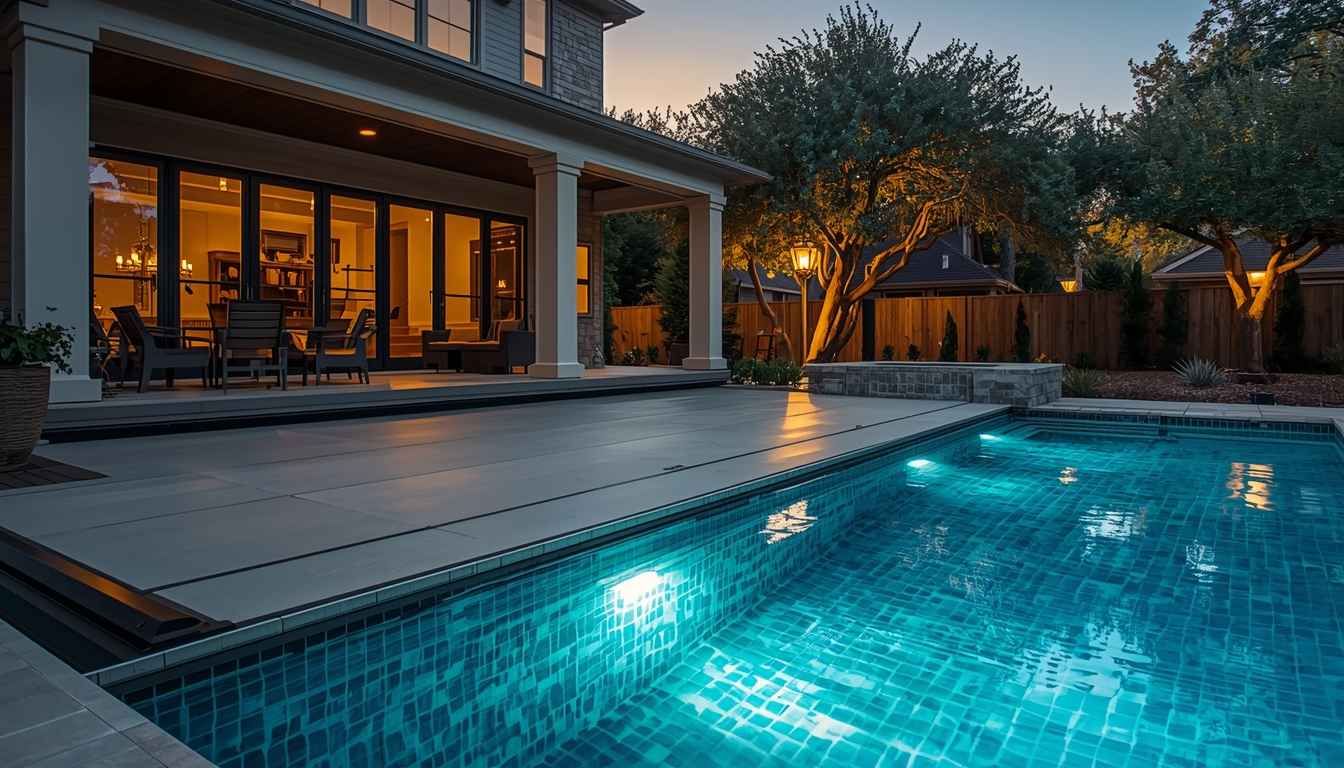
Nationally, a pool adds roughly 5 to 8% to a home’s value. But that number shifts a lot based on climate and region. National Association of Realtors data shows that warm-climate markets consistently see higher returns on pools than cold-weather states. In DFW specifically, a well-maintained pool adds an estimated 7 to 15% to home value — that’s anywhere from $15,000 to $80,000 in real dollars depending on your home’s price point and the pool’s condition. In pool-dense neighborhoods across Frisco, Southlake, Plano, and Prosper, buyers flat out expect a pool. Not having one can actually work against you.
The 7 Factors That Dzecide Pool Home Value in DFW
1. Pool condition.
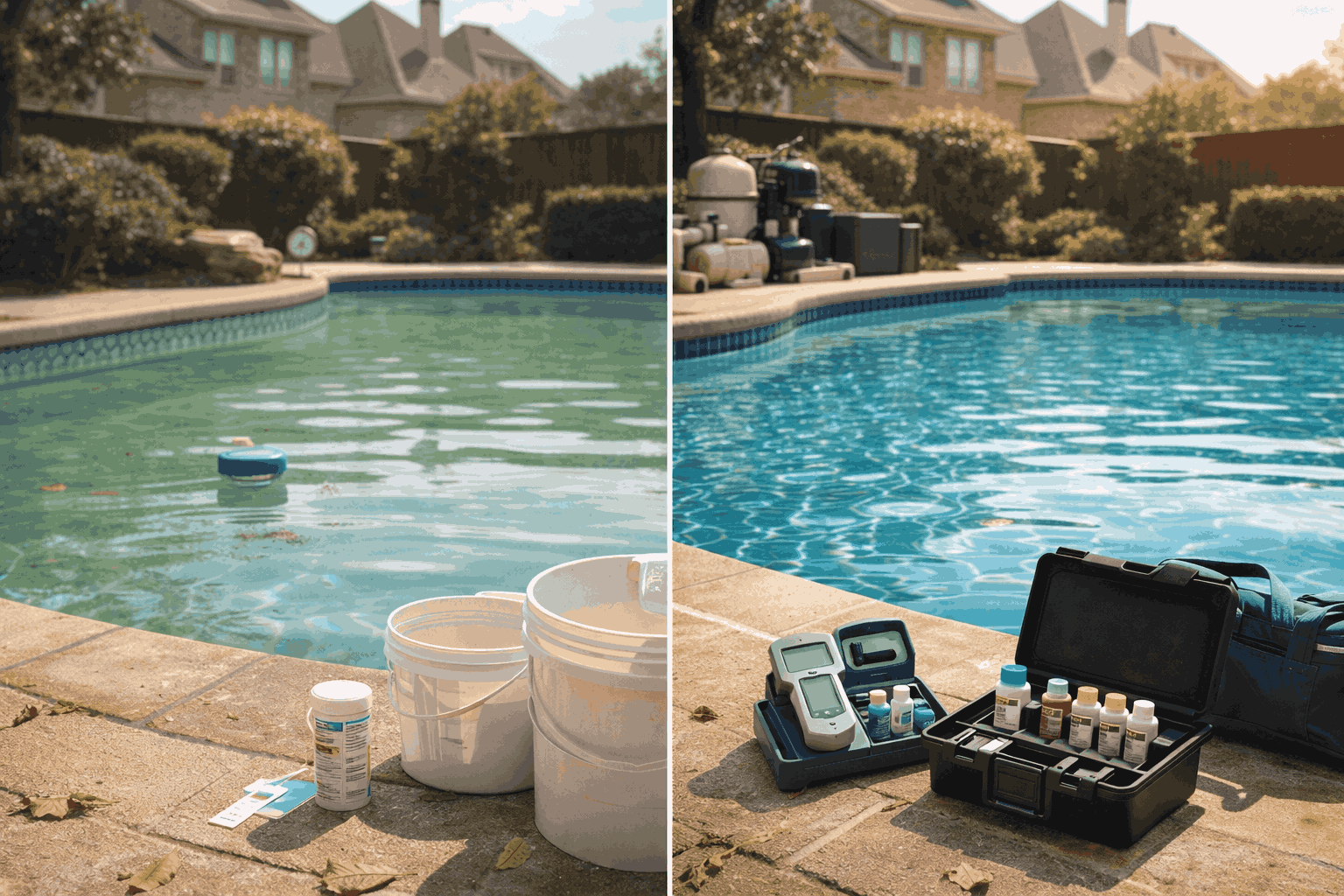
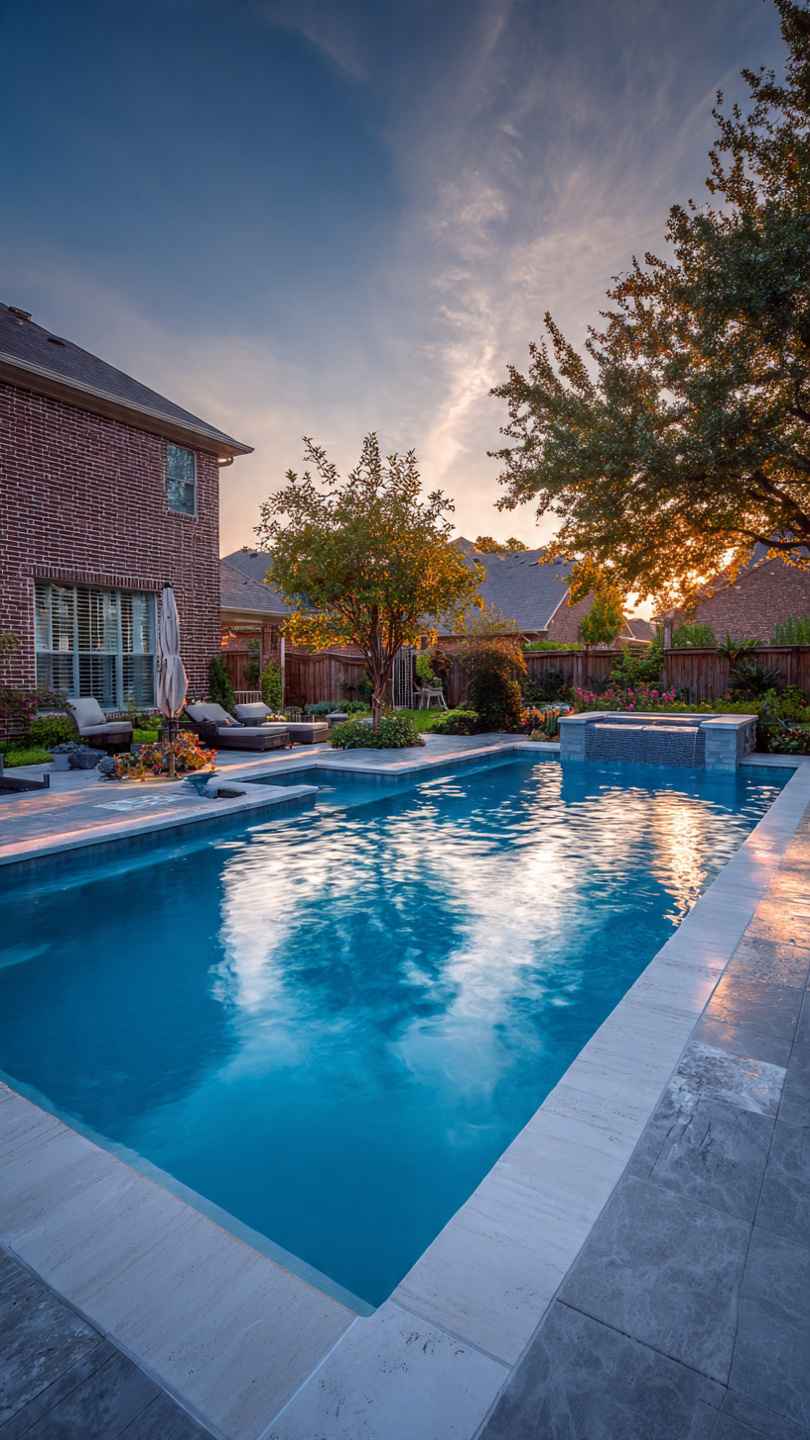
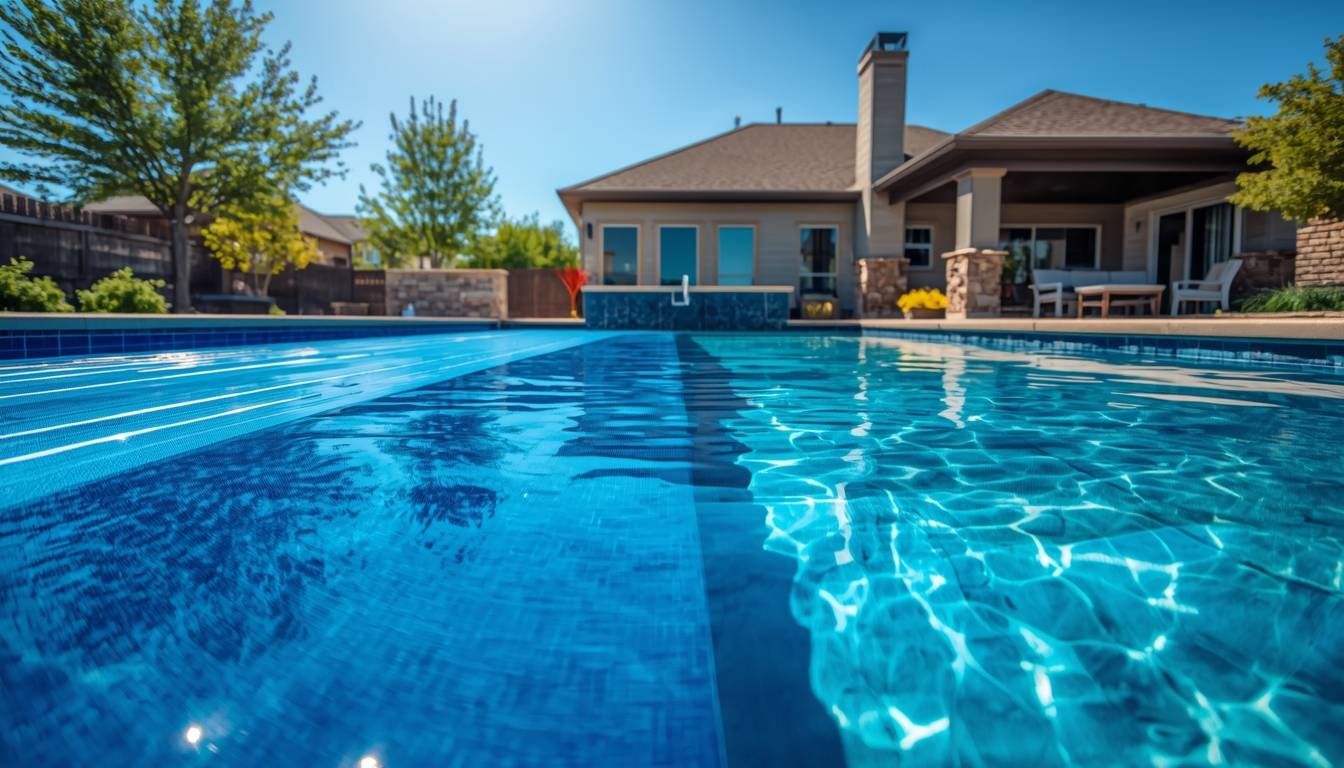
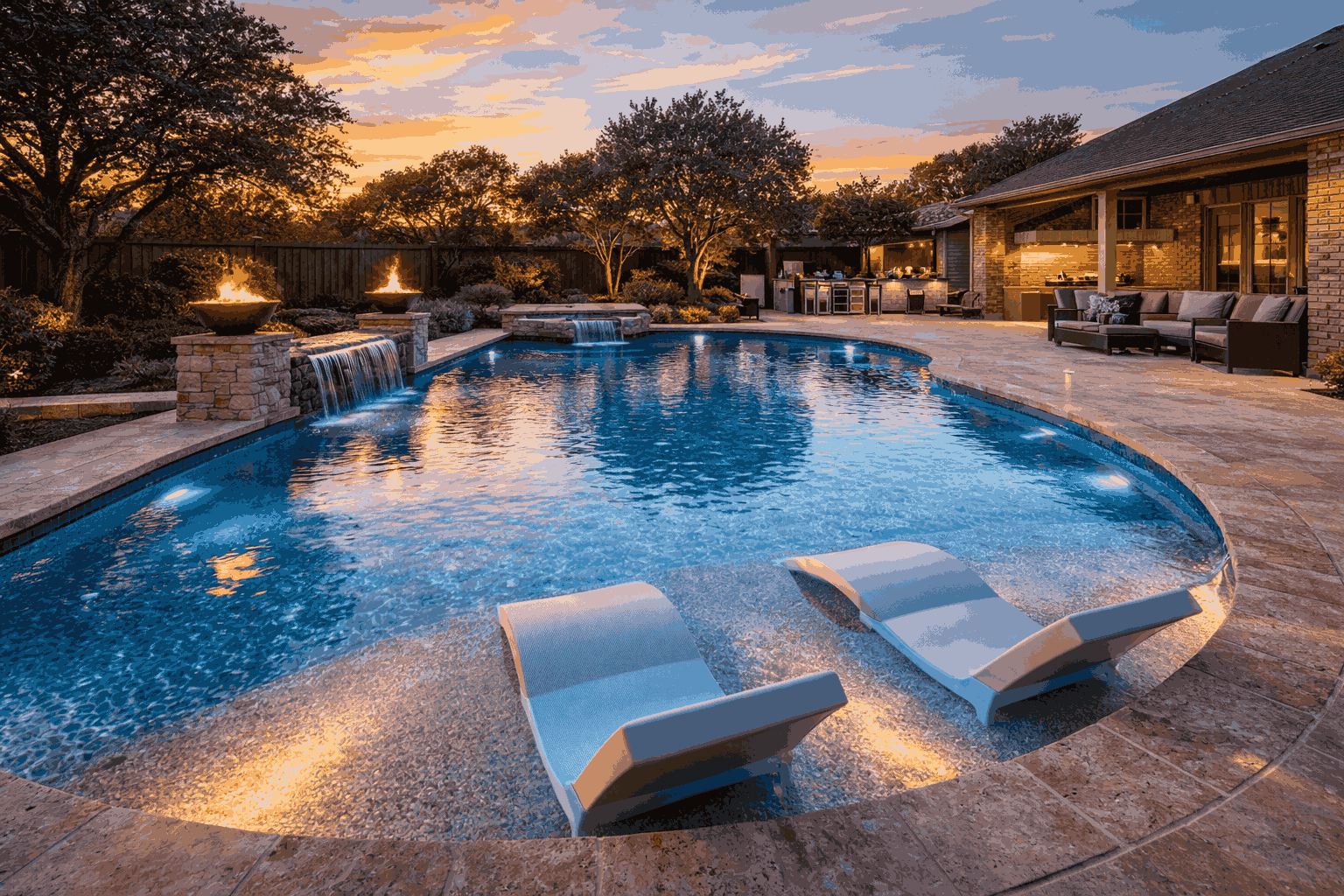
This is the biggest one. A clean pool with good equipment, clear water, and smooth surfaces adds maximum value. A neglected pool with green water and cracked plaster? Buyers see that as a $10,000 to $30,000 liability, not an asset. This is the strongest argument for professional pool maintenance — it protects your investment every single week.
2. Your neighborhood.
In Southlake, buyers expect resort-style outdoor living. In Frisco and Prosper, pools are the standard in new construction. Any Collin County home over $500K without a pool raises questions. In areas like Garland and Mesquite, pools add a higher percentage at lower price points but less raw dollar value. It depends on what buyers in your specific area expect.
3. Buyer demographics.
Families with kids put a pool in their top 3 wishlist features and will pay a premium for move-in ready. Young professionals and empty nesters are more mixed — some see maintenance hassle, others see an outdoor entertaining space they’ll use eight months a year. Pool and spa combos do especially well with the no-kids crowd. According to HouseLogic, buyer perception of pool value is heavily influenced by how the pool looks during showings.
4. Maintenance history.
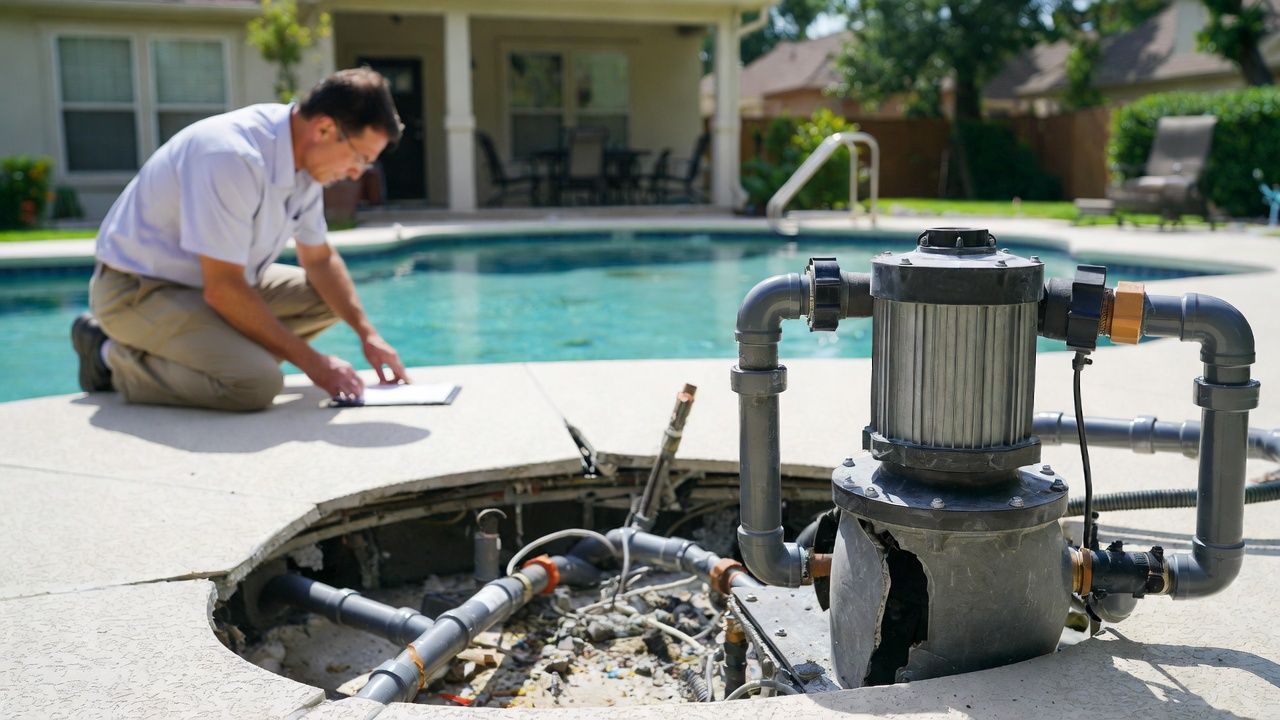
Documented weekly professional service records are gold for sellers. When a buyer asks “was this pool maintained?” your service history answers that definitively. It also helps pass pool inspections — more DFW buyers are requesting them alongside home inspections. Equipment in good shape prevents buyers from negotiating $5,000 to $10,000 off the price.
5. Pre-listing preparation.
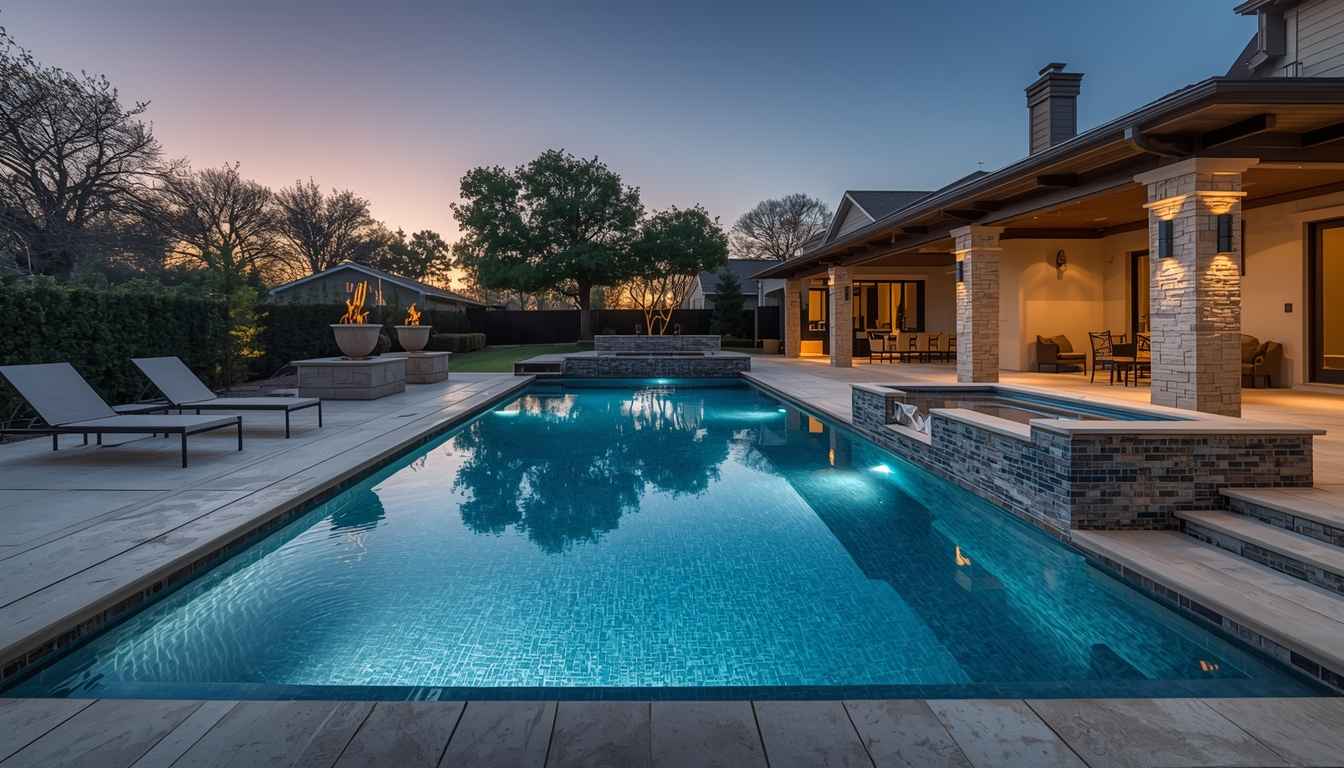
A pre-listing pool package — deep clean, equipment check, water chemistry optimization — costs maybe $200 to $500. The return? Potentially $5,000 to $20,000 in perceived value from a sparkling pool in listing photos. Zillow’s research consistently shows that high-quality pool photos boost listing engagement. First impressions matter, and a clean pool photographs beautifully.
6. Is a pool worth it in Texas specifically?
More than almost anywhere else in the country, yes. DFW gives you 8+ months of swimming weather. The outdoor living culture here is built around backyards, patios, and pools. Texas Realtors data reflects that pool homes in North Texas sell faster and closer to asking price compared to comparable homes without one. The Pool & Hot Tub Alliance reports that Texas leads the nation in new pool construction — demand is real.
7. Pool type and features.
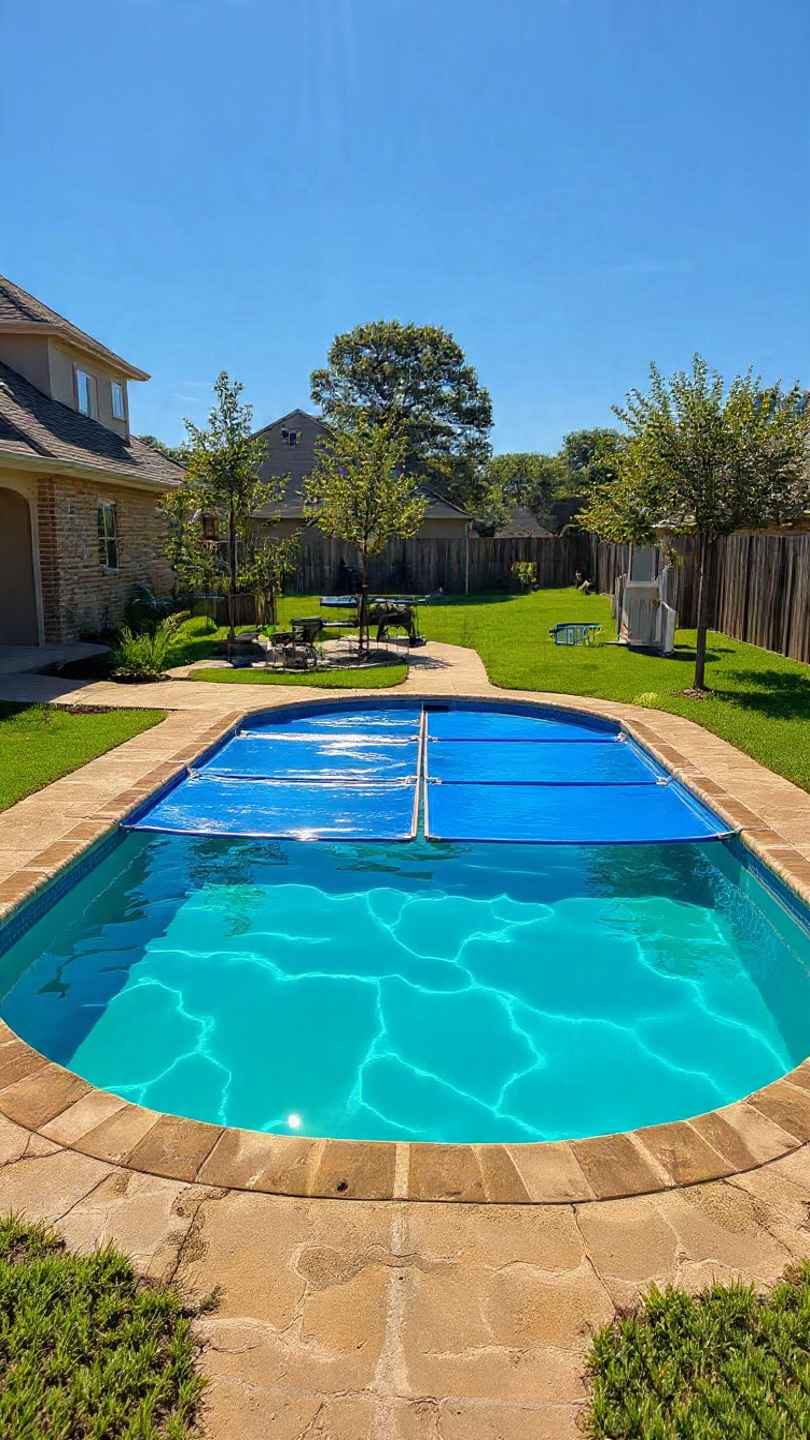
Gunite pools with modern finishes add the most value. Fiberglass pools are close behind and growing in popularity. Above ground pools add very little to resale. Features like automation systems, LED lighting, and variable speed pumps signal a modern, well-equipped pool that buyers recognize as low-hassle and energy efficient.
People Also Ask
Does a pool increase home value in Texas?
Yes. In DFW, a well-maintained pool typically adds 7 to 15% to home value. The warm climate and buyer expectations make pools more valuable here than the national average of 5 to 8%.
How much does a pool add to property value in DFW?
Estimated $15,000 to $80,000 depending on home price, pool condition, neighborhood, and features. Higher-end areas like Southlake and Frisco see the upper range.
Does a neglected pool decrease home value?
Absolutely. Buyers view a neglected pool as a $10,000 to $30,000 liability. Green water, broken equipment, and damaged surfaces scare buyers or trigger aggressive price negotiations. Regular pool upkeep prevents this entirely.
Should I build a pool to increase my home value?
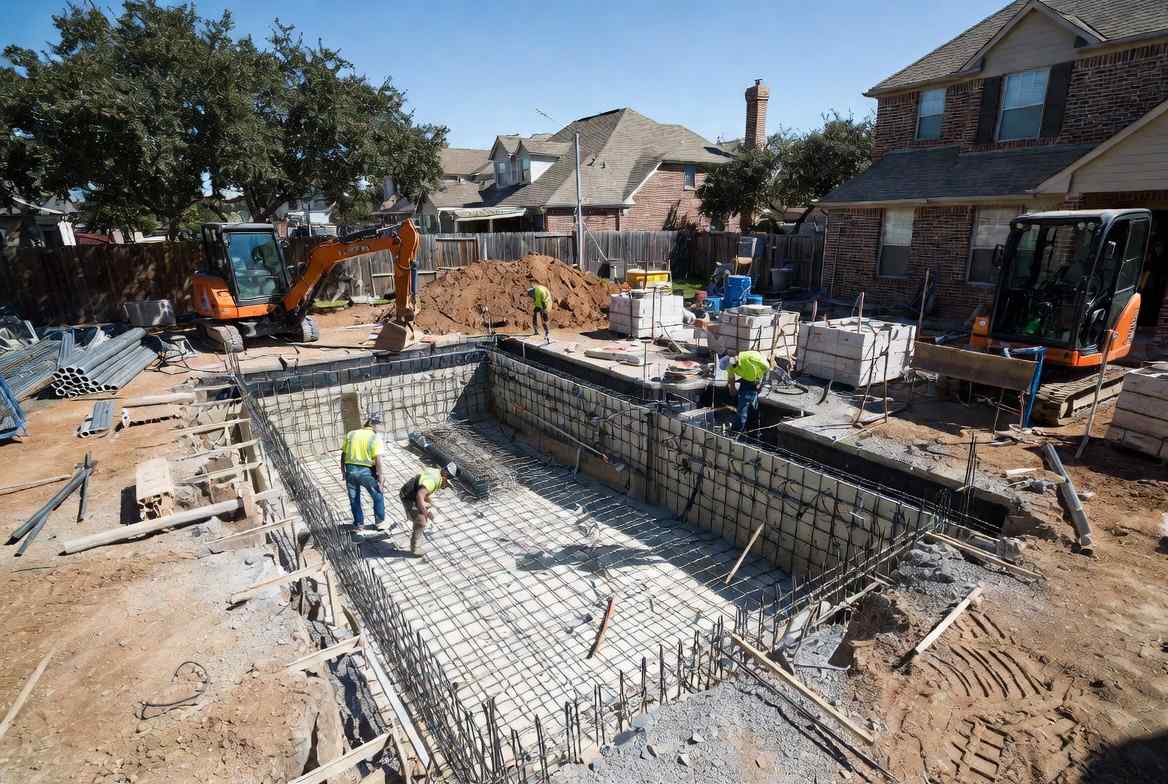
If you plan to stay and enjoy it, building a pool in DFW is a solid investment that you’ll use and recoup a significant portion of at resale. Building purely for resale is riskier — you probably won’t recoup 100% of construction cost, but you’ll make the home more competitive.
Do buyers in Frisco expect a pool?
In many Frisco neighborhoods, yes. Pool-dense communities mean buyers compare pool homes to pool homes. Not having one can put your listing at a disadvantage, especially above the $500K price point.
PoolBurg — Protecting Your Pool Investment and Your Home Value
Whether you’re years from selling or listing next month, professional maintenance keeps your pool in show-ready condition. Contact PoolBurg for weekly service or a pre-listing pool package — we’ll make sure your pool adds value instead of raising questions.