Fixing a leaking swimming pool in Texas is something most homeowners end up dealing with sooner or later, especially with our wild weather swings and that famous DFW clay soil. You’re topping off the water every few days, the bill keeps climbing, and you start wondering if it’s just evaporation or something worse. The truth is, even a tiny leak can waste hundreds of gallons a month and turn into big structural headaches if you ignore it.
The good news? Fixing a leaking swimming pool in Texas is usually straightforward once you know where to look — and catching it early can save you a ton of money and stress.
Why Pool Leaks Are a Serious Problem in Texas
Texas heat causes water to evaporate quickly — making leaks harder to detect. DFW clay soil expands and contracts, which can stress pool plumbing and structures. Even small leaks can waste thousands of gallons of water per month. Ignoring leaks can lead to structural damage, equipment problems, and higher water bills. Early detection and repair can save homeowners thousands in long-term repairs.
How to Tell If Your Pool Is Actually Leaking
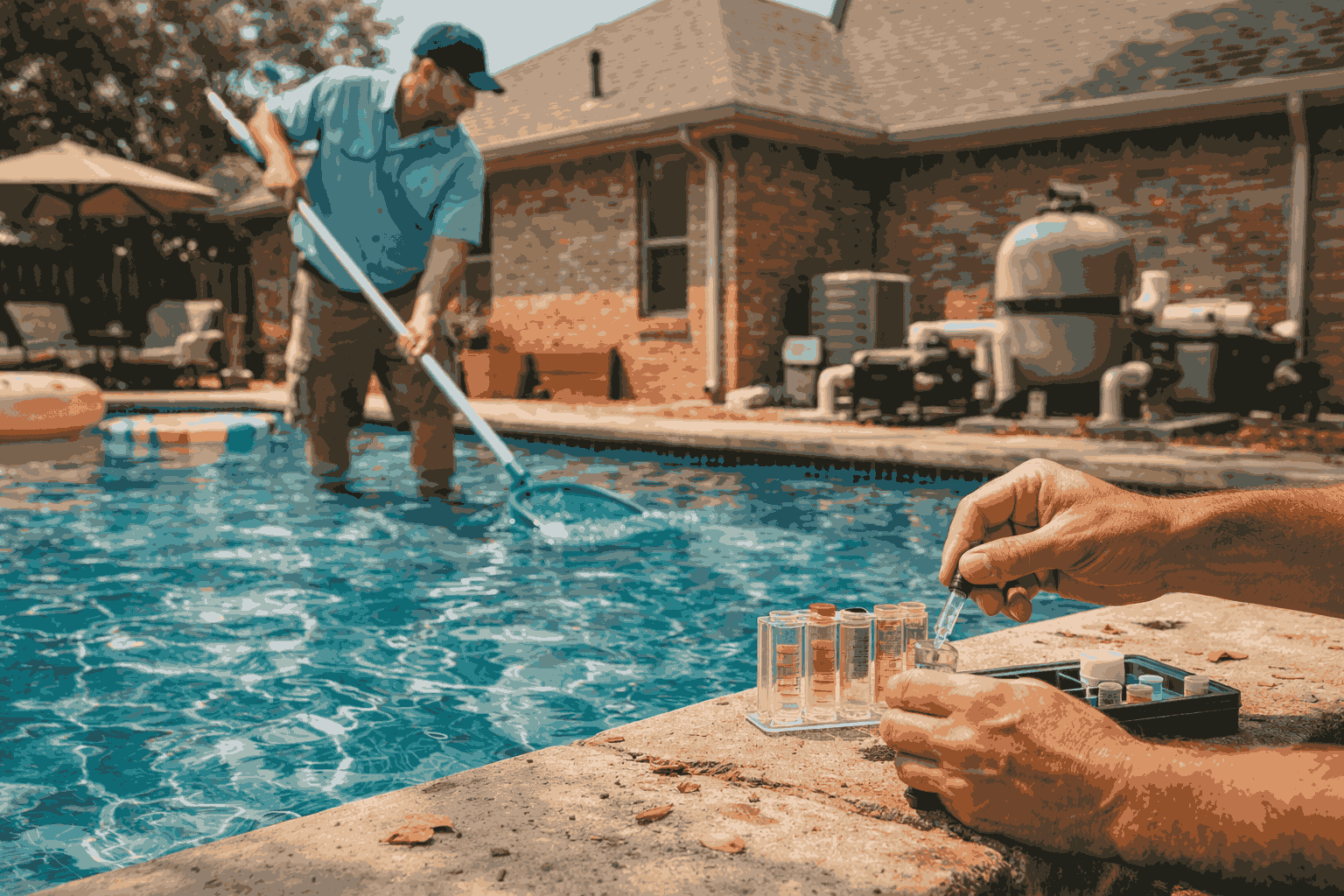
The bucket test
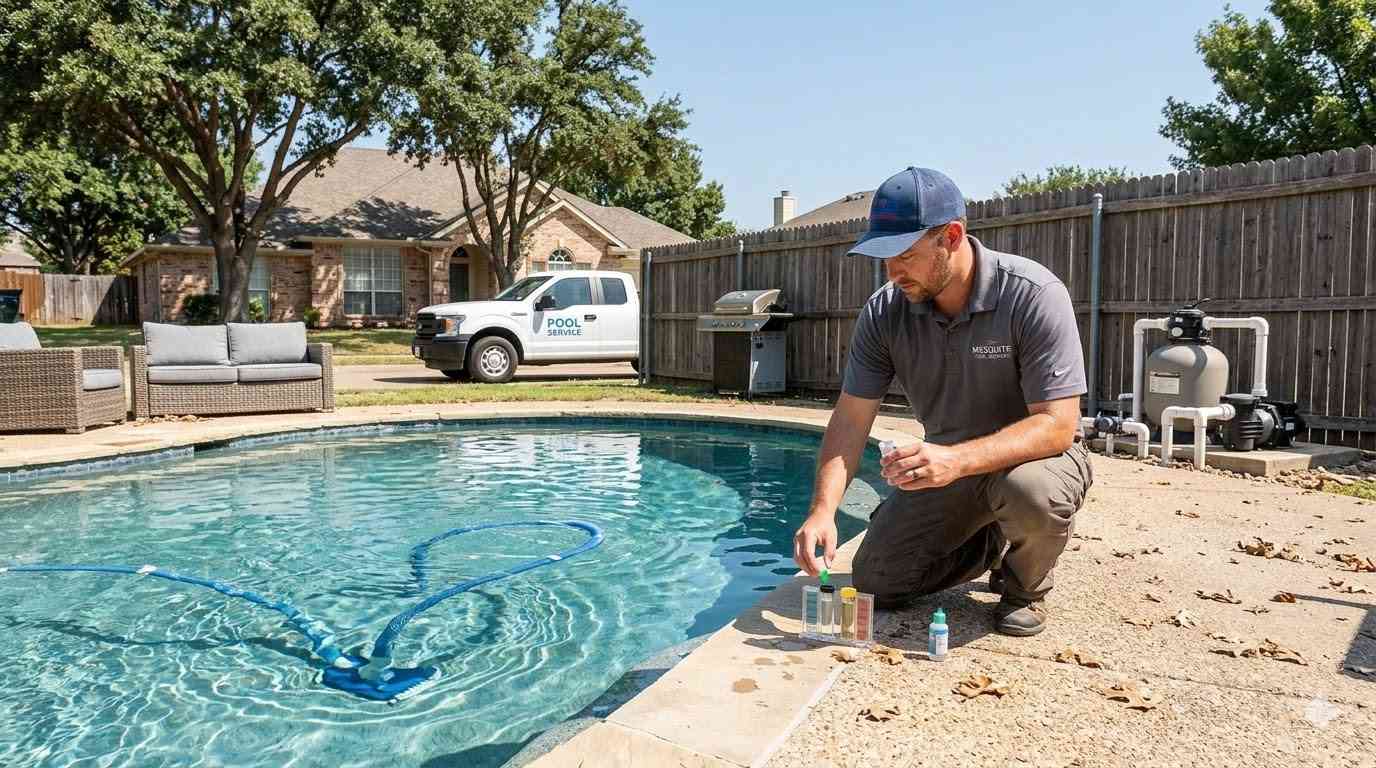
Fill a bucket with pool water and place it on a pool step. Mark the water level inside the bucket and the pool level outside. Wait 24 hours and compare water loss. If the pool loses more than the bucket, a leak is likely present.
Monitoring daily water loss
Normal evaporation in Texas: about ¼–½ inch per day in summer. Losing more than this consistently may indicate a leak.
Signs of a pool leak
Constant need to add water. Wet or soggy areas around the pool deck. Cracks in the pool structure or deck. Air bubbles in the return lines.
Common Causes of Leaking Swimming Pool in Texas
Cracked pool plumbing lines
Shifting soil in North Texas can stress underground pipes. Leaks often occur in return lines, suction lines, or main drains.
Damaged pool skimmer
Skimmers often crack where they connect to the pool shell. Temperature fluctuations can worsen these cracks.
Structural cracks in the pool shell
Concrete or gunite pools can develop cracks over time. Soil movement and ground settling are common causes.
Worn pool equipment seals
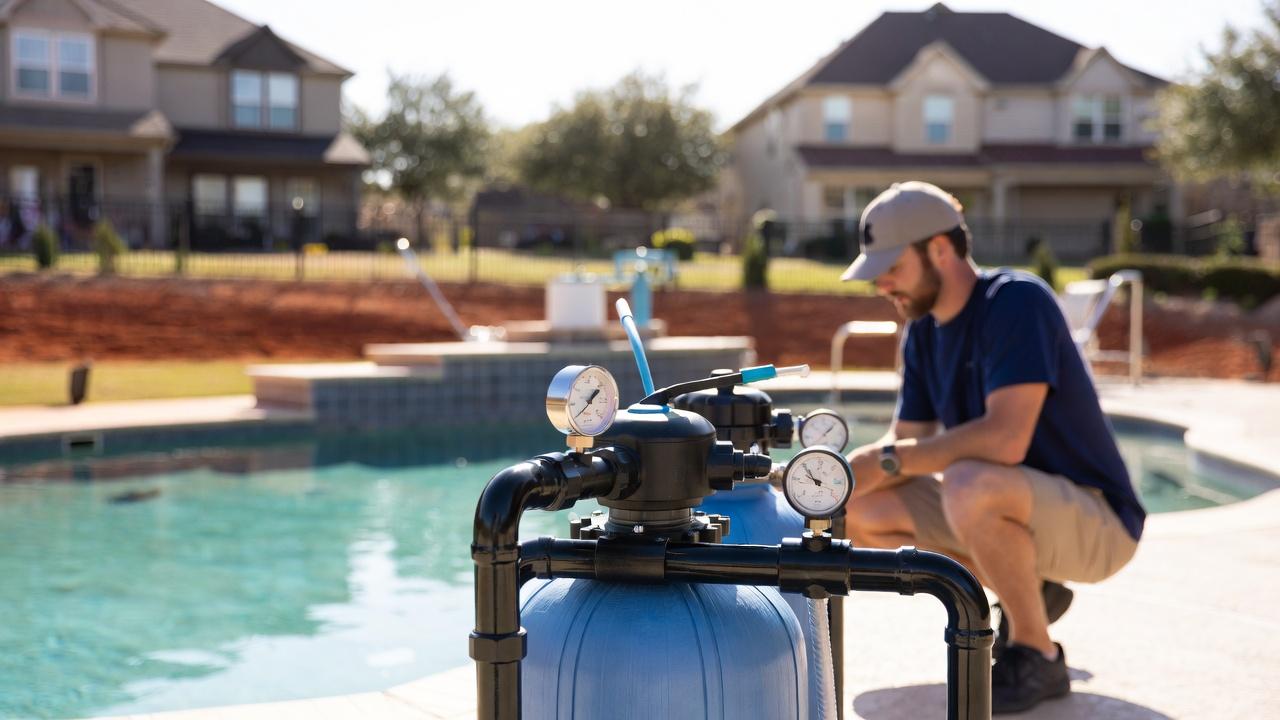
Pump seals, valves, and filter connections can leak with age. Small equipment leaks can waste large amounts of water.
How Pool Leak Detection Works
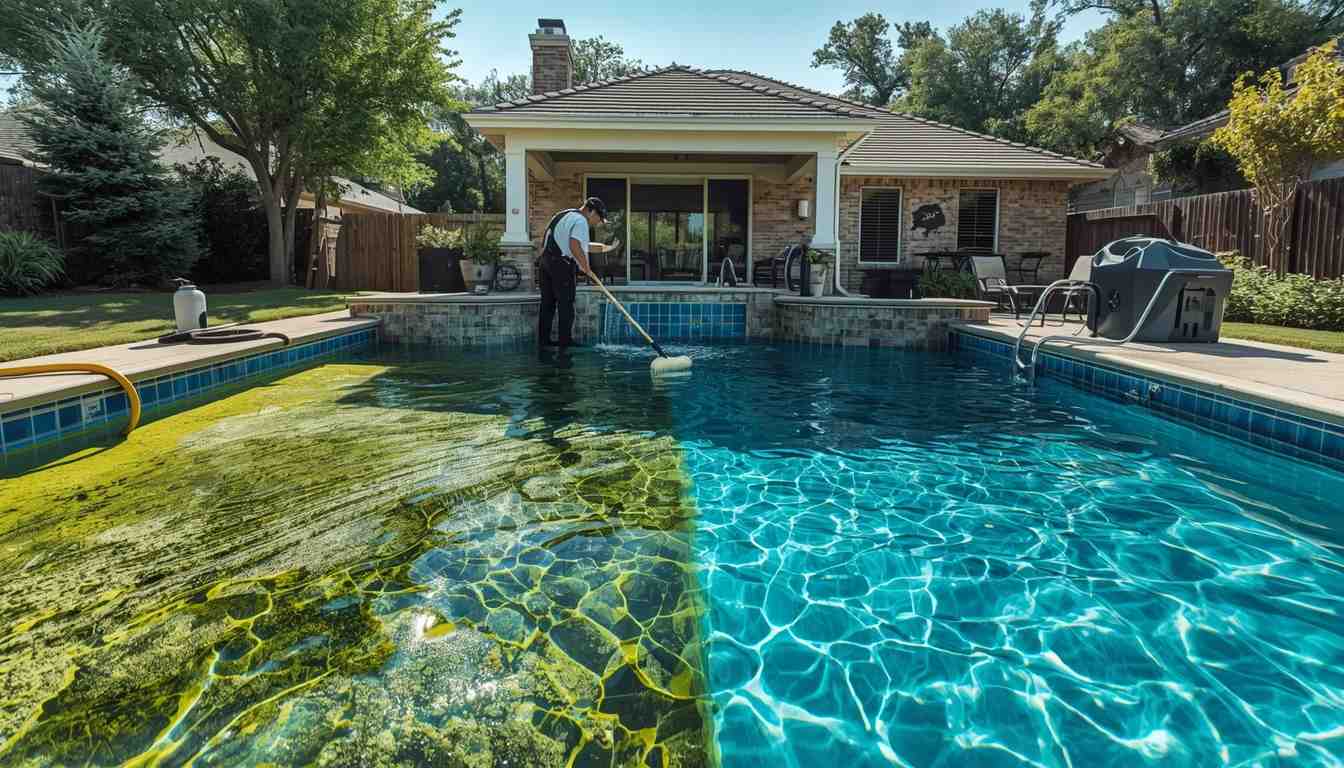
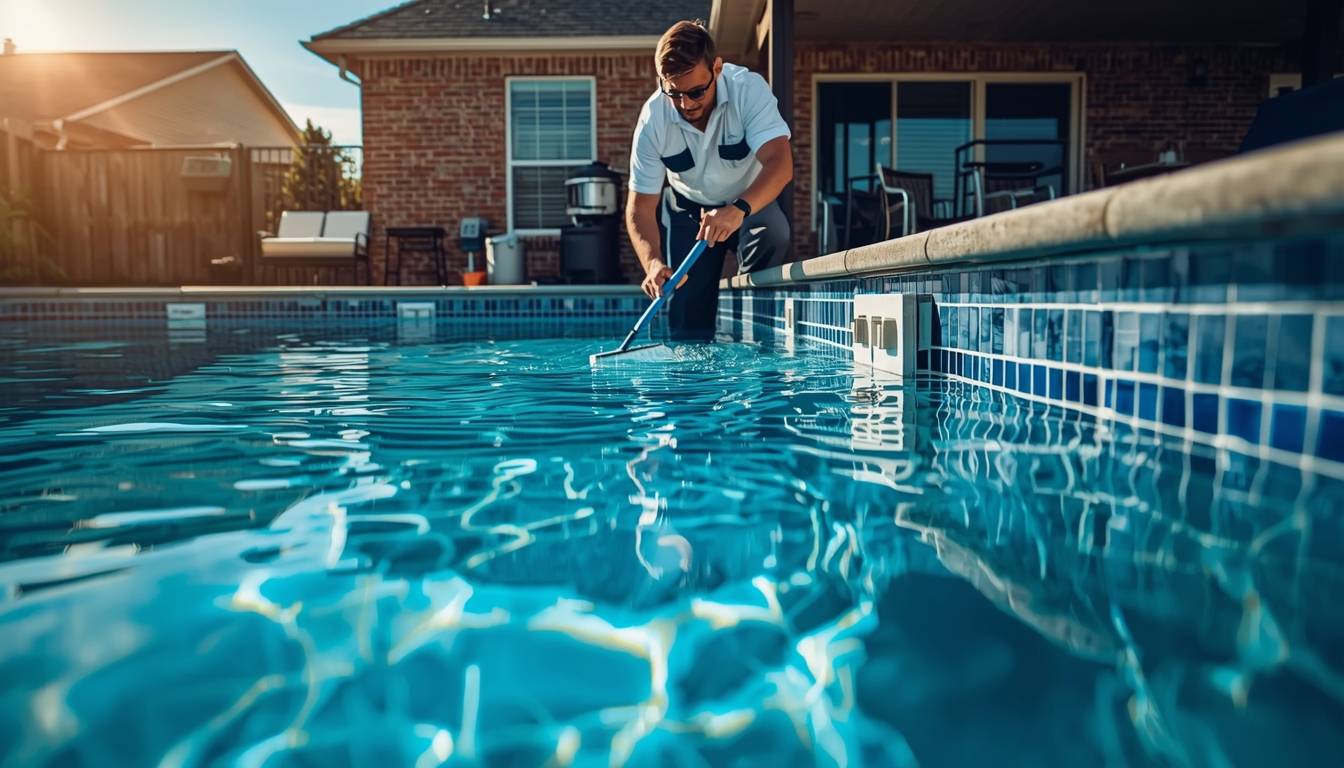
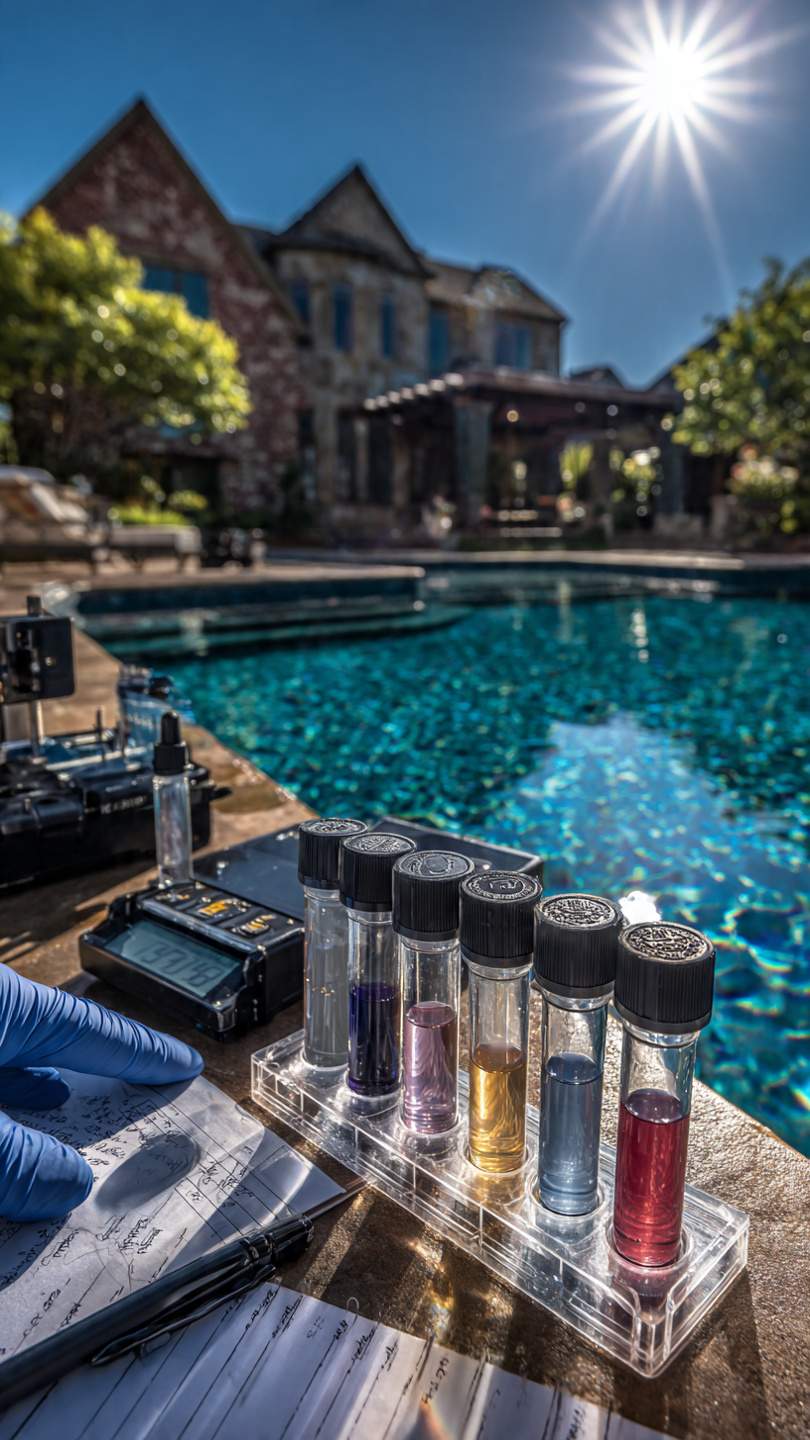
Pressure testing plumbing lines
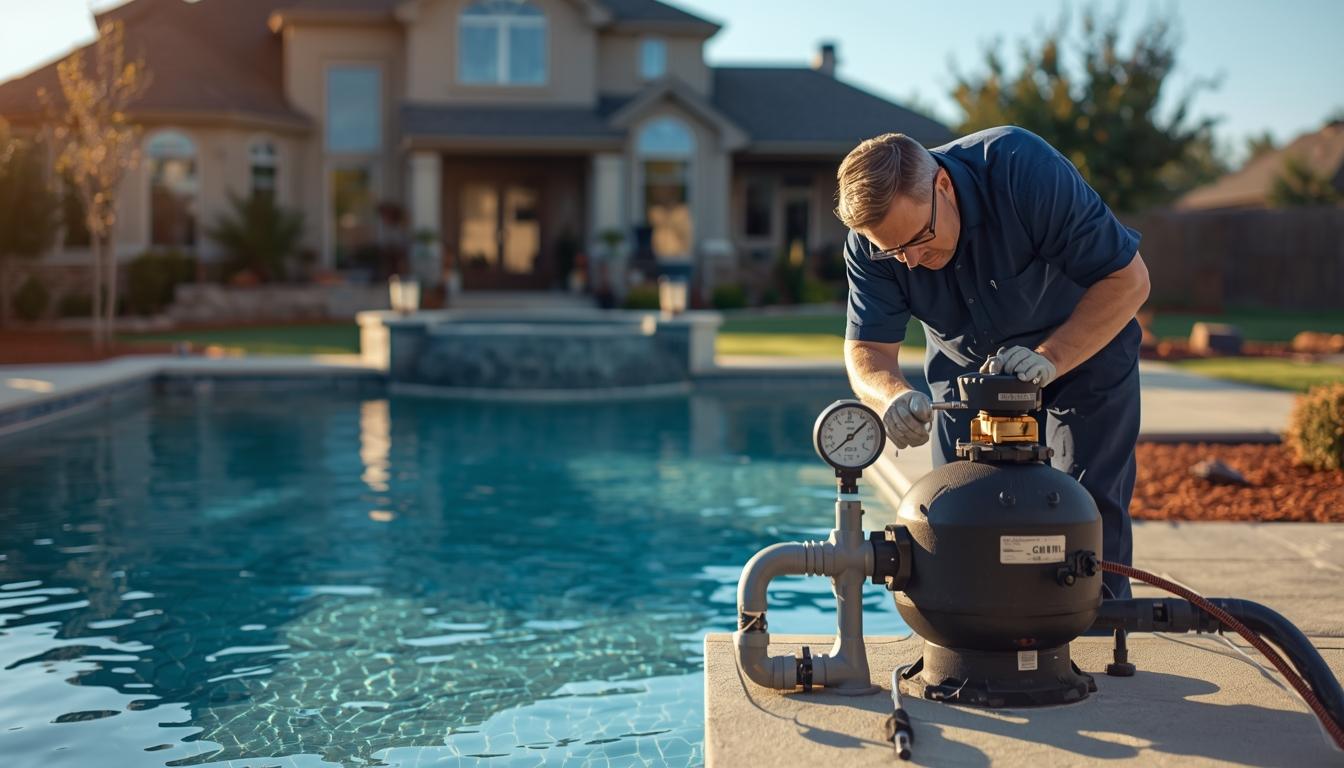
Technicians isolate and pressure-test each plumbing line. Pressure loss indicates a leak in that line.
Dye testing for structural cracks
Special dye is used near suspected cracks or fittings. The dye is pulled into the leak location if one exists.
Electronic leak detection equipment
Sensitive listening devices detect underground plumbing leaks. Often used when leaks are hidden beneath decking.
How Pool Leaks Are Repaired
Plumbing leak repairs
Broken pipes may require excavation and pipe replacement. Minor leaks can sometimes be repaired with specialized fittings or modern no-dig methods.
Skimmer crack repair
Small cracks can be sealed with pool-grade epoxy or sealant. Severely damaged skimmers may need replacement (typically $400 injection or $1,800 full replacement).
Pool shell crack repair
Structural cracks are sealed using epoxy injection or specialized pool sealants. Large cracks may require resurfacing or structural repair.
Equipment leak repair
Pump seals, gaskets, and valves are replaced to stop equipment leaks.
People Also Ask
How do I find a leak in my swimming pool?
Start with the simple bucket test, then monitor daily water loss. If you suspect a leak, call a pro for pressure testing or electronic detection — they can pinpoint it without tearing up your yard.
How much water loss is normal for a pool in Texas?
In summer, expect ¼ to ½ inch per day from evaporation alone. Anything consistently higher is usually a leak, especially in hot, dry DFW conditions.
Can a pool leak be fixed without draining the pool?
Yes — many plumbing and equipment leaks are fixed underwater with epoxy or modern injectable sealants. Structural shell cracks often need the pool drained, but pros try to avoid it when possible.
Is pool leak detection expensive?
Professional detection usually runs $300–$1,000 depending on the method and pool size. It’s a bargain compared to the water bills and major repairs you’ll face if you wait.
What causes pools to leak in Texas?
Our expansive clay soil shifts constantly, stressing pipes and shells. Heat, freezing nights, and poor installation over the years make cracks and plumbing breaks super common here.
Can pool plumbing leaks be repaired without digging?
Absolutely. New no-dig epoxy injection systems let technicians repair underground lines from inside the pipe — no excavation, no mess, and much lower cost.
PoolBurg Professional Leak Detection and Repair
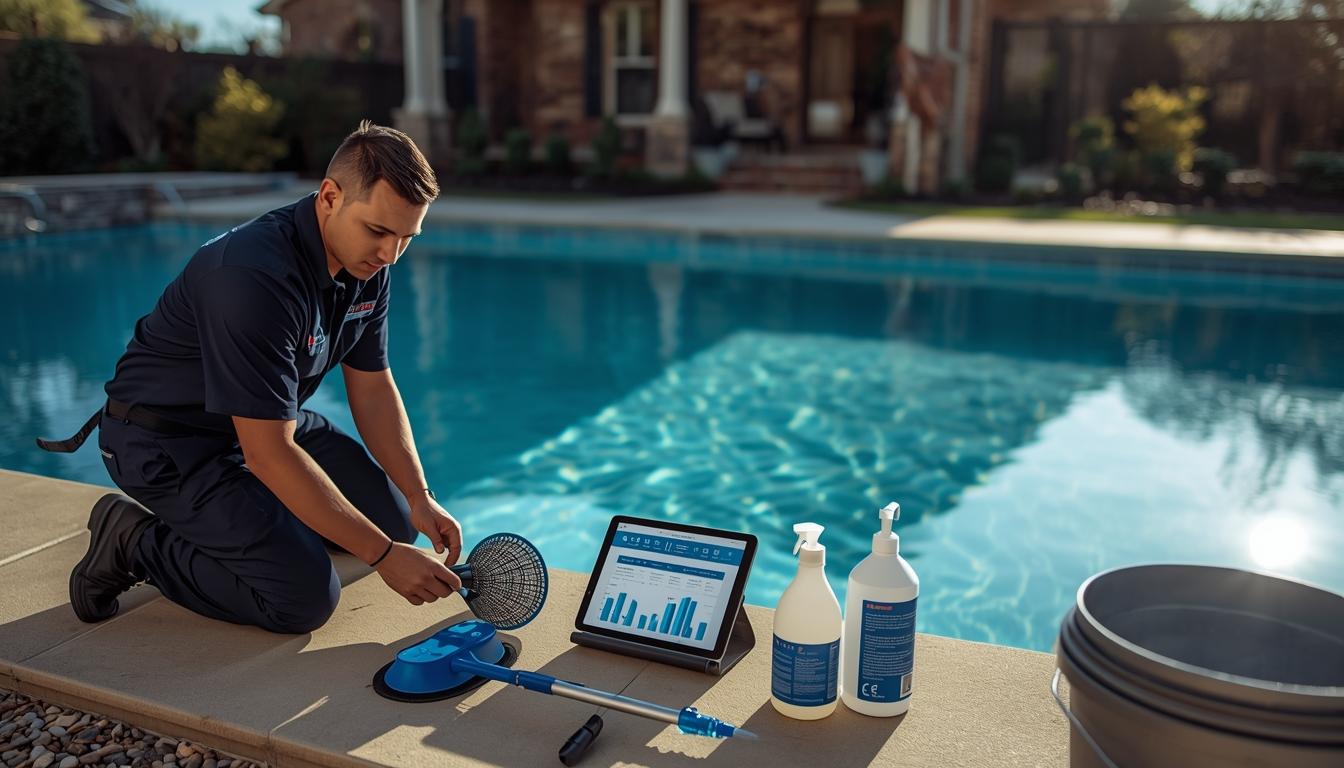
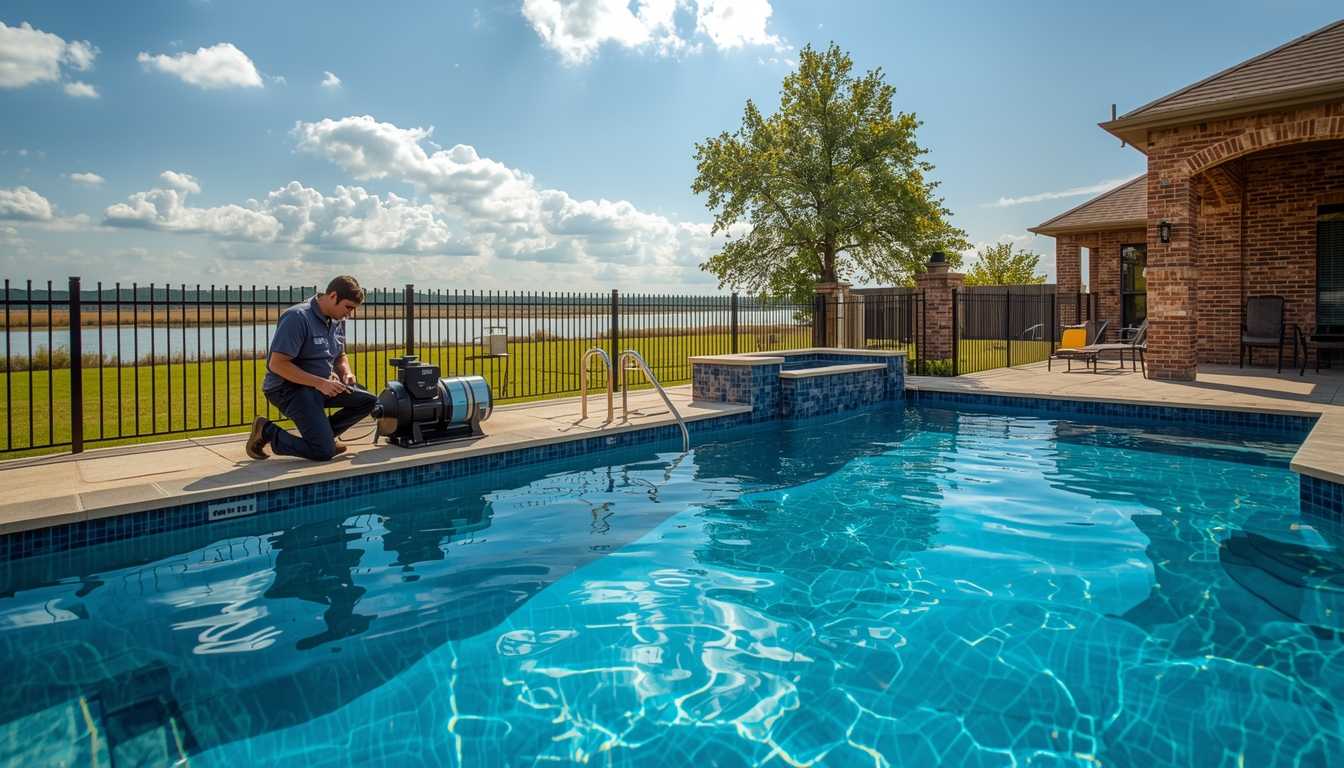
PoolBurg technicians use professional leak detection equipment to pinpoint leaks quickly. Comprehensive inspection of plumbing, equipment, and pool structure. Accurate diagnosis prevents unnecessary digging or repairs.
Suspect your pool is leaking? PoolBurg’s professional leak detection can locate and fix leaks before they become costly structural problems. Give us a call or book during your next service visit — we’ll handle everything from detection to fixing a leaking swimming pool in Texas the right way. Or ask about our pool leak detection and repair and pool plumbing repair services while you’re at it.