If you are currently looking into your skimmer and wondering about the frogs in pool baskets you keep finding, you aren’t alone. Look, I’ve been in the North Texas pool industry for a long time. I can tell you that when the weather gets hot and dry in Frisco or Southlake, your backyard oasis becomes a magnet for the local wildlife. It’s not just frogs in pool areas; we see everything from snakes in pool steps to ducks in pool deep ends.
The truth is that finding frogs in pool water is usually just the beginning. Our suburban lots are often right up against greenbelts and creek areas, which means critters in pool encounters are part of the “Texas experience.” This guide gives you the unvarnished facts on why you keep seeing frogs in pool tile lines and how to manage the pool wildlife DFW attracts without losing your mind. We want to make sure your backyard stays a sanctuary for your family, not a watering hole for the local zoo.
Your Pool Is an Oasis — And Not Just for You
In the middle of a triple-digit July, every creature in North Texas is looking for a drink. If you have frogs in pool sightings, it’s because they are attracted to the moisture and the bugs hanging around your LED lights at night. According to official water safety guidelines, animal contamination can introduce pathogens that regular chlorine levels struggle to kill instantly. If you ignore the frogs in pool populations, you’re basically letting a biological lab experiment run in your backyard.
How to Manage Frogs and Toads in Your DFW Pool
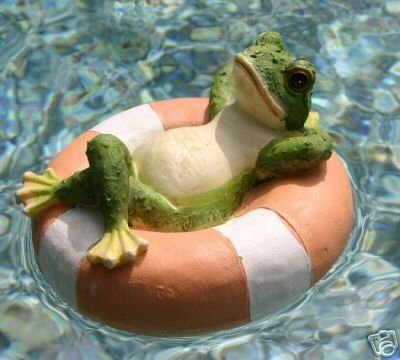
The most common call we get involves frogs in pool skimmers. They jump in for the water or to mate in the spring, but they can’t get out.
Why You See Frogs in Pool Surfaces
Frogs are attracted to the light. At night, your pool lights attract moths and beetles, which in turn attract the frogs in pool areas. Once they are in, they exhaust themselves swimming and eventually die. A dead frog decomposes fast in 90°F water, clogging your filter and spiking your phosphates.
Solutions for Frogs in Pool Disasters
To stop seeing frogs in pool baskets, I suggest a simple “escape ramp” like a FrogLog. This allows frogs in pool traps to become a thing of the past by giving them a way to climb out safely. We also recommend reducing your night-time lighting to avoid attracting their dinner. If you do find a dead frog, don’t just toss it; you need to shock the water immediately to kill any bacteria.
Dealing with Snakes in Pool Environments
This is the one that really gets the families in Prosper and McKinney jumping. Finding snakes in pool water is common because they hunt the frogs in pool areas or just need to cool off.
- Common Species: Most snakes in pool visits involve non-venomous rat snakes. However, we do have Copperheads in DFW, especially near wooded lots.
- What to Do: If you see snakes in pool steps, stay calm. Do NOT try to grab it. Use a long pole to guide it to the edge. If you suspect it’s venomous, call a wildlife removal pro immediately. According to industry maintenance standards, a clean, trimmed landscape is the best way to reduce the hiding spots that bring snakes in pool territory closer to your swimmers.
Ducks and Geese: The Messiest Pool Wildlife DFW Offers
If you have ducks in pool deep ends, you have a major sanitation problem. Duck feces is a primary source of parasites like Cryptosporidium.
Ducks love DFW pools near Lewisville Lake or Grapevine Lake. To stop the ducks in pool habit, try predator decoys like a floating alligator head, but move it daily. If they’ve already been swimming, you must perform a heavy shock protocol. Duck poop can crash your chemistry in a single afternoon, so weekly service is vital to catch the spike early.
Rodents and Other Critters in Pool Areas
Tree squirrels and roof rats are everywhere in our suburban canopy. They often fall in while running along fences. Just like frogs in pool scenarios, they usually drown because they can’t find an exit. According to water quality research, decomposing organic matter is the fastest way to ruin your water clarity. If you find a dead rodent, the CDC recommends raising your free chlorine to 20+ ppm for at least 12 hours.
Water Treatment Protocol After Animal Contamination
If you’ve had a significant number of frogs in pool or a raccoon visit, you need a reset.
- Remove the Animal: Use gloves and a net.
- Clear the Debris: Get any fecal matter out immediately.
- The Big Shock: Raise your chlorine level to 20 ppm.
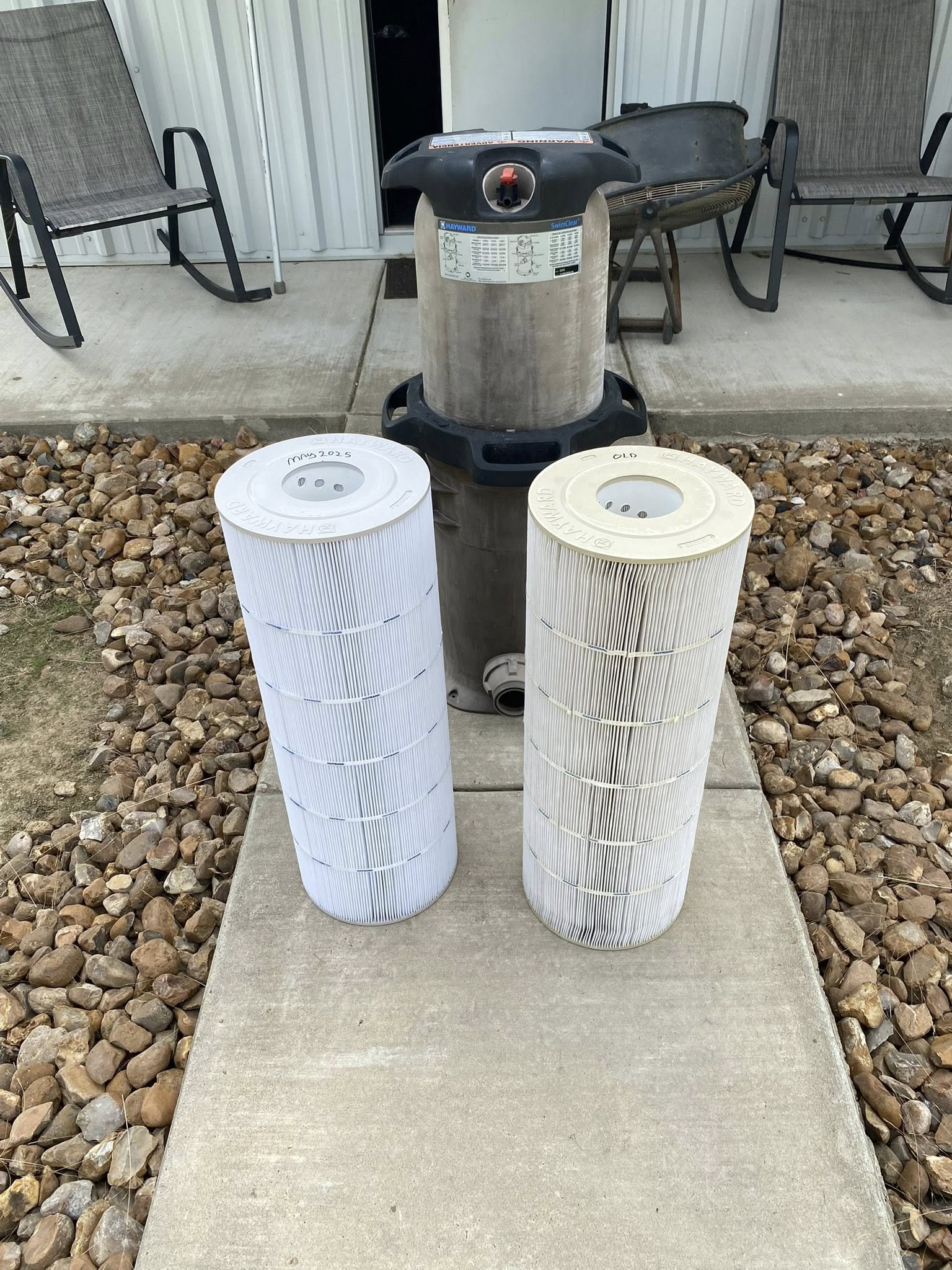
- Filter Deep Clean: Animals introduce “oils” that clog cartridges.

People Also Ask About Frogs in Pool and Wildlife
How do I keep frogs out of my pool?
Turn off your pool lights at night and install a floating escape ramp to prevent frogs in pool drownings.
What do I do if there is a snake in my pool?
Use a long skimmer pole to gently lift it out if it’s non-venomous, or stay back and call a pro if you aren’t sure.
Are ducks bad for my pool?
Yes. Ducks in pool water can introduce dangerous parasites that regular chlorine doesn’t kill quickly.
PoolBurg Handles Wildlife-Related Pool Issues Every Day
At PoolBurg, we’ve seen every type of pool wildlife DFW has to offer. Whether you are dealing with a swarm of frogs in pool tile or need an emergency shock after a critter incident, we’ve got your back. Found an uninvited swimmer? PoolBurg treats the water and gets your pool safe again — call us.