Hayward pool heater repair is one of those things most homeowners ignore until the pool is cold, the family is ready to swim, and the heater flashes a code that looks like it belongs on a spaceship. The good news? Hayward equipment is common across DFW, and many issues can be diagnosed quickly when you know what to look for.
Hayward Pool Equipment in North Texas Still Going Strong
In Plano, Garland, Carrollton, and older North Texas neighborhoods, Hayward has been a familiar equipment-pad name for years. You will still see Super Pumps, AquaRite salt systems, SwimClear filters, Pro-Grid DE filters, and the dependable Universal H-Series heater sitting beside thousands of backyard pools.
That is not a bad thing. Hayward equipment is durable. But Texas heat, long run times, hard water, sun-baked seals, and storm-season power interruptions are rough on any system. A smart homeowner does not panic when something fails. They get the right diagnosis before replacing parts blindly.
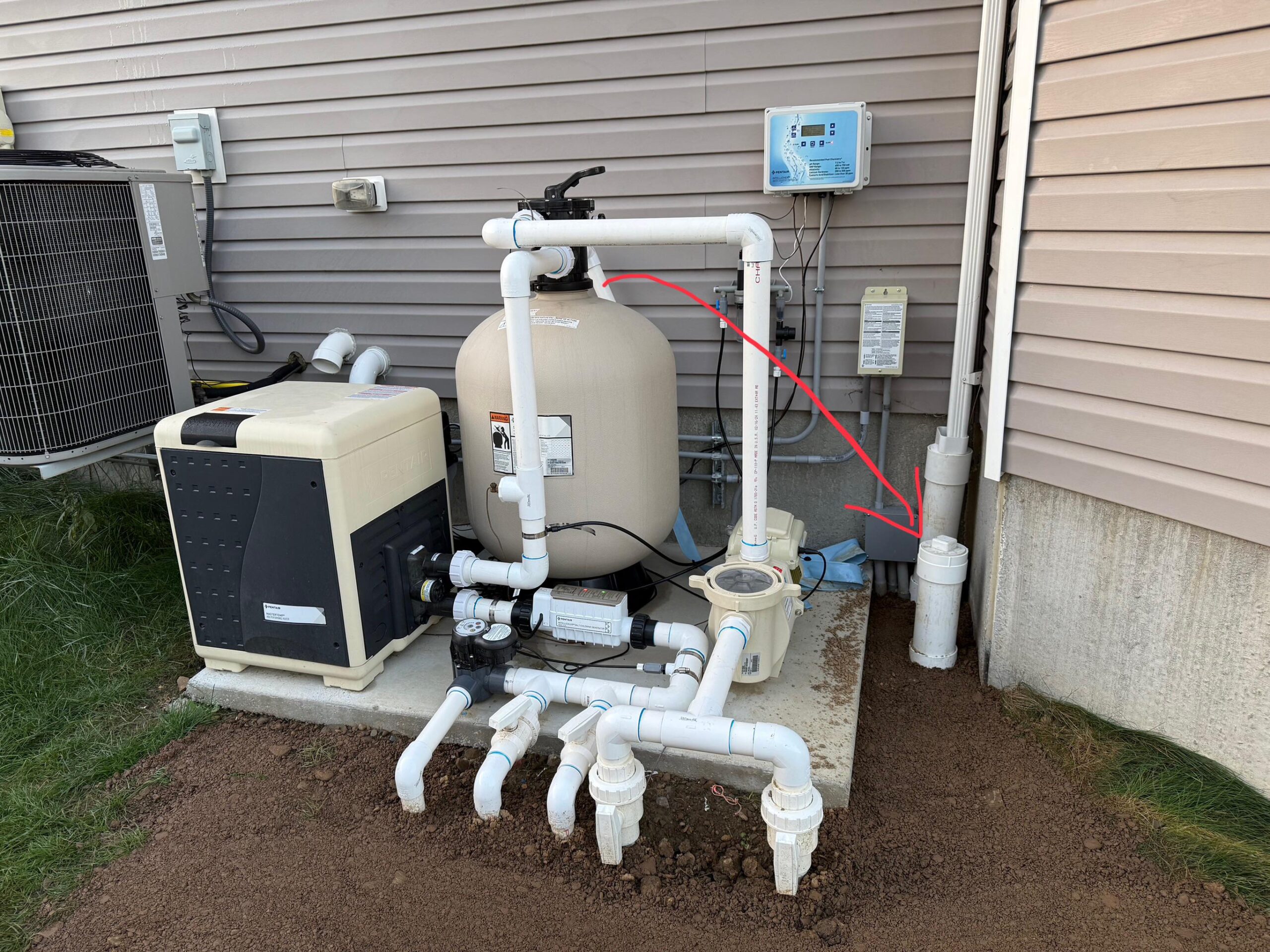
Common Hayward Pool Pump Problems and Repairs
Hayward Super Pump
The Hayward Super Pump is basically the DFW workhorse. The common repair list is familiar: motor burnout from long summer run times, shaft seal failure, impeller clogs, worn bearings, and lid O-rings that dry out under Texas UV. When the pump hums but will not start, a bad capacitor may be the culprit. When water appears under the motor, the shaft seal is often first on the suspect list. Typical repair range: $75 to $350.
Hayward TriStar and MaxFlo VS
Variable-speed Hayward pumps are quieter and more efficient, but they add electronic parts into the mix. PoolBurg commonly looks for control board issues, drive faults, bearing noise, and priming trouble after outages. A good hayward pool pump repair should check voltage, plumbing restriction, baskets, air leaks, and programming before assuming the whole pump is dead. Typical repair range: $150 to $500.
Hayward Booster Pump
Pressure-side cleaners often depend on a booster pump, and those little units work harder than people think. Seal leaks and motor failure are the big ones. Typical repair range: $100 to $300.
Common Hayward Pool Heater Problems and Repairs
Hayward Universal H-Series
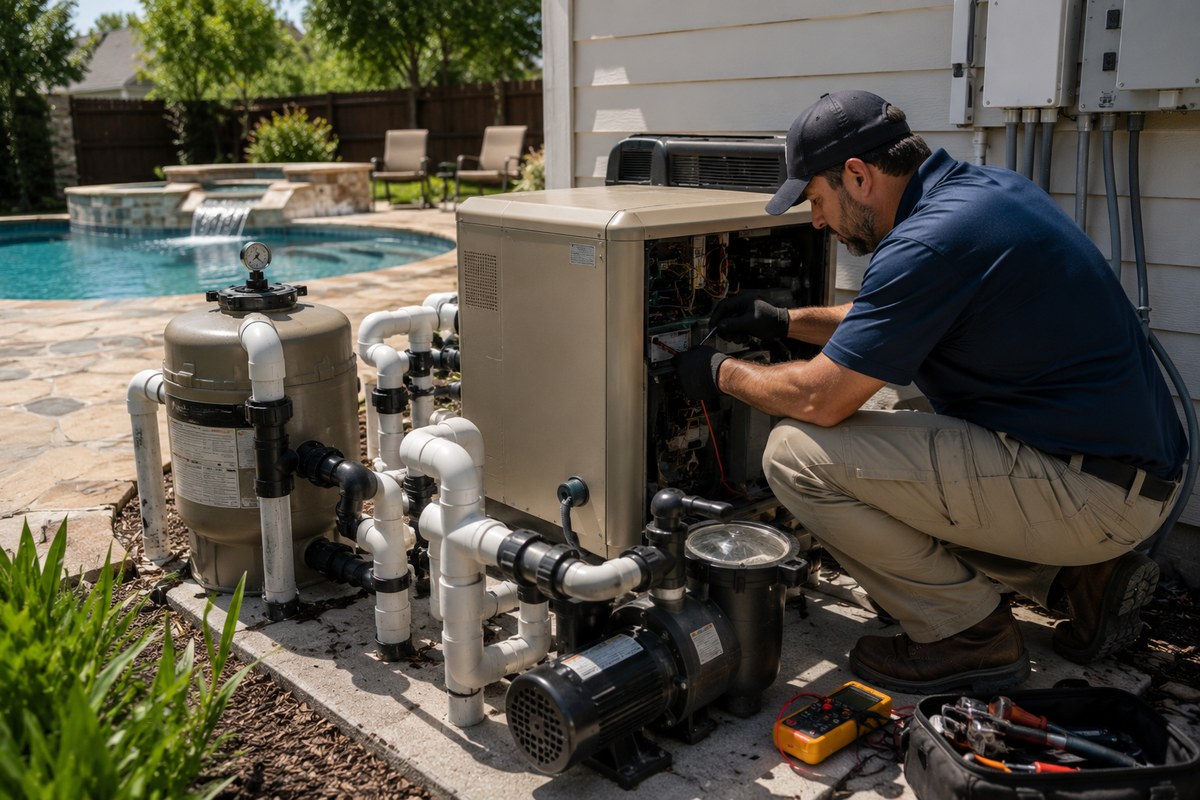
For gas units like the H250, H350, and H400, hayward pool heater repair usually starts with ignition, gas supply, water flow, and error code checks. Igniter or pilot assembly failure is common. Heat exchanger corrosion can happen faster when hard water and poor chemistry team up. Bypass valve issues may also stop the heater from sensing proper flow.
If your Hayward pool heater shows IF, LO, AO, SF, HS, or another code, do not keep cycling power all weekend hoping it behaves. The heater is trying to tell you something. Typical repair range: $150 to $700, depending on whether it is a sensor, igniter, board, valve, or heat exchanger problem.
Hayward HeatPro Heat Pump
HeatPro heat pumps are different from gas heaters. They rely on airflow, refrigerant, fan operation, and compressor health. In DFW, extreme heat, debris around the coil, and electrical problems can all create performance issues. Repairs may include fan motors, contactors, capacitors, defrost boards, refrigerant leak checks, or compressor diagnosis. Typical repair range: $200 to $900.
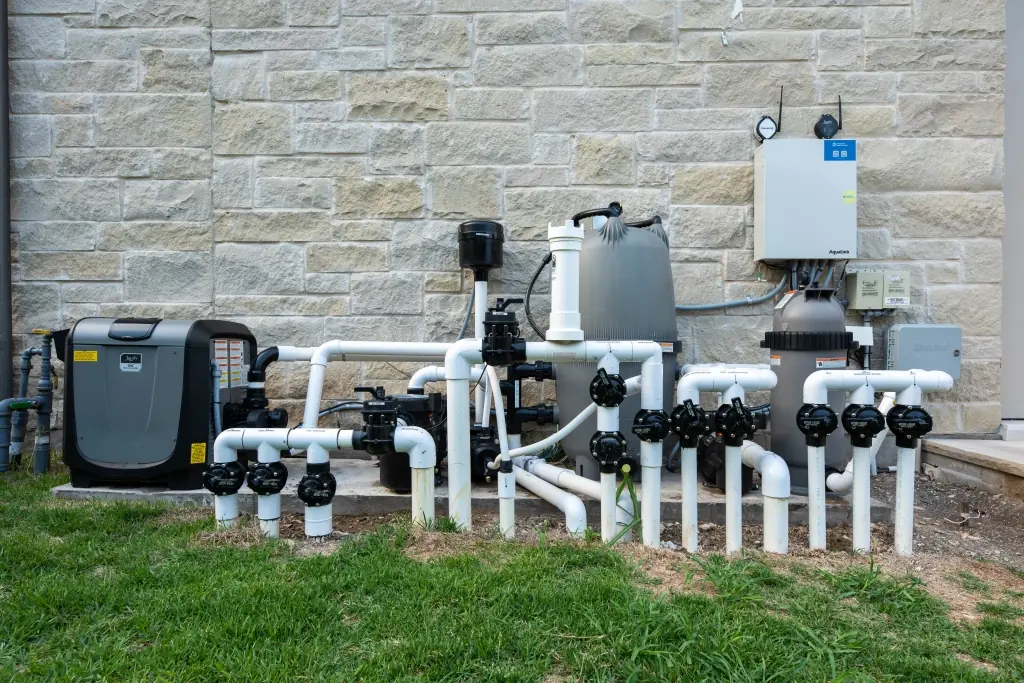
Common Hayward Filter and Salt System Repairs
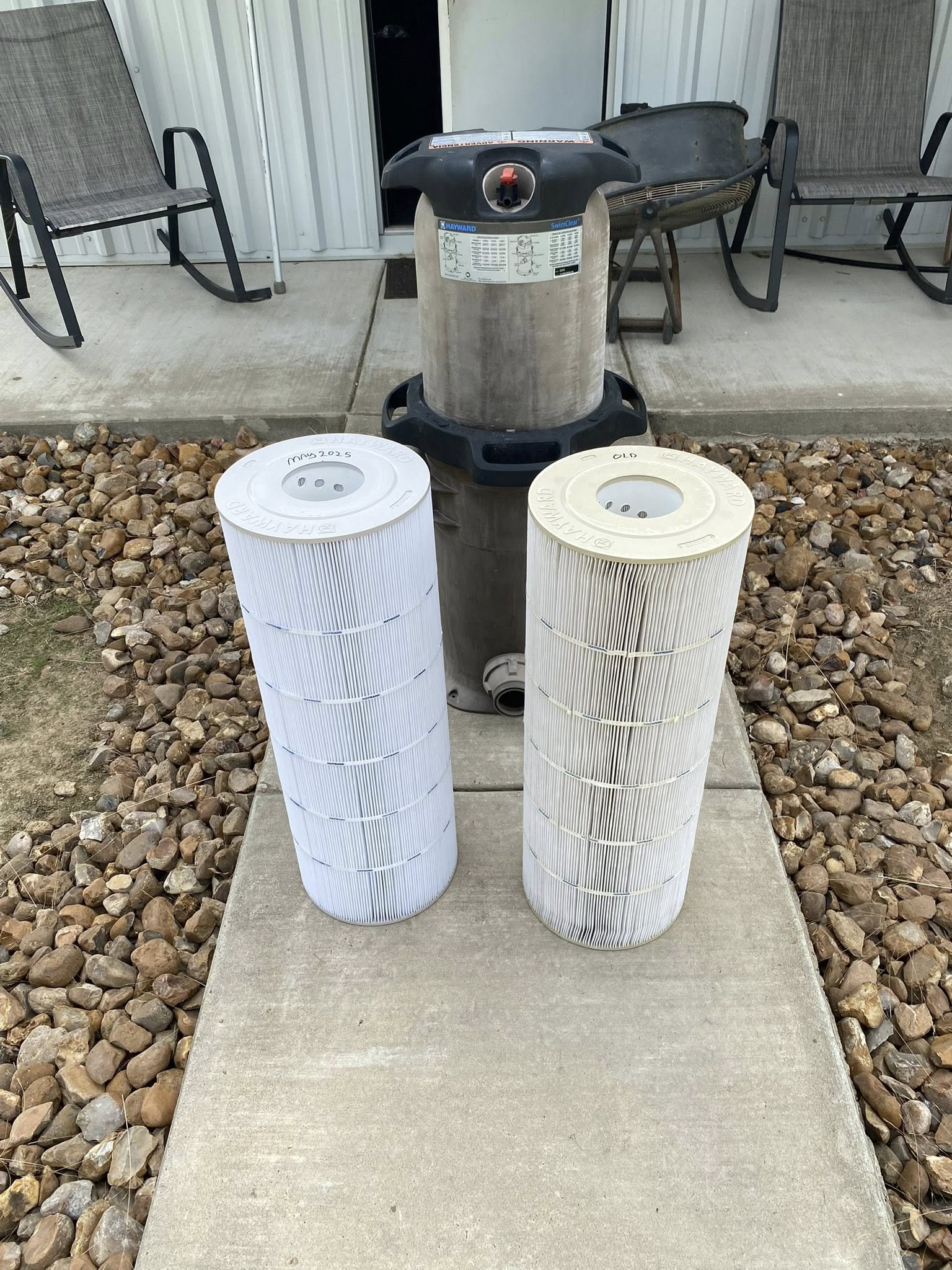
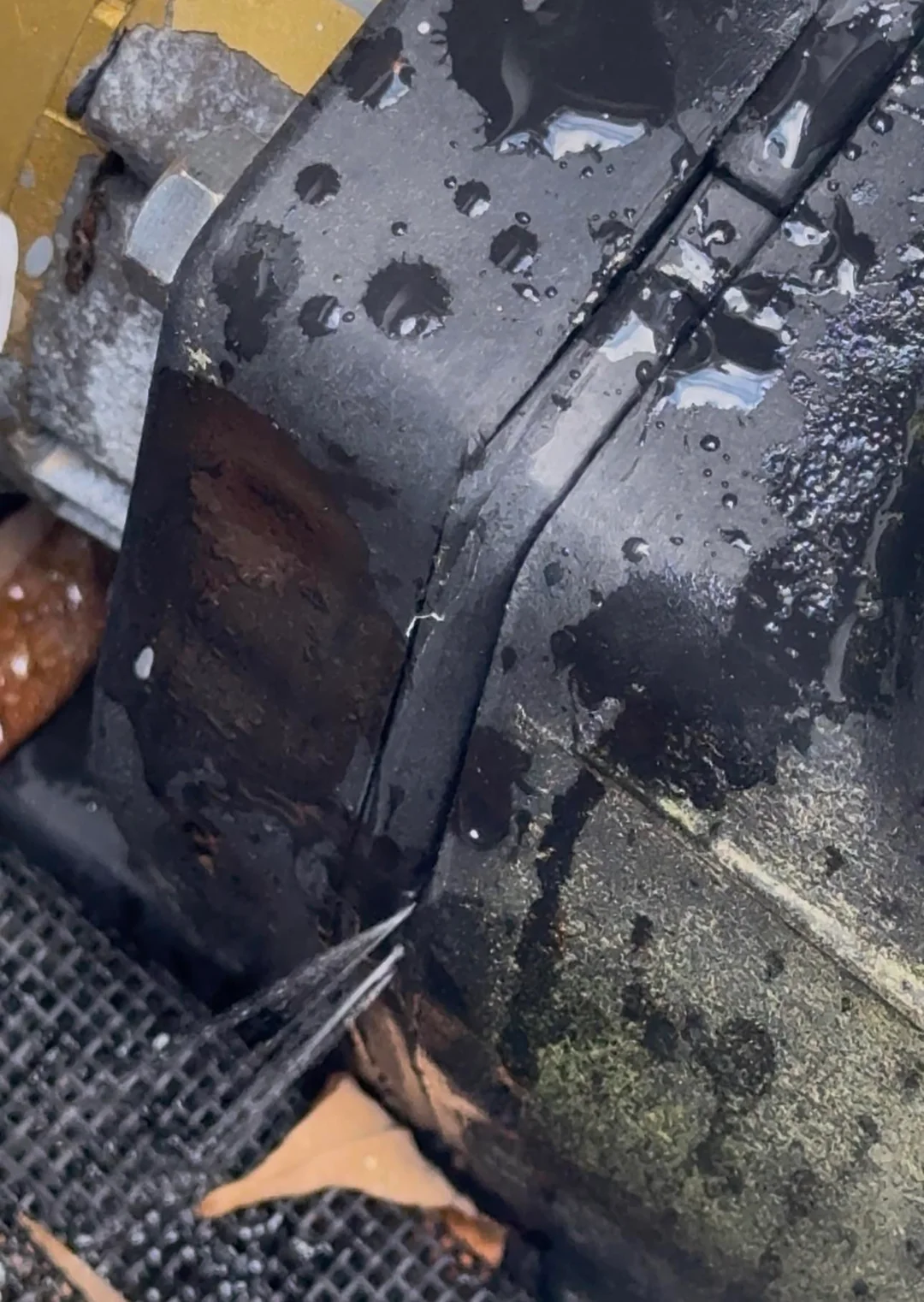
Hayward SwimClear and Star-Clear cartridge filters usually need cartridge replacement, O-ring service, clamp inspection, or cracked tank evaluation. Pro-Grid DE filters can send DE back to the pool when grids tear or the manifold breaks. These problems can look like cloudy water, but the real issue is mechanical.
AquaRite salt systems are another big one in North Texas. DFW hard water can scale the salt cell, confuse salinity readings, and reduce chlorine output. Flow switch errors and old cells are also common. A cell replacement can run $250 to $600, but cleaning and testing should come before replacement.
Hayward Super Pump Replacement When It Is Time to Upgrade
A 15-year-old single-speed pump may not be worth repeated repairs, especially if it is loud, inefficient, or overheating. Many DFW homeowners are upgrading from older Hayward Super Pumps to variable-speed models because they can run slower, quieter, and longer while using less energy. In some cases, staying with Hayward makes sense. In others, converting to a Pentair IntelliFlo can be a better fit if the rest of the pad already uses Pentair automation.
Here is the honest PoolBurg answer: repair the pump when the motor, seal, or capacitor is the only real issue. Replace it when the housing, motor, electrical setup, and efficiency all point in the same expensive direction.
People Also Ask
How much does it cost to repair a Hayward Super Pump?
Most Hayward Super Pump repairs fall between $75 and $350, depending on whether the issue is a seal, capacitor, impeller, bearing, or motor.
Is it worth repairing a 15-year-old Hayward pool pump?
Sometimes, but not always. If the wet end is healthy and the repair is minor, yes. If the motor is failing and energy costs are high, replacement may be smarter.
Why is my Hayward pool heater not lighting?
A Hayward pool heater may not light because of ignition failure, low gas pressure, a bad flame sensor, poor water flow, or a safety switch issue.
How often should I replace my Hayward AquaRite salt cell?
Many cells last about 3 to 5 years, but DFW hard water, high usage, and poor chemistry can shorten that timeline.
Should I upgrade my Hayward Super Pump to a variable speed?
If your single-speed pump runs long hours, makes noise, or needs major motor work, a variable-speed upgrade is often worth discussing.
PoolBurg Hayward Experts Across DFW
Hayward pool heater repair should not feel like a guessing game. PoolBurg helps DFW homeowners diagnose Hayward heaters, pumps, filters, salt systems, automation issues, and full equipment-pad problems with a practical repair-first mindset. If your Hayward equipment needs attention, contact PoolBurg for fast, honest Hayward repair across North Texas.