When your pool alkalinity is too low, it can transform a manageable maintenance routine into a frustrating struggle. You might find that your pH levels appear stable one day, only to plummet shortly after. Despite consistent chemical additions and testing, the water chemistry remains unpredictable and difficult to stabilize.
The simple version is this: alkalinity helps hold your pH steady. When low pool alkalinity is ignored, the water loses its buffer, and small changes from rain, acid, fresh refill water, or chemical dosing can create bigger pool pH problems than expected.
What Pool Alkalinity Actually Does
Total alkalinity is not the same thing as pH. pH tells you how acidic or basic the water is at that moment. Alkalinity is more like the cushion behind pH. It helps the water resist sudden drops and keeps the whole pool water balance from bouncing around.
That is why pool alkalinity too low often shows up as pH that will not stay put. You can adjust the pH, but if alkalinity is too weak, the adjustment may not hold for long.
Signs Your Pool Alkalinity Is Too Low
The biggest clue is pH that keeps dropping. You may also notice water that feels sharp or harsh, swimmers complaining about eye or skin irritation, or chemicals that seem harder to control than usual.
Pool alkalinity too low can also leave equipment and surfaces more vulnerable over time, especially if the pH is also low. Metal parts, heaters, ladders, light rings, and plaster surfaces do not love aggressive water. In the Reddit discussion behind this topic, homeowners were asking why low total alkalinity mattered when pH looked okay, which is a very normal question because the problem is not always obvious right away.
Why Low Alkalinity Is Bad for Pool Water
Low alkalinity makes the water less stable. That can lead to pH swings, sanitizer confusion, rougher swimmer comfort, and more chances for corrosion when pH falls too far. The CDC notes that keeping pH in a healthy range matters for chlorine performance, pipe lifespan, and swimmer comfort.
That is the frustrating part. The pool may look clear, but the chemistry can still be out of rhythm. If the water keeps drifting acidic, chlorine behavior changes, surfaces can suffer, and equipment can take the hit quietly in the background.
What Causes Pool Alkalinity to Drop?
Heavy rain is a common cause in DFW. Storm water can dilute the pool and push chemistry out of line, especially after a big spring storm in Frisco, Plano, McKinney, Allen, Garland, Mesquite, Wylie, or The Colony.
Too much acid is another big one. Sometimes homeowners lower high pH and accidentally overshoot. Fresh water dilution, aggressive storm cleanup, poor testing, and repeated chemical corrections can also drag alkalinity down. Saltwater pools with automatic pH systems can be especially confusing because the pH controller may keep feeding acid while alkalinity slowly slides lower.
How to Raise Pool Alkalinity Safely
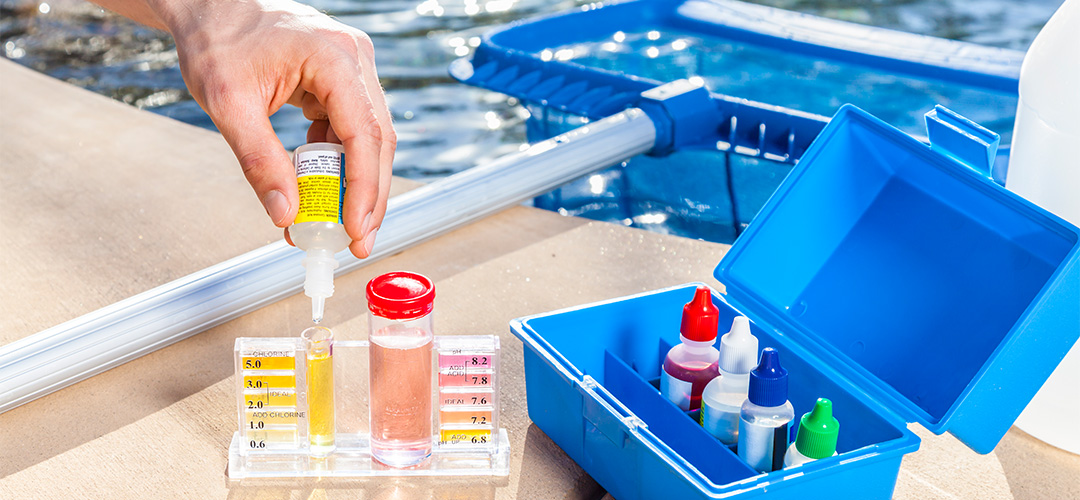
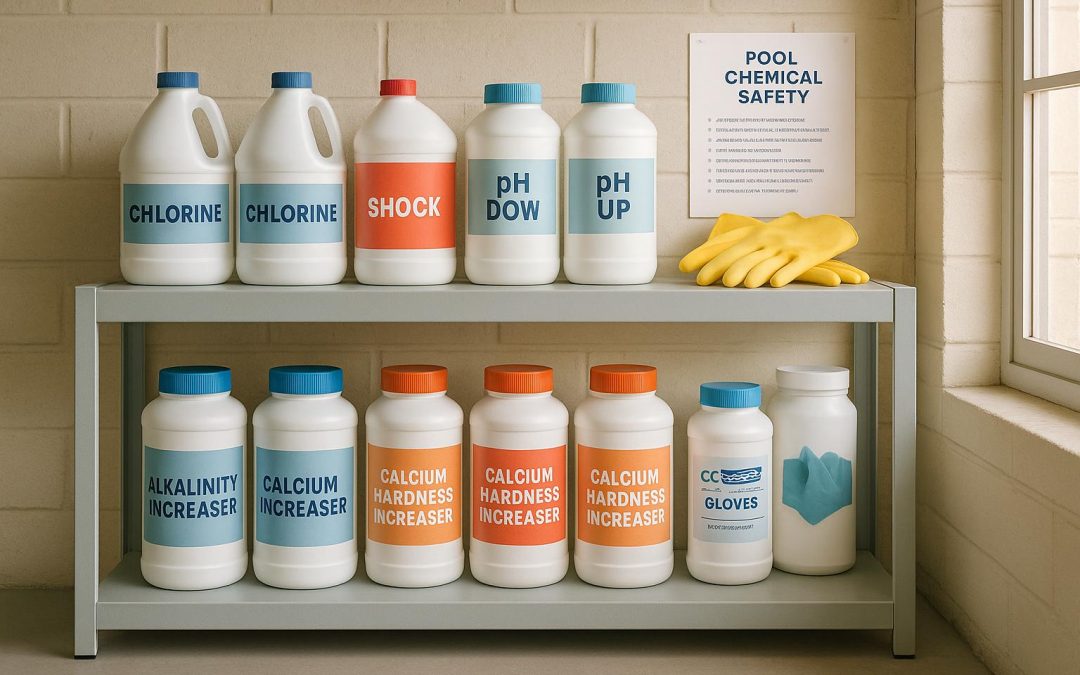
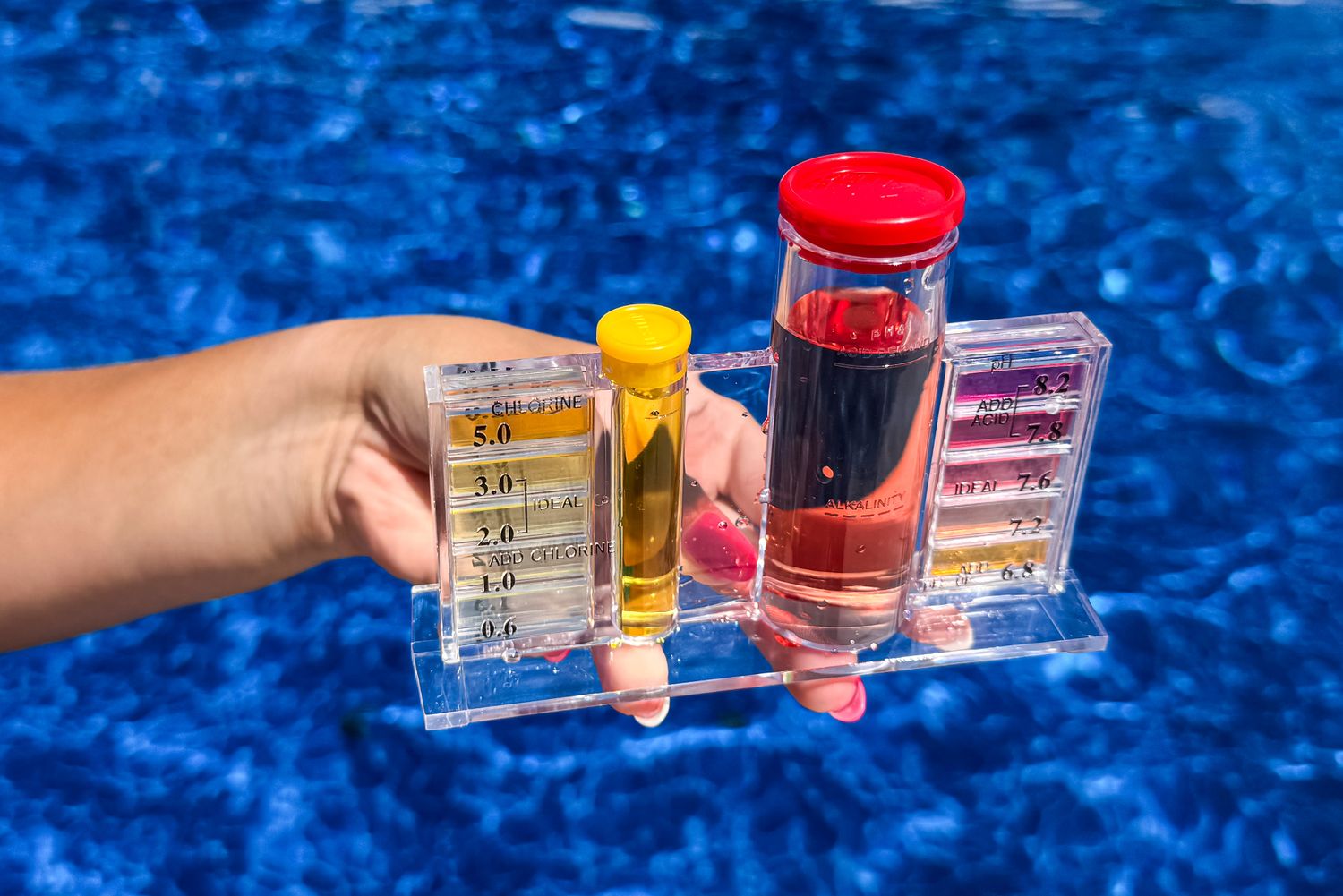
If pool alkalinity too low shows up on a test, do not start guessing. Test the full chemistry first: pH, total alkalinity, chlorine, calcium hardness, stabilizer, and salt if applicable. One number rarely tells the whole story.
To raise pool alkalinity, most pools use an alkalinity increaser, commonly sodium bicarbonate. Add it gradually, circulate the water, and retest before making another adjustment. Orenda explains that sodium bicarbonate raises alkalinity more directly than soda ash, while soda ash has a much stronger pH effect.
The order matters too. In many cases, alkalinity should be corrected before chasing pH again, because pH is easier to stabilize once the buffer is back. The goal is not to dump in a huge dose and hope. The goal is to move the water calmly back into balance.
People Also Ask
What happens if pool alkalinity is too low?
Pool alkalinity too low can make pH unstable, increase swimmer irritation, make chemicals harder to control, and contribute to corrosion when pH also drops.
How do I raise pool alkalinity?
Test first, then add alkalinity increaser gradually. Let the pump circulate, retest, and avoid overcorrecting in one big dose.
Can low alkalinity make pH drop?
Yes. Alkalinity acts as a buffer, so when it is too low, pH can fall more easily and become harder to keep stable.
Is low alkalinity bad for pool equipment?
It can be, especially if pH is also low. Aggressive water may affect heaters, metal fixtures, surfaces, and plumbing over time.
Can you swim with low alkalinity?
If pH and sanitizer are outside safe ranges, wait. Clear water does not always mean properly balanced water.
Should I adjust alkalinity or pH first?
Usually, fix alkalinity first when it is very low, then fine-tune pH after circulation and retesting.
PoolBurg Can Balance the Full Chemistry Picture
Pool alkalinity too low is not just a random test result. It is a sign that the water may be losing control of its own balance. PoolBurg can test the full chemistry picture and balance alkalinity, pH, chlorine, and other levels together instead of chasing one number at a time.
If your pH keeps dropping or your pool water feels harsh after rain, contact PoolBurg and let us get the water steady again.