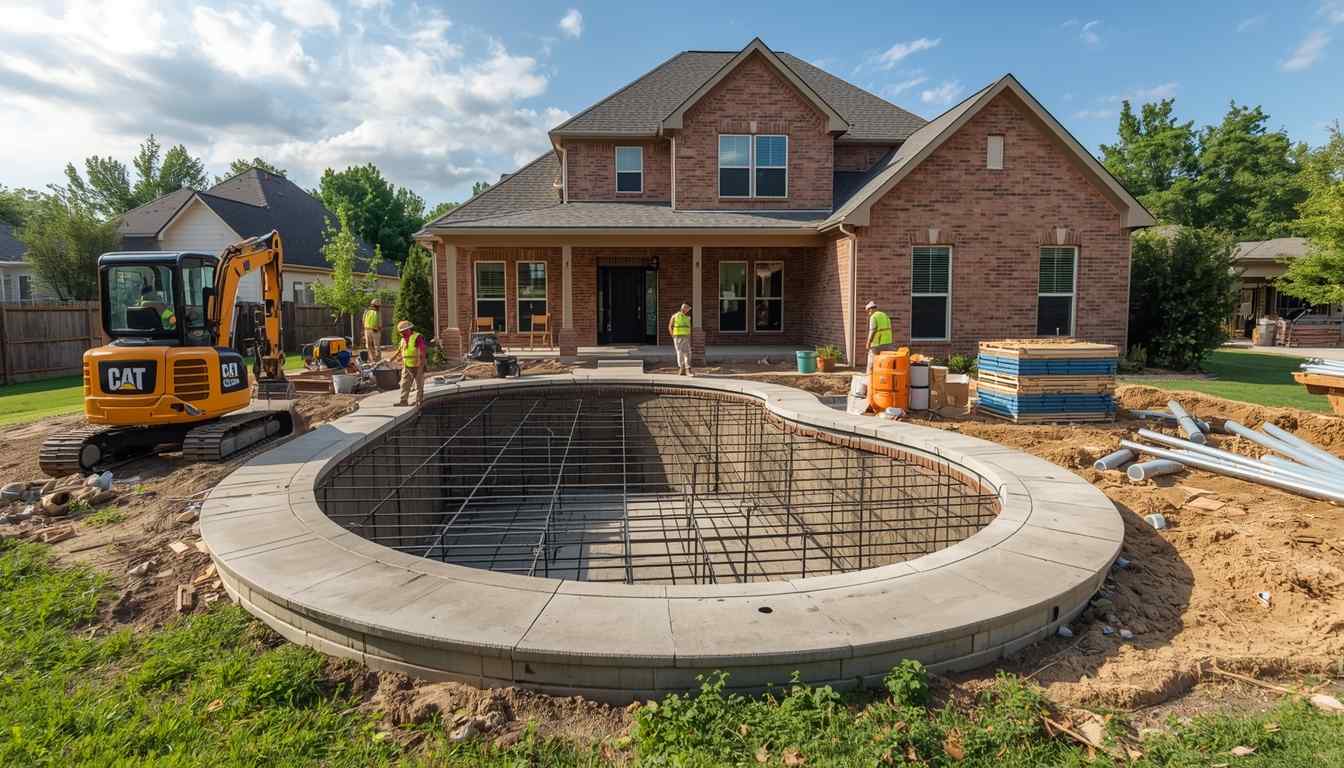
Managing a pool during construction is incredibly stressful. If you are trying to protect your pool during construction, you know the absolute mess it makes. A neglected pool during construction quickly turns into an expensive disaster. North Texas is one of the fastest-growing regions in America, meaning new home builds and commercial developments are absolutely everywhere. We see the brutal damage this causes across our service routes every single week. This is an extremely common DFW problem that nobody else talks about.
DFW Is a Construction Zone — And Your pool during construction Is Caught in the Middle
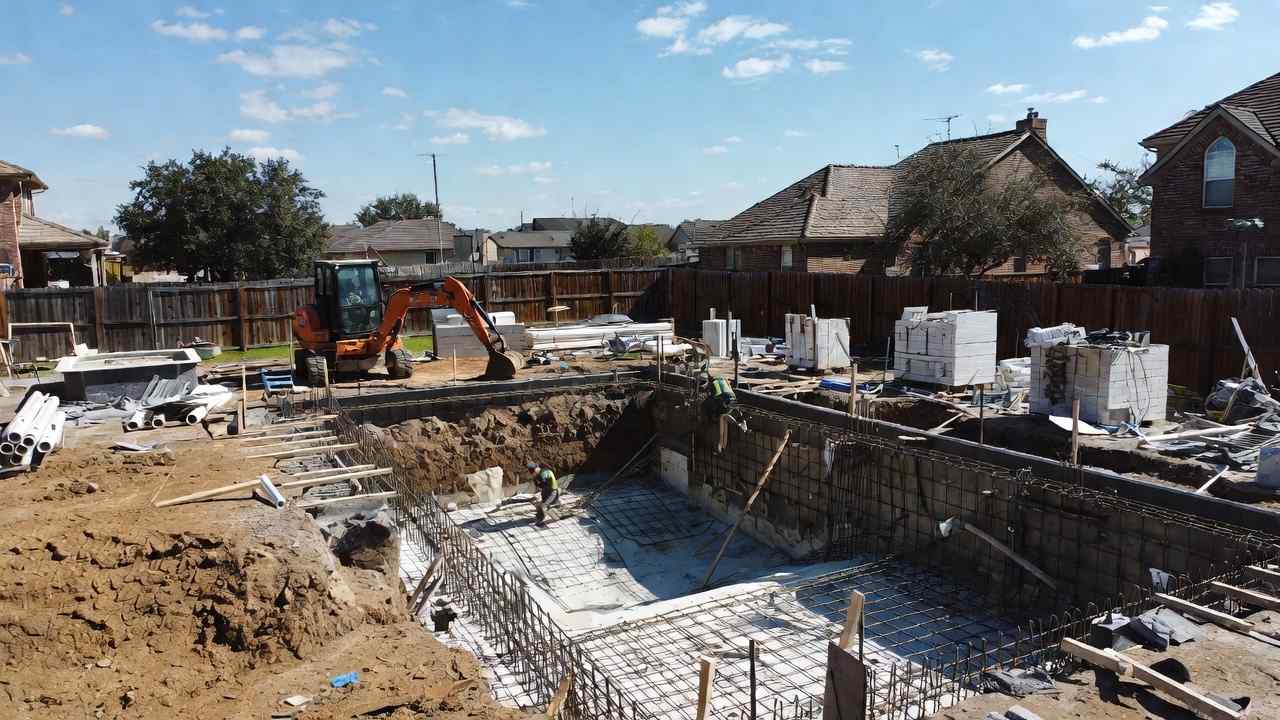
Monitoring your pool during construction here is a daily reality. Whether the dirt is coming from your own backyard remodel or the new subdivision going up next door, your water is at serious risk.
How Nearby Work Affects Your pool during construction
Construction dust in your pool during construction
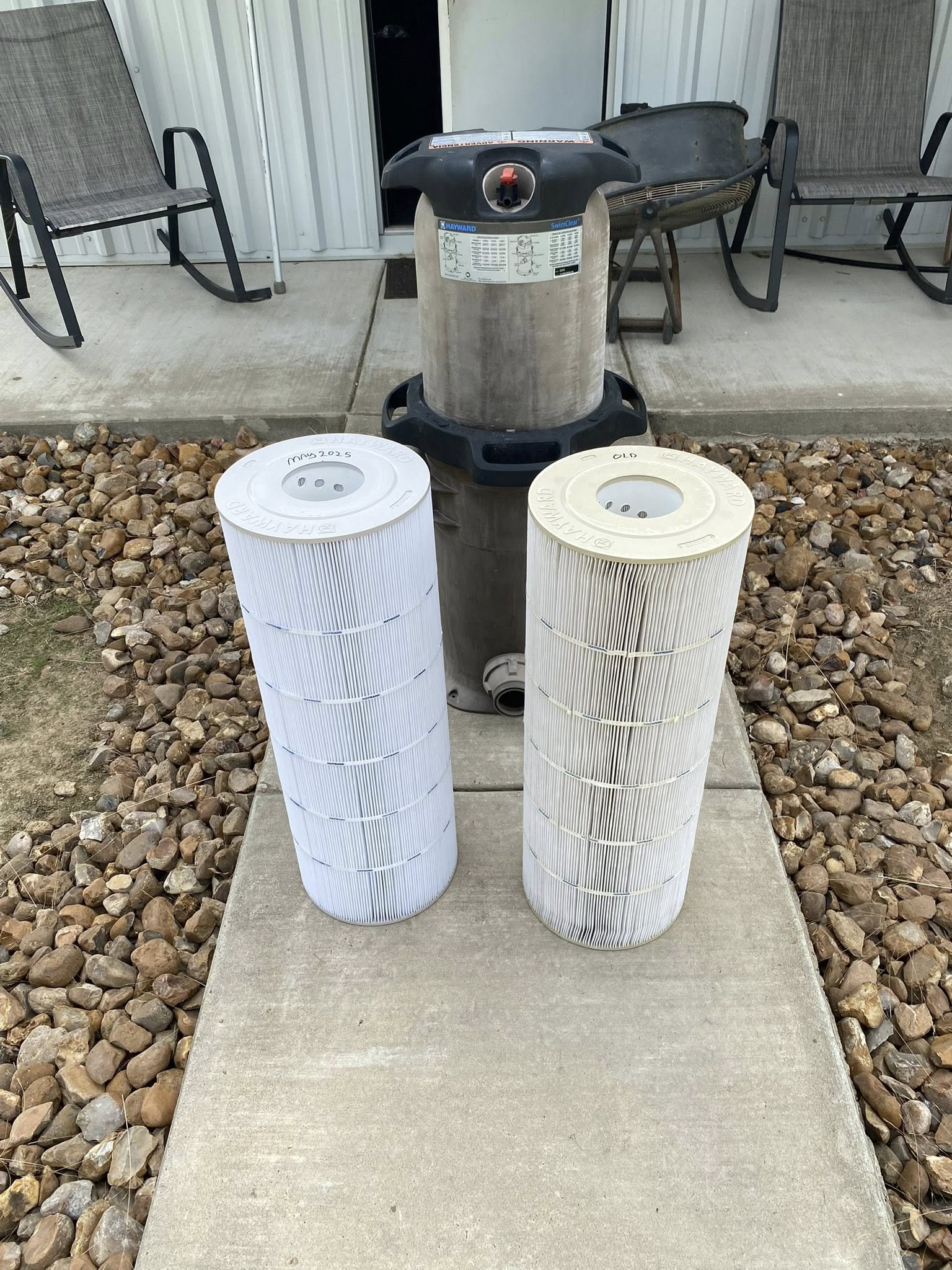
Fine particulate matter like limestone and concrete dust settles on the water surface and sinks rapidly. It completely clogs skimmer baskets, suffocates filter media, and destroys pump impellers. Plus, this calcium-rich dust drastically spikes your hard water scaling issues.
Debris hitting your pool during construction
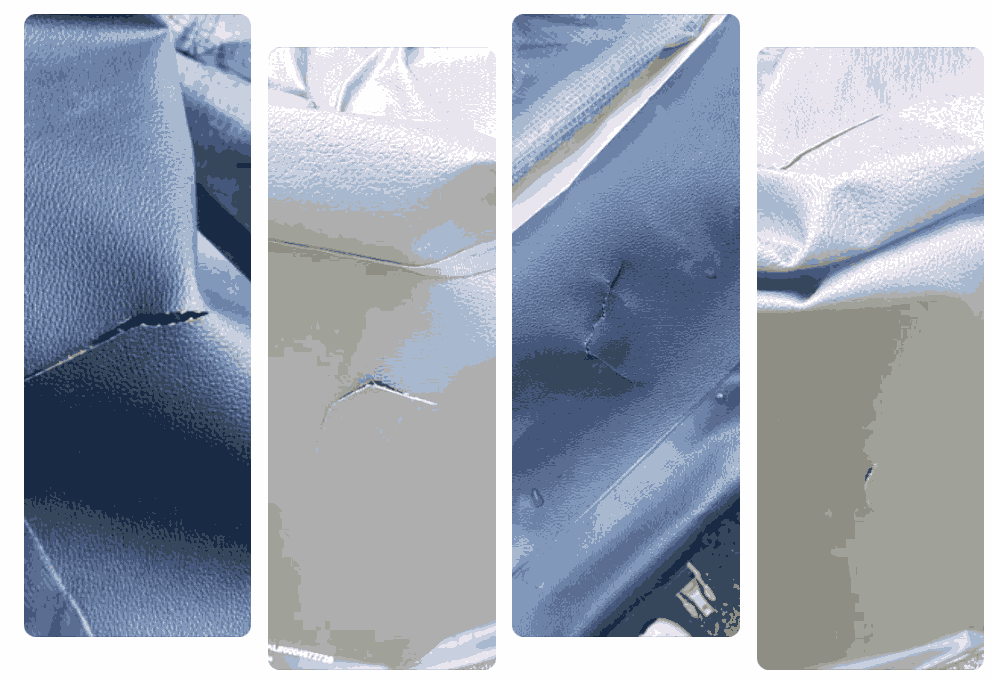
Loose materials like wood scraps, plastic wrap, and sharp nails will inevitably blow into the water. Sharp objects easily puncture vinyl liners and jam up expensive automatic sweepers.
Runoff affecting your pool during construction
Concrete wash water entering a pool during construction causes the pH to spike to dangerously alkaline levels. Rain washes paint, stain, and sealants straight into the pool, permanently staining your pool plaster.
Vibration damage to your pool during construction
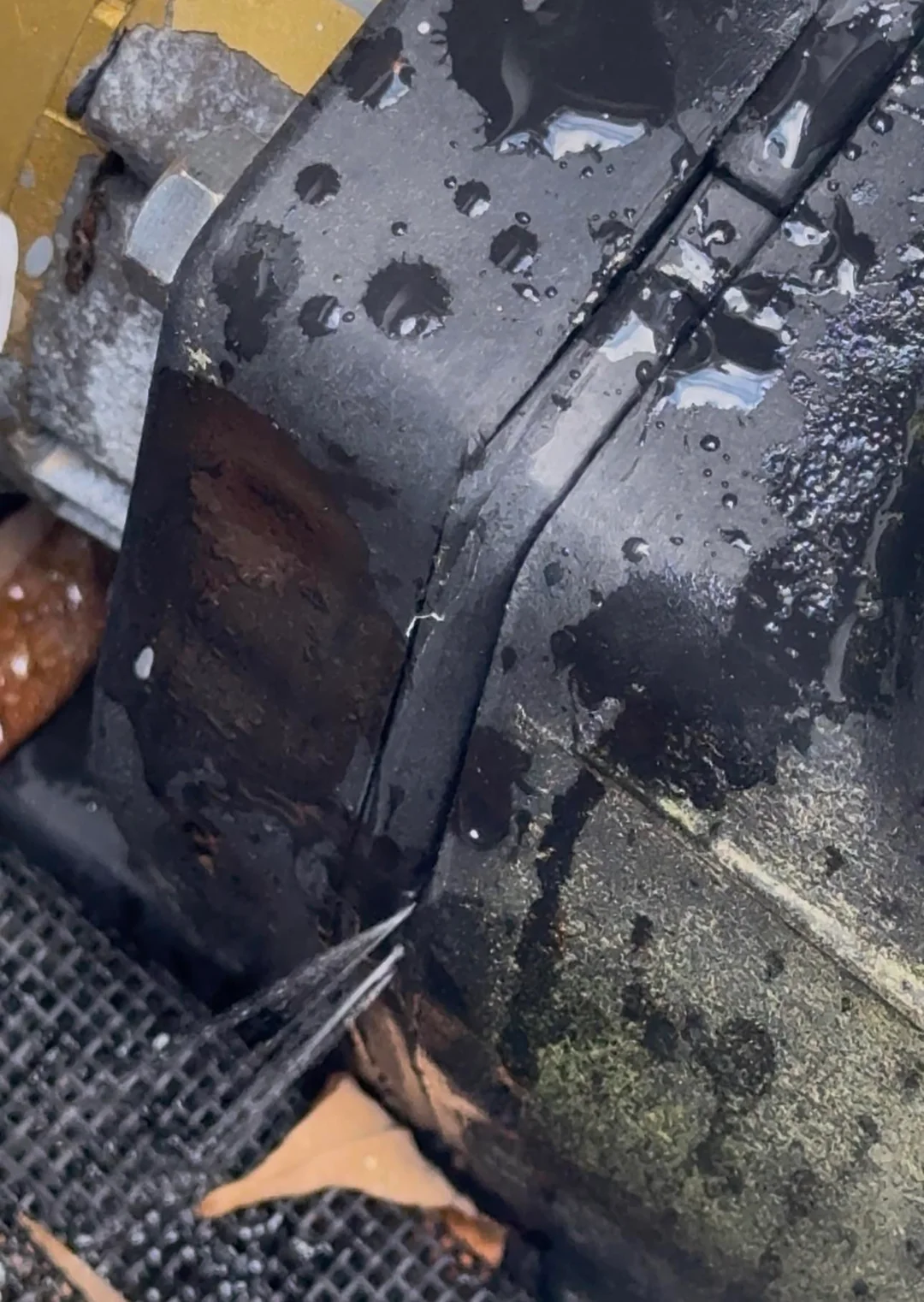
Heavy excavators and cement trucks create intense ground vibrations. In our highly expansive clay soil, this vibration accelerates soil shifting, risking a cracked pool during construction.
Increased chemical demand for your pool during construction
Because of all the contamination, your filter will need cleaning three times as often. The EPA safe guidelines emphasize that heavy particulate loading severely restricts water flow and ruins equipment.
Protecting Your pool during construction — Step by Step
Before the pool during construction starts
Cover the pool with a solid safety tarp if possible. If that isn’t practical, ask the crew to install temporary windscreen fencing to block the dirt. Always check the(https://www.weather.gov/fwd/) for high wind alerts so you know when the dust will be worst.
Managing the pool during construction phase
Skim your pool during construction daily to stop the heavy dust from sinking to the bottom. Clean your skimmer baskets every afternoon. Test the water chemistry constantly, because construction contamination shifts your pH unpredictably.
After the pool during construction ends
Perform a full water chemistry panel testing for pH, alkalinity, and heavy metals. You must do a complete deep clean on your filter media. Carefully vacuum the sediment to waste to avoid dragging abrasive rocks across your delicate surfaces.
Handling a pool during construction on YOUR Property
Communicate requirements for your pool during construction
Tell your contractor that protecting the pool during construction is absolutely mandatory. Establish a zero-tolerance policy for dumping concrete wash water anywhere near the deck. According to the Texas Commission, improper disposal of construction chemicals is an environmental hazard.
Consider a temporary shutdown for your pool during construction
If they are digging massive trenches right next to the plumbing, shutting down the pool during construction is the safest bet. Lower the water level safely below the activity zone and completely cover the shell.
When Neighbor’s Work Affects Your pool during construction
A neighbor’s project can wreck your pool during construction just as easily. Communicate early with their builders about controlling blowing debris. If the mess is severe, the PHTA suggest documenting all physical damage with photographs in case you need to file an insurance claim.
Cost Impact of a pool during construction
Expect to spend more on your pool during construction to prevent permanent damage. You will easily spend an extra $200 to $500 on extra filter cleanings, chemical shock treatments, and increased service visits to keep the water balanced.
People Also Ask
How do I protect my pool during construction?
Cover the water with a heavy-duty tarp, install temporary windscreens along your fence line, and clean your pump baskets every single day.
Can a pool during construction get damaged?
Yes, absolutely. Abrasive concrete dust destroys pump impellers, sharp debris tears liners, and heavy ground vibration can physically crack the concrete shell.
Does a pool during construction need more chemicals?
Yes. The heavy influx of foreign dirt, limestone dust, and organic debris rapidly consumes your free chlorine and causes your pH levels to spike erratically.
Should I cover my pool during construction?
Yes. Securing a solid cover over the water is the single most effective way to keep abrasive materials and chemical runoff out of your filtration system.
How do I clean my pool during construction?
You must manually vacuum heavy sediment to the waste line so it bypasses the filter, aggressively brush the walls, and follow strict CDC to rebalance the sanitizer.
Can vibration hurt a pool during construction?
Heavy machinery operating nearby vibrates the expansive Texas clay soil, which can easily crack coping stones, shift underground plumbing, and break tile lines.
PoolBurg Adjusts Service For Your pool during construction
We know how frustrating a messy backyard project can be. Let PoolBurg manage your pool during construction safely and professionally. We increase our visit frequency, enhance our filter cleaning routines, and proactively manage your chemistry to fight the dust. Keeping a pool during construction clean is our specialty. Reach out on our Contact Us page today and let our experts protect your backyard investment!