If you’ve lived in Frisco, Prosper, or McKinney for more than five minutes, you know that the “official bird” of North Texas might as well be the construction crane. We are living in one of the fastest-growing regions in the country. While that’s great for home values, it’s a total nightmare for pool owners. Look, I’ve been in the local pool industry for 35 years, and I’ve seen more than a few beautiful backyards trashed because of new homes being built near pool areas.
When a neighbor starts a project, they aren’t thinking about your filter. They’re thinking about their foundation. But the construction dust in pool water isn’t just “dirt”—it’s often a mix of limestone, concrete, and silica that can wreak havoc on your chemistry and equipment. This guide is the honest truth on how to protect your pool from construction dust in pool disasters so you don’t end up with a stained surface or a fried pump motor.
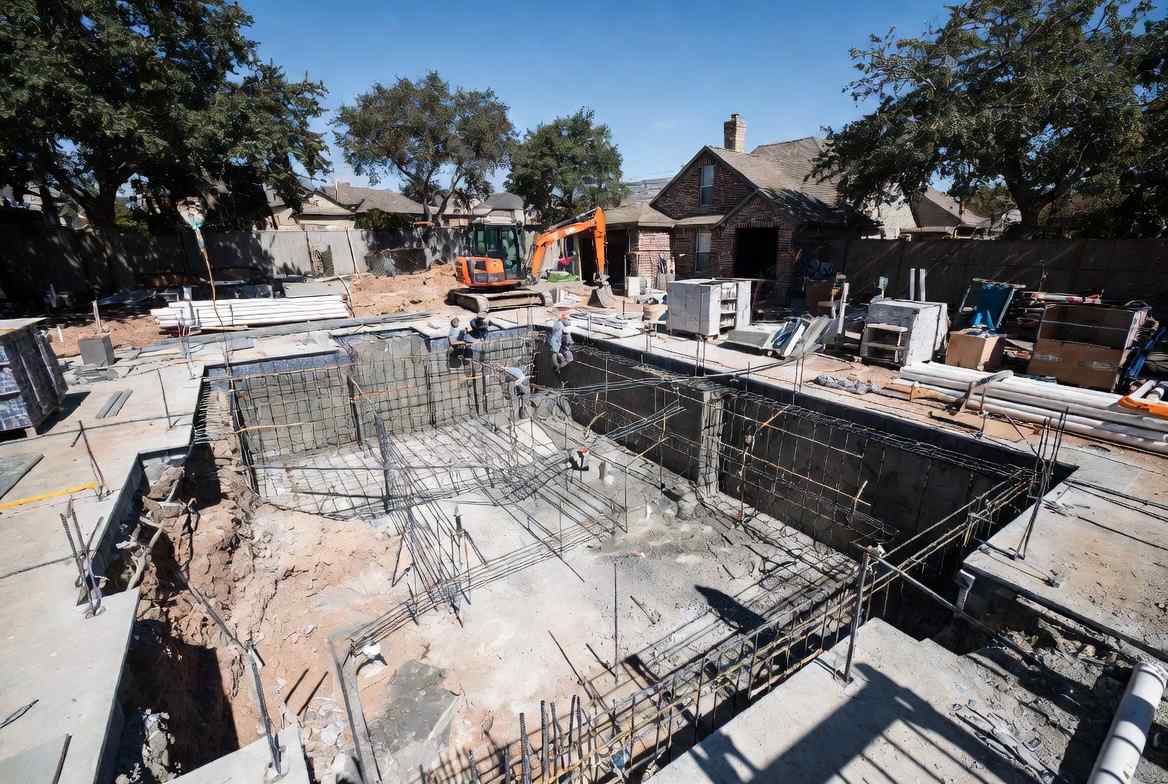
DFW Is a Construction Zone — And Your Pool Is Caught in the Middle
North Texas is booming. According to current residential construction data, the South remains the leader in new home starts. In DFW, that means a constant cloud of particulate matter. If there is a bulldozer within three houses of you, your pool is at risk. This is an extremely common local problem that most generic pool blogs ignore, but in Frisco, it’s a daily battle for our service techs.
How Nearby Construction Affects Your Pool
Construction dust
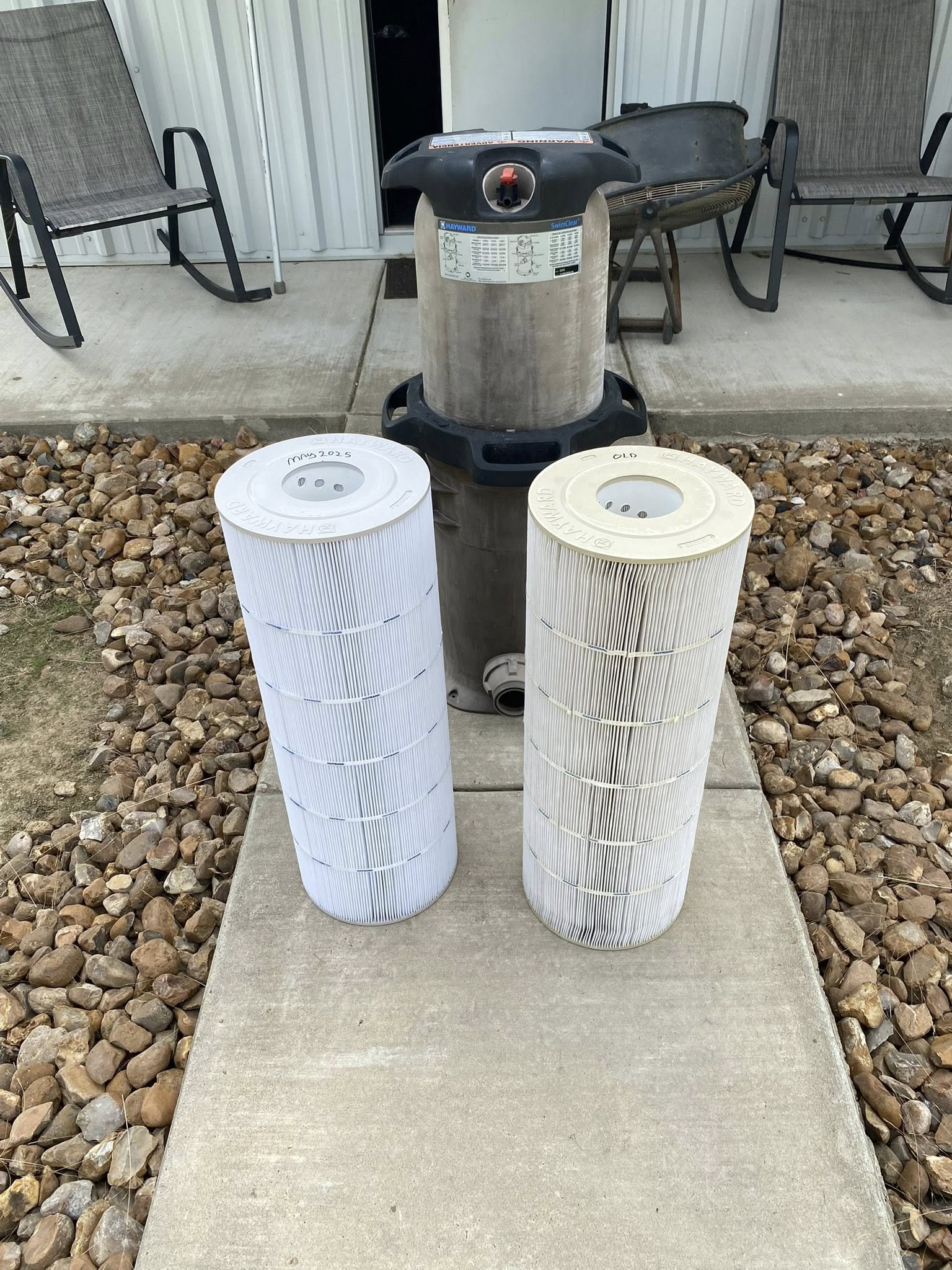
DFW dust is different. It’s heavy in limestone and concrete particles. When this construction dust in pool water settles, it doesn’t just sit there. It clogs your filter media and can even act like sandpaper, scratching your plaster if you use a manual vacuum without the right technique. It also drives up your Total Dissolved Solids (TDS), which the WQA notes can make your chemicals much less effective.
Runoff and pH Spikes
This is the big one. If rain washes concrete wash-water into your pool, you’re in trouble. Concrete wash-water has a pH of 12 or higher. Even a small amount will send your alkalinity through the roof and can cause permanent “scaling” or staining on your tile.
Vibration and Clay Soil
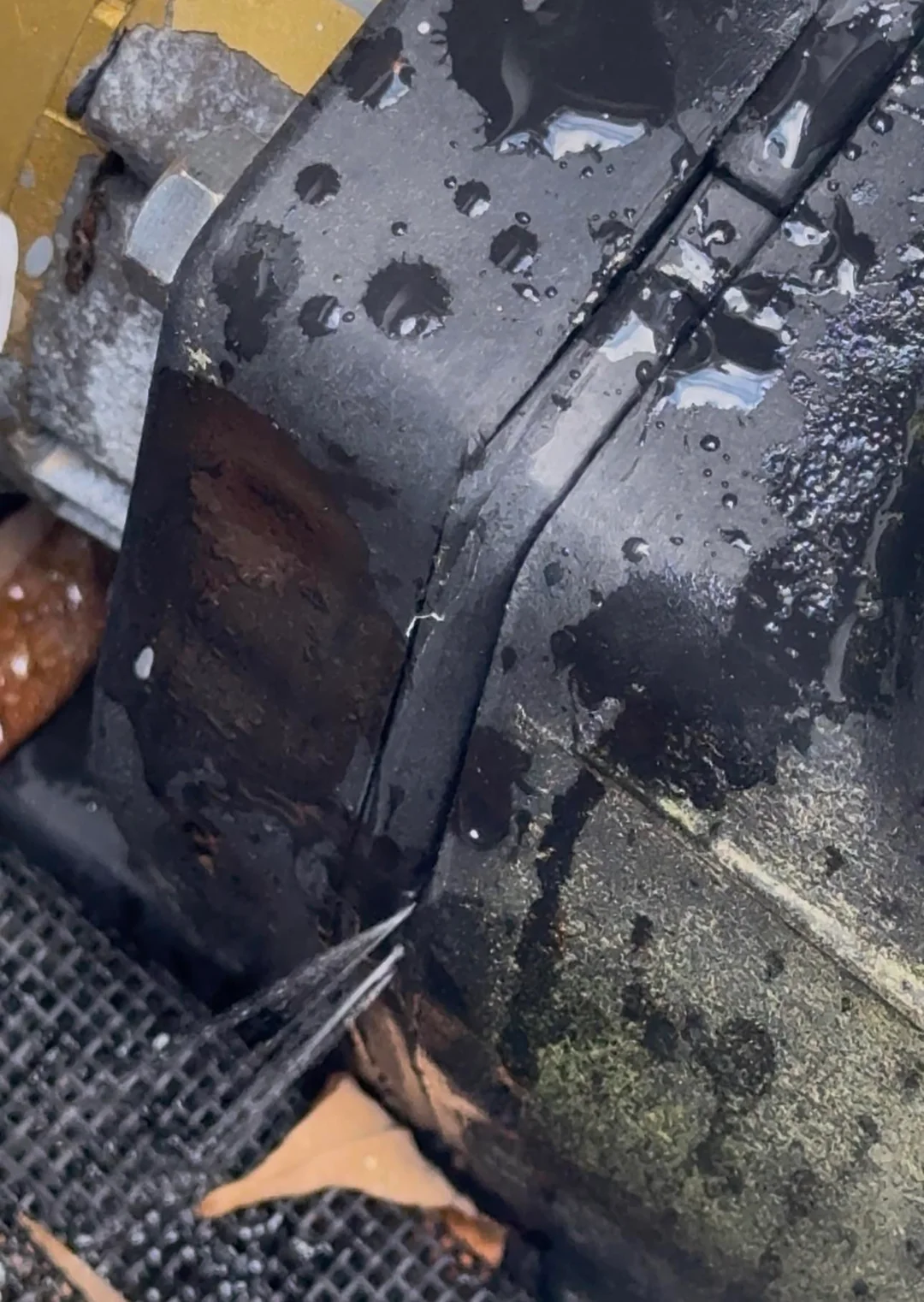
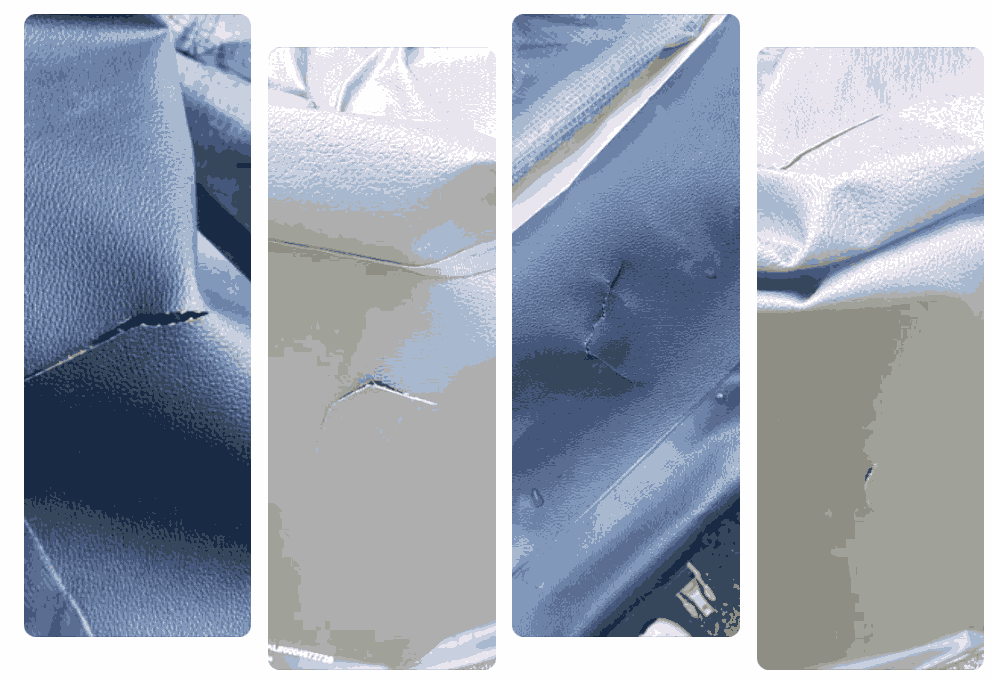
North Texas is famous for expansive clay soil. When heavy excavators or concrete trucks are rumbling next door, the vibration can actually accelerate soil shifting. We’ve seen this cause hairline cracks in coping and tile work. According to structural engineering research, vibrations can significantly alter the strength parameters of clay soil, which is a major concern for pool structural integrity.
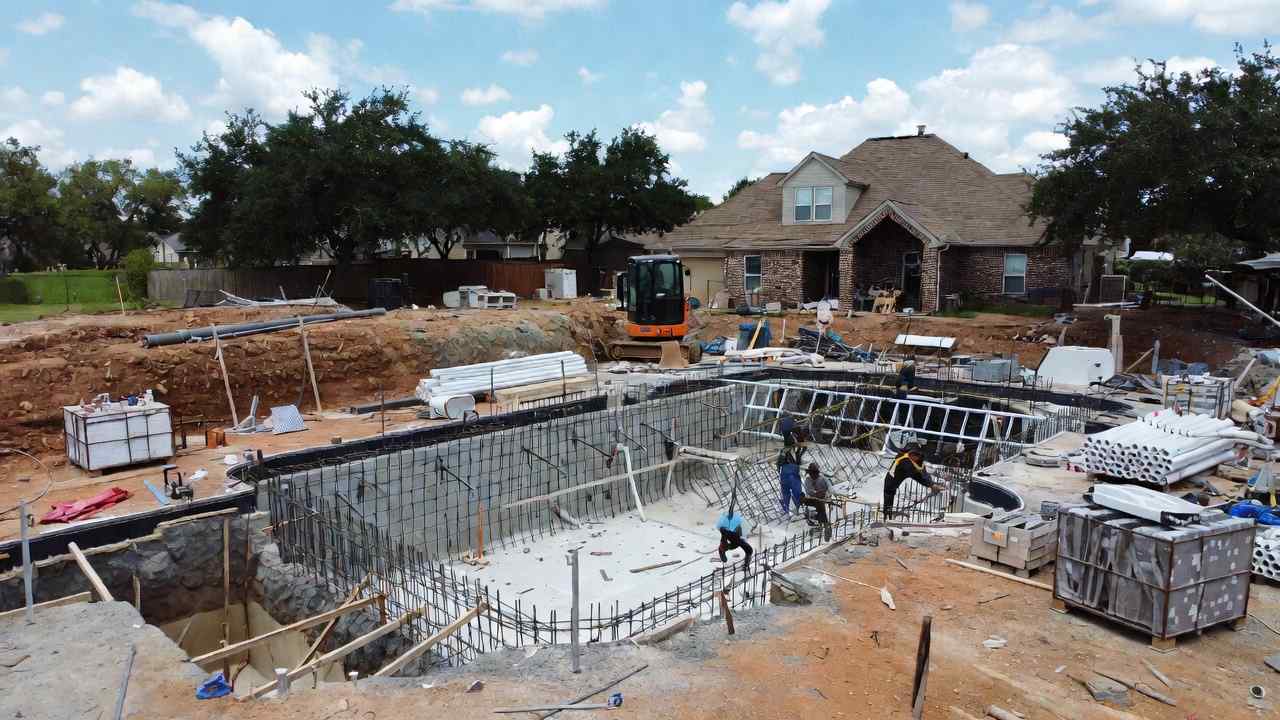
Protecting Your Pool During Construction — Step by Step
Before construction starts
If you can, cover the pool with a solid safety cover. If that’s not practical, I recommend installing a temporary “windscreen” fence between the construction site and your yard. Also, take photos of your pool’s current condition. If the vibration from new homes being built near pool lines causes a crack, you’ll need that evidence for a claim.
During the project
You have to be proactive.
- Clean baskets daily: They will fill with fine dust rapidly.
- Clean the filter: You’ll likely need to do this 2-3x more often than normal.
- Test chemistry: Check your levels at least twice a week. Construction runoff shifts pH unpredictably. The CDC remind us that maintaining proper pH is the only way to keep your sanitizer working against the “organic load” construction brings in.
After the dust settles
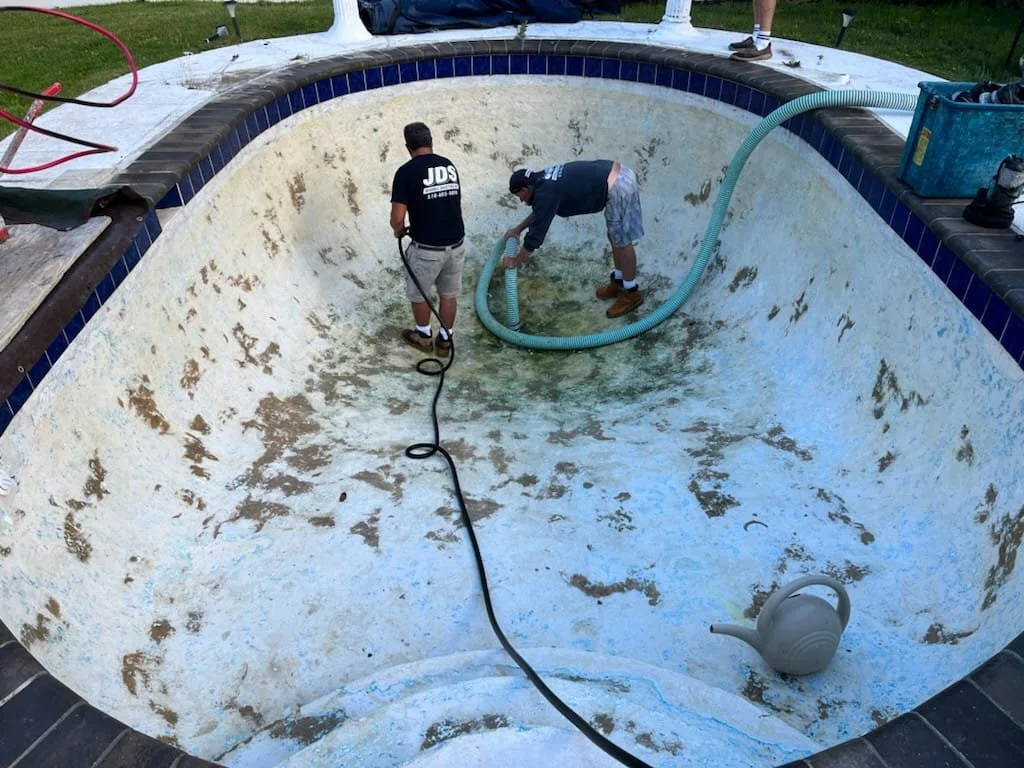
Once the neighbors move in, do a deep dive. Perform a full chemistry panel, including TDS and metals. You might need a filter deep clean or even a partial drain and refill to get rid of the “old” mineral-heavy water.
Construction on YOUR Property
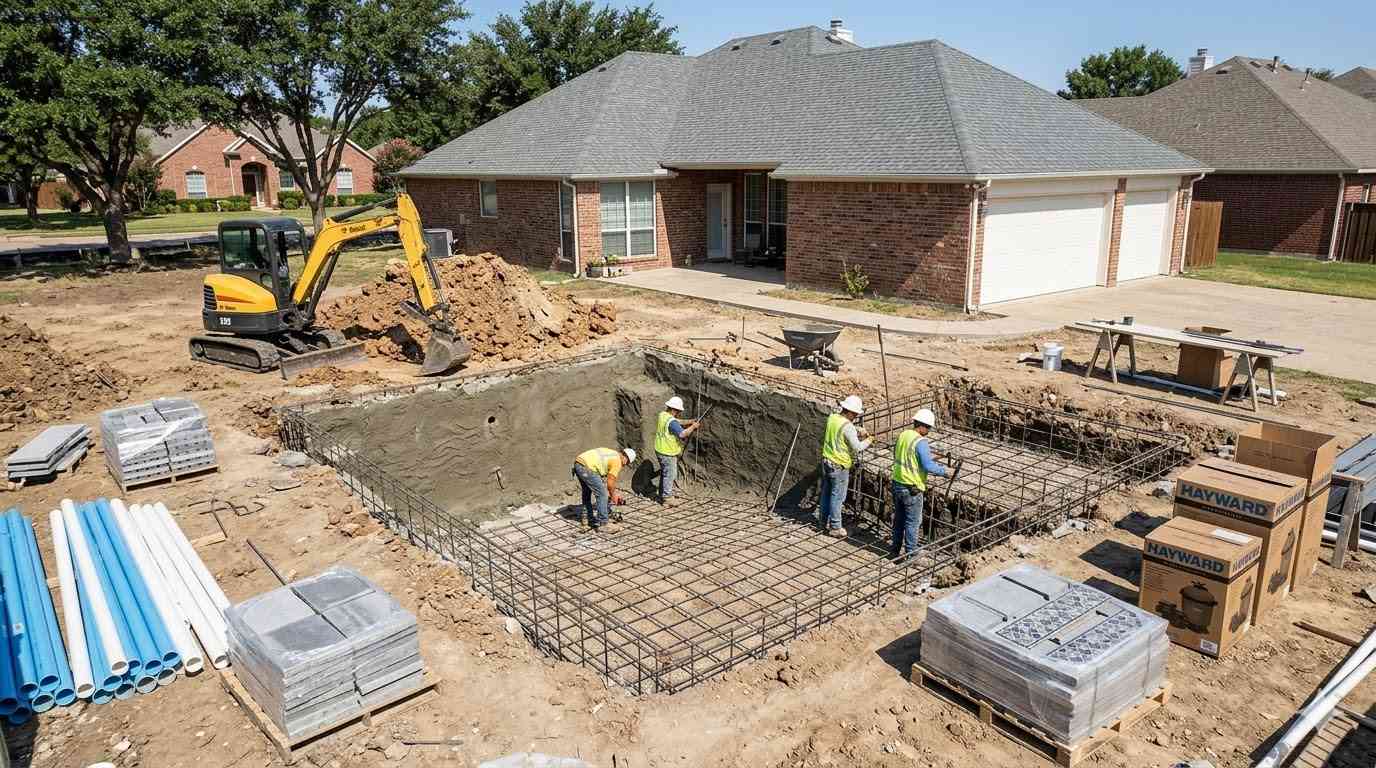
If you’re the one doing the remodel, you have the power. Tell your contractor that there is a zero-tolerance policy for concrete wash-water near the pool. Make sure they store materials far away from the water’s edge. If the digging is directly adjacent to your plumbing, we sometimes recommend a temporary shutdown and lowering the water level to prevent debris from being sucked into the pipes.
Construction-Related Maintenance Cost Impact
Don’t be surprised if your maintenance budget takes a hit during a nearby build. Between extra filter cleanings ($50–$300) and increased chemical demand, you could be looking at an extra $200 to $1,000 over the course of the project. While average pool maintenance costs are usually predictable, construction is the “wild card.”
People Also Ask
How do I protect my pool from construction dust?
A solid cover is best, but a temporary windscreen and running your pump extra hours to keep the water filtering are your next best bets.
Can construction near my pool damage it?
Yes. Beyond the water chemistry, heavy equipment vibration can shift the DFW clay soil and cause structural cracks.
Does construction dust affect pool water chemistry?
Absolutely. It introduces minerals that spike pH and alkalinity, making your chlorine work twice as hard.
PoolBurg Adjusts Service During Construction Periods
At PoolBurg, we know how to handle the Frisco building boom. If there’s a project starting next door, let us know. We can increase our visit frequency and stay ahead of the construction dust in pool filters before it causes a breakdown. Construction happening near your pool? Alert PoolBurg — we’ll adjust your service to protect your pool during the entire project.