Pool leak foundation damage is one of the most expensive problems a DFW homeowner can face — and one of the easiest to prevent if you catch it early. North Texas sits on expansive clay soil that swells when wet and shrinks when dry. Your pool and your home’s foundation are both embedded in this unpredictable ground, and when a pool leak saturates the soil between them, the consequences escalate fast. If you’ve ever wondered does pool affect foundation stability, the answer in DFW is absolutely yes. Understanding how your pool near house foundation DFW conditions interact could save you tens of thousands of dollars.
How DFW Clay Soil Creates Pool Leak Foundation Damage
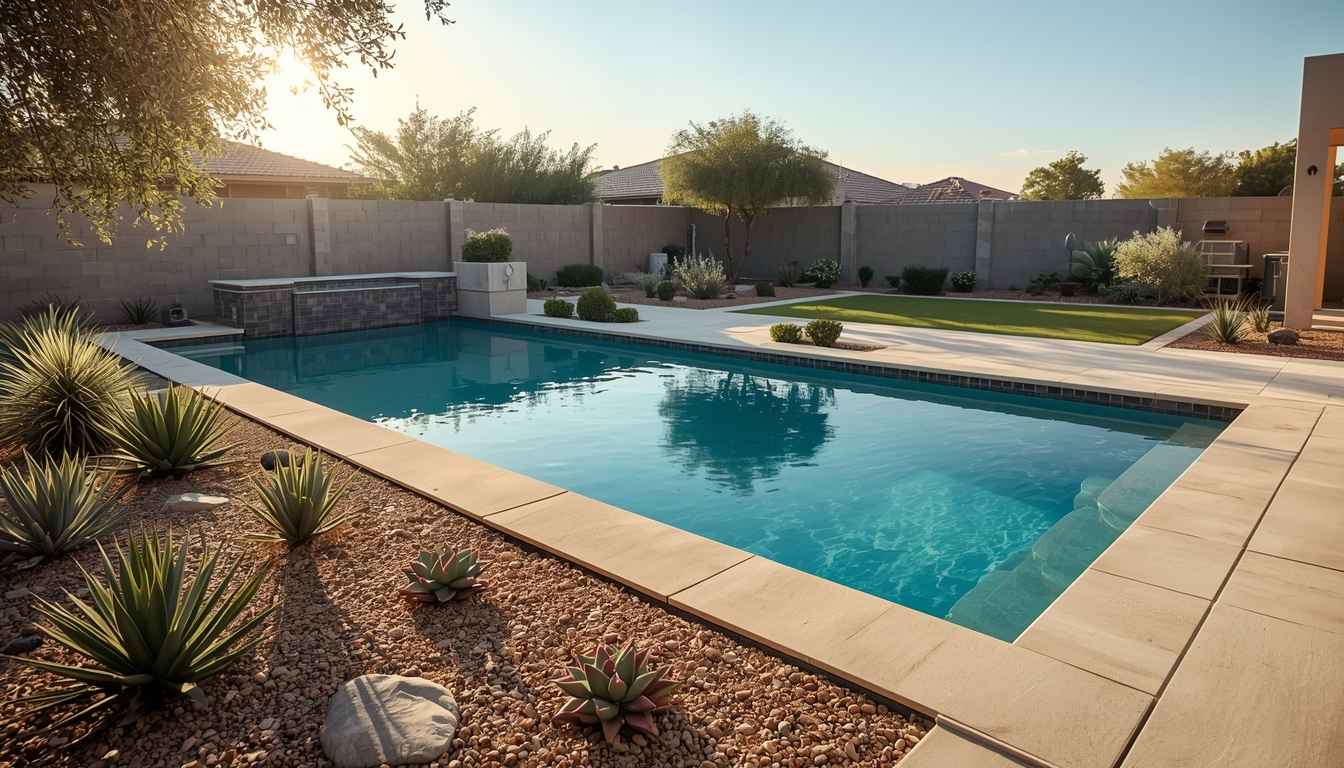
The cycle repeats every year. During dry periods, DFW clay contracts — soil pulls away from structures, gaps form, and settling occurs. During wet periods, the clay swells back, pushing against structures and causing heaving and lifting. Both your pool shell and your house slab absorb this stress annually. The North Central Texas Council of Governments identifies expansive clay soil as the single largest factor in residential structural damage across the DFW metro.
Now add a pool leak to this equation. A pool losing 500 gallons per day saturates the soil on one side of your foundation. That saturated soil swells unevenly while the dry side stays contracted. Differential movement — one side pushing up while the other stays level or sinks — is exactly what causes foundation cracking and structural damage. Over months, pool leak foundation damage from a moderate leak can cost $5,000 to $50,000+ in foundation repair alone. Our leak detection guide covers how to identify water loss before it reaches this point.
How Clay Soil Damages Pool Structures Too
The relationship goes both directions. Soil movement shifts pool shells, cracks decks, breaks plumbing at joints, and cracks skimmer bodies from differential pressure. Our deck repair guide covers how DFW clay creates the heaving, settling, and separation that pool owners see on their decks. According to the Pool & Hot Tub Alliance, expansive soil is the leading cause of structural pool damage in warm-climate markets — and DFW sits at the extreme end of that spectrum. Cracked plumbing from soil movement becomes the leak that then damages the foundation — a self-reinforcing cycle that gets worse the longer it goes undetected.

Warning Signs Your Pool May Be Affecting Your Foundation
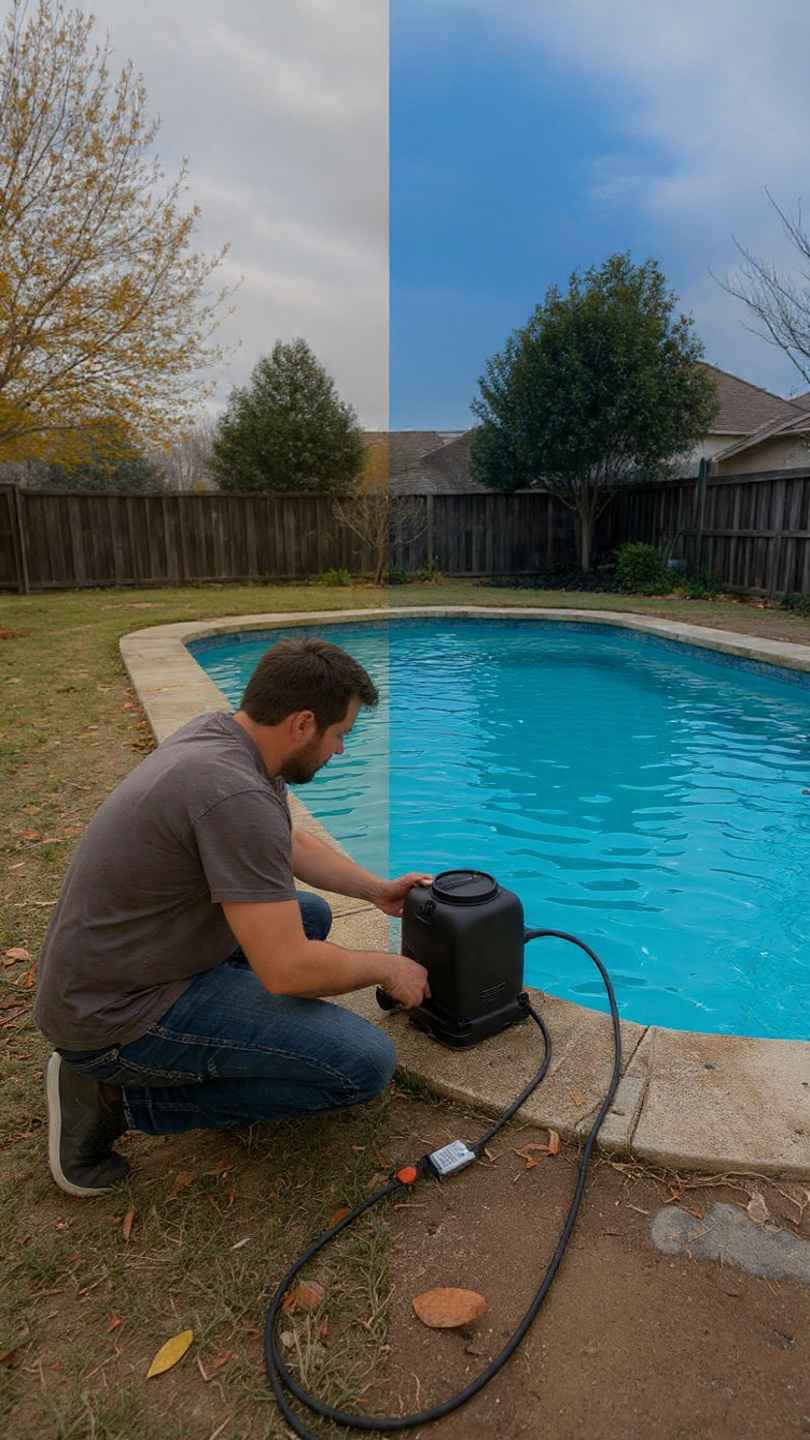
Unexplained wet spots or persistently damp soil between the pool and the house. A strip of unusually lush green grass between the pool and the foundation while surrounding grass is stressed and dry — that’s a classic underground leak indicator. New interior cracks appearing on the wall facing the pool side of the house. Doors sticking or not closing properly on the pool side. A foundation inspection showing differential movement toward the pool. And pool water level dropping faster than evaporation explains — our water testing guide covers the bucket test for confirming leak versus evaporation. The HomeAdvisor estimates that catching a pool leak within the first month versus letting it run for 6 months saves an average of $8,000 to $25,000 in combined pool and foundation repair costs.
How to Protect Both Your Pool and Foundation in DFW
Fix pool leaks immediately. Any unexplained water loss should be investigated — don’t assume it’s evaporation. A pool near house foundation DFW conditions means even small leaks have outsized consequences because of the clay soil amplification effect. Our leak detection guide walks through the confirmation and repair process.
Maintain consistent soil moisture around the foundation. Soaker hoses running along the foundation perimeter are standard DFW foundation maintenance. Keeping soil moisture even prevents the differential swelling that causes damage. The U.S. Department of Energy notes that managing soil moisture around residential structures is a critical maintenance practice in expansive clay regions.
Ensure proper drainage. Your pool deck and landscape should drain away from the house, not toward it. Water pooling between the pool and foundation is a red flag. Our deck repair guide covers drainage issues related to deck settling and separation.
Monitor water levels proactively. Professional pool service includes tracking water level consistency — that’s your early warning system for leaks. If your pool near house foundation DFW setup is closer than 10 feet, water level monitoring is especially critical.
Get a foundation inspection if you notice symptoms. Sticking doors, new drywall cracks, and uneven floors on the pool side of the house all warrant a professional foundation evaluation. Early detection of pool leak foundation damage limits the repair scope dramatically.
Pool Distance From Foundation in DFW
Most DFW builders place pools 5 to 10+ feet from the house. Closer configurations like attached pools and zero-edge designs require additional waterproofing and drainage engineering. But distance alone doesn’t eliminate risk — proper drainage matters more than distance. A pool 20 feet away with a major leak and poor drainage can still saturate the soil under your foundation. According to the Consumer Product Safety Commission, pool-to-structure drainage planning should be part of every new pool installation and major renovation.
People Also Ask
Can a pool leak damage my foundation?
Yes, especially in DFW clay soil. A pool leak saturates soil unevenly, causing differential swelling that pushes the foundation and creates cracking. Pool leak foundation damage from a moderate leak can cost $5,000 to $50,000+ if not caught early.
How close can a pool be to a house in Texas?
Most DFW builders maintain 5 to 10+ feet. Closer configurations require additional waterproofing and drainage engineering. Proper drainage away from the foundation matters more than raw distance.
Does DFW clay soil damage pools?
Yes. Expansive clay causes shell shifting, deck cracking, plumbing breaks, and skimmer body cracks from differential soil movement. It’s the leading cause of structural pool damage in North Texas.
How do I know if my pool is leaking near my house?
Watch for wet spots between pool and house, a lush green grass strip while surrounding lawn is dry, pool water dropping faster than evaporation, or new interior cracks on the pool side of the house. A bucket test confirms whether water loss exceeds evaporation. Our maintenance services include water level monitoring at every visit.
Should I worry about my pool affecting my foundation?
Only if there’s a leak or drainage problem. A properly maintained, leak-free pool with correct drainage poses no foundation risk. The concern is undetected leaks saturating soil in DFW’s clay conditions. Professional service catches water loss early before it becomes a foundation issue.
PoolBurg Monitors for Leaks at Every Service Visit
Water level tracking, equipment pad inspection, and proactive leak detection referral when something doesn’t look right. Pool leak foundation damage is preventable when you catch it early. Contact PoolBurg and let us keep an eye on your pool so a small leak never becomes a $50,000 foundation problem.