Most beginner pool care mistakes come from waiting until the water looks bad. By then, the pool has usually been struggling for days. A clean pool is not just about looks; it is about safe, balanced water, healthy circulation, and equipment that is not being forced to work harder than it should.
Think of pool maintenance for beginners like brushing your teeth. You do not wait for pain before doing the basics. You build a routine, keep it boring, and let boring save you money. PoolBurg’s pool maintenance tips are built around that same idea: small weekly habits prevent big repair bills.
The Four Things Every Beginner Must Understand
Every good pool care routine comes down to four basics: circulation, filtration, cleaning, and chemistry. Circulation means the pump is moving water. Filtration means the filter is catching fine debris. Cleaning means brushing, skimming, and vacuuming the stuff your filter cannot grab. Chemistry means chlorine, pH, alkalinity, stabilizer, and other levels are sitting where they should.
The Pool & Hot Tub Alliance maintenance guide explains the same big picture: test the water, remove debris, clean the filter, and keep equipment operating properly. Pool maintenance for beginners becomes much less intimidating when you stop treating these as separate chores and start seeing them as one system.
Beginner Pool Maintenance Checklist
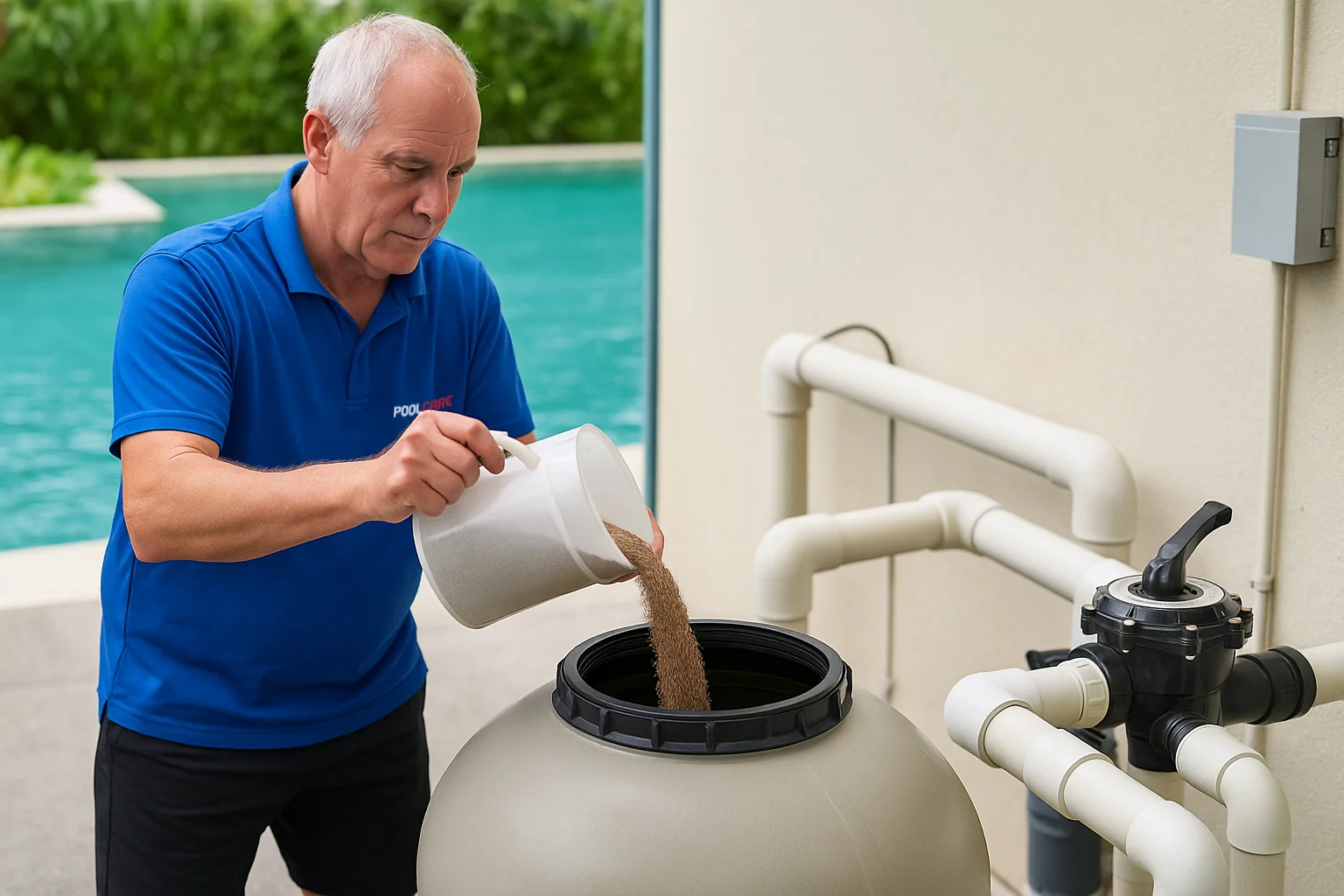
Here is a practical weekly pool care checklist most new owners can follow:
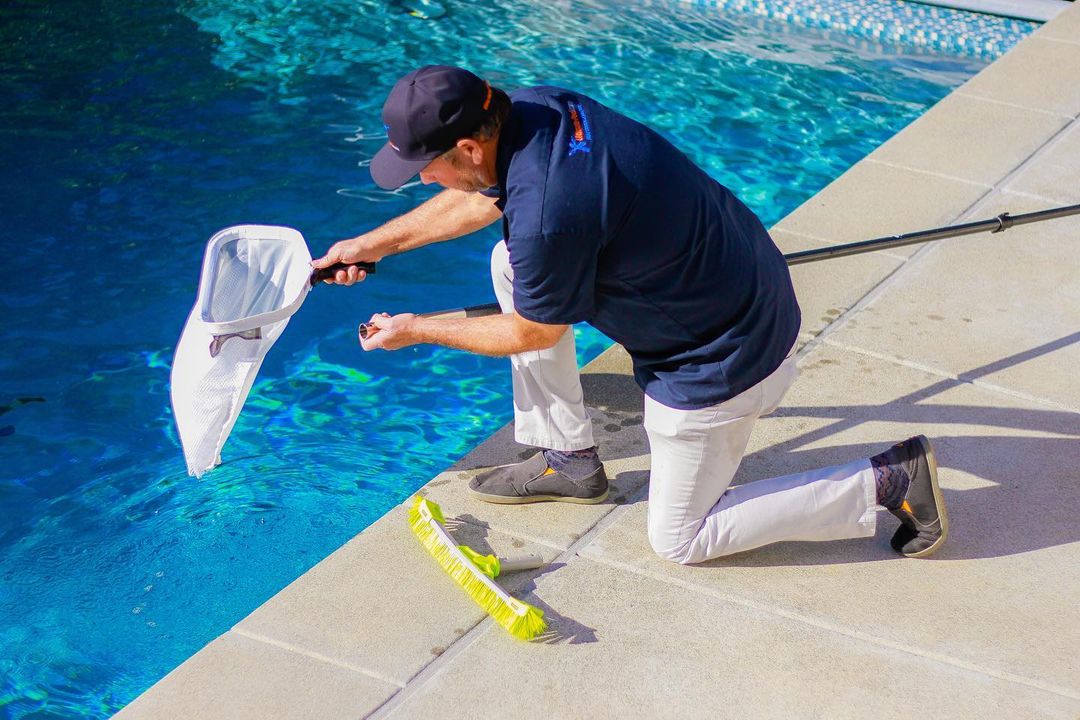
- Skim leaves, bugs, and floating debris from the surface.
- Empty skimmer baskets and the pump basket.
- Brush walls, steps, benches, corners, and the waterline.
- Vacuum the floor or run the cleaner and confirm it is moving properly.
- Test chlorine and pH at minimum, then adjust carefully.
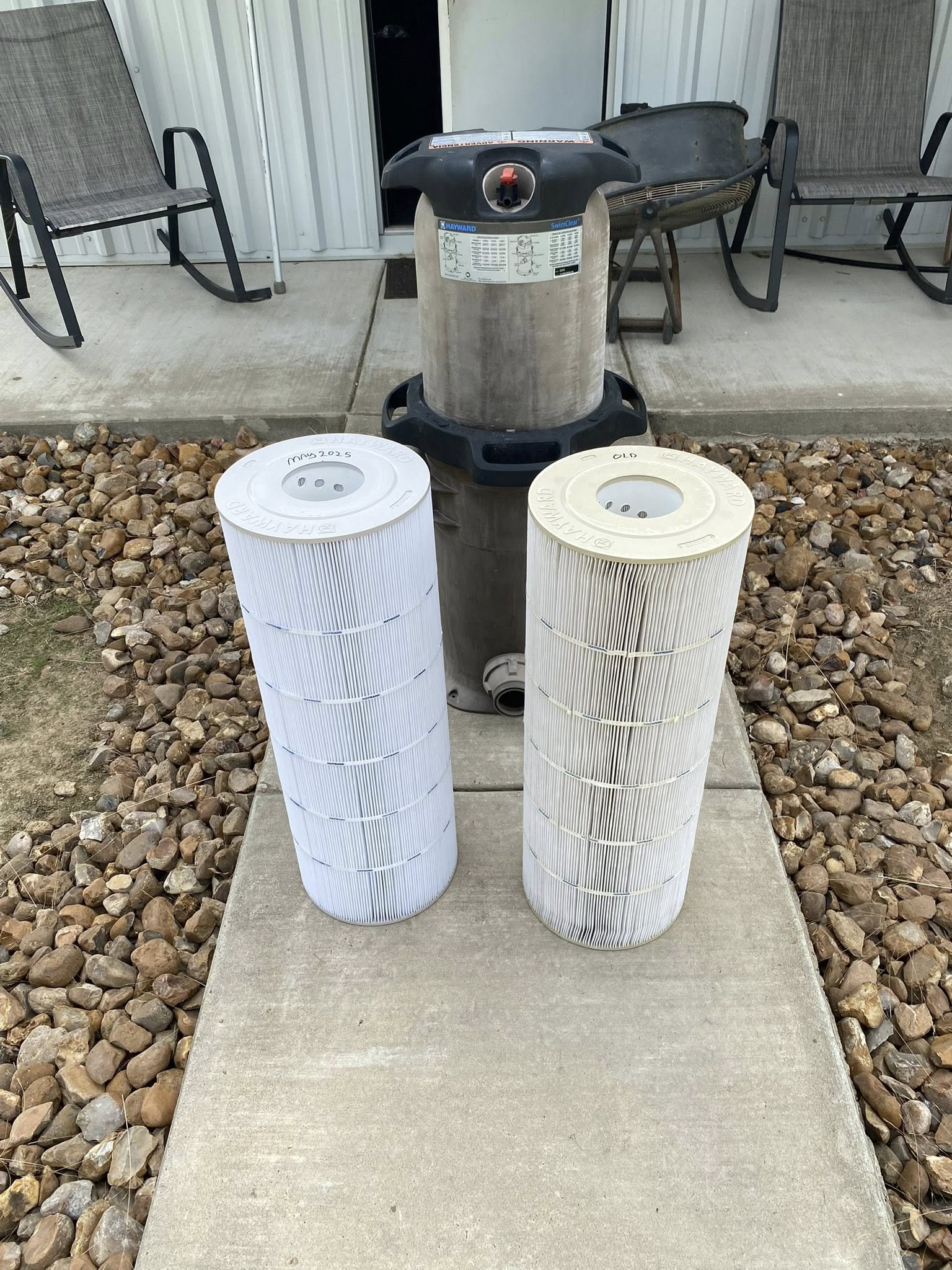
- Check filter pressure and clean or backwash when needed.
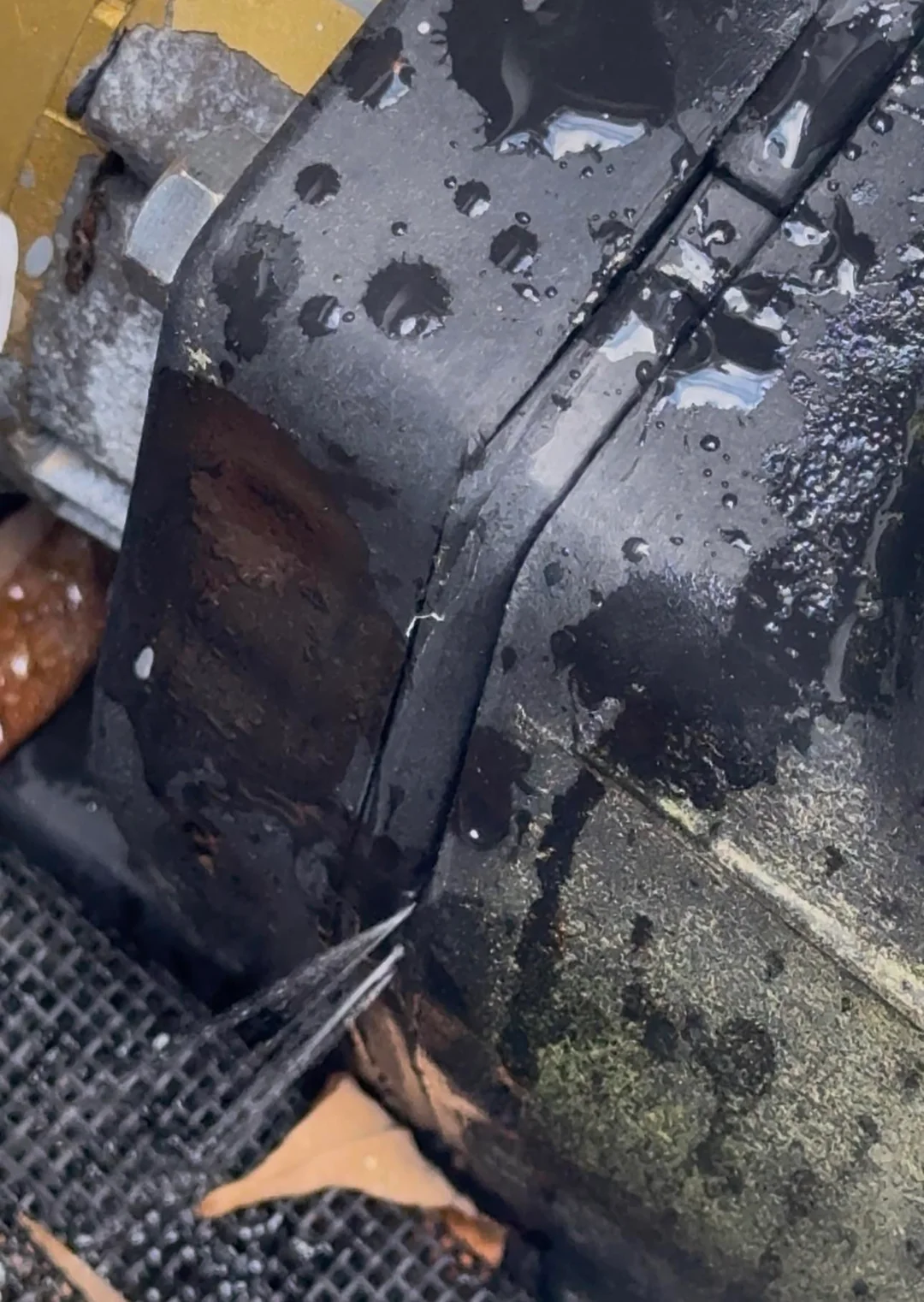
- Listen for unusual pump sounds and look for drips at the equipment pad.
This is the heart of pool maintenance for beginners. It is not glamorous, but it works. After storms, heavy swimming, or a windy North Texas weekend, you may need to do extra cleanup. PoolBurg’s PoolBurg post-storm pool recovery guide is a good reminder that weather can change pool water fast.
What Chemicals Do Beginners Need?
Most first time pool owner questions start here, and honestly, it makes sense. The main chemicals beginners usually need are chlorine, pH reducer, alkalinity increaser, stabilizer, shock, and sometimes salt if the pool has a salt system. Clarifier and algaecide can help in specific situations, but they are not magic fixes for poor circulation or bad balance.
For safe water, the CDC home pool water treatment and testing guidance says home pools should keep pH in range and maintain proper sanitizer levels. The exact products you use depend on your pool type, test results, and equipment. Do not just “add a little of everything.” That is how beginners create cloudy water, scale, or irritated eyes.
Also, store and handle chemicals carefully. The CDC pool chemical safety page is worth reading because acids, chlorine products, and shock should not be casually mixed or stored together. Pool maintenance for beginners should always include chemical safety, not just chemical dosing.
Common Beginner Pool Maintenance Mistakes
The biggest mistake is cleaning only when the pool looks dirty. Another classic one is ignoring pH because chlorine “looks fine.” When pH is off, chlorine can become less effective, scale can form, and swimmers may feel irritation.
Beginners also tend to add too many chemicals at once, forget to brush, run the pump too little, or skip filter cleaning. If your pump is old or struggling, the rest of the pool care checklist gets harder. When circulation becomes unreliable, a professional look at pool pump replacement may make more sense than fighting weak flow every week.
How Often Should a Beginner Maintain a Pool?
Weekly is the baseline. In a Texas summer, some pools need checking more often, especially after storms, parties, heat waves, or heavy pollen. Test your water, empty baskets, brush, skim, and inspect the equipment at least once a week. Monthly, do deeper checks such as filter condition, cleaner performance, salt cell status, and visible leaks.
Pump runtime also matters. ENERGY STAR pool pump guidance notes that efficient pool pumps can reduce energy use, and the Department of Energy pool pump efficiency advice explains how circulation design and operation affect electricity use. For a beginner, the simple takeaway is this: running the pump correctly helps the water stay clear, but running inefficient equipment all day can get expensive.
When Beginners Should Call a Pool Service
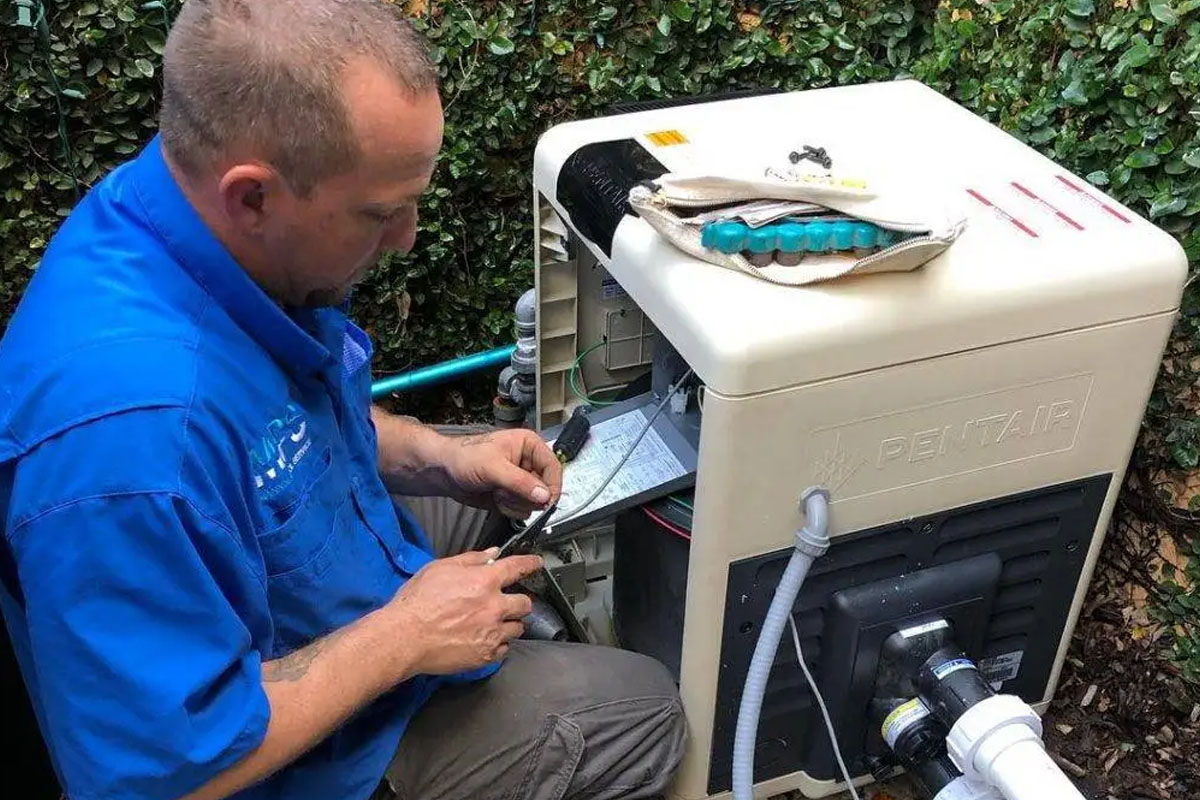
DIY pool maintenance for beginners works when the water is stable and you are consistent. But call a pro when the pool stays cloudy, turns green, keeps losing chlorine, has pump problems, has heater issues, or makes you feel like you are guessing every weekend.
If you bought a home with a pool, a PoolBurg pool inspection can also help you understand what equipment you own, what is aging, and what needs attention. That first visit can save a new owner from expensive beginner mistakes.
People Also Ask
How do you maintain a pool for beginners?
Start with a weekly pool care checklist: skim, empty baskets, brush, vacuum, test chlorine and pH, adjust chemistry carefully, check filter pressure, and inspect equipment for leaks or strange noises.
What chemicals do I put in my pool for the first time?
Most pools need chlorine, pH control, alkalinity control, stabilizer, and sometimes shock. The right amount depends on test results, not guessing.
Is it hard to maintain a pool yourself?
It is manageable if you are consistent. It becomes hard when testing is ignored, brushing is skipped, or equipment problems go unnoticed.
How often should pool maintenance be done?
Weekly maintenance is the minimum for most residential pools. During Texas heat, storms, or heavy use, testing and cleaning may need to happen more often.
What are common pool maintenance problems?
Cloudy water, algae, high pH, low chlorine, dirty filters, clogged baskets, weak circulation, and pump or cleaner issues are common beginner problems.
PoolBurg Helps New Pool Owners Keep It Simple
Pool maintenance for beginners should not feel like a second job. PoolBurg helps DFW homeowners build a clear routine, understand their equipment, balance the water correctly, and spot problems before they become expensive. If you want clean water without babysitting the pool every week, contact PoolBurg and ask about a first-visit assessment or ongoing service.