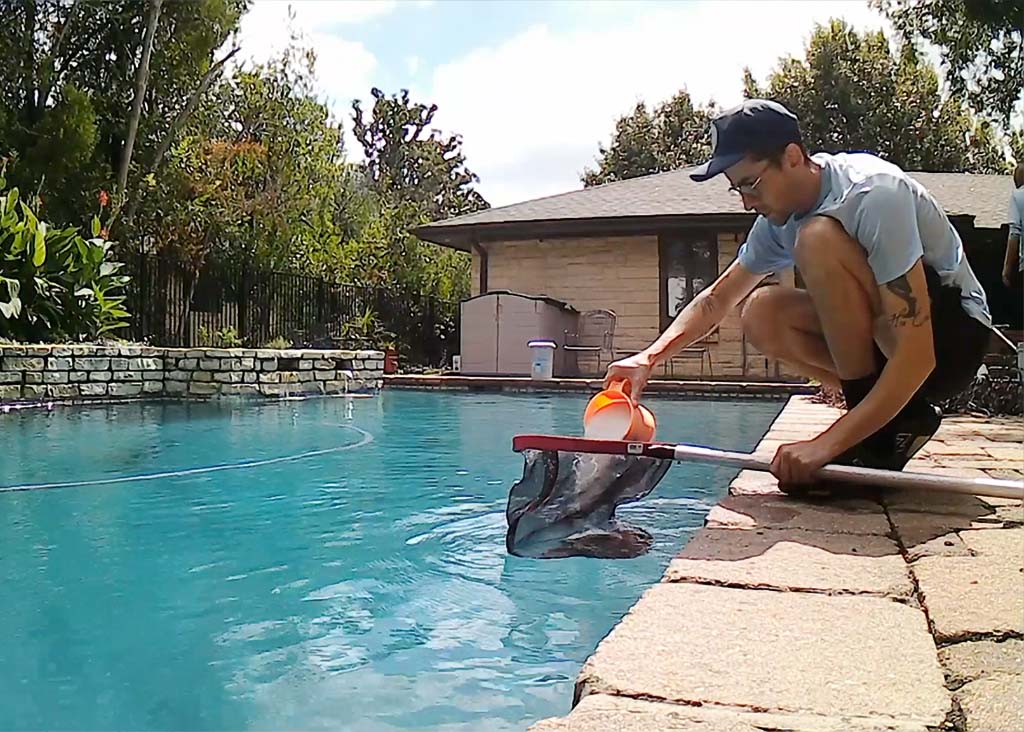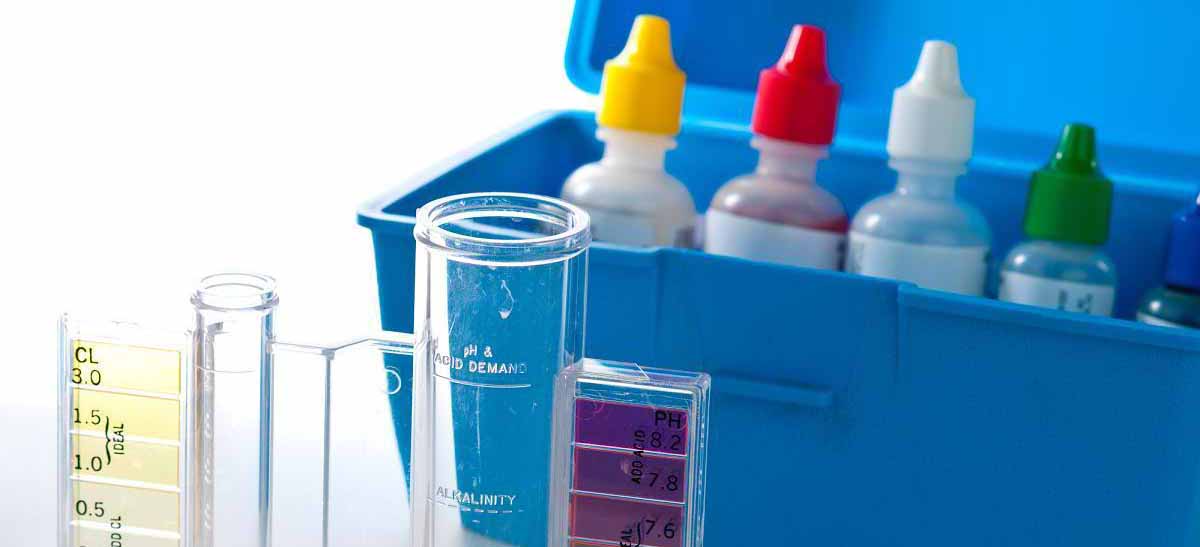
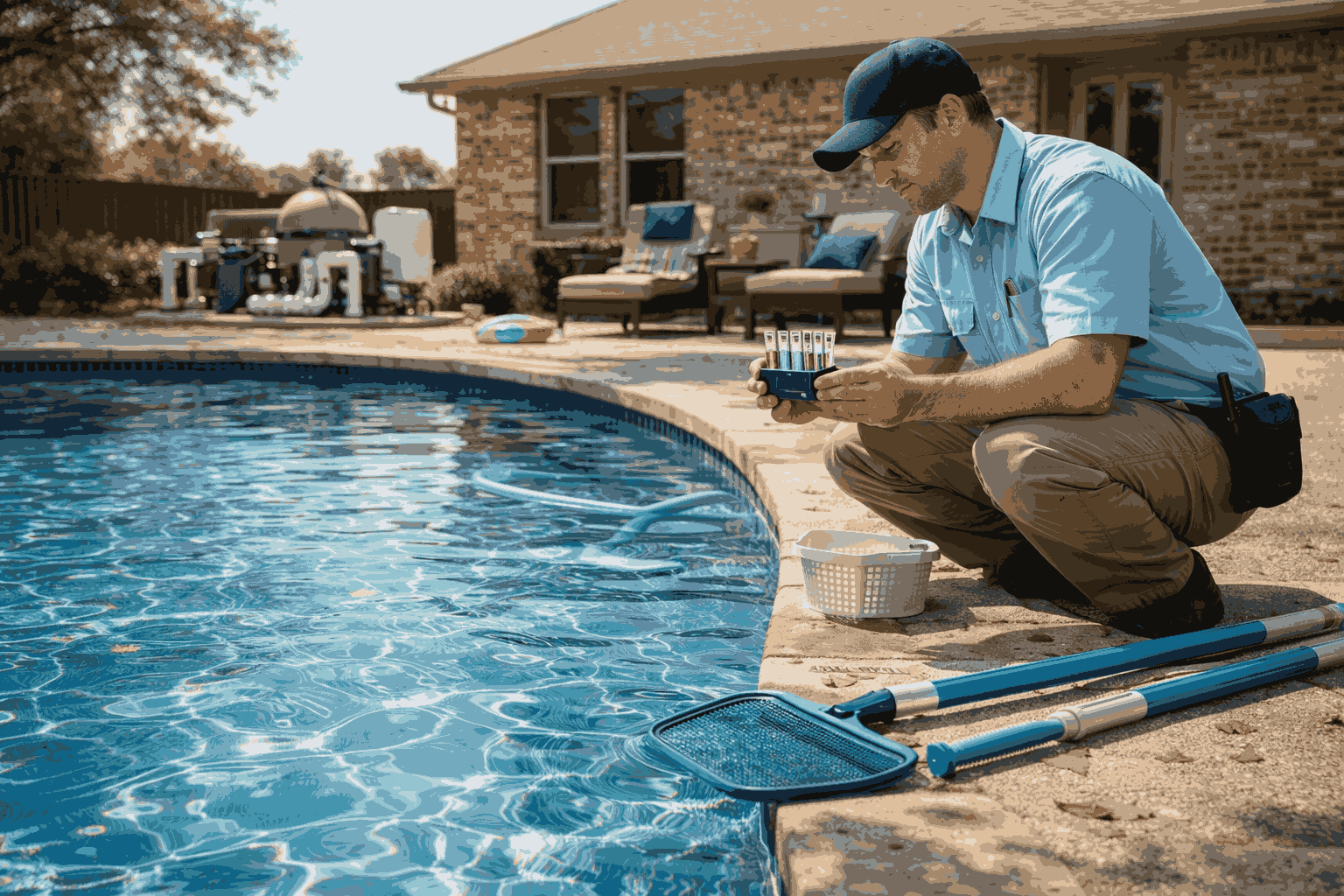
Pool maintenance tips are everywhere online — and most of them are useless if you actually live in North Texas. Generic advice written for somebody in Ohio or Florida doesn’t account for our hard water, our brutal summers, or the fact that DFW pools deal with conditions that eat through chlorine and destroy equipment faster than anywhere else in the country. These pool care tips are different. Every single one has been tested and proven in real DFW conditions by technicians who service pools across North Texas every single day. No fluff, no filler — just stuff that actually works.
25 Pool Maintenance Tips That Actually Work in North Texas
Forget whatever you read on a national pool blog. These swimming pool maintenance tips are built for the DFW climate, DFW water, and DFW pool owners who are tired of guessing.
Pool Care Tips for Chemistry (1-8)
1. Test your water at least twice a week in summer. DFW heat changes chemistry daily. What looked fine Monday morning can be off by Wednesday afternoon. Don’t rely on a once-a-week dip — that’s not enough when it’s 105 outside.
2. Use liquid chlorine as your primary sanitizer. Tablets add cyanuric acid every time they dissolve, and that stuff accumulates. Liquid chlorine does the job without stacking CYA levels into the danger zone. The CDC’s healthy swimming guidelines stress the importance of effective chlorine levels — CYA buildup undermines that.
3. Keep CYA below 50 ppm for chlorine pools, 80 ppm for salt water. Above those numbers, your chlorine basically stops working. This is one of the most overlooked pool maintenance tips out there, and it causes more green pools in DFW than almost anything else.
4. Never add calcium hardness increaser unless a professional tells you to. DFW tap water is already loaded with calcium. Adding more is how you end up with scale clogging your heater, coating your tile, and shortening the life of every piece of equipment you own.
5. Shock your pool at night, not during the day. UV light from the Texas sun destroys chlorine before it gets a chance to do its job. Shocking after sunset gives the chemical a full night to work through contaminants without fighting the sun.
6. Keep pH between 7.2 and 7.6. DFW water naturally drifts high, which means you’ll go through more muriatic acid than you probably expect. Don’t fight it — just stay consistent. High pH makes chlorine sluggish and causes cloudy water.
7. Use a phosphate remover quarterly. North Texas soil and fertilizer runoff pump phosphates into your pool constantly. Phosphates feed algae, and even perfect chlorine levels won’t fully compensate if phosphates are through the roof.
8. Get a professional water test monthly. Home test kits handle the basics, but a professional lab test from your local pool service catches things like metals, TDS, and phosphate levels that strips and drops miss entirely.
Swimming Pool Maintenance Tips for Equipment (9-15)
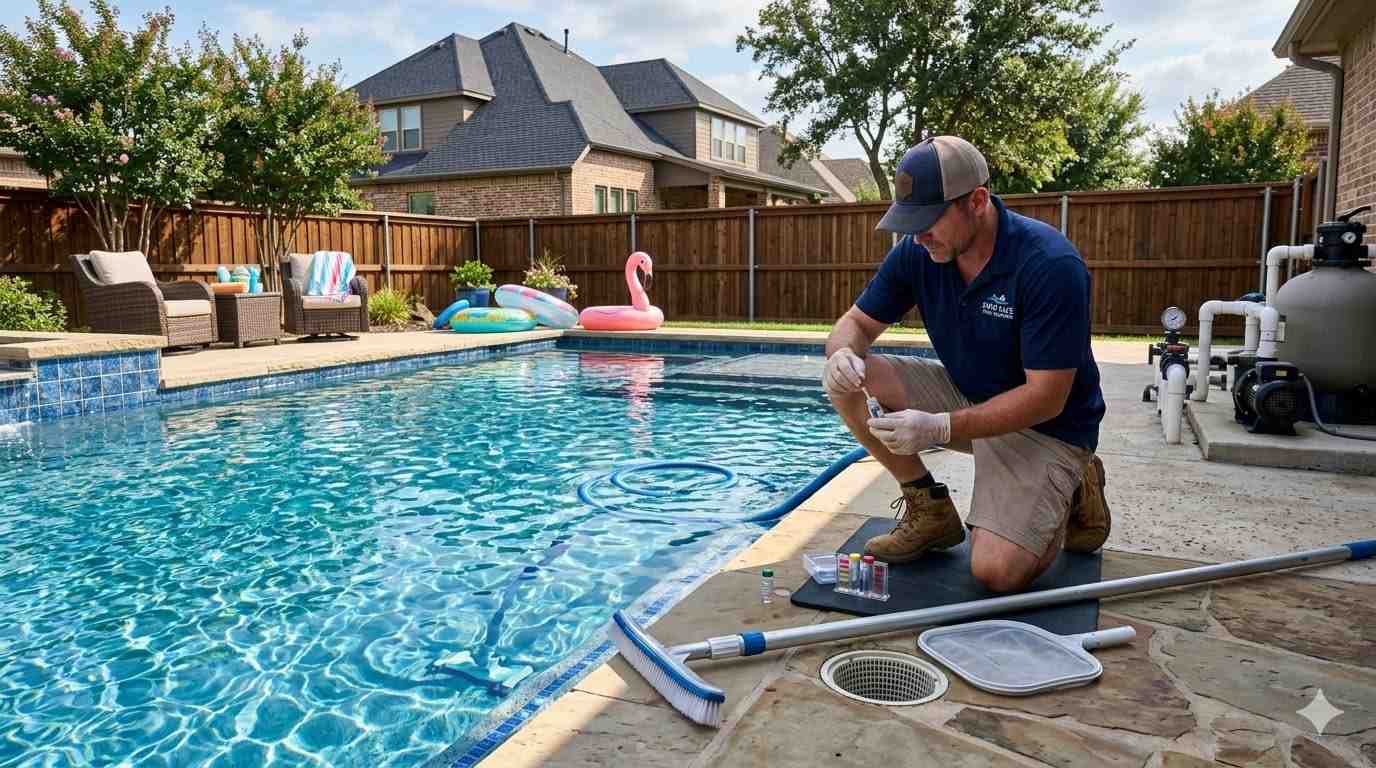
9. Run your pump 10-12 hours per day in summer — minimum. Eight hours might work in Minnesota. In Texas, your water is warm enough to grow algae in a few hours of stagnation. Ten is the floor, twelve is better.
10. Run the pump during off-peak electricity hours. Check your utility’s rate schedule — most North Texas providers like Oncor have time-of-use plans where overnight rates are significantly cheaper.
11. Check your filter pressure gauge weekly. Know your clean baseline PSI and clean or backwash the filter when it rises 8-10 PSI above that. Ignoring filter pressure is one of the fastest ways to burn out a pump.
12. Upgrade to a variable speed pump. If you’re still running a single-speed pump, you’re wasting money. A variable speed pump pays for itself in 12-18 months on Texas electricity rates, and the Department of Energy now requires them for new installations.
13. Lubricate O-rings and pump lid gaskets twice a year. Use silicone lube — petroleum products will destroy rubber. DFW sun dries out gaskets fast, and a cracked O-ring means air leaks, lost prime, and a pump running dry.
14. Keep your equipment pad clean with 2 feet of clearance. Heat pumps and heaters need airflow. Mulch, leaves, and grass clippings piled against equipment cause overheating and shorten lifespan.
15. Never turn off your pump for more than 24 hours in summer. Stagnant pool water in Texas heat starts turning green within 48 hours. Going on a weekend trip? Leave that pump running.
Pool Maintenance Tips for Cleaning (16-20)
16. Brush your pool at least once a week. Especially if you have a gunite or plaster pool — algae embeds itself in that porous surface and a robotic cleaner alone won’t dig it out. Brushing is one of the most underrated pool care tips there is.
17. Brush BEFORE you vacuum. Loosens debris and algae from the walls and floor so your filter can capture everything. Vacuuming first just pushes embedded stuff around.
18. Clean skimmer baskets every few days in fall. One big rainstorm or windy night can fill them overnight. A clogged skimmer means your pump is starving for water — that’s how you burn out motors.
19. Don’t rely only on your robotic cleaner. Robots are great for floors, but they miss walls, steps, and the waterline. Manual brushing still matters, period.
20. Clean your waterline tile monthly. Calcium scale in DFW builds up fast along the waterline. The longer you wait, the harder it gets to remove. A quick scrub monthly saves you from needing an acid wash later.
Seasonal and Preventive Pool Care Tips (21-25)
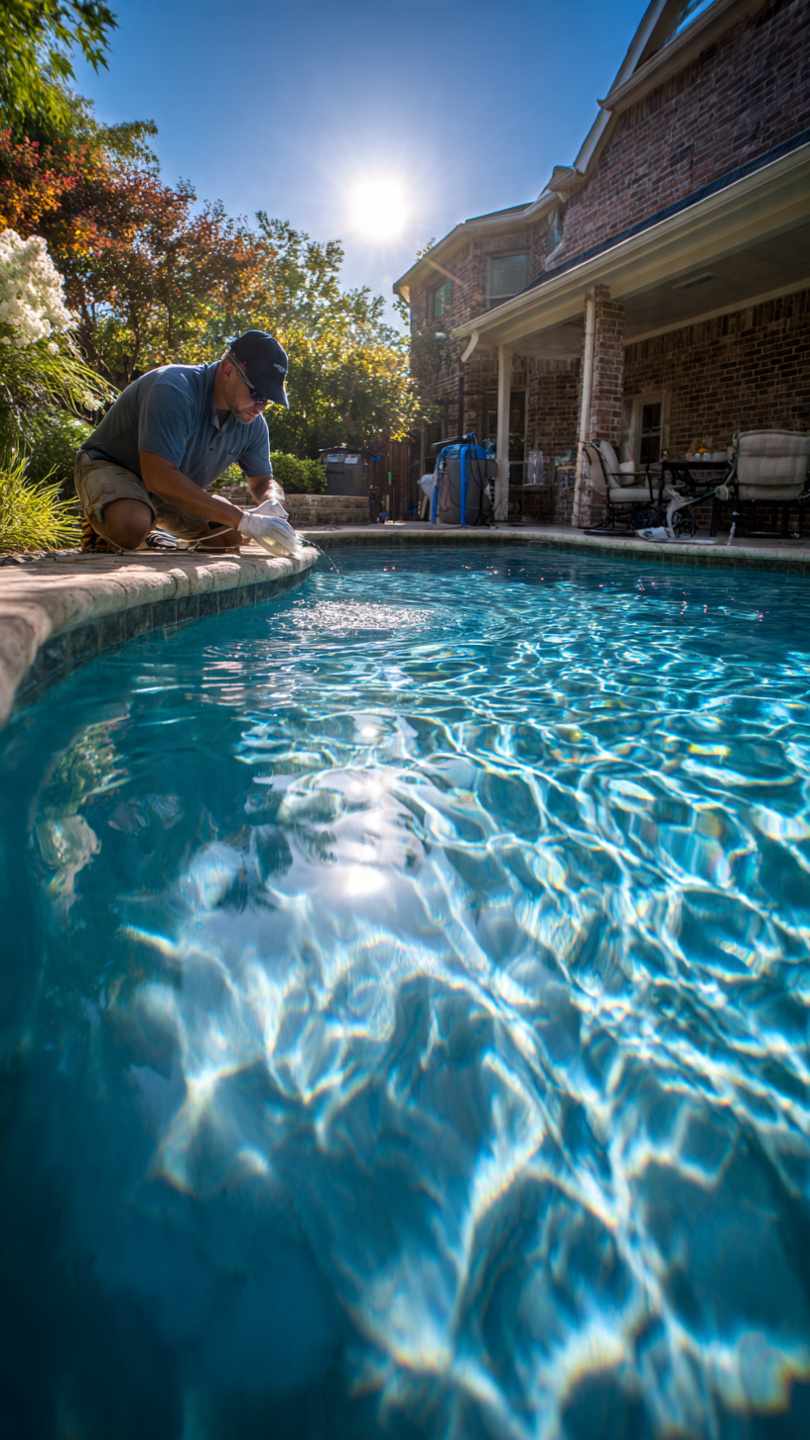
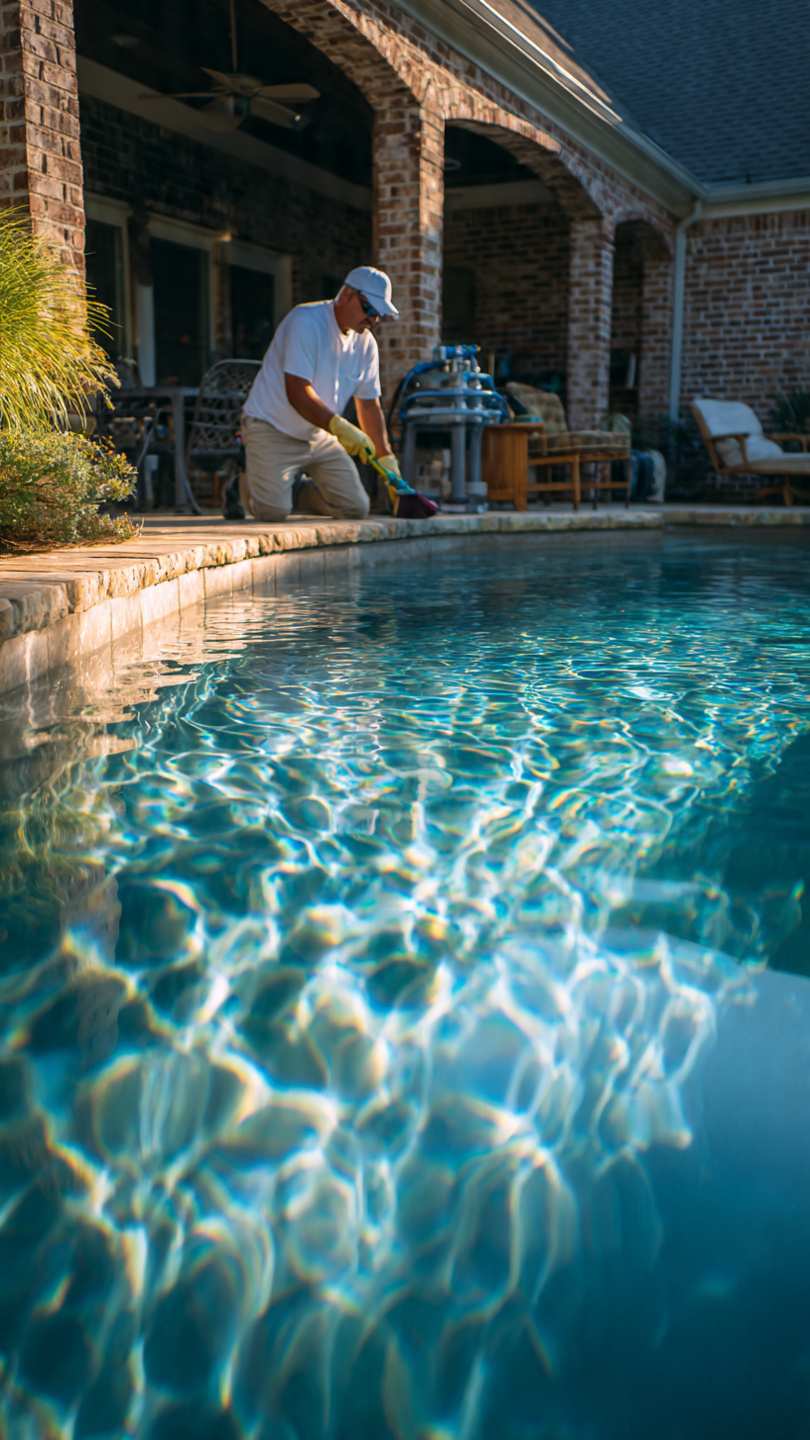
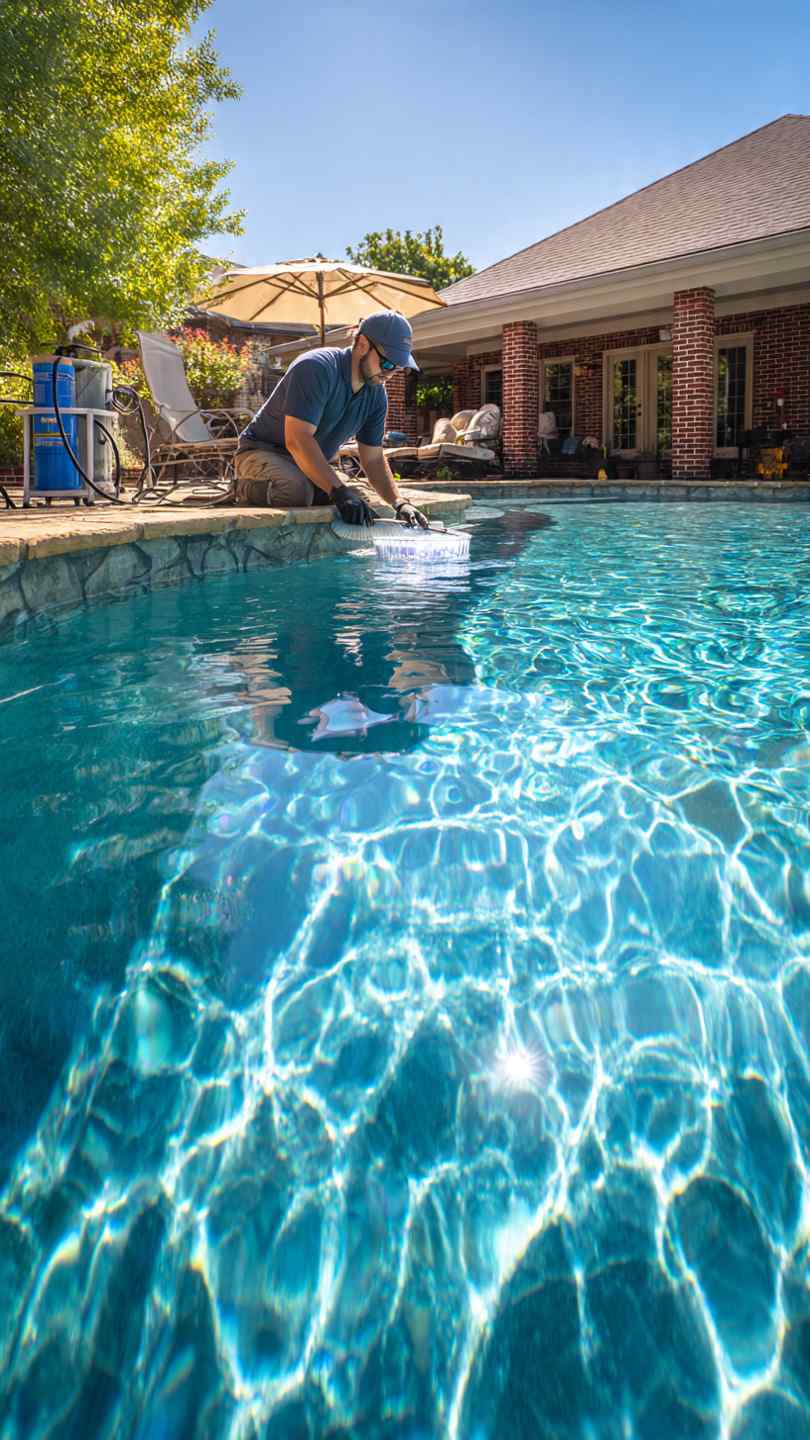
21. NEVER trust the freeze guard alone. Your freeze guard needs electricity to work, and Texas freeze events have a nasty habit of knocking out power. If you’re relying solely on that sensor, you’re gambling with your plumbing. Read our full guide on pool freeze protection in North Texas.
22. When a freeze hits, run the pump continuously and open all valves. Moving water is much harder to freeze. Open every valve, run every piece of equipment, and keep the water flowing until temperatures rise above freezing.
23. Cover your pool when leaving for vacation. Even a few days without maintenance in a DFW summer can cause real problems. A simple solar cover reduces evaporation, keeps debris out, and slows chlorine loss.
24. Schedule an annual professional equipment inspection. Catching a $100 problem before it becomes a $1,000 failure is the whole point. A yearly checkup on your pump, heater, filter, and automation system is cheap insurance.
25. The single best pool maintenance tip we can give you: hire a professional weekly service and actually enjoy your pool instead of stressing about it. Seriously. Life’s too short to spend your weekends testing water and scrubbing tile.
Bonus: The #1 Mistake DFW Pool Owners Make
Waiting until something goes wrong to call a professional. Every pool tech has seen it — the homeowner who ignored the cloudy water for two weeks, didn’t notice the pump sounding weird, or figured the green tint would clear up on its own. By the time they call, a $150 fix has turned into a $1,500 emergency. Prevention is always cheaper, always easier, and always less stressful than reaction. Your pool is a $30,000 to $100,000 investment. According to the National Association of Realtors, it adds significant value to your home — but only if you maintain it. Protect it like you would any other major investment.
People Also Ask
What is the most important pool maintenance tip?
Consistent water testing. Everything else — chemistry, clarity, equipment life — depends on knowing where your levels are. Test at least twice a week in summer, and get a professional lab test monthly from your pool service provider.
How do I keep my pool clear in Texas heat?
Run your pump 10-12 hours daily, test chemistry twice a week, shock at night, brush weekly, and keep your filter pressure in check. These pool maintenance tips alone will keep most DFW pools crystal clear through the worst of summer.
What pool maintenance can I do myself?
You can handle basic skimming, emptying baskets, and simple water testing at home. But chemistry balancing, equipment diagnostics, and anything involving repairs should be left to a professional — especially in North Texas where water conditions are demanding.
How often should I test my pool water in summer?
At minimum twice a week during DFW summers. Temperature swings, bather load, and UV exposure all shift chemistry rapidly between service visits.
What’s the best way to prevent algae in a North Texas pool?
Keep chlorine effective (watch your CYA levels), brush weekly, run your pump enough hours, and use a quarterly phosphate remover. Most algae blooms in DFW happen because one of those four things slipped. Check out our full guide on green pool recovery if you’re already dealing with an outbreak.
PoolBurg — We Follow Every One of These Pool Maintenance Tips at Every Visit
This list isn’t just advice we give to others — it’s literally our service protocol. Every PoolBurg technician follows these swimming pool maintenance tips at every single visit across every city we serve. Chemistry tested properly, equipment checked, surfaces brushed, filters monitored, seasonal adjustments made. That’s not a sales pitch — it’s just what professional pool care looks like when somebody actually does it right.
Want all 25 tips handled for you? That’s exactly what PoolBurg’s weekly service delivers — get your free pool assessment today.