Pool ownership regret rarely starts because someone hates swimming. It usually starts because the pool sounded simple, then the real-life details showed up: weekly cleaning, chemistry, repairs, safety, energy use, and the classic Texas question of whether the backyard is enjoyable in August or just aggressively hot. So, before asking “should I get a pool?” it helps to ask a better question: what kind of pool owner do you actually want to be?
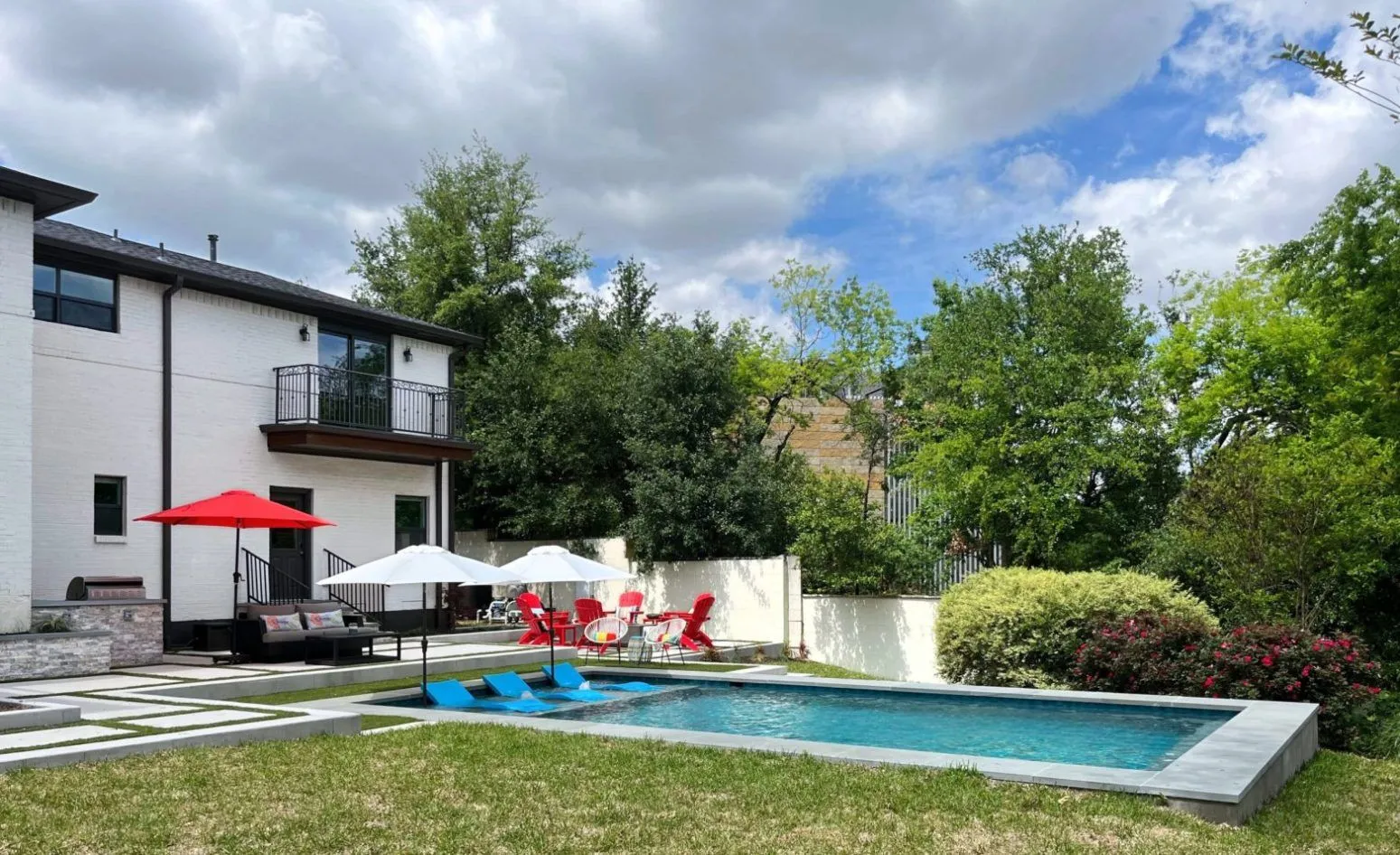
For many DFW homeowners, the answer is still yes. A pool can turn an ordinary yard into a private weekend spot, a kid magnet, a fitness lane, or the place everyone ends up after dinner. But avoiding pool ownership regret means being honest from the beginning. The pool is not just a blue rectangle. It is a small outdoor system that needs planning, care, and the right expectations.
Why pool ownership regret happens
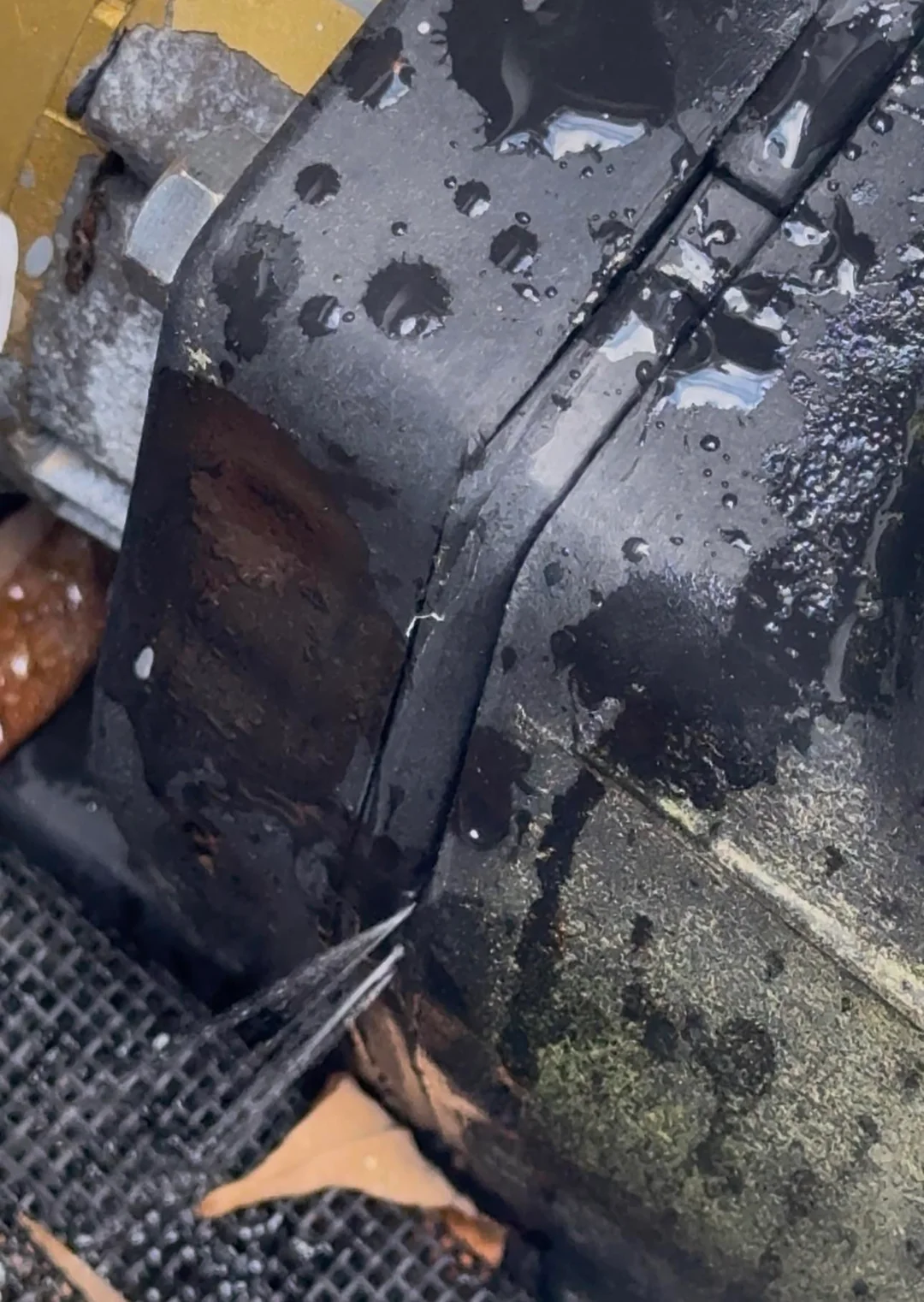
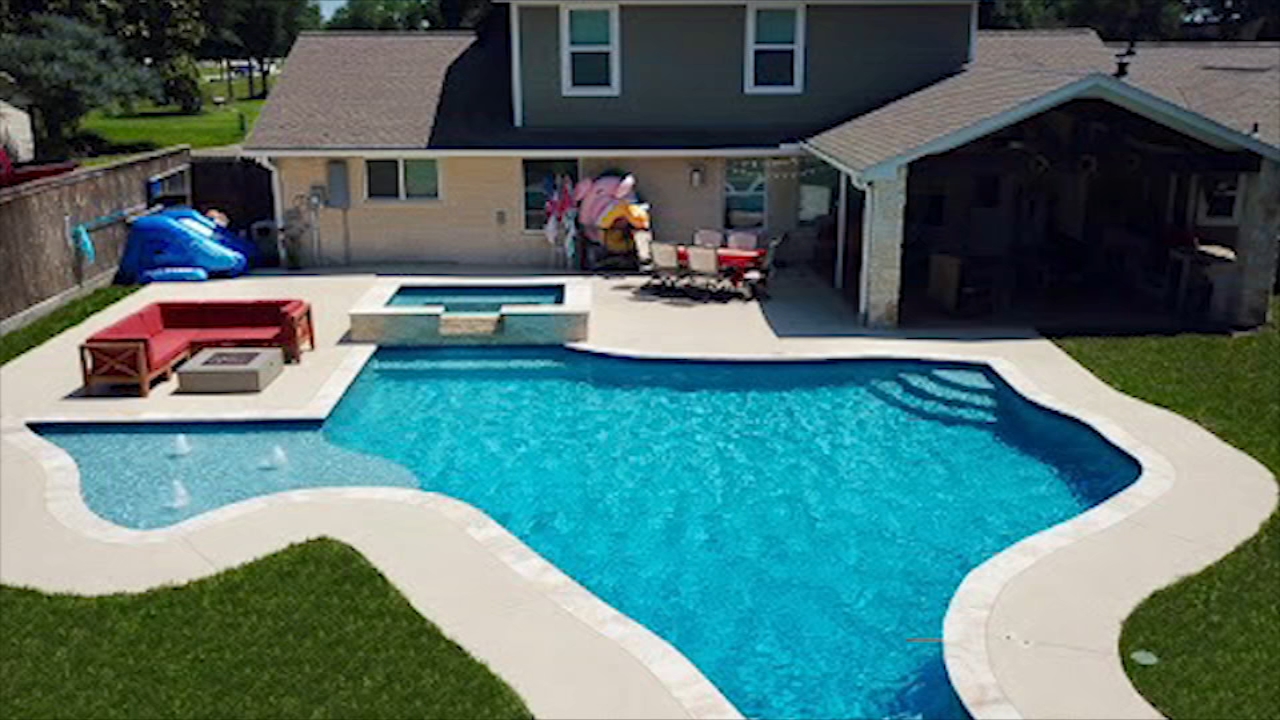
Most pool ownership regret comes from mismatch. The homeowner pictured relaxing, but the pool needed brushing. They expected “low maintenance,” but the equipment was old. They bought a home with a pool, then discovered leaks, worn plaster, failing automation, or a pump that had been limping along for years. If you are buying a home, a professional inspection can help uncover issues before they become expensive surprises. PoolBurg’s pool inspection services are built for exactly that kind of decision.
The biggest regret triggers usually include neglected equipment, unclear maintenance costs, poor drainage around the pool, weak lighting, slippery decking, and water chemistry that constantly feels like a science project. None of these mean a pool is a bad idea. They mean the pool needs to be planned and managed like part of the home.
Is a pool worth it for your lifestyle
When homeowners ask “is a pool worth it?” the honest answer depends on how often they will use it. If your family loves being outside, hosts people often, or wants a backyard that feels finished, a pool can be worth every bit of effort. The National Association of Realtors has even noted strong homeowner enjoyment for outdoor upgrades like pools in its remodeling impact research. Enjoyment matters because a pool is partly financial and partly emotional.
But if you travel constantly, dislike routine upkeep, or only want a pool because the neighbor has one, slow down. The best way to avoid pool ownership regret is not to talk yourself into a fantasy version of pool life. Think about swim season, shade, who will clean it, where guests will sit, and whether your pool area feels connected to the rest of the backyard.
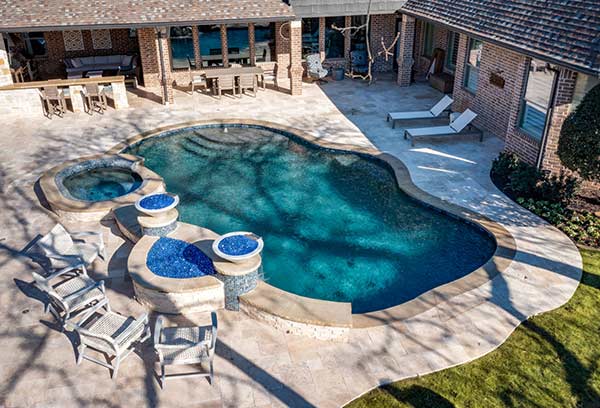
The real pros and cons of pool ownership
The pros and cons of pool ownership are not complicated, but people sometimes ignore half the list. The pros are strong: better outdoor living, easier entertaining, family time, exercise, and a home that feels more complete. In North Texas, a well-kept pool can also make summers feel less like something to endure and more like something to use.
The cons are just as real. Pools need consistent cleaning, balanced water, working equipment, and safety planning. The CDC’s healthy swimming safety guidance is a good reminder that pools should be treated with care, especially when children are around. Fences, alarms, covers, supervision, and clear house rules are not extras. They are part of responsible ownership.
Energy use also matters. Older single-speed pumps can be costly to run, while efficient equipment can reduce waste. ENERGY STAR explains how certified pool pumps can help homeowners use less energy, which is one reason equipment choices should be part of the conversation from day one.
How to avoid pool ownership regret before it starts
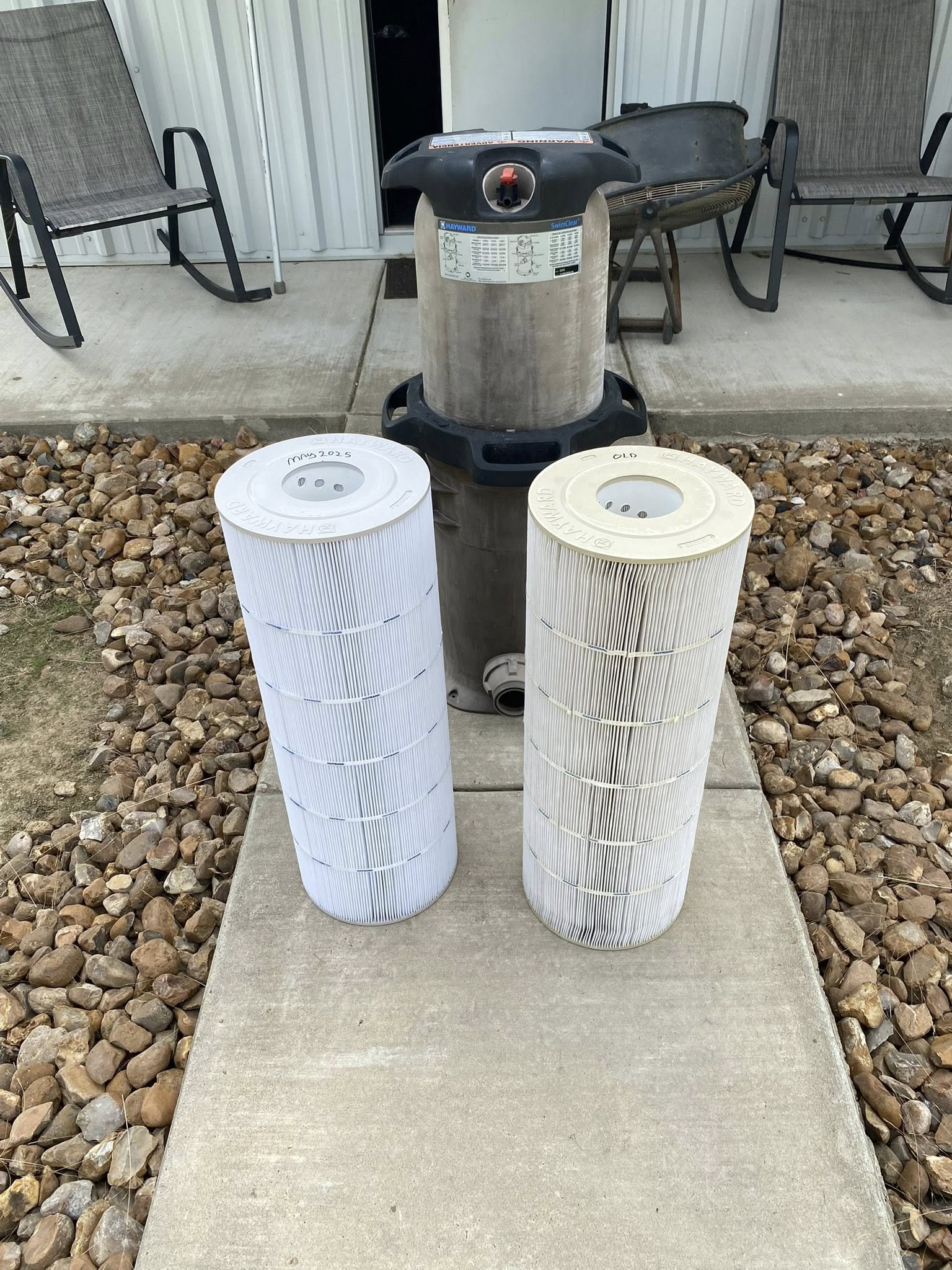
Start with the boring stuff. Boring is where regret goes to die. Ask how old the pump is, when the filter was serviced, whether the pool has leaks, what the surface condition looks like, and how often the chemistry needs correction. If you already own the pool and feel overwhelmed, getting on a consistent service rhythm can change the whole experience. PoolBurg’s guide on starting pool service is a smart first step if maintenance keeps sliding down your to-do list.
Next, design around how you actually live. If you host, plan seating and lighting. If you have kids, prioritize visibility and barriers. If you hate yard work, keep landscaping simple. If you want the pool to feel peaceful, think about privacy, shade, and noise. A pool should not fight your lifestyle. It should support it.
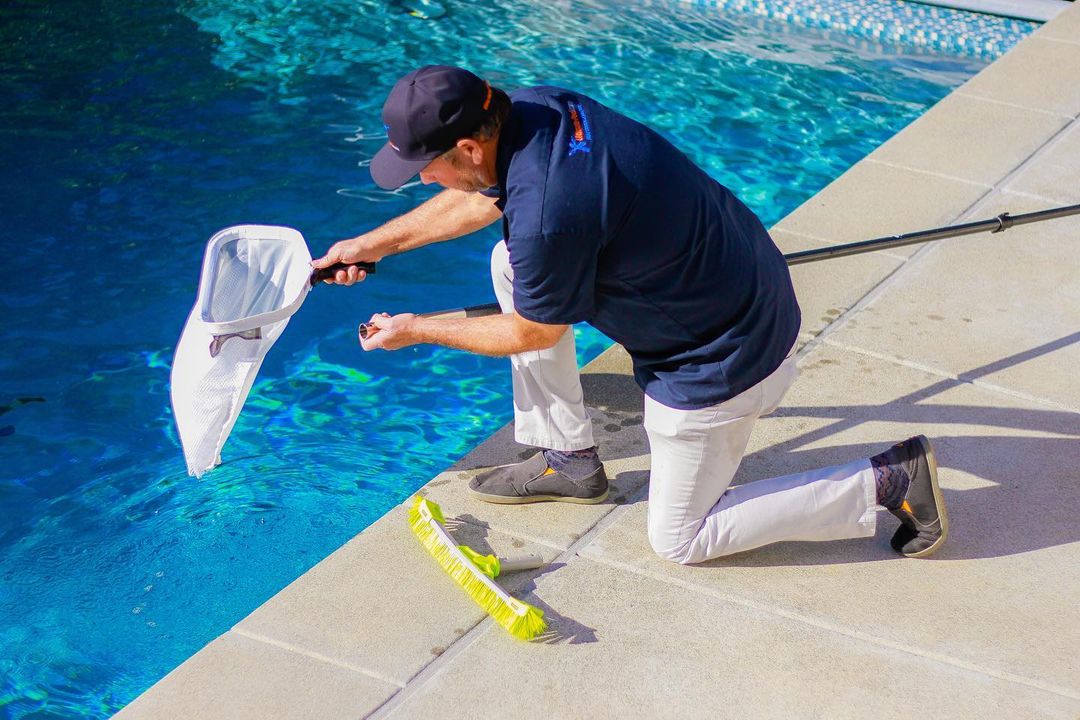
Quick homeowner checklist
- Decide who will handle weekly cleaning and water testing.
- Budget for chemicals, equipment repairs, electricity, and seasonal service.
- Inspect safety barriers, gates, drains, lights, and deck surfaces.
- Check whether the equipment pad is easy to access and service.
- Plan shade, seating, storage, and lighting before the backyard gets crowded.
Final answer on pool ownership regret
Pool ownership regret is usually preventable. It shows up when people buy the dream but skip the details. A pool can absolutely be worth it, but the happiest pool owners are the ones who understand the work, choose the right design, and get help before small problems become expensive ones.
If you are still asking “should I get a pool,” or you already own one and want it to feel easier, PoolBurg can help you look at the pool like a system, not a guessing game. Start with a conversation through the PoolBurg contact page and make the backyard feel less stressful and more like the reason you wanted a pool in the first place.