
A neglected pool has a way of looking more dramatic than it really is. One week it is a little cloudy. A season later, it looks like a tiny backyard pond with leaves, algae, bugs, mystery sludge, and maybe one pool noodle floating around like it pays rent. The good news is that neglected pool recovery is possible in many cases. The bad news is that the order matters. If you throw random chemicals into a pool that has not been maintained, you can waste money, damage equipment, or make the water harder to fix.
Before you reopen neglected pool water, slow down and look at the whole system. Is the water level below the skimmer? Is the pump priming? Are there leaks around the equipment pad? Is the pool surface stained, cracked, or covered in heavy debris? A true neglected pool recovery is not just about making green water blue. It is about finding out whether the pool can circulate, filter, sanitize, and hold chemistry again.
“The fastest way to fix an abandoned pool is not always to shock it first. The smartest first move is to inspect, remove debris, restore circulation, then balance the water.”

Start With Safety Before You Touch The Water
If you are wondering how to fix abandoned pool water, begin with safety. Do not swim, step into cloudy water, or reach blindly into the deep end. You cannot see what is on the floor, and abandoned pools can hide sharp debris, broken fittings, loose plaster, wildlife, or electrical problems around lights and equipment.
For helpful safety basics, review the CDC’s guidance on pool chemical safety before handling chlorine, acid, or shock products. Pool chemicals should never be mixed together outside the water, and labels matter more than guesswork.
A Practical Neglected Pool Recovery Checklist
- Remove large debris first using a leaf rake, not the pool vacuum.
- Check the water level and refill before running the pump.
- Inspect the pump basket, filter pressure, valves, returns, skimmer, and visible plumbing.
- Test pH, chlorine, alkalinity, stabilizer, calcium hardness, and metals before heavy treatment.
- Brush walls, steps, benches, corners, and the waterline so algae can be filtered out.
- Run filtration long enough for the pool to turn over, then clean or backwash the filter as needed.
This is where many DIY attempts go sideways. When a pool hasn’t been maintained, the filter may clog quickly, the pump may struggle, and the chemistry can swing wildly. That is why neglected pool recovery often needs repeated testing and filter cleaning instead of one heroic chemical dump.
What The Water Condition Usually Tells You
| Pool condition | Likely issue | Best next step |
| Green and swampy | Algae, poor sanitizer, weak circulation | Debris removal, brushing, water testing, shock plan |
| Dark brown or tea colored | Leaves, tannins, metals, organic staining | Clean debris, test metals, avoid guessing |
| Cloudy after treatment | Dead algae, filter overload, unbalanced chemistry | Clean filter, continue circulation, retest |
| Low water and dry equipment | Possible leaks or long-term evaporation | Refill carefully and inspect before running pump |
Should You Drain An Abandoned Pool
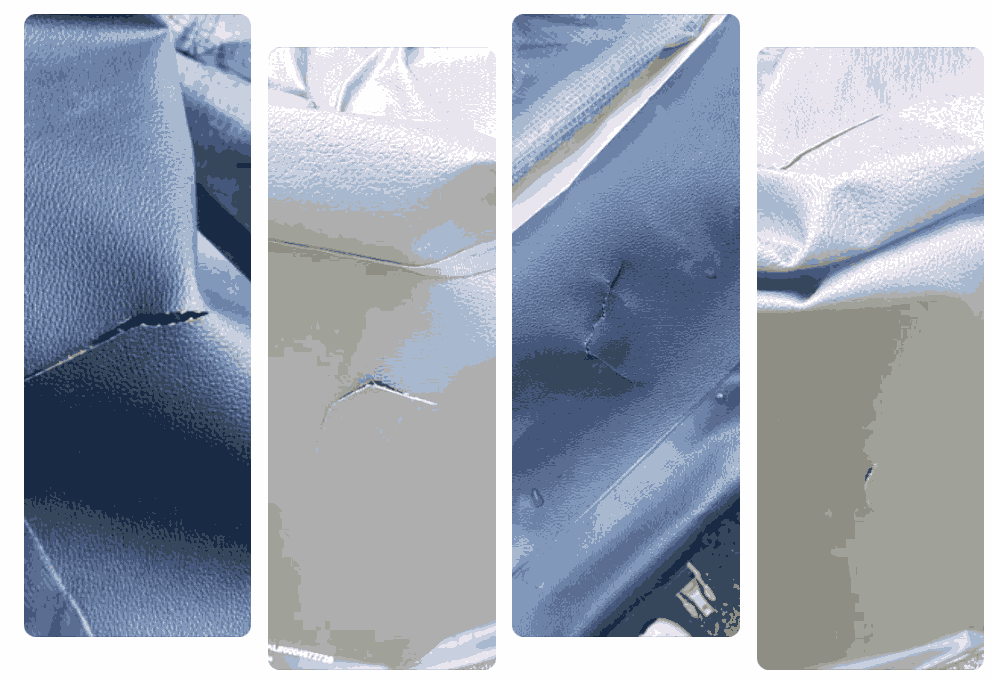
Not always. Draining sounds simple, but it can be risky for certain in-ground pools, especially when groundwater pressure, soil movement, or plaster condition is unknown. In DFW, clay soil and shifting ground can already be rough on pool shells. A full drain should be a calculated decision, not a panic move. If the pool surface is severely stained, the water is black, or the chemistry is impossible to recover, a professional may recommend a controlled drain, cleanout, and refill.
For homeowners comparing repair, cleanup, and replacement decisions, PoolBurg’s guide on whether a pool is worth it can help you think through long-term ownership instead of only looking at today’s mess. You can also use a pool volume calculator style approach when you need to estimate gallons before chemical treatment.
When The Pool Has Not Been Maintained For Months
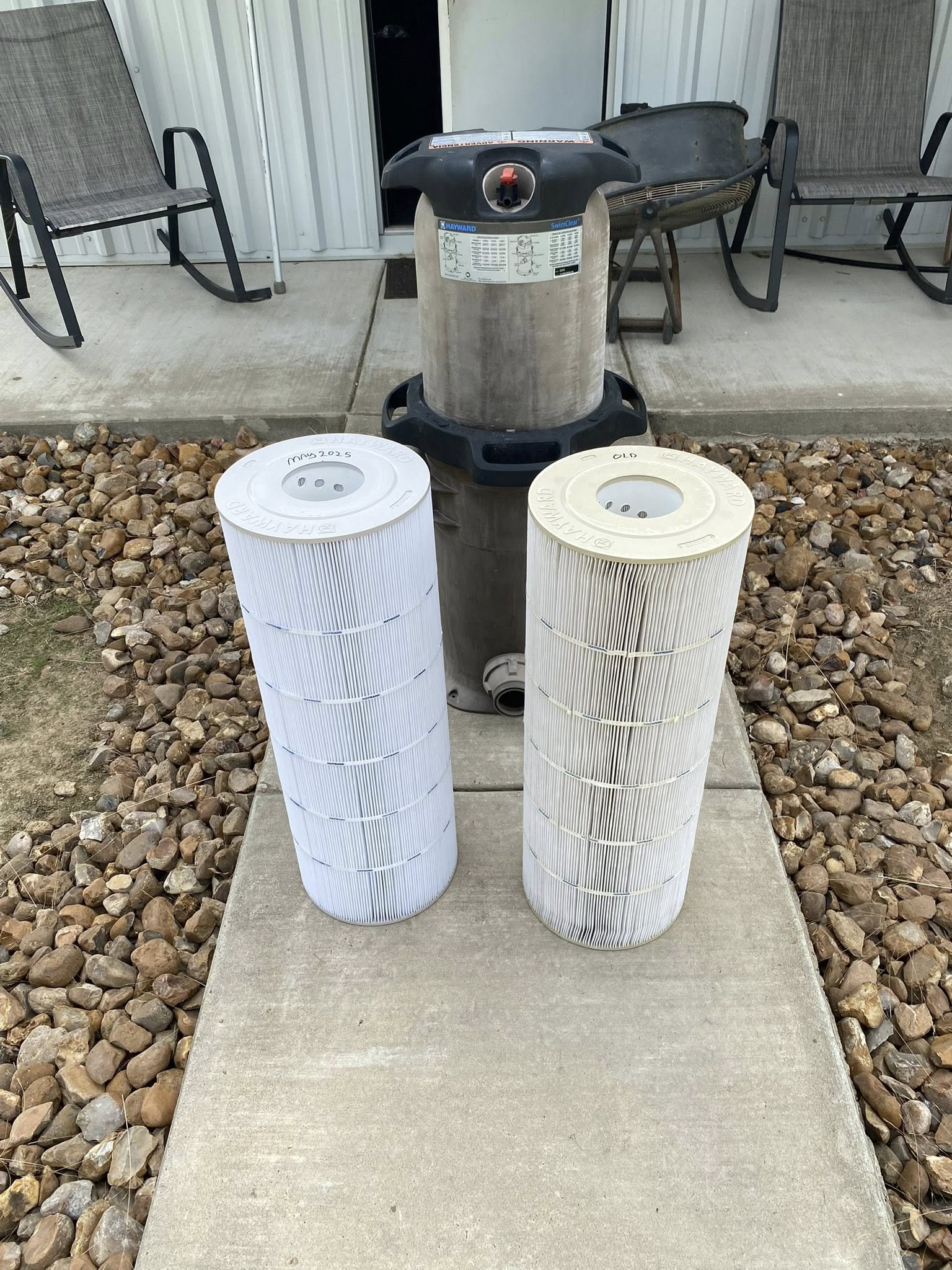
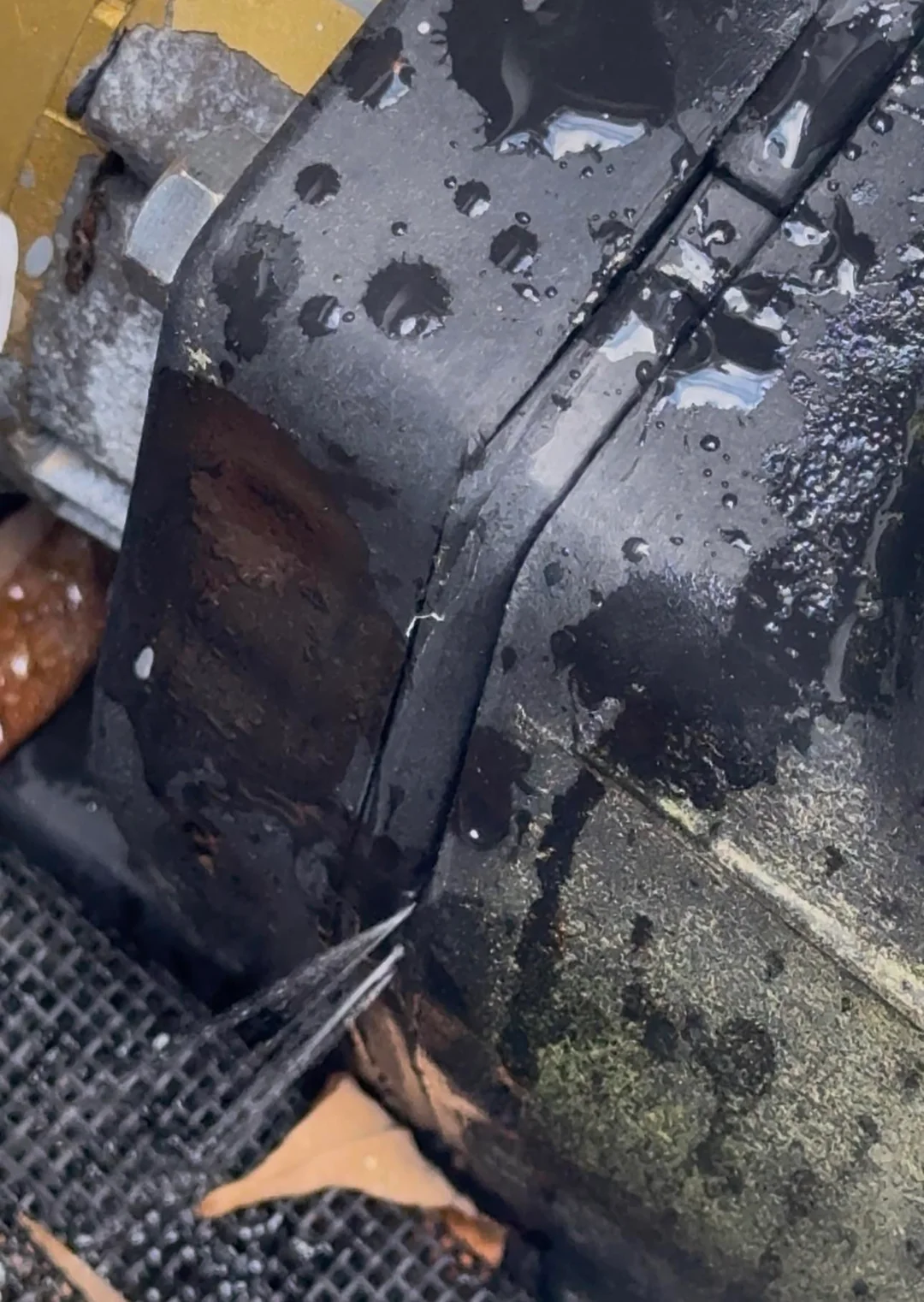
When a pool hasn’t been maintained, the equipment tells part of the story. A neglected pool recovery may uncover a failed pump seal, cracked lid, clogged impeller, dirty cartridge, broken pressure gauge, stuck valve, or leaking filter clamp. Sometimes the water looks like the biggest problem, but the real issue is circulation. If water cannot move properly, chemicals cannot work properly.
This is also where a trained technician helps. If you are unsure what a pool tech does during a recovery visit, think of it like a diagnosis first and a cleanup second. The technician checks the system, tests the water, identifies risks, and builds the recovery plan in the right sequence.
How PoolBurg Helps Bring A Neglected Pool Back
PoolBurg handles neglected pool recovery for homeowners who want the pool usable again without playing chemical roulette. The process may include debris removal, equipment inspection, filter cleaning, water testing, brushing, algae treatment, circulation troubleshooting, and follow-up maintenance so the pool does not slide right back into swamp mode.
If you need to reopen neglected pool water before a home sale, after moving in, or after months of skipped service, the goal is simple: make the pool safe, clear, balanced, and easier to maintain going forward. For serious pool repair situations, PoolBurg can also help you decide whether to restore, repair, or replace problem equipment instead of spending money blindly.
Final Thoughts On Neglected Pool Recovery
Neglected pool recovery is not magic, and it is not just a bag of shock. It is a step-by-step reset. Inspect first. Remove debris. Restore circulation. Test the water. Treat the cause. Clean the filter. Retest. Repeat when needed. That rhythm is what turns an abandoned pool from a backyard headache into something you can actually enjoy again.If your pool has been sitting too long and you are tired of staring at green water, schedule help with PoolBurg through the contact page. The sooner the recovery starts, the easier it is to stop algae, protect equipment, and get your backyard back.