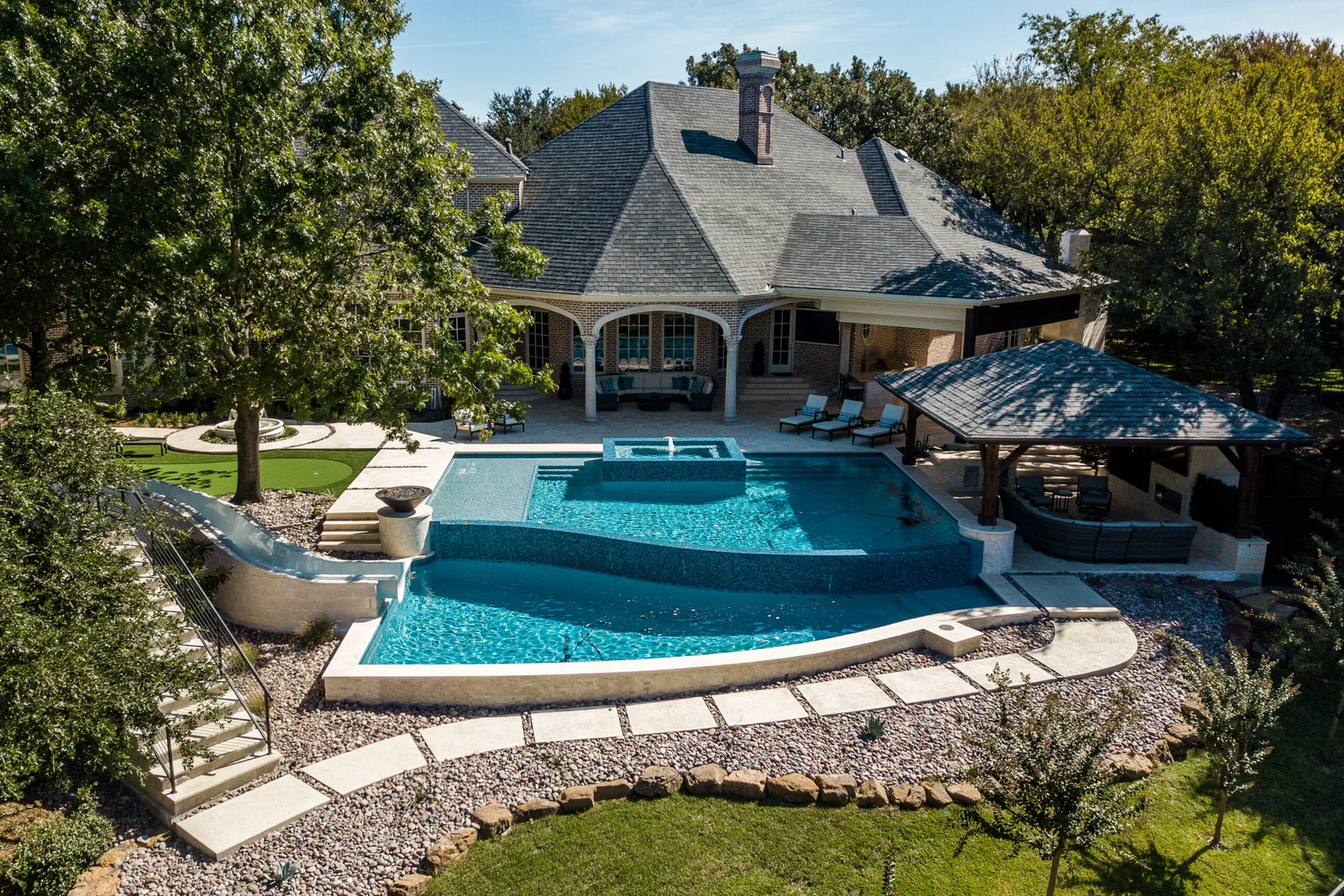
Planning a new backyard pool is exciting until the paperwork shows up wearing steel toe boots. But here is the honest truth: getting a permit for a pool is not just city red tape. It is one of the best ways to protect your money, your timeline, your home, and the people who will use the pool later.
Across North Texas, especially in fast-growing areas like Frisco, Plano, and McKinney, pool projects can involve excavation, plumbing, electrical work, gas lines, fences, alarms, drainage, easements, setbacks, and inspections. That is why the question is not only do I need a permit for a pool, but what does the permit process force you to think through before a contractor starts digging?

Why a permit matters before construction starts
A permit for a pool gives your project a paper trail. It tells the city that the pool plan is being reviewed against local rules, and it gives inspectors a chance to catch issues before they become expensive surprises. A pool building permit DFW homeowners deal with may vary by city, but the core idea is similar: safe construction, proper placement, correct utilities, and legal compliance.
This is especially important if your pool will be close to property lines, a retaining wall, a utility easement, a drainage path, or an existing patio. A beautiful design can still become a headache if it sits where the city, utility company, or HOA says it cannot go.
The quick permit checklist homeowners should expect
Before you apply for a permit for a pool, gather the boring stuff first. Boring, in this case, is beautiful because it helps prevent delays.
Most homeowners should expect to review the following items:
- A site plan showing the pool location, property lines, setbacks, easements, and existing structures.
- Pool dimensions, depth, equipment location, decking, drainage, and access route.
- Electrical details for bonding, lighting, pump equipment, automation, and safety shutoffs.
- Barrier or fence details, gate swing direction, latch height, alarms, and any required safety features.
- HOA approvals, if your neighborhood requires them before the city permit moves forward.
- Contractor license and insurance information when required by the city.
Frisco Plano and McKinney are close but not identical
A pool permit Frisco homeowners need may not look exactly like a pool permit Plano homeowners submit. A pool permit McKinney project can also come with its own submittal steps, inspection timing, and plan review expectations. That is why copied advice from a Facebook group can be risky. Your neighbor two cities over may be right for their yard and wrong for yours.
The safest move is to check the city’s current permit page before making final decisions. You can start with the City of Frisco permit information, the City of Plano swimming pool permit resources, and the City of McKinney online permitting system. Texas also publishes pool related safety code references through the Department of State Health Services, which is useful background when thinking about barriers and safe access.
Common mistakes that slow down pool permits
The first mistake is assuming the pool company handles everything without asking. Many contractors do handle the permit for a pool, but the homeowner still needs to understand what is being submitted. The second mistake is designing the dream pool before checking easements. Utility easements can ruin a layout faster than bad weather.
Another common issue is underestimating fences and gates. A pool can pass design review and still stall if the barrier plan does not meet local rules. The same goes for electrical bonding, equipment pad placement, drainage, and access for machinery. If your yard is tight, a small backyard pool still needs smart placement, not just a smaller shell.
How PoolBurg helps homeowners think through the process
At PoolBurg, we like projects that feel exciting without becoming chaotic. Whether you are researching pool design ideas, comparing repair needs on an older property, or trying to understand whether an existing pool was built correctly, the permit conversation belongs early in the planning stage.
If you are buying a home with a pool, a professional pool inspection can help you spot equipment, drainage, safety, or construction concerns before they become your problem. If you already own the home and are planning upgrades, our pool repair and service team can help you think through equipment condition, access, and what may need attention before a larger backyard project begins.
Final thoughts
So, do I need a permit for a pool? In many DFW cities, yes, and you should assume the answer is yes until your city says otherwise. A permit for a pool is not the glamorous part of the project, but it is the part that keeps the glamorous part from becoming a legal, financial, or construction mess.
Before you sign, dig, or schedule equipment delivery, check your local rules, ask direct questions, and make sure your plan is built for inspection day as much as photo day. That is how a pool project starts like a dream and stays that way.
Need a second set of eyes on a pool before you buy, repair, or remodel? Contact PoolBurg