Pool pump capacitor symptoms usually show up at the worst time: the water is warm, the family wants to swim, and the pump suddenly hums like it is trying hard but going nowhere. For homeowners in Frisco, Plano, McKinney, Allen, The Colony, Lewisville, Southlake, Grapevine, Las Colinas, Carrollton, Addison, Keller, Garland, Mesquite, Wylie, and Prosper, that sound can feel expensive fast. The good news is that a bad pool pump capacitor is often easier to diagnose than a completely failed motor, but you do not want to guess around electricity.
What Does a Pool Pump Capacitor Do?
A pool pump capacitor gives the motor the extra electrical push it needs to start spinning or to keep running efficiently. Think of it as the quick boost that helps the motor get past that first heavy moment of startup. Many single-speed pool pump motors may use a start capacitor, a run capacitor, or both. A start capacitor helps the motor turn over, while a run capacitor supports smoother operation after the motor is already moving. When either one gets weak, the pump may sound alive but still fail to move water.
Common Pool Pump Capacitor Symptoms
The most common pool pump capacitor symptoms are pretty noticeable once you know what to listen and look for. A humming sound is the classic one. The motor has power, but it cannot create enough starting torque to spin. You may also hear a click, see the motor try to start and stop, or notice the breaker tripping shortly after startup. Some pumps start only sometimes, which is especially frustrating because the problem feels like it “fixed itself” until the next hot afternoon.
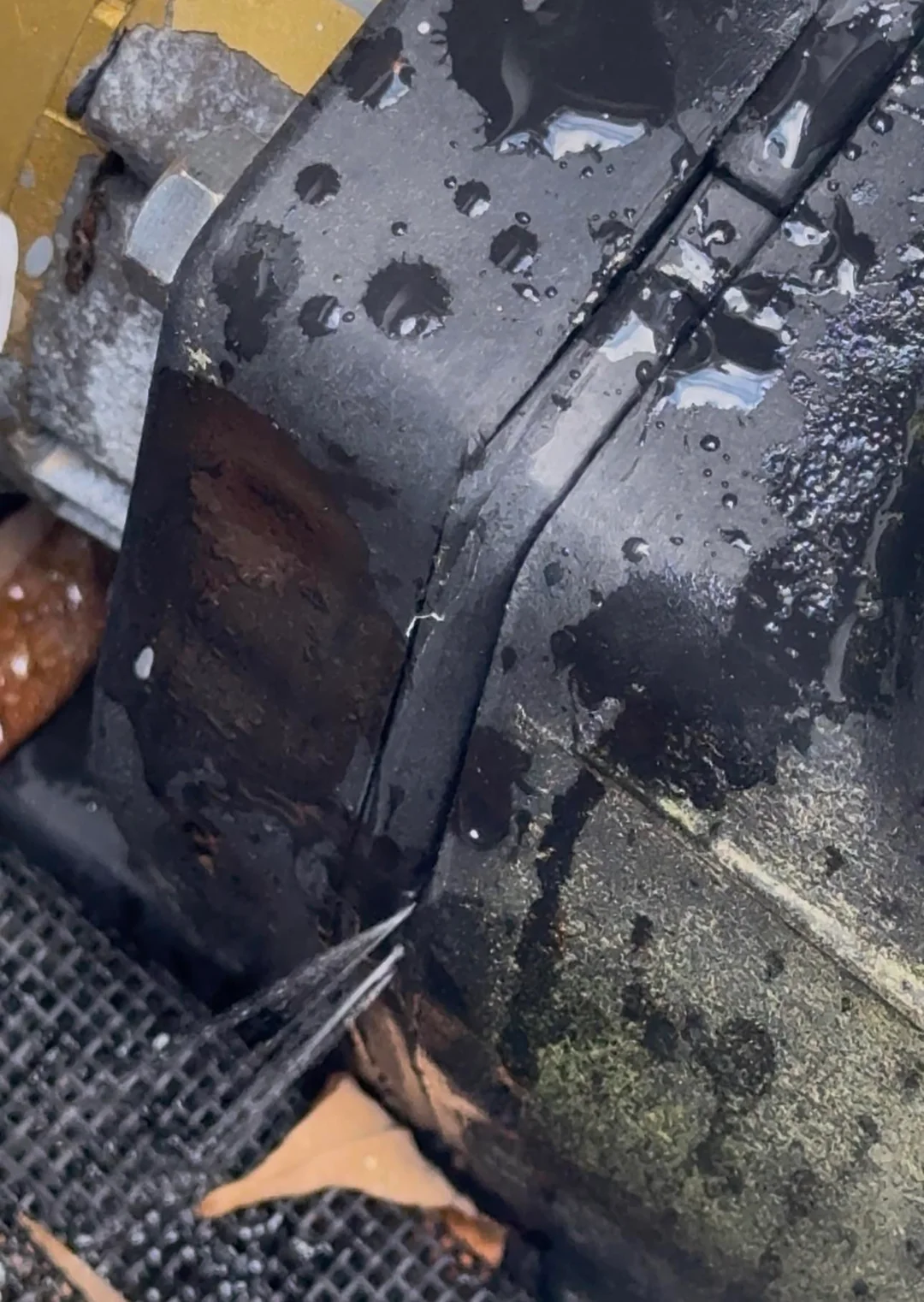
Other warning signs include a burning smell, a motor that runs unusually hot, or a visible bulge, crack, oil leak, or burn mark on the capacitor. A professional may test the capacitor with a meter instead of relying on looks alone. U.S. Motors’ pool troubleshooting material notes that a failed start capacitor may show visible damage near the terminals, but several different issues can still prevent a motor from starting. That is why the full pump should be checked before replacing parts blindly.
Is a Humming Pool Pump Always a Bad Capacitor?
No. A humming pump is one of the biggest clues, but it is not automatic proof. A bad pool pump capacitor is common, but a seized motor shaft, worn bearings, debris jammed in the impeller, poor wiring, or low voltage can create similar symptoms. Hayward troubleshooting guidance for a pump motor that hums but does not start points to possible debris in the impeller and recommends qualified repair help for opening the pump. So if the pool pump motor hums but does not start, the capacitor is high on the suspect list, but it is not the only suspect.
Can You Replace a Pool Pump Capacitor Yourself?
Some handy homeowners do replace a pool pump capacitor themselves, but this is where PoolBurg has to be blunt: be careful. Capacitors can hold an electrical charge even after power is turned off. Before touching pump wiring, power should be shut off at the breaker, and the electrical side should be handled properly. General pool electrical safety requirements also matter because pool equipment sits in a wet outdoor environment.
If you are not comfortable testing voltage, discharging capacitors safely, and matching the correct microfarad and voltage rating, call a pro.
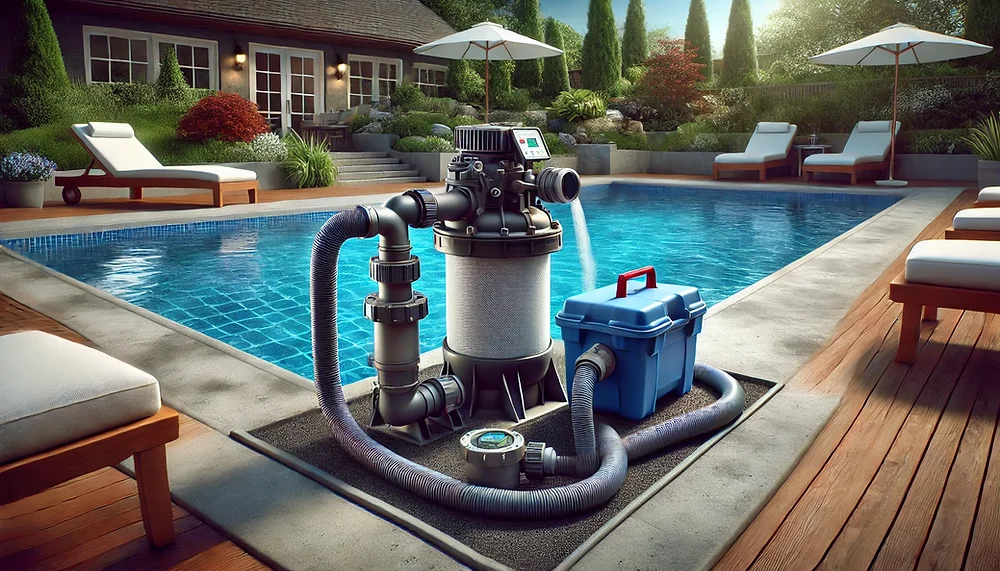
Pool Pump Capacitor Symptoms vs a Bad Pool Pump Motor
Here is the simple homeowner version. If the motor hums, the shaft still turns freely, and the pump was running normally recently, the capacitor may be the cheaper fix. If the motor is noisy, seized, leaking from the shaft seal, rusty, overheating badly, or tripping the breaker even after capacitor testing, the motor may be the bigger problem. When a pool pump won’t start, the smartest move is diagnosis first, parts second. PoolBurg’s pool pump repair team can check the capacitor, motor, impeller, wiring, and breaker before you spend money on the wrong repair.
Why Texas Heat Is Hard on Pool Pump Capacitors
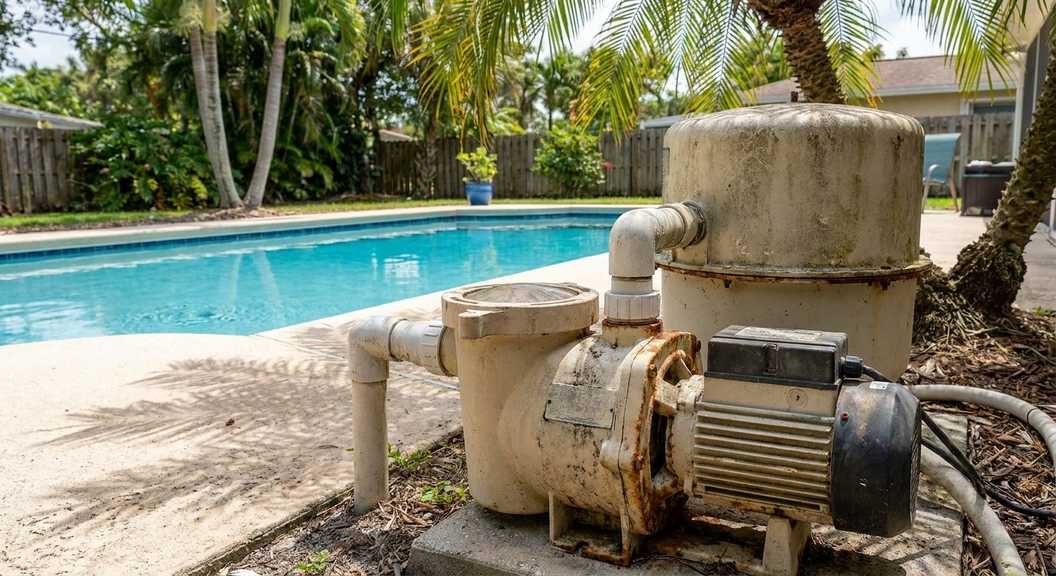
Texas heat is brutal on equipment pads. Pumps sit outside through long run times, blazing sun, poor ventilation, storms, dust, and power fluctuations. Heat is one of the quiet reasons capacitor problems show up more often during peak pool season. Add clogged baskets, dirty filters, weak airflow around the motor, or an old pump working too hard, and the capacitor and motor both take extra stress.
Regular checks during weekly pool service can catch odd pump noises, overheating, weak flow, and early equipment issues before the water turns cloudy. The CDC also reminds pool operators to maintain filtration and recirculation systems according to manufacturer recommendations, which is a fancy way of saying your pump system has to keep doing its job.

People Also Ask
What are the signs of a bad pool pump capacitor?
The top pool pump capacitor symptoms include humming, clicking, slow or failed startup, a pump that starts only sometimes, breaker trips, heat, burning smell, or visible capacitor damage.
Why is my pool pump humming but not starting?
A pool pump that hums but does not start may have a bad pool pump capacitor, but it could also have a jammed impeller, seized bearings, low voltage, or a failing motor.
Can a pool pump capacitor be replaced?
Yes, a pool pump capacitor can often be replaced, but it must match the motor specifications. Because capacitors can hold a charge, electrical safety matters.
How long does a pool pump capacitor last?
There is no perfect timeline. Age, heat, run time, voltage issues, and equipment pad exposure all affect lifespan. In Texas, heavy summer use can shorten it.
Is it cheaper to replace the capacitor or the whole pump?
Usually the capacitor is cheaper, but only if that is truly the failed part. If the motor is seized, badly worn, or repeatedly failing, replacement may make more sense.
PoolBurg Can Diagnose the Problem Before You Guess
Pool pump capacitor symptoms can look simple from the outside, but the real issue may be electrical, mechanical, or both. If your pool pump is humming, clicking, overheating, or refusing to start, contact PoolBurg. We can diagnose the capacitor, motor, impeller, and electrical side before you waste money replacing the wrong part.