That steady hum from your pool equipment pad? Normal. A grinding, screeching, rattling, whining, or suddenly louder-than-usual sound? That is where pool pump noise starts telling you something is off.
For homeowners across Dallas-Fort Worth, pool pump noise can be more than annoying background sound. It can point to worn bearings, blocked flow, loose parts, cavitation, poor installation, or a motor that is working harder than it should. And in tight neighborhoods, a loud pool pump can quickly become the kind of backyard problem your family — or your neighbors — notice every single day.
At PoolBurg, we help homeowners diagnose equipment problems, improve circulation, and protect their pools from small issues that turn expensive fast. Here is how to understand pool pump noise, what different sounds may mean, and when it is time to schedule pool equipment repair.
A healthy pool pump should sound consistent. When the sound changes, your pool is usually asking for attention.
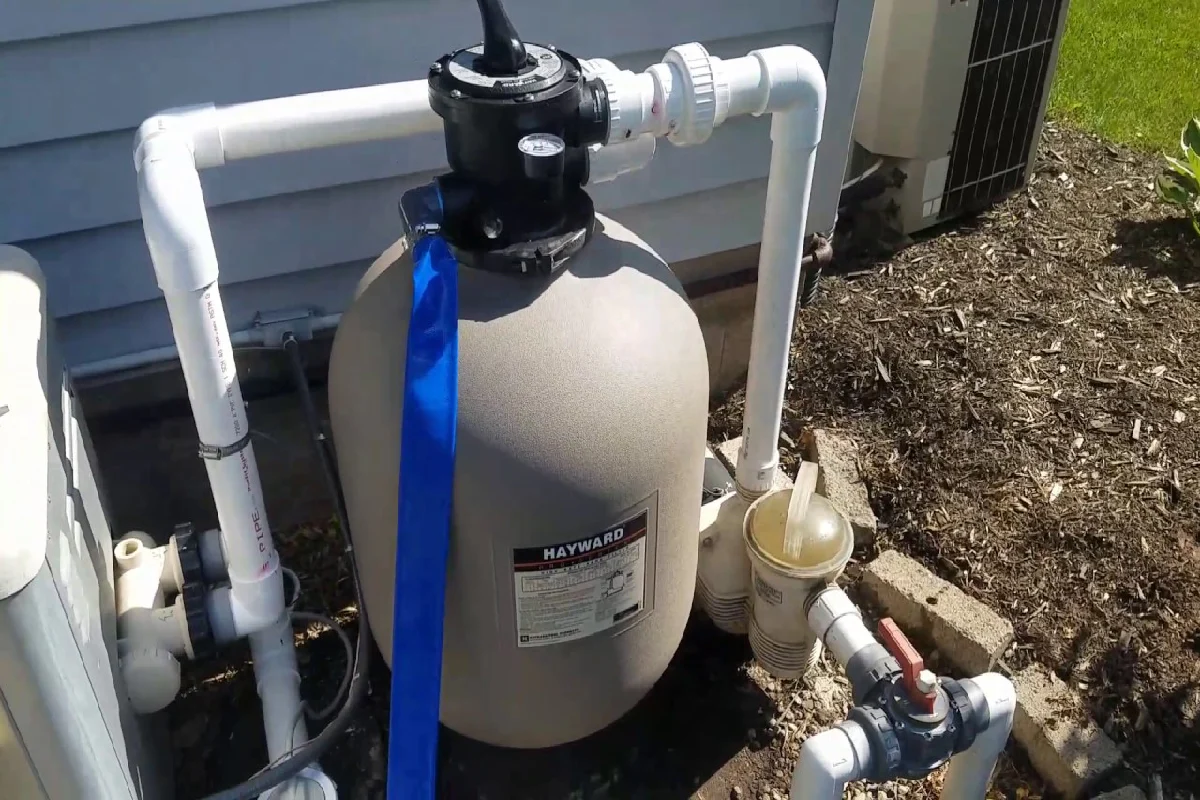
Is Pool Pump Noise Normal?
Some pool pump noise is expected. Pool pumps have motors, impellers, water movement, vibration, and plumbing pressure. But normal sound should be steady — not harsh, metallic, squealing, or uneven.
A noisy pool pump becomes a concern when:
- The sound gets louder over time
- The pump starts grinding, whining, or screeching
- The equipment pad vibrates
- Water flow looks weak
- Air bubbles appear in the pump basket
- The pump loses prime
- The motor feels excessively hot
- Your pool water starts looking cloudy
If your pool pump making noise is paired with poor circulation, that is a strong sign the issue is not just sound — it may be performance. That is where pool maintenance in Dallas and professional troubleshooting can save you from bigger repairs.
Common Causes of Pool Pump Noise
1. Worn Motor Bearings
One of the most common causes of pool pump noise is worn motor bearings. This often sounds like a high-pitched whine, screech, or grinding noise. Once bearings begin failing, the sound usually gets worse.
This type of pool pump motor noise should not be ignored. A failing motor can eventually stop working altogether, leaving your pool without proper circulation.
2. Cavitation or Air in the System
If the pump sounds like it is full of rocks, marbles, or gravel, it may be cavitating. Cavitation happens when the pump is starved for water, often because of a blockage, clogged skimmer basket, dirty filter, closed valve, low water level, or suction-side leak.
This kind of pool pump noise can damage internal pump parts. If you see bubbles in the pump lid or returns, schedule pool repair in Dallas before the problem grows.
3. Debris in the Impeller
Leaves, twigs, small stones, and other debris can get past the pump basket and lodge in the impeller. When that happens, pool pump noise may sound like rattling, clicking, or rough vibration.
A dirty or blocked impeller can also reduce water flow, making your pool harder to keep clean. Regular weekly pool cleaning service in Dallas can help catch these problems early.
4. Loose Pump Base or Equipment Pad Vibration
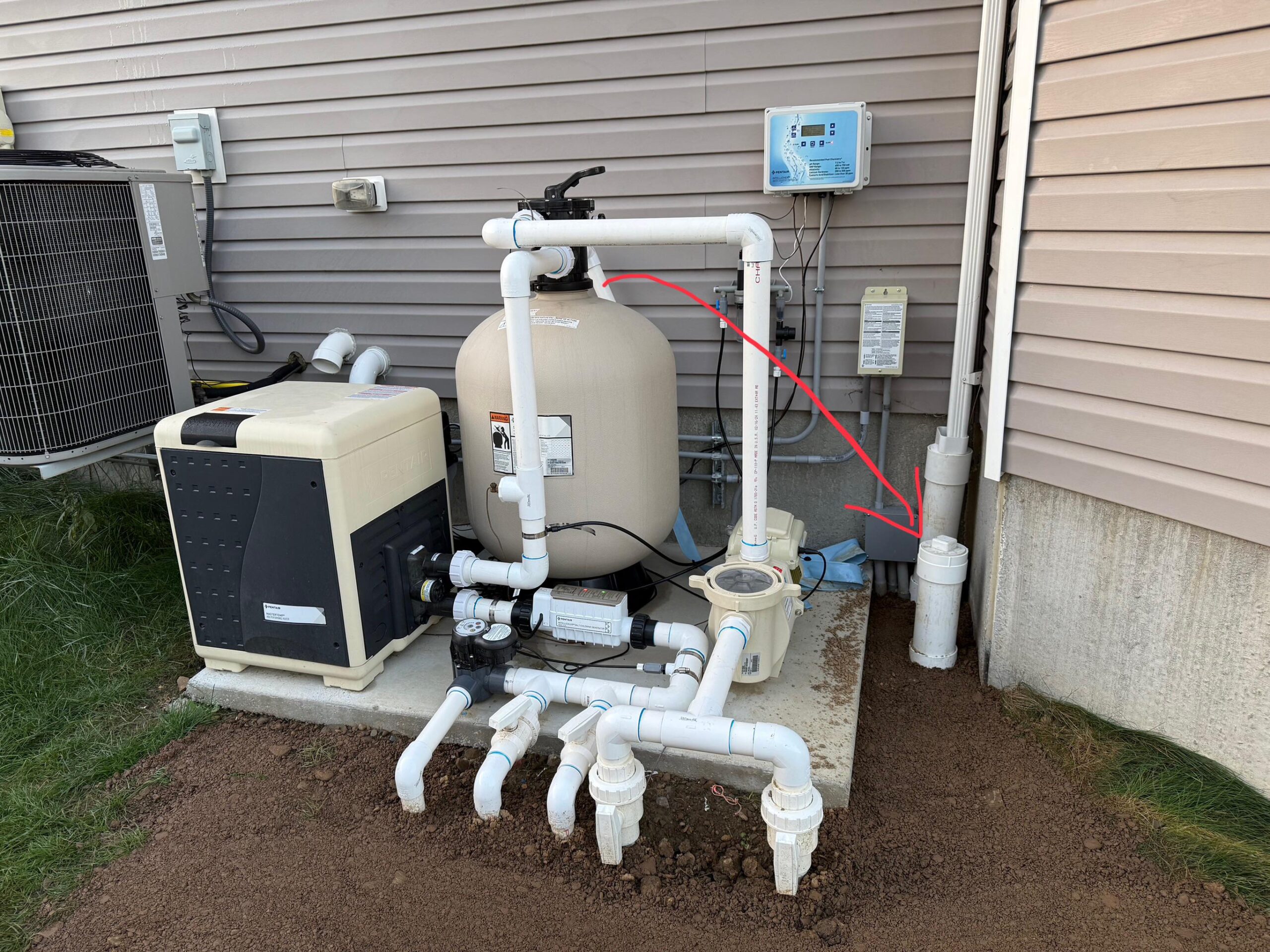
Sometimes the pump itself is not failing — it is shaking. A loose base, unstable pad, or rigid plumbing setup can amplify pool pump noise across your backyard.
This is especially common when older pumps run at full speed for hours. A properly installed quiet pool pump setup should reduce vibration instead of transferring it into the pad, pipes, fence, or wall.
5. Aging Single-Speed Pump
Older single-speed pumps often run at one high speed, which can create more pool pump noise than modern variable-speed models. According to ENERGY STAR certified pool pump guidance, efficient pool pumps can reduce energy use compared with older conventional pumps.Many homeowners who want to reduce pool pump noise also consider newer variable-speed technology. Manufacturers like Pentair and Hayward offer variable-speed pump options designed to run at lower speeds for quieter operation and better efficiency.
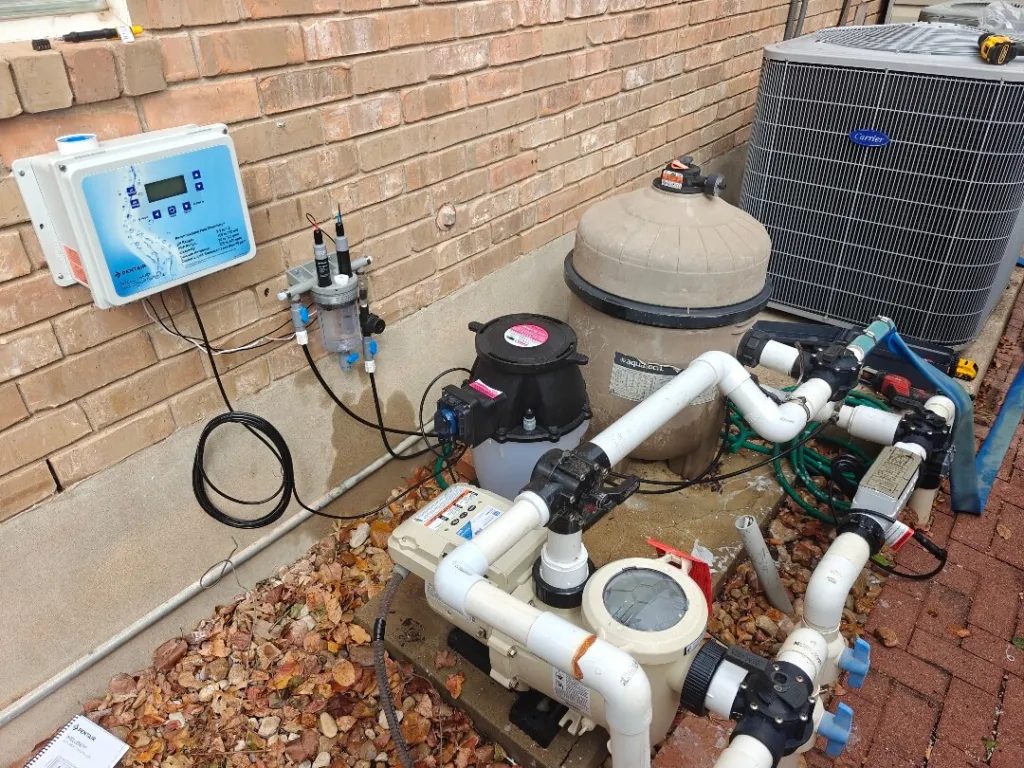
What Different Pool Pump Sounds May Mean
| Sound | Possible Cause | What To Do |
|---|---|---|
| Grinding | Worn bearings or motor issue | Schedule inspection |
| Screeching | Bearing failure or motor strain | Turn off pump and call for service |
| Rattling | Loose parts, debris, vibration | Check baskets, then call if sound remains |
| Humming but not starting | Electrical or capacitor issue | Do not keep forcing startup |
| Gurgling | Air leak or low water flow | Check water level and pump lid |
| Loud vibration | Loose base or plumbing stress | Equipment pad inspection recommended |
Not every pool pump noise means disaster, but every new sound deserves attention. Pool pumps are too important to guess with.
Can Pool Pump Noise Become a Neighbor Problem?
In Dallas-Fort Worth neighborhoods, yes. Backyards are often close together, and a loud pool pump running early in the morning or late at night can become frustrating fast.
The CDC notes that prolonged exposure to loud noise can contribute to hearing damage, and while your pump is not usually in the same category as industrial noise, constant mechanical sound can still make your outdoor space feel less peaceful.
If you are dealing with pool pump noise near a bedroom wall, fence line, outdoor kitchen, or patio, PoolBurg can inspect the equipment and recommend practical ways to quiet the system.
How to Reduce Pool Pump Noise
Here are smart ways to reduce pool pump noise without guessing:
- Clean the pump basket regularly
Debris blocks flow and makes the pump work harder. - Keep the water level correct
Low water can pull air into the system. - Schedule filter cleaning
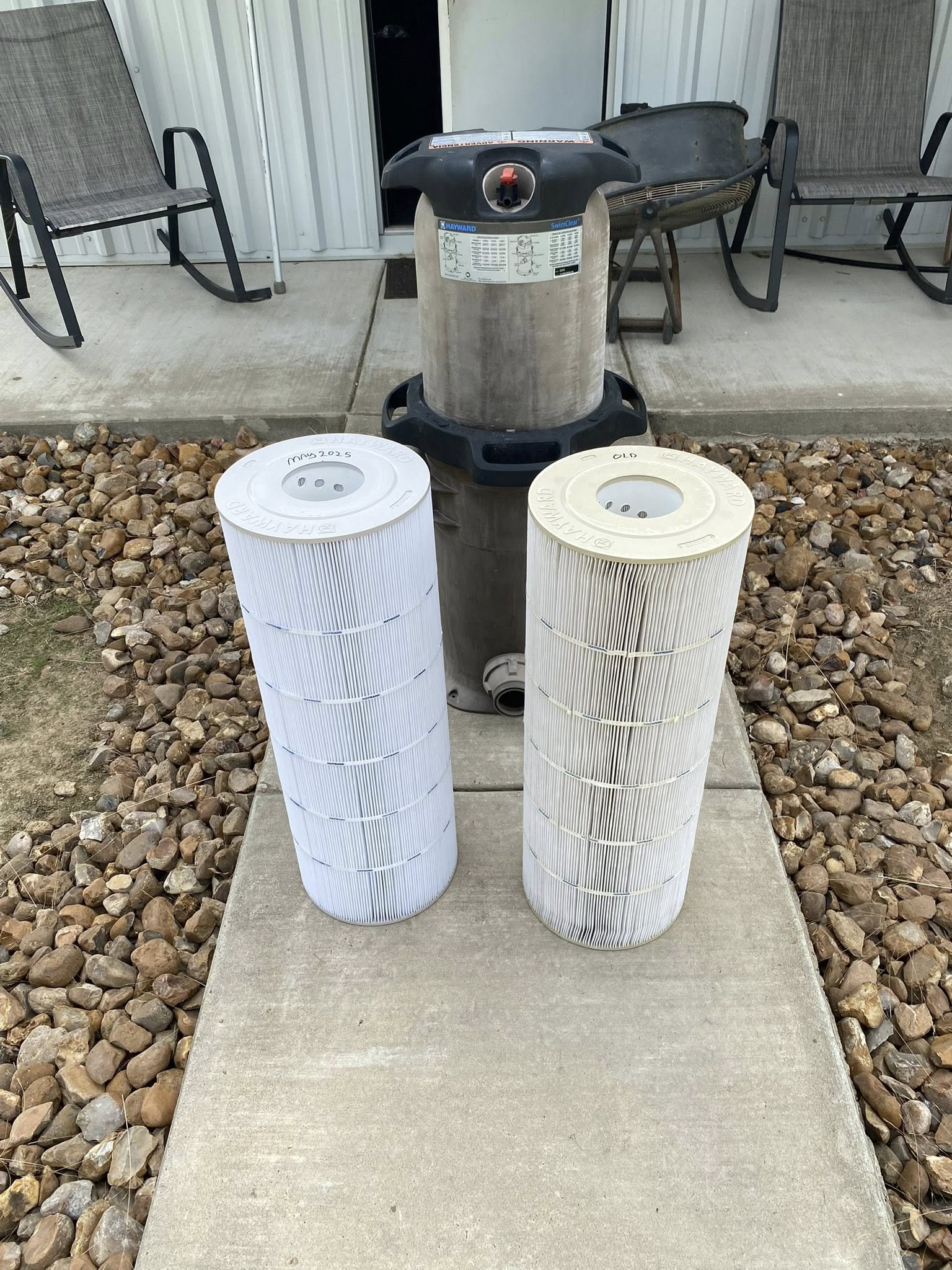
A dirty filter increases pressure and stress. See PoolBurg’s pool filter cleaning service. - Inspect the pump lid O-ring
A damaged seal can allow air leaks. - Check for vibration
A pump pad or loose mounting bolts may amplify sound. - Consider equipment upgrades
A modern quiet pool pump may help if your old single-speed pump is the main problem. - Book professional diagnostics
If pool pump noise continues after basic checks, it is time for expert help.
For deeper pool care standards, the Pool & Hot Tub Alliance is also a helpful external resource for homeowners who want to understand pool safety and equipment best practices.
When to Call PoolBurg
Call PoolBurg if your pool pump noise is sudden, sharp, metallic, or getting worse. Also call if the pump is making noise and your pool has weak flow, cloudy water, bubbles, leaks, or repeated priming issues.
PoolBurg provides Dallas Fort Worth pool equipment service for homeowners who want their pools running cleaner, quieter, and more reliably. Whether you need troubleshooting, repairs, cleaning, or a full equipment inspection, our team can help you find the cause instead of just covering up the sound.
If you are buying a home with a pool, equipment noise can also be a red flag. Schedule a pool inspection in Dallas-Fort Worth so you know what you are dealing with before closing.
Final Takeaway: Do Not Ignore Pool Pump Noise
Pool pump noise is one of the easiest warning signs to notice — and one of the easiest to ignore until something breaks.
A little hum is normal. Grinding, screeching, rattling, loud vibration, and strange pool pump motor noise are not. If your pool pump making noise is disrupting your backyard or making you nervous, PoolBurg can inspect the system, identify the cause, and help you decide whether repair, maintenance, or replacement makes the most sense.
Ready to quiet things down? Contact PoolBurg today for professional pool equipment help in Dallas-Fort Worth.