A pool pump timer is one of those quiet little devices that only gets attention when something goes wrong. The pool turns cloudy. The pump runs all night. The breaker trips. Suddenly, that small box on the wall starts feeling very important.
For DFW homeowners, a reliable pool pump timer is not just about convenience. It helps control circulation, supports filtration, protects equipment, and keeps your pool maintenance services routine from turning into a guessing game. In a climate where heat, storms, and heavy swim weeks can change water conditions fast, timing matters.
Quick takeaway: Your pool pump does not need to run randomly. It needs the right schedule, the right timer, and the right setup for your pool.
Why a Pool Pump Timer Matters More Than People Think
A pool pump timer controls when your pump turns on and off. Simple, right? But that simple job affects almost everything: water movement, chemical distribution, filtration, energy use, and equipment wear.
When your pool timer is set correctly, your system gets consistent circulation without forcing the pump to run longer than needed. That matters because modern pool efficiency is not just about running equipment harder; it is about running it smarter. ENERGY STAR pool pump guidance points homeowners toward efficient pump operation, especially when paired with newer variable-speed technology.
In plain English: a bad pool pump schedule can waste power, stress equipment, and leave your water looking tired.
Mechanical Pool Timer vs Digital Pool Timer vs Pool Automation Timer
Most DFW pools fall into one of three timer setups: a mechanical pool timer, a digital pool timer, or a full pool automation timer. Each has a place.
| Timer Type | Best For | Common Notes |
| Mechanical pool timer | Simple pump schedules | Affordable, durable, and common on older pools |
| Digital pool timer | More precise scheduling | Great when you want easier programming and better control |
| Pool automation timer | Pumps, lights, heaters, features, and app control | Best for owners who want smarter pool control from one system |
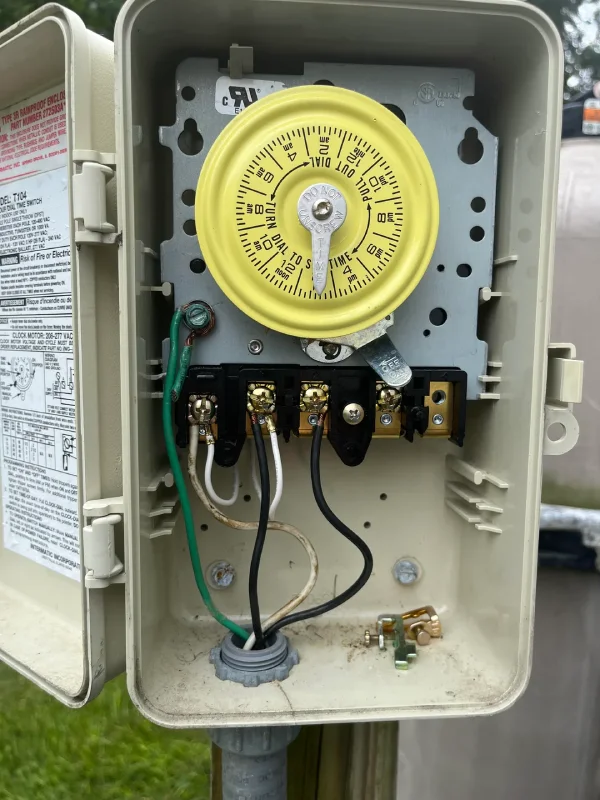
An Intermatic pool timer is one of the most recognizable mechanical options because it is straightforward and built for repeat scheduling. But if you want app-based control, brands like Pentair IntelliCenter pool automation, Jandy iAquaLink automation, and Hayward OmniLogic automation offer more advanced control for pumps, lights, heaters, and other pool features.
Signs Your Pool Timer Is Not Working
A pool timer not working can sneak up on you. One day the water looks fine. A few days later, your pool is dull, the pump schedule is off, and your equipment pad sounds like it has developed an attitude.
Watch for these warning signs:
- The pump does not turn on or shut off at the scheduled time.
- The timer dial is stuck or no longer moving.
- The trippers or pins are missing, loose, or worn out.
- The timer box buzzes, sparks, or feels unusually hot.
- The breaker trips after the timer activates the pump.
- Your pool water turns cloudy because circulation is inconsistent.
If any of this sounds familiar, it may be time for pool pump timer replacement or a professional inspection. PoolBurg can check whether the issue is the timer, wiring, pump motor, breaker, or another piece of pool equipment. You can start with our PoolBurg services page to see how equipment checks fit into broader pool care.
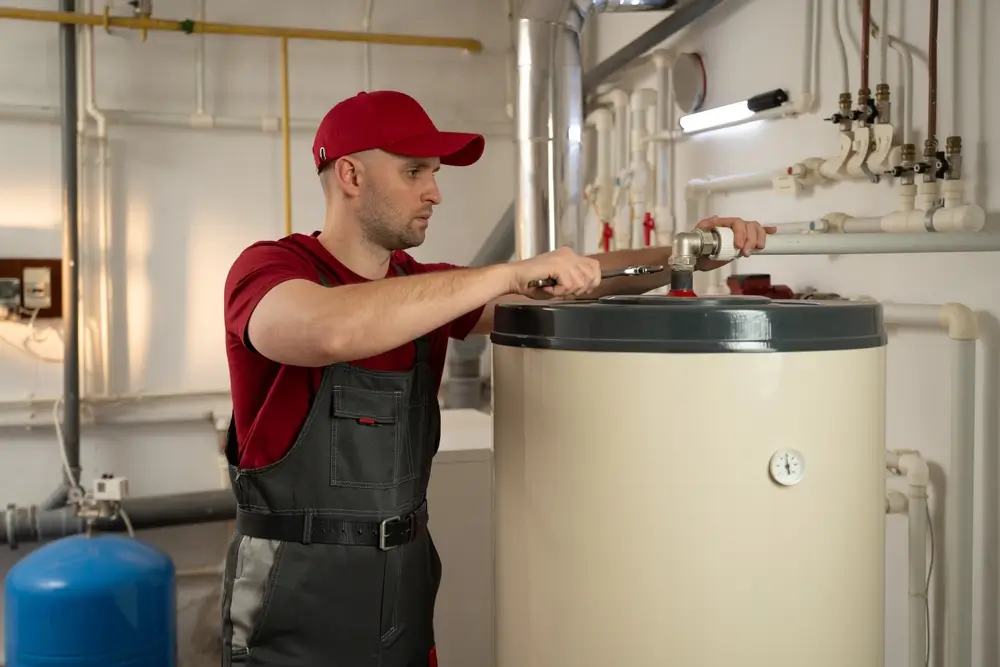
What Pool Pump Timer Installation Usually Involves
Pool pump timer installation is not just “swap the box and go.” A technician should confirm voltage, wiring condition, pump load, breaker compatibility, grounding, bonding, enclosure condition, and schedule needs. With pool equipment, shortcuts get expensive fast.
For a standard mechanical pool timer, replacement often costs less than a full automation upgrade. A basic timer can land around the lower end of the price range, while a smart automatic pool timer or automation system can cost more because it connects multiple functions into one control setup.
- Inspect the existing pool equipment timer and confirm the problem.
- Match the timer to the pump so the setup supports the electrical load.
- Install and test the timer for safe startup and shutoff.
- Set the pool pump schedule based on pool size, season, usage, and equipment type.
- Explain the controls so the homeowner is not left poking buttons like it is a spaceship.
How Long Should Your Pool Pump Run?
There is no one-size-fits-all answer. Your pool pump timer should be set around your pool’s volume, pump speed, filter condition, water temperature, debris load, and how often the pool is used.
In DFW, many pools need longer circulation during hot stretches, heavy use, or after storms. The National Weather Service Fort Worth office is a useful local resource for watching the kind of weather patterns that can dump leaves, dust, and organic debris into a pool overnight.
This is where regular service helps. During routine visits, PoolBurg can spot whether your timer schedule is helping your water or quietly working against it. If the pool looks cloudy even after balancing chemicals, the pool pump timer may be part of the story.
Should You Repair, Replace, or Upgrade?
If your current pool pump timer is a basic mechanical model and the problem is minor, repair may be enough. If the enclosure is damaged, the clock motor has failed, the wiring is unsafe, or the timer keeps losing schedule, replacement is usually the better move.
Upgrade to a pool automation timer if you want:
- App control for pump schedules
- Better coordination with heaters, lights, or water features
- Cleaner equipment control for variable-speed pumps
- Fewer trips to the equipment pad
- A setup that feels modern instead of mysterious
If you are already planning a pool equipment upgrade, inspection, or ongoing weekly pool maintenance, it is smart to evaluate the timer at the same time. A strong pump with a weak timer is like a good truck with a bad ignition.

PoolBurg Helps DFW Homeowners Keep Pool Timing Simple
PoolBurg helps DFW homeowners with practical pool care, including pump checks, timer concerns, water clarity issues, and equipment-related service questions. Whether you have an older Intermatic pool timer, a failing digital pool timer, or you are considering a smarter pool automation timer, the goal is the same: make the pool easier to own.
A working pool pump timer gives your pool rhythm. It keeps water moving, supports filtration, and helps reduce the “why is my pool acting weird today?” moments that nobody enjoys.
If your timer is unreliable, your pump schedule feels off, or your equipment pad needs a professional look, reach out through the PoolBurg contact page. We will help you figure out whether your pool needs a timer repair, a replacement, or a better control setup altogether.
FAQ About Pool Pump Timers
What does a pool pump timer do?
A pool pump timer turns your pump on and off automatically so your water circulates on a consistent schedule.
Is an Intermatic pool timer still a good option?
Yes. An Intermatic pool timer can still be a solid choice for simple pump scheduling, especially when the pool does not need full automation.
When should I upgrade to a pool automation timer?
Upgrade to a pool automation timer when you want app control, multi-equipment scheduling, easier heater or light control, or a smarter setup for a variable-speed pump.
Can PoolBurg help if my pool timer is not working?
Yes. If your pool timer not working issue is affecting circulation, water clarity, or pump operation, PoolBurg can inspect the system and recommend the right next step.