Pool staining is one of those problems that makes a homeowner do a double take. The water may be clear, the pump may be running, and the pool may even be safe to swim in, but those brown, green, gray, purple, or rusty-looking marks make the whole backyard feel neglected. Annoying? Very. Permanent? Not always.
The trick with pool staining is not to panic and start dumping random chemicals into the water. Different stains need different fixes. Organic stains, metal stains, rust marks, and scale-related stains can all look similar from a distance, but the right pool stain removal plan depends on what caused the mark in the first place.
What Pool Staining Usually Means
Pool staining is usually a clue that something has been sitting on the surface, reacting with the water, or building up over time. Leaves, acorns, berries, fertilizer, iron, copper, calcium scale, old screws, and even pool equipment parts can leave stains on pool surface areas. The EPA notes that iron, manganese, and other nuisance minerals can affect color and staining in water systems, which is why metals matter so much in swimming pools too.
PoolBurg sees this often during pool cleaning visits around North Texas, especially after storms, heavy debris drops, or water chemistry swings. When stains show up, the goal is simple: identify the stain before choosing the treatment.
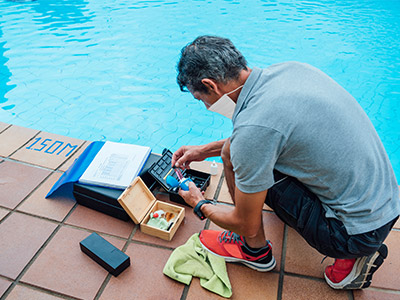
The Most Common Types of Pool Stains
Not all pool staining is the same. A tan or brown spot is often organic, especially if leaves or dirt were sitting there. A rusty orange stain may point toward iron or a metal object. Blue-green or teal staining may suggest copper. White or gray rough patches often come from calcium scale, especially in hard-water areas like DFW. For water balance basics, CDC pool chemical safety guidance is a helpful starting point for understanding why pH and sanitizer control matter.
- Organic stains usually come from leaves, algae, dirt, berries, and tannins.
- Metal stains often come from iron, copper, manganese, well water, heaters, or corroding parts.
- Rust stains may come from screws, rebar exposure, metal toys, or old equipment pieces.
- Scale stains are tied to calcium buildup and water balance problems.
Quick homeowner test: if brushing lightens the spot, it may be organic. If it does not move at all, it may be metal or scale. That is not a perfect diagnosis, but it is a useful first hint.
Why Pool Staining Happens So Fast in Texas
North Texas pools work hard. Heat burns through chlorine, hard water pushes calcium levels up, wind drops debris into the water, and sprinklers can introduce minerals. Once chemistry drifts, pool staining has a much easier time showing up. That is why regular pool maintenance is not just about making the pool sparkle. It helps protect the surface.
A pool that sits with low chlorine, high pH, poor circulation, or leaves on the floor can develop stains on pool surface areas faster than most people expect. This is also why stain problems often appear after vacation, storms, parties, or a few missed service weeks.
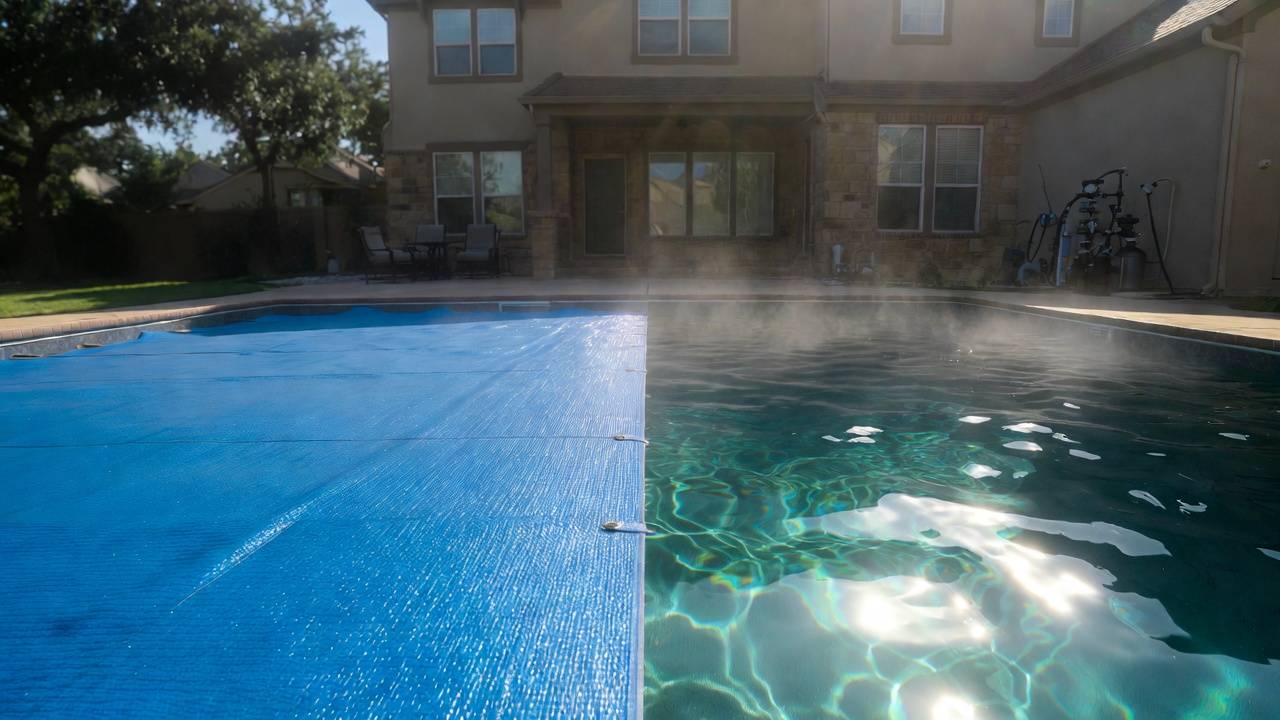
Pool Stain Removal Should Start with Testing
The best pool stain removal starts with water testing. PoolBurg looks at chlorine, pH, alkalinity, calcium hardness, stabilizer, metals, and overall circulation before recommending a treatment. Industry water balance tools like the Orenda LSI calculator can also help explain why scale and calcium issues show up when water gets out of balance.
For homeowners, the safest move is to avoid “miracle stain removers” until you know the stain type. Some products work beautifully on metal stains but do nothing for organic stains. Others can cloud the water or knock chemistry sideways if the pool is not prepared first.
What Not to Do When You See Pool Staining
- Do not drain the pool without professional guidance, especially with plaster or fiberglass surfaces.
- Do not acid wash as a first step. It can be useful in certain cases, but it also removes a layer of surface material.
- Do not shock blindly if you suspect metal staining. Oxidized metals can sometimes make stains darker.
- Do not scrub aggressively with tools that can damage plaster, vinyl, tile, or fiberglass.
This is where a good pool service company earns its keep. The right treatment is not always the strongest treatment. It is the most accurate one.
How PoolBurg Handles Pool Staining
PoolBurg takes a practical approach: inspect the stain, test the water, check equipment, identify likely causes, then choose the least aggressive solution that makes sense. Sometimes that means brushing and chemical correction. Sometimes it means metal sequestrant, spot treatment, filtration work, or a deeper pool stain removal plan.
If the stain keeps coming back, PoolBurg looks for the source. Is copper coming from a heater issue? Is iron entering through fill water? Is calcium scaling because the pH keeps running high? Is debris sitting too long between cleanings? Fixing pool staining without fixing the source is like mopping the floor while the faucet is still running.
People Also Ask
Can pool staining be removed?
Yes, many stains can be removed or improved, especially if the surface is still in good condition and the stain source is identified correctly.
What causes stains on pool surface areas?
Common causes include leaves, algae, dirt, iron, copper, rust, calcium scale, fertilizer, and poor water balance.
Is pool stain removal expensive?
It depends on the stain type and severity. A light organic stain may be simple, while metal staining or scale may require testing, treatment, and follow-up service.
Can I remove pool stains myself?
Sometimes, yes. But if the stain is spreading, returning, or not responding to brushing, professional testing is the smarter route.
Need Help with Pool Staining?
If your pool has stains and you are not sure what caused them, PoolBurg can help you figure it out before the problem gets worse. A clean pool should not just look blue from far away. It should look clean up close too. For pool staining, pool stain removal, and recurring stains on pool surface areas, reach out to PoolBurg and get an honest recommendation for your pool.