
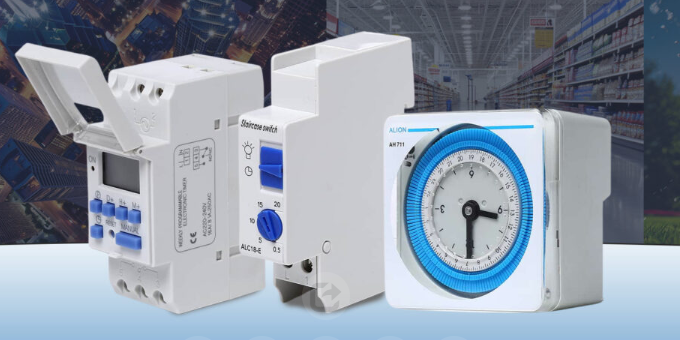
Pool timer replacement might be the single most impactful upgrade sitting on your DFW equipment pad right now. Your pool pump timer controls when the pump runs, when the heater fires, and when the lights come on — it’s the brain of the whole operation. The problem is that a huge number of DFW pools are still running on 20 to 30 year old Intermatic mechanical timers that can’t integrate with variable speed pumps, can’t be controlled remotely, and waste energy because they offer zero optimization. Upgrading your pool automation timer is one of the cheapest ways to get smarter scheduling, lower energy bills, and modern convenience out of equipment you already own.
Types of Pool Timers and Controls
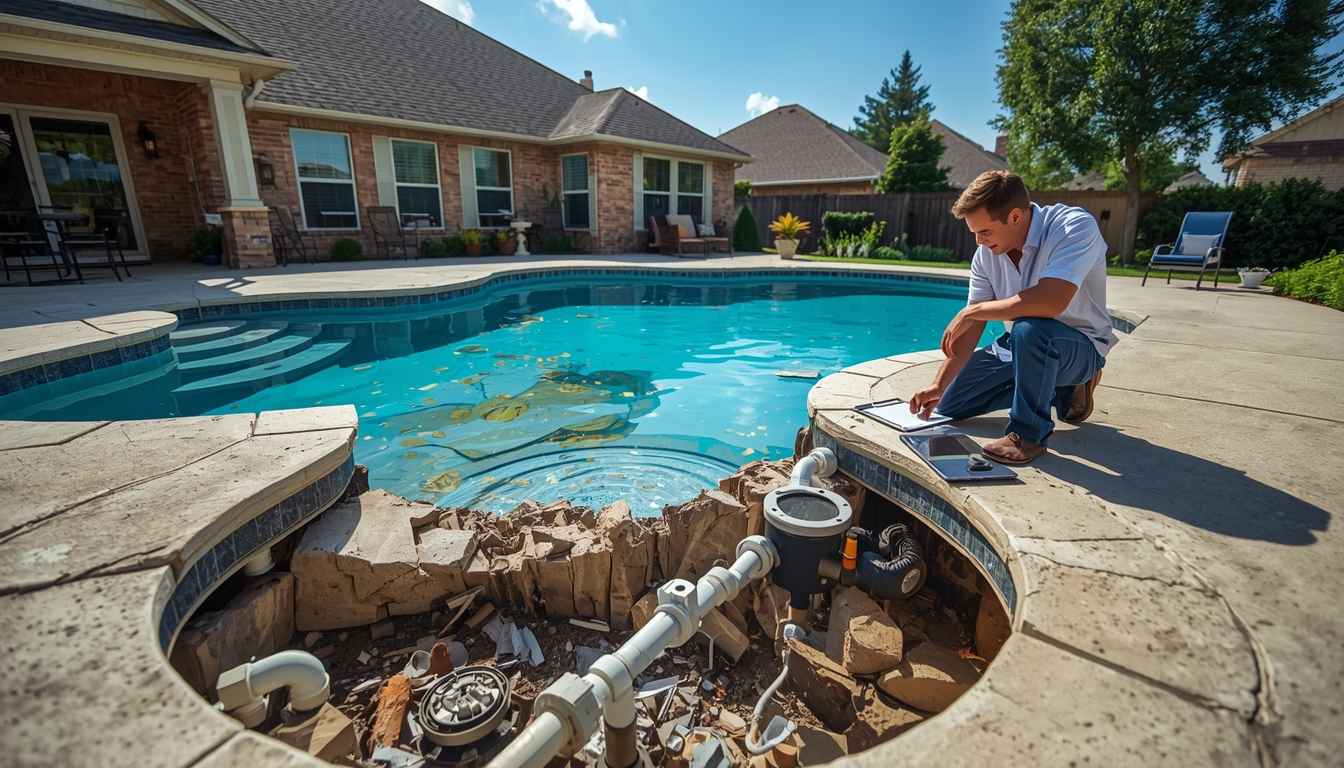
Mechanical timers. The Intermatic T101 and T104 are the classics — that metal box with the clock dial and plastic on/off tabs. Simple, reliable for decades, and still working on thousands of DFW pools. But they’re limited. No remote control, no variable speed pump integration, no smart scheduling. They last 10 to 20 years, and if yours is approaching that range, pool timer replacement is worth considering before it fails. The Pool & Hot Tub Alliance notes that mechanical timers are increasingly being phased out in new construction in favor of digital and automation options.
Digital timers. Electronic versions with LCD displays and more precise scheduling than mechanical dials. You can set multiple on/off cycles, exact minute scheduling, and some have battery backup so they don’t lose programming during DFW power outages. Cost: $75 to $200 installed. A solid step up from mechanical without a big investment.
Smart plugs and WiFi timers. Budget smart upgrade for $50 to $150. You get app control from your phone and basic scheduling. Good for single-speed pump on/off control. The limitation: they don’t integrate with variable speed pumps or control heaters, lights, and water features. If all you need is remote pump scheduling, this is the cheapest pool timer replacement path. Our smart pool technology guide covers WiFi timer options in more detail.
Full automation systems. Pentair IntelliCenter, Jandy iAqualink, and Hayward OmniLogic are the real game-changers. Complete pool control from a touchscreen panel and smartphone app — pump speeds, heater, lights, water features, valves, everything. Cost: $2,000 to $5,000 installed. The Pentair support page has compatibility guides for their systems. Our automation guide compares all three platforms. This is the pool automation timer upgrade that changes how you interact with your pool entirely.
Signs Your Pool Timer Replacement Is Overdue



The clock doesn’t advance or runs intermittently — the motor inside is dying. Contacts are corroded or pitted — the pump doesn’t start when it should or runs continuously. The breaker trips when the timer activates — that’s an electrical issue that needs attention. The dial is stripped and tabs won’t hold position. And the most serious: burn marks or melting around the contacts. That’s a fire risk and means pool timer replacement is urgent, not optional. The Consumer Product Safety Commission warns that aging electrical components near pool equipment should be replaced proactively to prevent fire and shock hazards. Our electrical repair guide covers when timer issues indicate broader wiring problems.
Pool Timer Replacement Cost in DFW
Mechanical pool pump timer replacement: $100 to $250 installed. Digital timer upgrade: $150 to $300. Smart WiFi timer retrofit: $100 to $250. Full automation system: $2,000 to $5,000 installed. If your electrical panel needs upgrading to support automation, add $300 to $800. According to HomeAdvisor’s pool data, pool automation is one of the highest-ROI upgrades for both daily convenience and property value — and it starts with replacing that old pool pump timer.
Why DFW Pool Owners Should Consider Full Automation
The real value of a pool automation timer upgrade goes beyond scheduling. Integration with a variable speed pump lets the automation system optimize pump speeds for different tasks — low speed for daily filtration, medium for skimming, high for spa jets. That alone saves $600 to $1,500 per year in energy. Remote heater control means you can warm the pool from your phone before you get home. Remote monitoring alerts you immediately if equipment has a problem — critical during DFW storm season when power outages and freeze events hit. Smart scheduling runs equipment during off-peak electricity hours on your Texas power plan. Alexa and Google integration adds voice control.
The U.S. Department of Energy confirms that smart pump scheduling through automation is one of the most effective ways to reduce residential pool energy consumption. Our energy savings guide covers the full math on what automation saves.
People Also Ask
How much does it cost to replace a pool timer?
Mechanical pool timer replacement: $100 to $250. Digital upgrade: $150 to $300. WiFi smart timer: $100 to $250. Full automation: $2,000 to $5,000. The right choice depends on your current equipment and how much control you want.
Can I upgrade my pool timer to smart control?
Yes. A WiFi smart plug gives you basic app control for $50 to $150. For full smart control including pump speeds, heater, and lights, a pool automation timer system like Pentair IntelliCenter or Hayward OmniLogic is the way to go at $2,000 to $5,000.
Why did my pool timer stop working?
Most common causes: timer motor failure (clock stops advancing), corroded contacts, stripped dial mechanism, or electrical issues. Timers over 15 years old fail with increasing frequency. Burn marks or melting near contacts is a fire hazard — replace immediately.
Is pool automation worth the investment?
For most DFW owners, yes. Energy savings from VS pump integration alone can reach $600 to $1,500 per year, which pays back the automation cost within 2 to 4 years. Remote control, monitoring, and storm response add convenience and protection that basic timers can’t match.
What is the best pool automation system?
Pentair IntelliCenter, Hayward OmniLogic, and Jandy iAqualink are the top three. Pentair is most common in DFW new construction. All three offer app control, VS pump integration, and comprehensive equipment management. Our automation comparison breaks down the differences.
Still Using a 20-Year-Old Timer Dial?
Pool timer replacement is one of the easiest upgrades with the biggest impact. Contact PoolBurg for a free upgrade assessment — we’ll evaluate your current setup and recommend the smartest path from basic timer to full smart control.