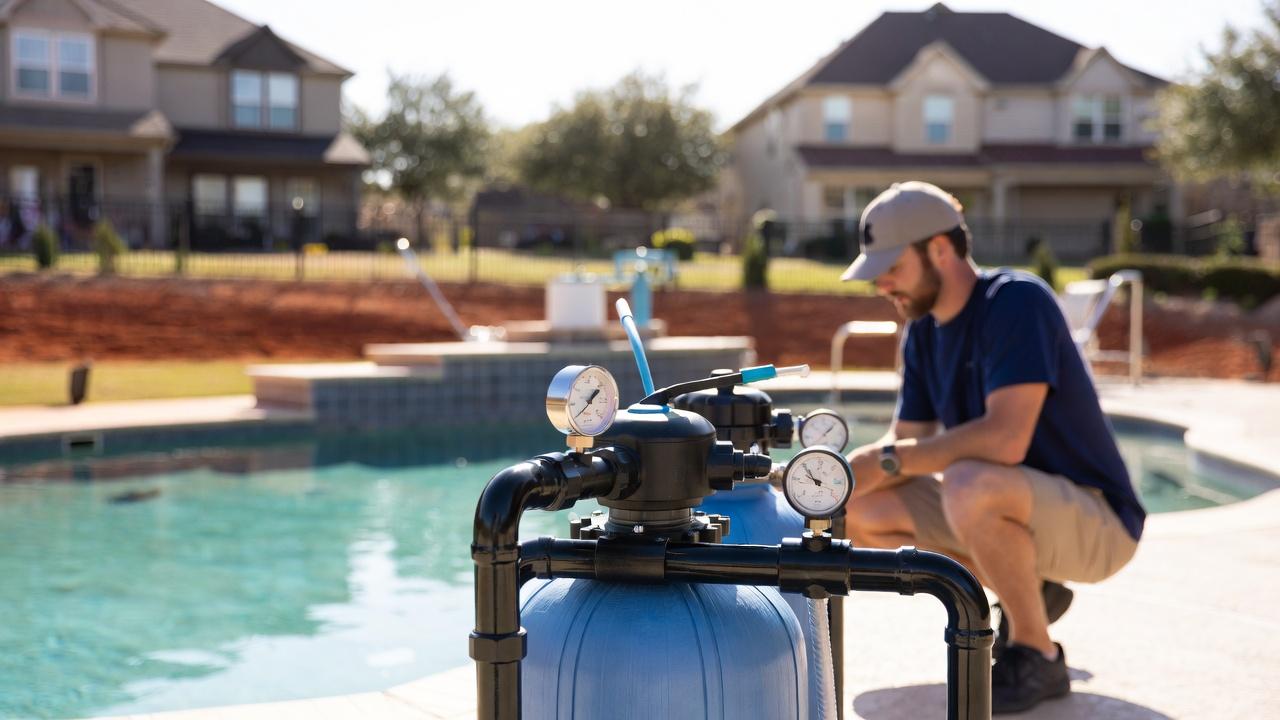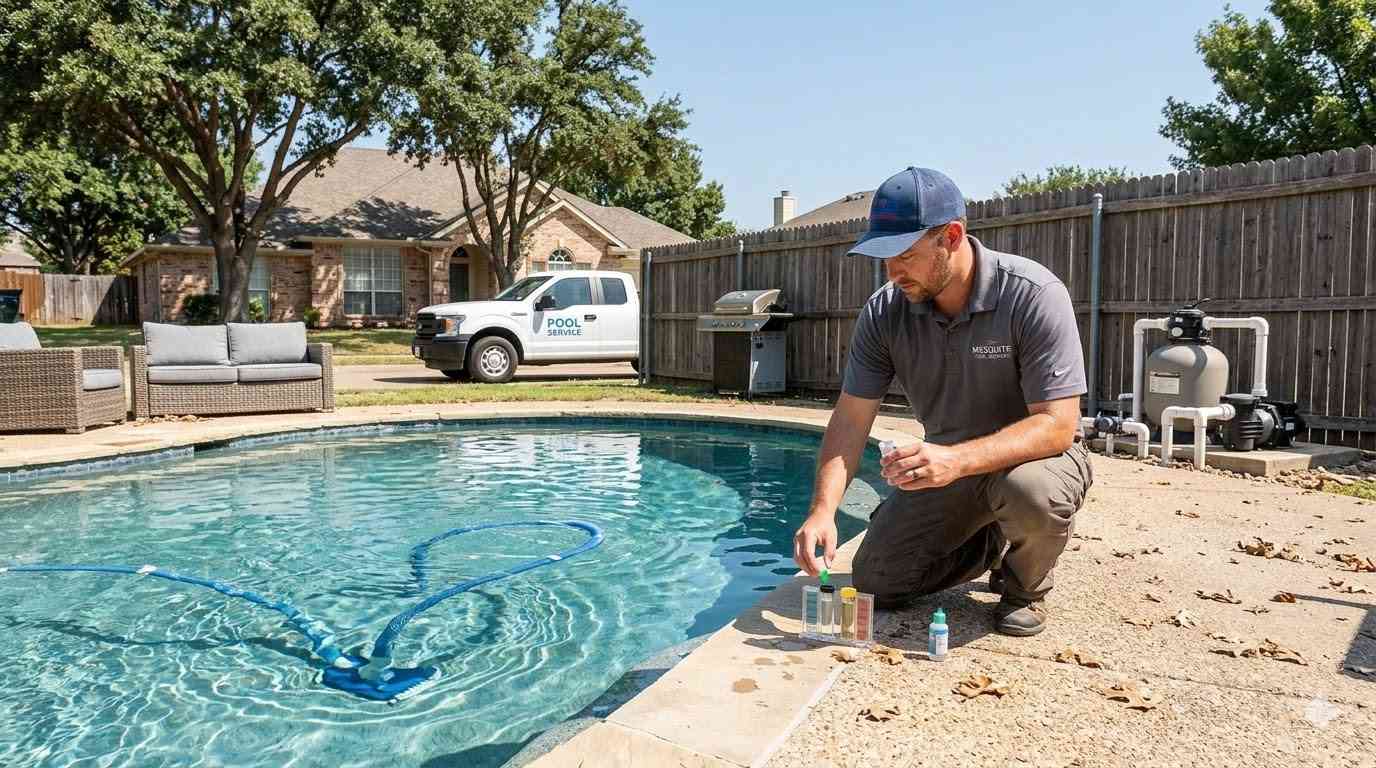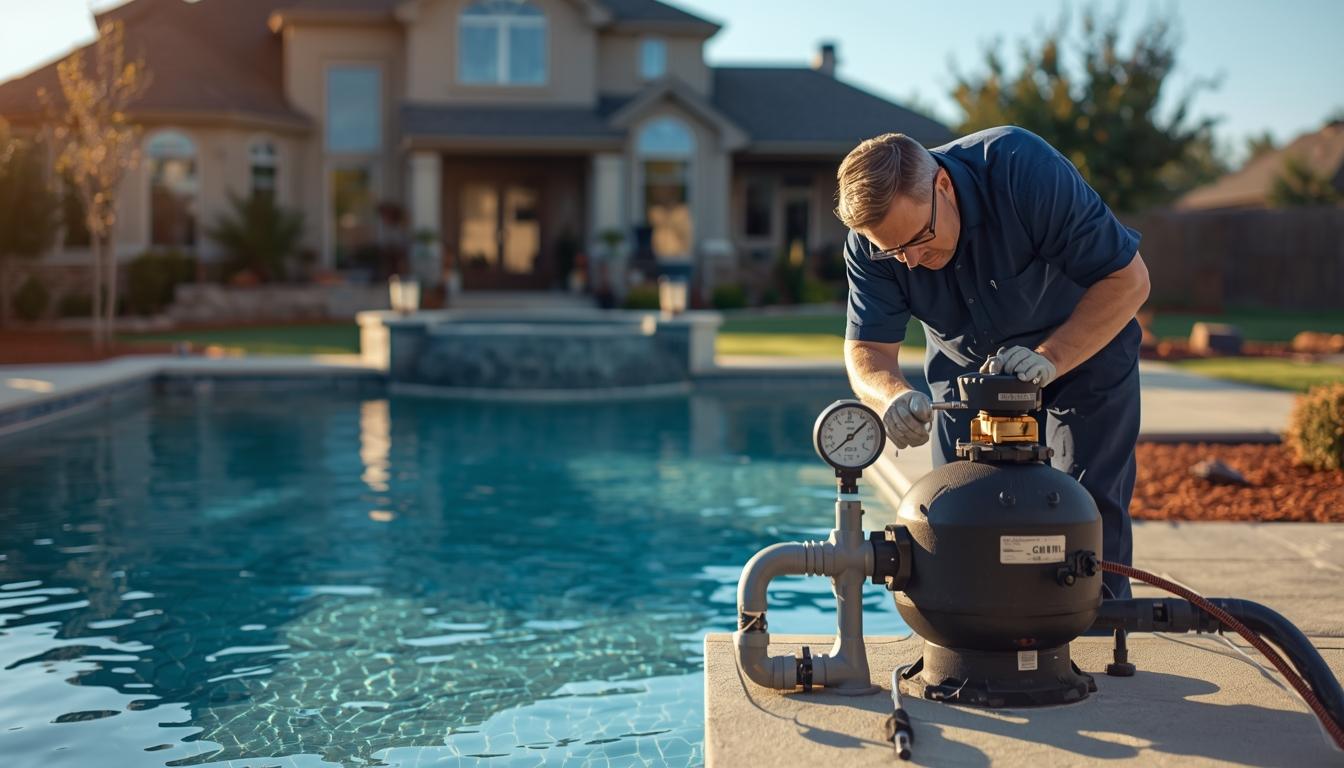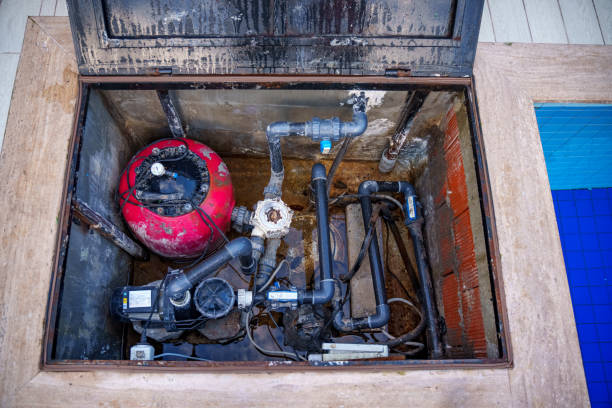
When homeowners start comparing sand filter vs cartridge filter, they’re usually trying to answer a bigger question — which pool filter is best. Every swimming pool needs proper filtration because chemicals alone can’t remove dirt, pollen, sunscreen oils, and tiny debris floating in the water. A good filter physically removes those particles so your sanitizer can do its job properly. According to the Pool & Hot Tub Alliance filtration guide, filtration is one of the most critical components of safe and clear pool water. Understanding how sand, cartridge, and DE filters work makes choosing the best pool filter much easier.
The Three Types of Pool Filters — Quick Overview
Every pool relies on filtration to remove particles that chemistry simply can’t destroy. In the sand filter vs cartridge filter debate, it’s important to remember there are actually three filter technologies used in residential pools:
- Sand filters
- Cartridge filters
- DE (diatomaceous earth) filters
Each system removes debris differently. The CDC healthy swimming guidelines explain that filtration works together with sanitation to keep water safe and clear. The best choice depends on your equipment setup, maintenance preference, and how much debris your pool collects.
Sand Filters — The Reliable Workhorse
How they work
A sand filter pushes pool water through a bed of #20 silica sand, where debris becomes trapped between the sand grains. Dirty water enters the top of the filter and clean water exits through the bottom. Cleaning the filter is simple — the system is backwashed, meaning the water flow reverses and flushes trapped debris out of the tank.
Filtration level
Sand filters capture particles around 20–40 microns, which is slightly larger than cartridge or DE filtration but still perfectly adequate for most residential pools.
Pros
Sand filters are extremely durable and forgiving. They handle heavy debris loads well, require minimal maintenance, and can continue working even if cleaning is delayed.
Cons
Backwashing wastes water and sand does not filter as finely as other systems. The tanks are also physically larger than cartridge filters.
Cost
New sand filters typically cost $300–$800 installed, with sand replacement every few years costing around $150–$350.
Cartridge Filters — The Efficiency Champion
How they work
Cartridge filters push water through a pleated polyester cartridge. Debris gets trapped in the folds of the material, and cleaning simply involves removing the cartridge and rinsing it with a hose.
Filtration level
Cartridge filters capture particles around 10–15 microns, producing noticeably clearer water than sand filtration.
Pros
They don’t require backwashing, meaning no water waste. They also work extremely well with modern variable speed pumps, which the U.S. Department of Energy energy efficiency guide notes can dramatically reduce pool energy consumption.
Cons
Cartridges eventually clog with minerals and oils and must be replaced every 1–2 years depending on usage.
Cost
Cartridge filters typically cost $400–$1,200 installed, with replacement cartridges costing $50–$250 each.
DE Filters — The Premium Option

How they work
DE filters coat internal grids with diatomaceous earth powder, creating an ultra-fine filtration layer.
Filtration level
DE filters capture particles as small as 3–5 microns, making them the most powerful filtration system available for residential pools.
Pros
They produce incredibly clear water and are excellent at removing fine dust and pollen, which the National Swimming Pool Foundation water quality research notes are common causes of cloudy pools.
Cons
DE filters require more maintenance. After backwashing, the filter must be recharged with fresh DE powder, which can be messy.
Cost
Most DE filters cost $500–$1,500 installed, with additional costs for DE powder and occasional grid replacement.
PoolBurg’s Recommendation for DFW Pools
When homeowners ask us about sand filter vs cartridge filter, our recommendation usually depends on the pool setup.
For most new installations, cartridge filters offer the best balance of efficiency, water clarity, and compatibility with modern variable-speed pumps. If you already have a sand filter that works well, there’s usually no urgent reason to replace it — they’re incredibly reliable. For homeowners who want the absolute clearest water possible and don’t mind extra maintenance, DE filters deliver the best filtration available.
Matching the filter size with the right pump setup often matters more than the filter type itself.
People Also Ask

Which pool filter type is best for Texas?
Most pool professionals recommend cartridge filters for efficiency and water conservation, especially when paired with variable-speed pumps.
Is a cartridge filter better than a sand filter?
Cartridge filters generally provide finer filtration and better water clarity, but sand filters are simpler and more forgiving with heavy debris.
How often do I need to replace pool filter media?
Sand usually lasts 3–5 years, cartridges 1–2 years, and DE grids 3–5 years depending on maintenance.
Can I switch from a sand filter to a cartridge filter?
Yes. Many homeowners upgrade from sand filters when replacing equipment pads or installing new pumps.
Which filter works best with a variable speed pump?
Cartridge filters perform extremely well with low-flow variable speed pumps.
Does hard water affect pool filters?
Yes. Mineral buildup from hard water can reduce filtration efficiency over time, especially inside cartridge pleats.
PoolBurg Services All Filter Types Across DFW
Sand, cartridge, and DE — PoolBurg maintains and services all pool filter systems. Our technicians regularly clean filters, diagnose filtration problems, and help homeowners upgrade equipment when it’s time.
Not sure which filter is right for your pool? Ask PoolBurg to evaluate your system during your next service visit and recommend the best option.