
Saltwater pool no flow warning messages usually mean one thing: your salt system does not believe enough water is moving through the cell. When that happens, many salt chlorinators stop generating chlorine until flow is restored. That is not the pool being dramatic. It is the system trying to protect itself and keep the water from drifting into cloudy, algae-friendly territory.
This is why a no flow light salt pool problem feels so annoying. The pump may sound like it is running, the pool may look mostly fine, and the control panel may still show power. But if the salt chlorinator flow switch is not satisfied, the cell may sit there doing nothing. Hayward AquaRite troubleshooting guidance explains that a No Flow light can flash during startup while the system verifies flow, but a steady warning points to a flow detection problem.
What a Saltwater No Flow Warning Means
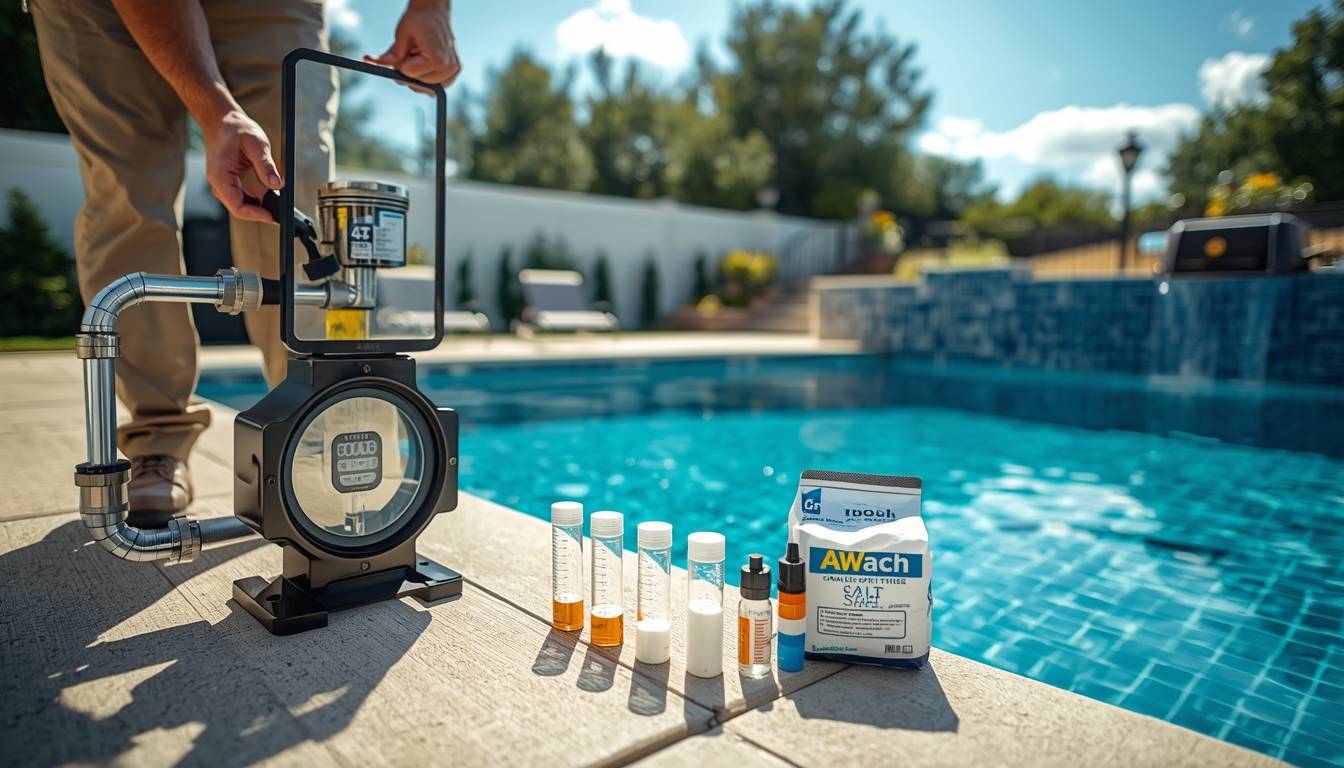
A saltwater pool no flow warning is a circulation warning, not a salt-level warning. The system needs water moving through the cell so it can safely make chlorine. Jandy AquaPure product information describes salt systems that monitor flow, salinity, temperature, and operating status so the controller knows whether conditions are right for production.
In plain homeowner language, the box is saying, “I do not trust the water movement right now.” That can happen because the pump is off, the filter is dirty, a valve is wrong, the flow switch is failing, or the cell area is not getting a clean, steady stream of water.

Common Causes of a No Flow Warning
The easiest mistake is assuming the salt cell is bad right away. Sometimes it is, but many no flow issues start somewhere much simpler:
- Pump schedule is off, or the pump is running too slowly on a variable-speed setting.
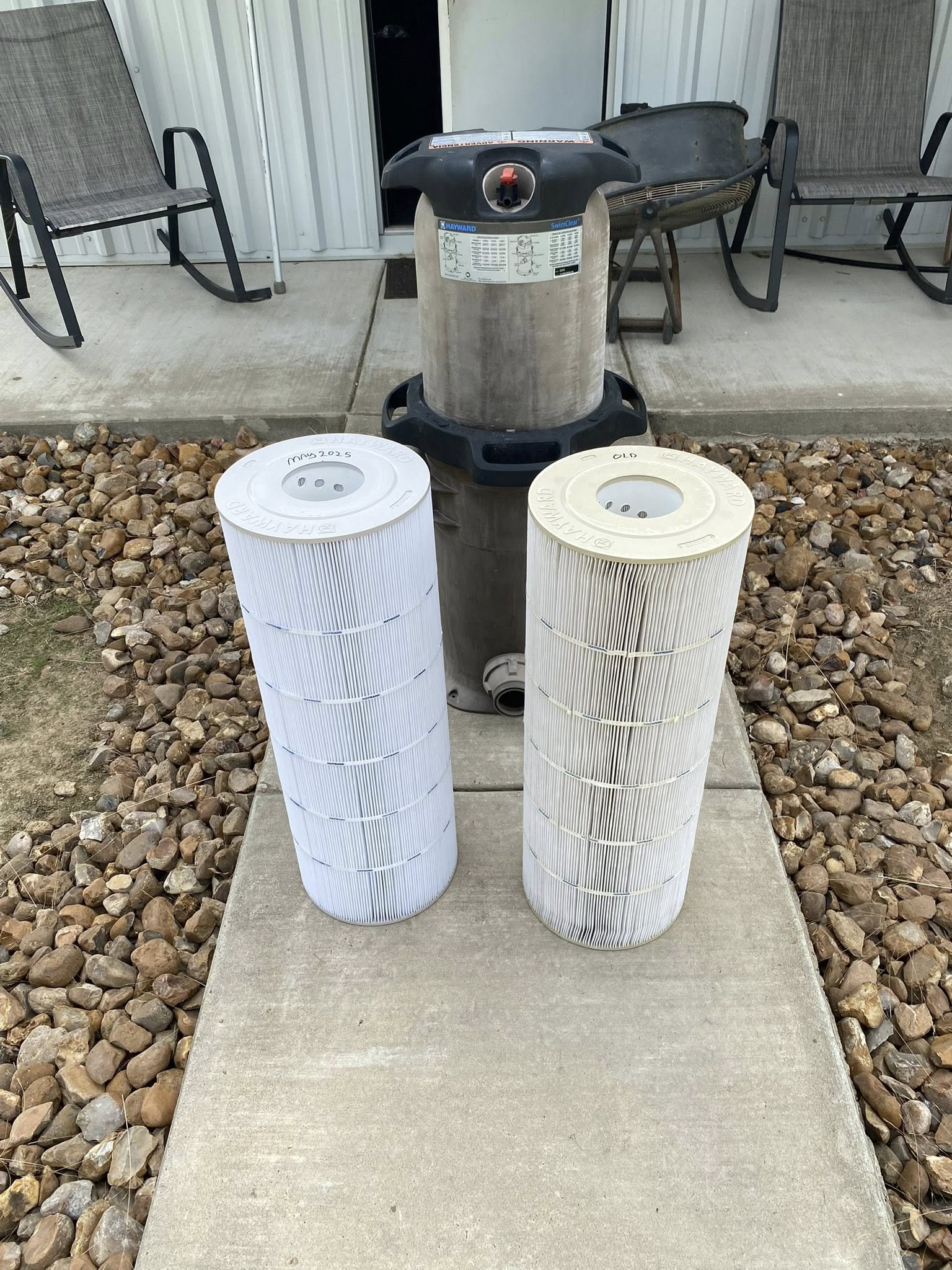
- Filter pressure is high because the filter needs cleaning or backwashing.
- Water level is low and the skimmer is pulling air.
- A valve is closed, partly closed, or sending water away from the salt cell.
- The pump basket is packed with leaves, acorns, hair, or storm debris.
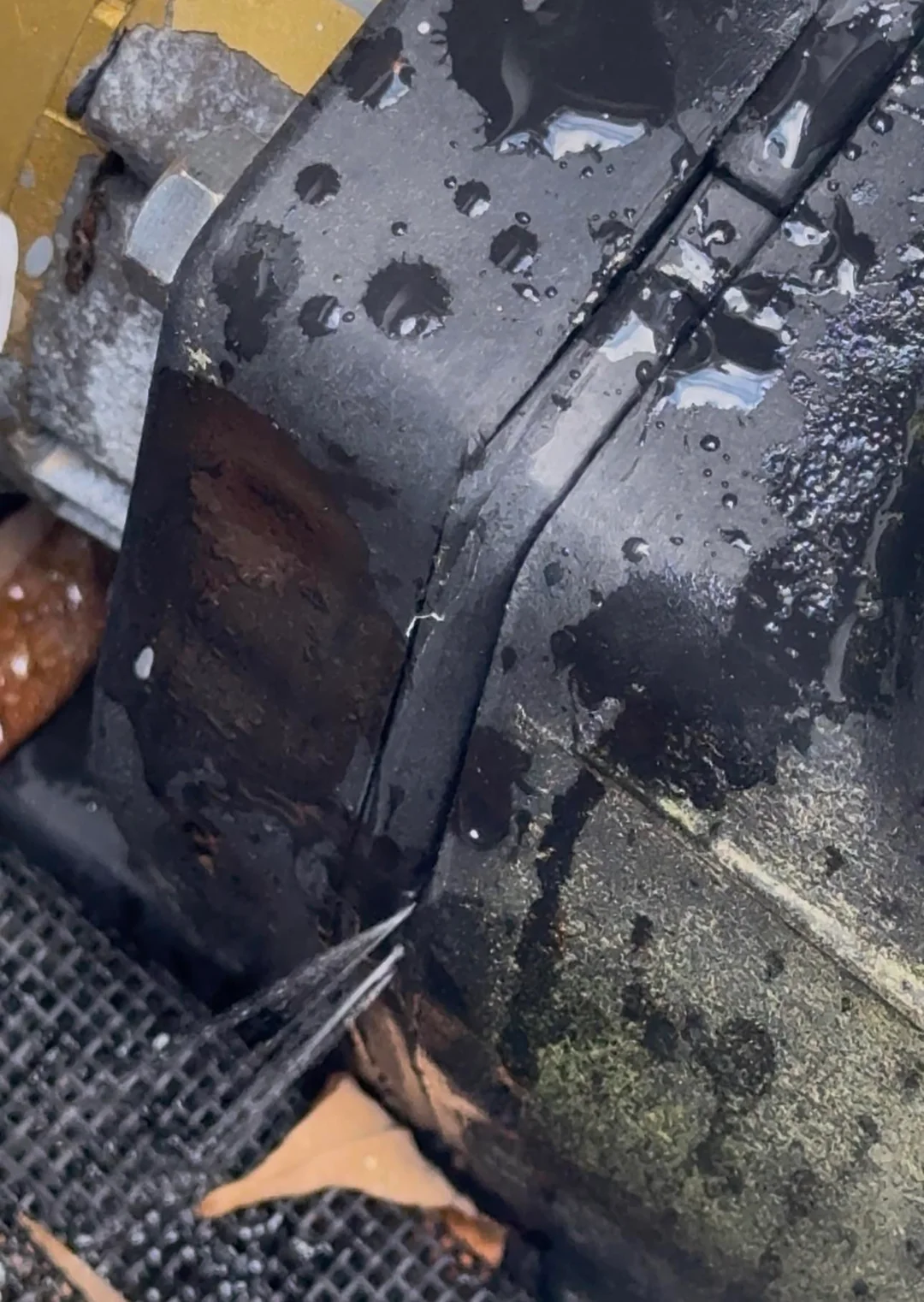
- The salt cell has scale or debris inside the chamber.
- The flow switch is installed backward, too close to an elbow, unplugged, damaged, or worn out.
AquaRite manuals commonly call for enough straight pipe before the flow switch and the arrow pointed in the direction of water flow. The AquaRite 900 owner manual also points homeowners toward checking the flow-switch connection and damaged wiring before assuming the board is bad.
No Flow Warning vs Low Salt Warning
A salt system no flow warning and a low salt warning can both stop chlorine production, but they are not the same problem. Low salt is about salinity. No flow is about movement. You can have perfect salt and still get no chlorine if water is not passing the cell properly.
That distinction matters because adding salt will not fix a circulation issue. If your salt cell not producing chlorine problem appears with a No Flow light, start with flow checks before adding anything to the water. For overall water safety, CDC home pool testing guidance recommends routine chlorine and pH testing, which is especially important when a salt system has stopped producing.

What Homeowners Can Check First
Before replacing parts, do the basic walk-around. Make sure the pump is actually on, the timer is not ending the cycle early, and the pump basket is full of water. Check the skimmer water level and look for air bubbles in the pump lid. Then look at the filter pressure. If pressure is much higher than your clean baseline, the filter may be choking the system.
Next, check valve positions and return strength. Weak return jets usually mean the salt system is not the only thing struggling. If the cell was recently cleaned or replumbed, confirm the flow switch orientation. Pentair IntelliChlor manuals are a good reminder that different salt systems have model-specific installation and service instructions, so the manual still matters.
One PoolBurg caution: do not bypass safety devices just to make the light go away. A flow switch is there for a reason. If the system thinks there is no flow, either prove the flow problem is solved or have the equipment tested properly.
What Happens If You Ignore It?
If the saltwater pool no flow warning stays on, chlorine production may stop. At first, the pool may still look okay because there is residual chlorine in the water. Then the free chlorine starts dropping. After a hot day, storm, party, or heavy debris load, the pool can turn cloudy fast.
Ignoring the warning can also lead to the wrong repair. Some homeowners buy a new cell when the real issue is a dirty filter. Others replace a flow switch when the actual problem is low pump speed, air in the system, or a valve left halfway closed. Good troubleshooting saves money.
People Also Ask
Why does my salt system say no flow?
Your salt system says no flow when the controller does not detect enough water moving through the cell or flow switch. The cause may be low circulation, a dirty filter, a closed valve, air in the system, or a bad flow switch.
Can a dirty filter cause a salt system no flow warning?
Yes. A dirty filter can restrict water enough that the salt chlorinator flow switch does not close properly. Clean or backwash the filter, then recheck the warning.
Does no flow mean my salt cell is bad?
Not always. A no flow warning usually points to circulation or the flow switch first. The salt cell may be dirty or scaled, but the pump, filter, valves, and water level should be checked too.
Can low water level trigger no flow?
Yes. Low water can let the skimmer pull air, which can reduce flow through the pump and cell. Bring the water to the right level before deeper troubleshooting.
What does a salt chlorinator flow switch do?
A flow switch confirms that water is moving through the salt system. If it does not detect flow, the controller can stop chlorine production.
Why is my salt cell not producing chlorine?
If the No Flow light is on, the cell may not produce chlorine because the system has shut output down. If flow is normal, then salt level, cell scale, cell age, wiring, and the control board may need testing.
When to Call PoolBurg
A saltwater pool no flow warning is common in Frisco, Allen, McKinney, Prosper, Keller, Southlake, and Wylie, especially after storms, filter pressure changes, or equipment adjustments. PoolBurg can test whether the issue is poor circulation, a flow switch, or the salt cell itself. And because salt systems depend on both equipment and chemistry, CDC pool chemical safety guidance is also a good reminder to handle pool chemicals carefully while the system is being corrected.
If your no flow light keeps coming back, schedule a service visit through PoolBurg contact us. We will check the pump, filter, valves, flow switch, salt cell, and chlorine level so your pool does not quietly drift out of balance.
PoolBurg tip: If the No Flow light appeared right after cleaning, plumbing, or turning valves, retrace that exact change first. Pool equipment has a funny little habit of blaming the wrong part when one valve is slightly off.