Because pool water can look completely clear even when pool pH is too low, this problem often sneaks up on homeowners. However, clarity does not guarantee that the water is safe or comfortable. When the pH drops too far, the water becomes acidic, making it harsh on swimmers and corrosive to plaster, equipment, and metal parts.
For homeowners in Frisco, Plano, McKinney, Allen, Garland, Mesquite, Wylie, and The Colony, DFW storms, refill water, and chemical overcorrection can shift water balance faster than expected. The CDC says chlorine and pH are the first defense against germs in home pools and hot tubs, and pH should be checked regularly along with sanitizer. CDC home pool and hot tub testing guidance also explains that low pH can make pipes more likely to corrode or break down.
What Low Pool pH Means
pH is a quick way to describe whether pool water is acidic, neutral, or basic. A properly balanced pool usually sits in a comfortable middle range. When pool pH too low, the water is leaning acidic.
That is different from alkalinity, even though the names make everyone’s brain itch a little. pH tells you where the water is right now. Total alkalinity tells you how well the water resists pH changes. If pool alkalinity too low, the pH may bounce around every time it rains, chemicals are added, or fresh water is introduced.
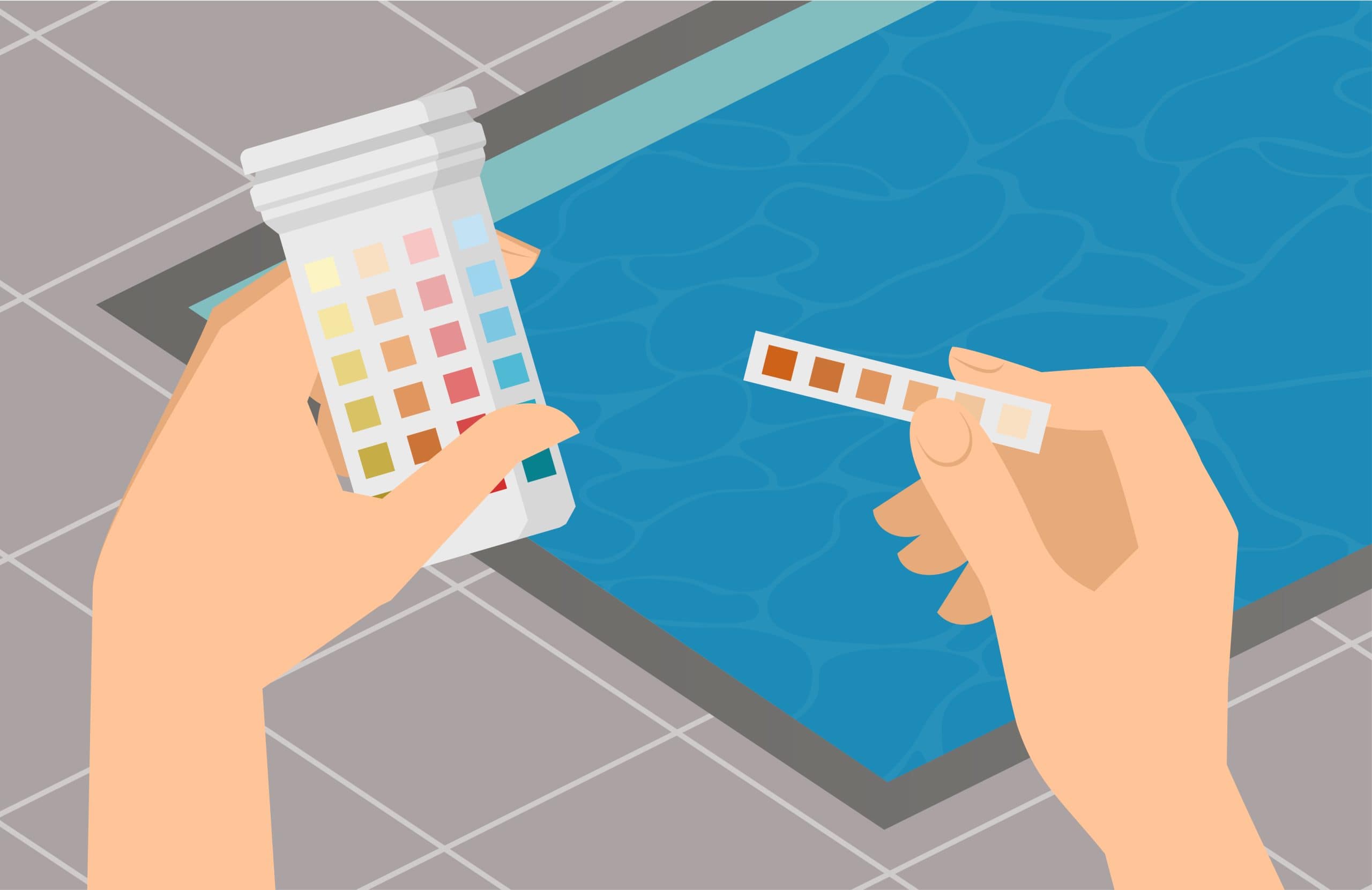
Signs Your Pool pH Is Too Low
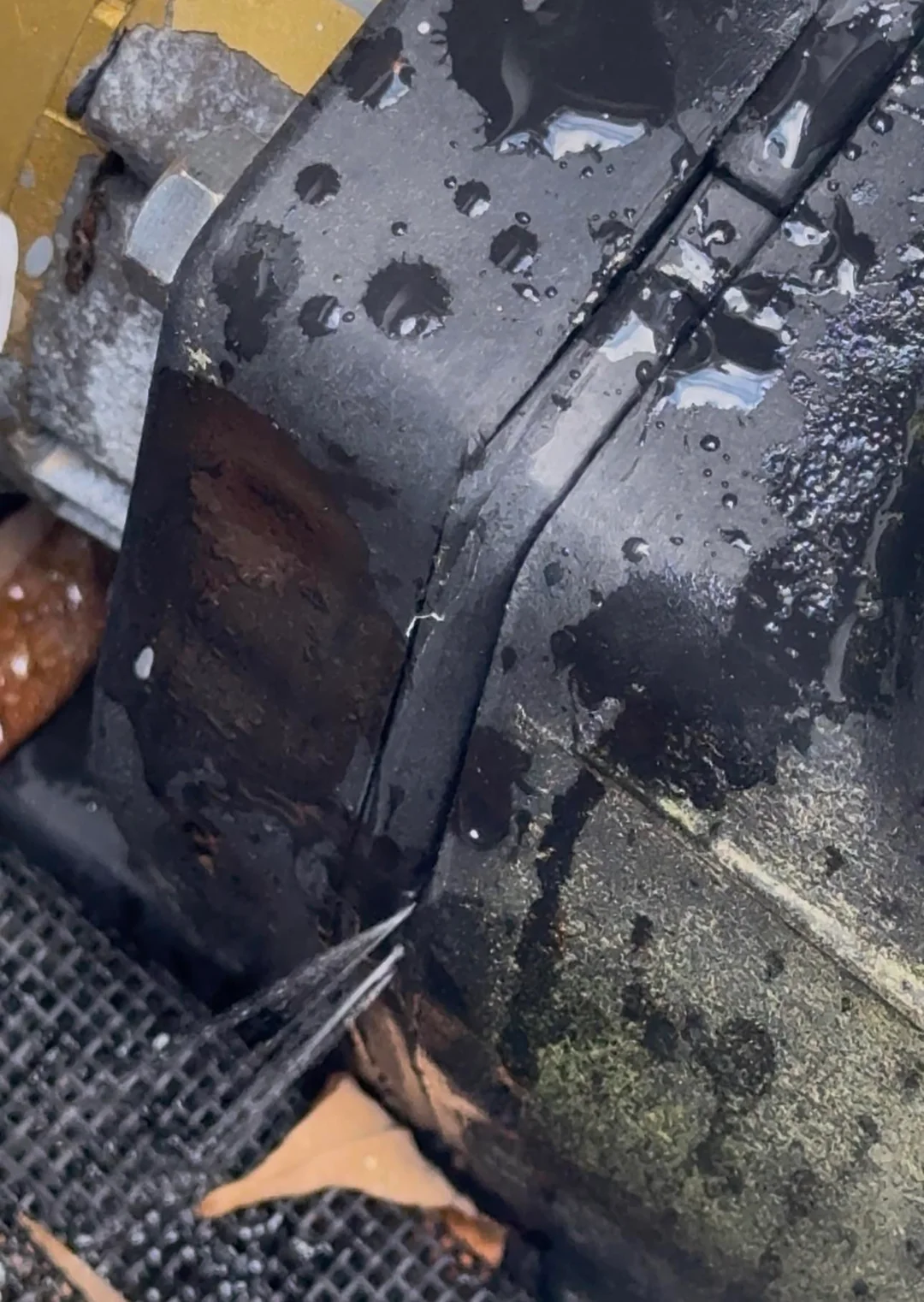
The classic signs of low pool pH are burning eyes, itchy skin, dry-feeling water, and swimmers saying the pool feels “sharp” or uncomfortable. Around the pool, you may see corrosion on metal fixtures, ladder rails, heater parts, or light rings. In plaster pools, acidic water can contribute to etching, dullness, pitting, or stains that become harder to remove later.
Another clue is that the water feels hard to control. You add one product, the number barely moves, then suddenly it jumps. That usually means the pool water balance needs to be checked as a whole, not one number at a time.
What Causes Pool pH to Drop?
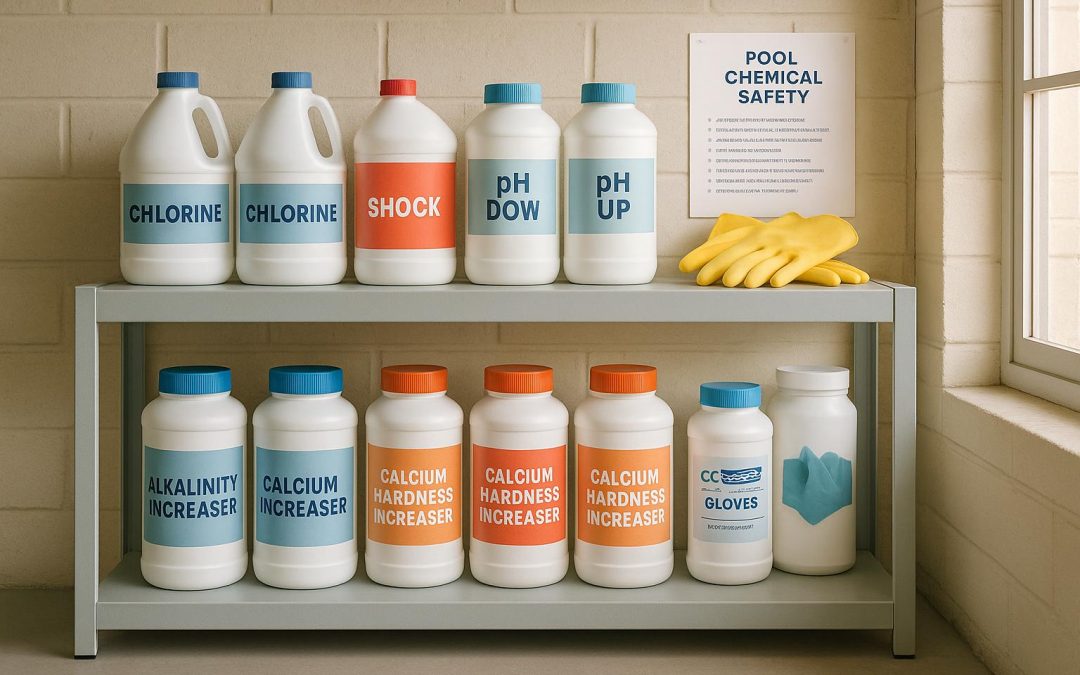
The most common causes of pool pH too low are heavy rain, too much muriatic acid, overcorrecting after high pH, low alkalinity, fresh water dilution, or chemical dosing without a reliable test. This is where many homeowners get stuck: they add alkalinity increaser and expect pH to rise quickly, but some products mainly raise alkalinity rather than pH.
That does not mean the product is useless. It means you need to know whether the real problem is pH, alkalinity, or both. PoolBurg often sees this after storms or after someone tries to fix a high reading and accidentally pushes the water too far the other way.
Why Pool pH Too Low Can Damage a Pool
Pool pH too low can make the water aggressive. Over time, that water may pull at plaster, grout, metal, and equipment surfaces. It can also shorten the life of seals and create corrosion issues around heaters, pumps, handrails, and light niches.
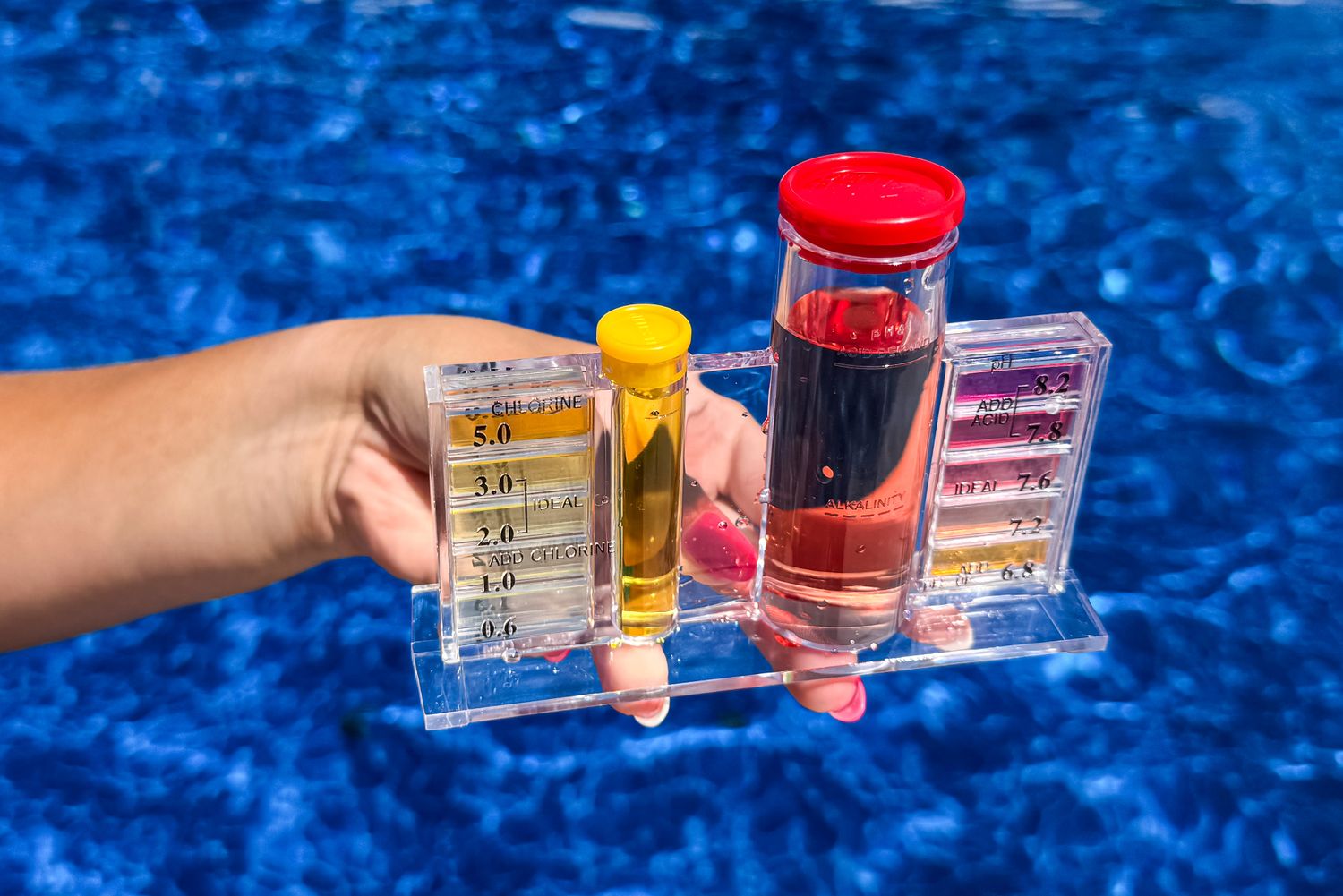
The CDC notes that pH outside the recommended range can cause skin and eye irritation and damage pool equipment. CDC pool safety guidance also recommends checking pH and disinfectant levels at least twice per day for pools in active use. For a backyard pool, the practical version is simple: test often enough that small changes do not become expensive surprises.
How to Raise Pool pH Safely
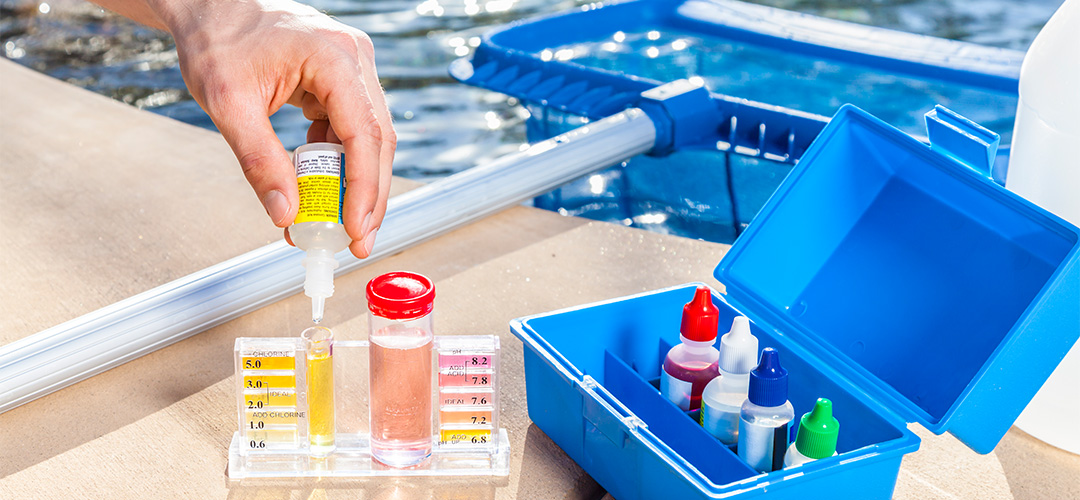
To raise pool pH, test pH and total alkalinity first. Do not keep adding chemicals based on one test strip that looks suspicious or faded. If the reading is very low, confirm it with a liquid test kit or professional test before making a big adjustment.
- Add pH increaser gradually according to the product label.
- Circulate the water so the chemical can mix fully.
- Retest before adding more.
- Check alkalinity too, because it helps pH stay stable.
- Avoid overcorrecting into high pH, which creates a different headache.
If your pool pH too low problem keeps returning, the fix may not be more chemical. It may be rain dilution, low alkalinity, bad testing, or a dosing pattern that needs to be cleaned up.
People Also Ask
What happens if pool pH is too low?
The water becomes acidic, which can irritate swimmers, corrode metal, etch plaster, and make the pool harder to balance.
How do I raise pool pH?
Test first, then add a pH increaser gradually, circulate the water, and retest before adding more.
Can low pH damage pool plaster?
Yes. Acidic water can contribute to etching, roughness, dull plaster, and staining over time.
Can you swim with low pH?
It is better to wait until the water is balanced. Low pH can irritate eyes and skin and may be harsh on pool surfaces.
Does low alkalinity cause low pH?
Low alkalinity can make pH unstable, so the pH may drop or swing more easily after rain, refill water, or chemical additions.
Should I fix pH or alkalinity first?
Test both first. If alkalinity is very low, it may need attention so the pH can hold steady after adjustment.
PoolBurg Can Balance pH Without the Guesswork
Pool pH too low is not just a “throw in more stuff” situation. PoolBurg can test pH, alkalinity, calcium hardness, chlorine, and overall water balance together so the water feels better and protects the surface instead of attacking it.
If your pool water is acidic, uncomfortable, or impossible to keep balanced, contact PoolBurg and let our team help you get the chemistry back under control.