If you have ever climbed out of your backyard oasis feeling itchy and sniffly, you might start worrying that you are allergic to pool chemicals. Look, I’ve been maintaining pools in Frisco and across North Texas for a long time, and I can tell you that “chlorine allergy” is the most common self-diagnosis I hear in the driveway. But more often than not, people who think they are allergic to pool water are actually reacting to the brutal environmental allergens that call North Texas home.
The truth is that our DFW environment adds a layer of irritants that have absolutely nothing to do with your water chemistry. If you feel like you are allergic to pool areas, you need to look at the trees, the shaded corners of your deck, and even the “hitchhiking” pests. This guide will help you determine if you are actually allergic to pool sanitizers or if your backyard environment is simply aggravating your existing seasonal issues. Once you find the real source of your misery, we can get you back to swimming comfortably in no time.

If Swimming Makes You Miserable, It Might Not Be the Chlorine
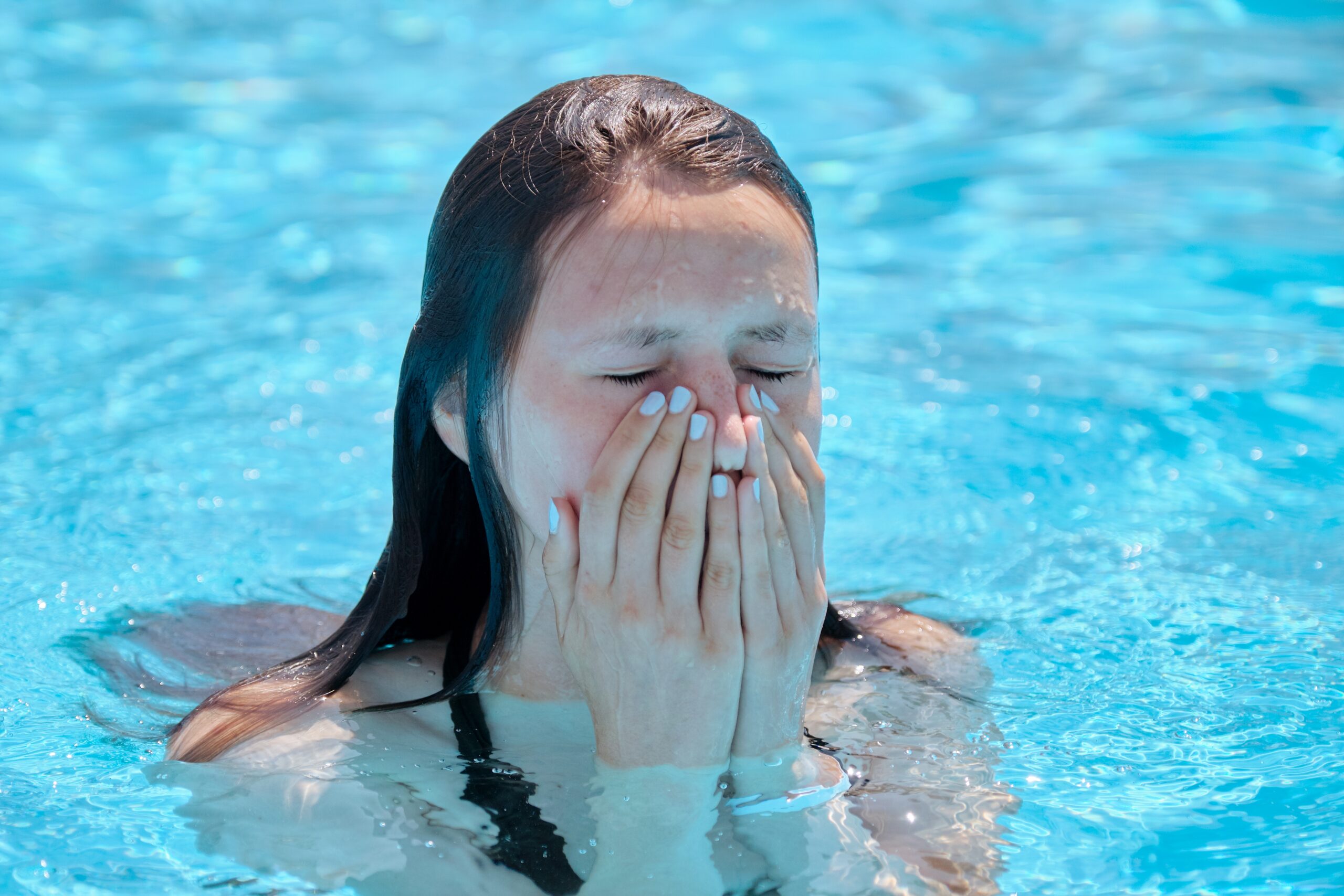
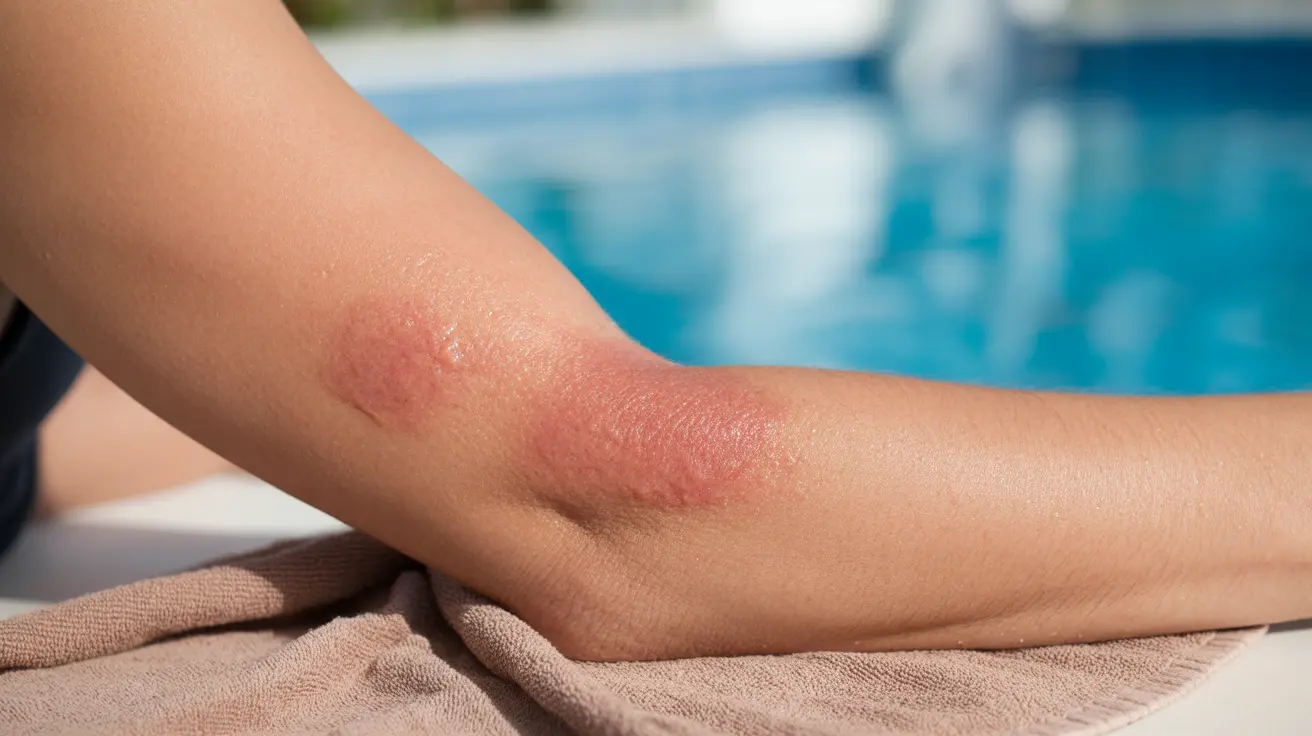
Many DFW swimmers assume they are allergic to pool water when they see red eyes or a runny nose. While chlorine sensitivity is real, it is rarely a true allergy. According to official allergy research from the ACAAI, chlorine is an irritant, not an allergen. If you think you are allergic to pool water, you are likely dealing with “irritant dermatitis” or a response to combined chlorine (chloramines). However, if your sneezing persists long after you’ve showered, the problem is usually outside the basin.
Pollen Allergies and Swimming in DFW
In North Texas, you are almost never more than a month away from a major pollen spike. If you think you are allergic to pool sessions, check the calendar.
- Cedar (Dec–Feb): The infamous “Cedar Fever” can make you feel allergic to pool environments even in the dead of winter.
- Oak (Mar–May): Oak catkins drop massive yellow clouds that land on the water. You aren’t allergic to pool water; you are swimming through a layer of raw tree pollen.
- Ragweed (Aug–Nov): This peaks right when our summer heat is at its worst.
When pollen coats the water surface, you swim right through it. If you believe you are allergic to pool water, try wearing a mask while you are skimming the surface or check weather forecasts for high pollen counts before jumping in. Using a pool cover when the wind is blowing is the best way to keep these triggers out of your hair.
Mold and Mildew Around the Pool
DFW humidity creates the perfect environment for pool mold allergies. If you have a shaded deck or natural stone features like rock waterfalls, mold can grow on the damp grout lines. You might think you are allergic to pool water, but you are actually inhaling spores every time you pull back the cover. According to the Mayo Clinic hay fever guide, mold spores are powerful triggers for respiratory distress. If you feel allergic to pool areas specifically when you are sitting on your outdoor cushions, they probably need a deep wash to remove trapped moisture and mildew.
Insect and Pest Allergies at the Pool
North Texas is famous for fire ants and mosquitoes. If you have an itchy rash and think you are allergic to pool chemicals, look for small bites around your ankles. Fire ant mounds often pop up near equipment pads, and mosquitoes love the standing water in your tanning ledge if the circulation is off. Being allergic to pool pests like these is common in Frisco. (See Blog 97 for our local mosquito prevention tips).
How to Tell if Your Symptoms Are Pool Chemistry or Environmental Allergies
If you want to know if you are truly allergic to pool water, take the “Yard Test.” Do you have the same itchy eyes and sneezing when you are playing catch in the yard but not swimming? If yes, you aren’t allergic to pool water—you are just sensitive to DFW’s airborne pollens.
Pool chemistry issues usually cause symptoms that improve immediately after a fresh-water shower. If you are allergic to pool irritants like chloramines, you’ll notice a sharp “bleach” smell and skin that feels tight. According to water safety guidelines from the CDC, maintaining a stable pH is the best way to prevent the “eye sting” that makes people think they are allergic to pool water.
Can Swimming Actually HELP Allergies?
It sounds crazy, but for many, being allergic to pool environments is avoidable because swimming actually provides relief. The warm, moist air near the water surface can soothe your airways. The key is to manage pool and allergies independently. You need to keep the deck clean of pool mold allergies and maintain the water to avoid pool pollen allergies buildup. At PoolBurg, we skim your water with disciplined frequency during pollen season so you don’t feel like you are allergic to pool water every spring.
People Also Ask
Can you be allergic to pool water?
Not to the water itself, but you can be sensitive to the chlorine or the contaminants like pollen and mold that settle in it.
Why do I get allergies when I swim?
It is usually because you are outdoors during peak pollen times or your pool has high levels of chloramines (combined chlorine).
Is swimming good or bad for allergies?
If the water is balanced, it’s great! The humidity can help clear your sinuses, provided the area is free of pool mold allergies.
PoolBurg Maintains a Clean Pool Environment — Water AND Surroundings
We don’t just test the water; we help you manage the entire environment. From aggressive pollen skimming to checking your equipment area for fire ants, we ensure you never feel allergic to pool sessions again. Struggling with pool allergies? PoolBurg addresses BOTH water chemistry and environmental factors — healthier pool experience guaranteed.