
If you are currently preparing for a selling house with pool disclosure process in Frisco or Southlake, you are likely feeling the weight of the “fine print.” Look, I’ve been in the North Texas pool industry for many years, and I’ve seen homeowners get through a sale only to get hit with a six-figure lawsuit a month later. Why? Because they didn’t take the Texas pool disclosure requirements seriously. They thought a “minor” drip in the pump room didn’t count, or they assumed the buyer’s inspector would find it for them.
The truth is that Texas pool disclosure requirements are a legal minefield designed to protect the buyer, but when handled right, they actually protect you. We live in an area with shifting clay soil and brutal freeze histories, which makes your backyard basin a point of high scrutiny. This guide gives you the unvarnished truth on how to follow Texas pool disclosure requirements so you can sign your closing papers with absolute peace of mind.

Selling a DFW Home With a Pool? You’re Required to Disclose Certain Things
Selling your home is a major life transition, but it comes with specific baggage when there is water in the yard. According to the Texas Safet, sellers of single-family homes must give purchasers a written notice containing their knowledge of the property’s condition. This is the heart of Texas pool disclosure requirements. If you ignore these mandates, you open the door to claims of fraud or misrepresentation that can haunt you long after you move.
What the Official Texas Pool Disclosure Requirements Actually Force You to Reveal
The standard Sellers used by the Texas Real Estate Commission includes a list of items you must verify. You have to mark if you are aware of any defects or malfunctions in the pool, spa, or equipment. You also must disclose previous structural repairs and known underground leaks.
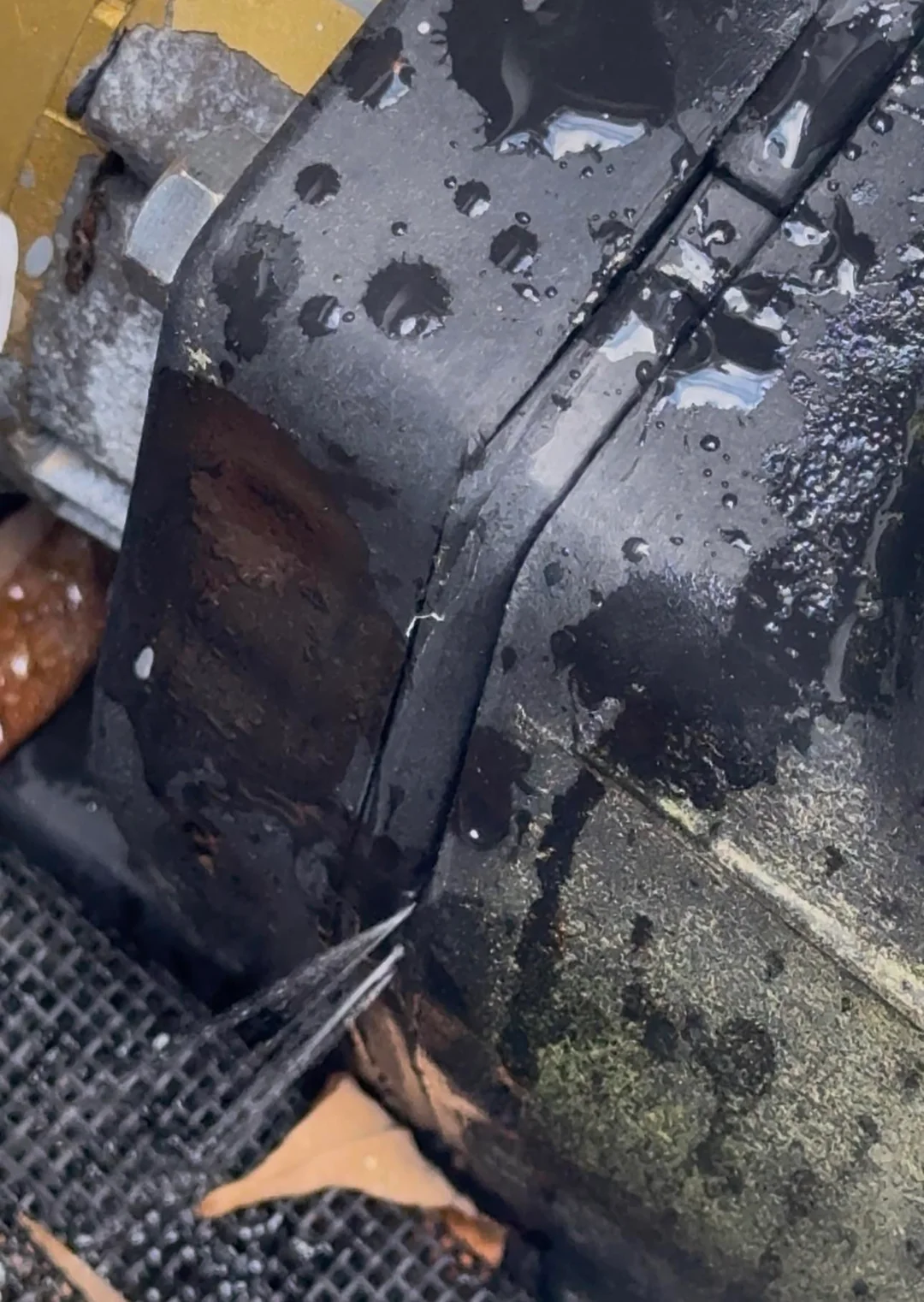
The legal standard for Texas pool disclosure requirements is “known defects.” You aren’t forced to hire a diver to check every inch of the plaster, but if a reasonable person in your shoes should have seen a crack or noticed the water level dropping inches a day, a court will hold you accountable. Even if you are selling “as-is,” you still must meet the Texas pool disclosure requirements. Honesty is your only real legal shield.
Common DFW Defects That Trip Up Homeowners Under Texas Pool Disclosure Requirements
In North Texas, our environment creates specific problems that homeowners often try to gloss over.
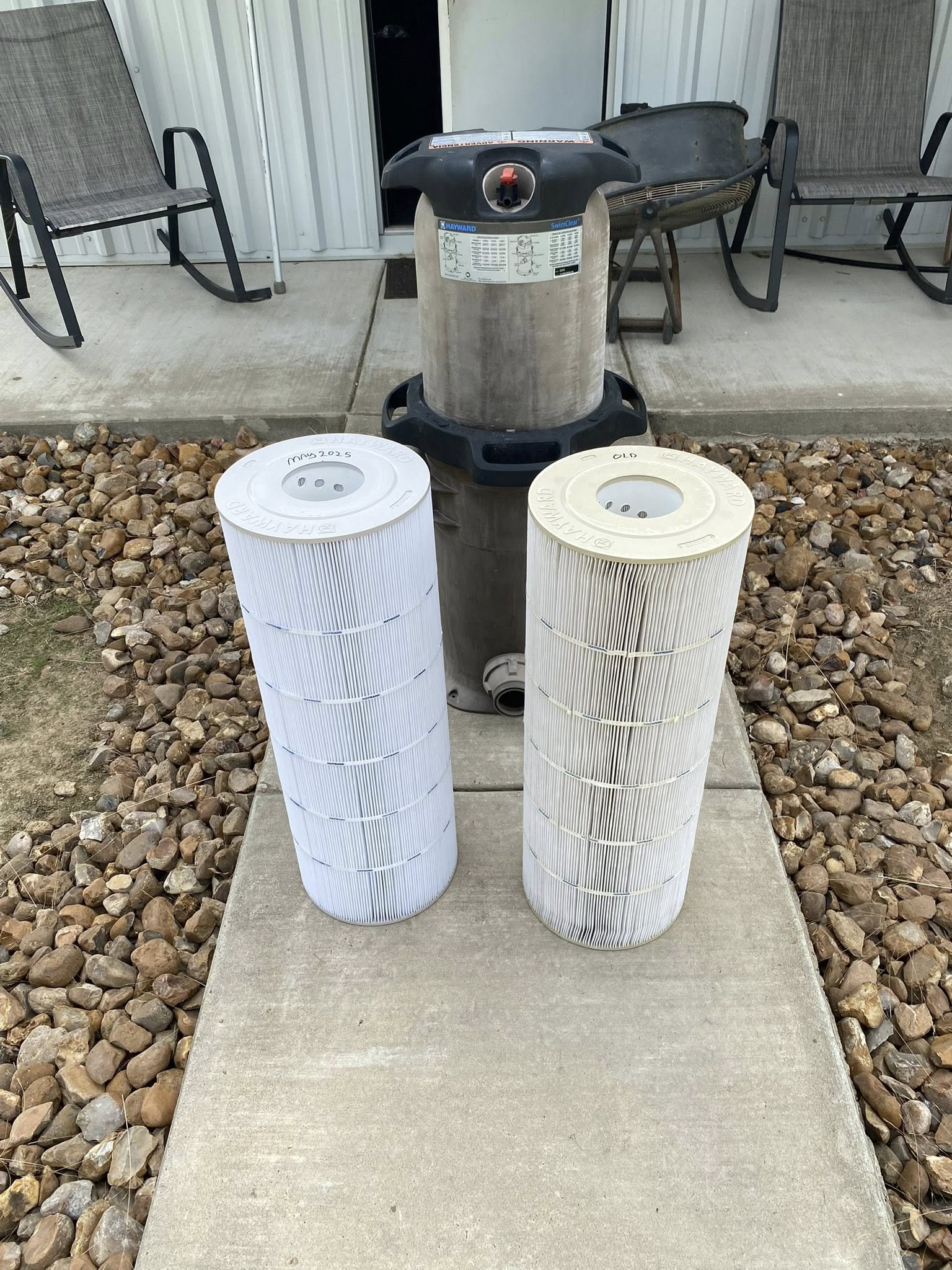
- Aging Equipment: If your pump is ten years old and whining, it belongs on the disclosure form to satisfy Texas pool disclosure requirements.
- Freeze History: If you had pipe repairs after the 2021 winter storm, that is a mandatory part of your Texas pool disclosure requirements.
- Clay Soil Shifting: Deck cracking and tile settling are almost universal in Frisco, but you still should note them to meet Texas pool disclosure requirements and avoid claims that you hid structural movement.
- Safety Barriers: You must note if your gate doesn’t latch or if your drain covers aren’t compliant with pool safety guidelines.

Using Maintenance History to Satisfy Texas Pool Disclosure Requirements Effortlessly
The easiest way to survive Texas pool disclosure requirements is to have a paper trail. When buyers see that you have had consistent, professional service from a company like PoolBurg, their anxiety levels drop. Maintenance records prove that you cared for the investment and didn’t let small issues turn into disasters.
Our digital after-visit reports act as a “health record” for your pool. If a buyer claims you hid a leak, you can pull your service history to show the water levels were stable for years. This documentation is the best way to back up your claims on the Texas Commission and prove you followed Texas pool disclosure requirements in good faith.
The High Price of Ignoring Critical Texas Pool Disclosure Requirements
If you intentionally skip your Texas pool disclosure requirements, the consequences are brutal. Under the Sellers SHield, a buyer can sue for triple the amount of actual damages if they prove you knowingly misled them. I’ve seen a $5,000 repair turn into a $250,000 legal nightmare. DFW real estate attorneys are getting more aggressive about these claims, especially for expensive items like resurfacing or structural shell cracks. The cheapest move is always an honest check-box on that form to fulfill Texas pool disclosure requirements.
Expert Seller Tips to Navigate Texas Pool Disclosure Requirements Like a Pro
Before you put that “For Sale” sign in the yard, I suggest getting a professional pool inspection. It tells you exactly what a buyer’s inspector is going to find. If you find a small equipment issue, fix it before listing. This removes it from the list of disclosure items and makes the property look better for your listing photos. Always keep copies of all repair records and hand them over at closing. This level of transparency makes you look like a responsible seller and keeps you in compliance with Texas pool disclosure requirements.

People Also Ask
Do I have to follow Texas pool disclosure requirements?
Yes, state law requires almost all residential sellers to complete a detailed condition notice.
What happens if I don’t disclose a pool leak?
You can be held liable for the full cost of the repair, plus legal fees and potentially punitive damages under the DTPA.
Do I need a pool inspection before selling my home?
It isn’t required by Texas pool disclosure requirements, but it is highly recommended so you aren’t surprised by the buyer’s findings later.
PoolBurg Provides the Records You Need for Texas Pool Disclosure Requirements
At PoolBurg, we help sellers every day. Our detailed service history and pre-listing assessments give you the data you need to satisfy Texas pool disclosure requirements accurately. We take the guesswork out of the backyard so you can focus on your next home. Planning to sell? PoolBurg’s maintenance records and pre-listing assessment protect you — honest documentation from every visit.