Being a new to Texas pool owner is a badge of honor, but it comes with a steep learning curve that most builders won’t mention. Look, I’ve been in the local pool industry for over 35 years, and I’ve seen thousands of families move into the Frisco and Southlake area from all over the country. If you are a new to Texas pool enthusiast, you likely brought some ideas about water care from your old home. Here is the unvarnished truth: what worked in California, Florida, or New York might actually wreck your equipment here.
The reality of a new to Texas pool experience is that our environment is aggressive. We deal with triple-digit August days, “Cedar Fever” pollen, and expansive clay soil that moves like a living thing. If you are a new to Texas pool resident, you need to understand exactly why pool maintenance different in Texas standards exist. This guide is the survival manual for every relocated to DFW pool owner who wants to keep their backyard resort sparkling without the typical “newbie” mistakes.
Welcome to DFW — Your New to Texas Pool Rules Just Changed
North Texas is a top relocation destination, and most families wouldn’t dream of living here without water in the backyard. But if you are new to Texas pool care, don’t assume your old routines will hold up. According to official residential sales data from the U.S. Census Bureau, the South continues to lead the nation in new home starts, many of which feature complex aquatic designs. As a new to Texas pool owner, you are entering a market where water is a way of life, but the chemistry is a unique science.
If You Are New to Texas Pool Care from the Northeast or Midwest
If you moved from up north, you are used to the “big closing.” You’d drain the lines, put on a thick cover, and forget the pool for five months. As a new to Texas pool owner, you’ll find that we don’t fully close. Our winters are a roller coaster—it might be 20°F on Monday and 75°F on Thursday.
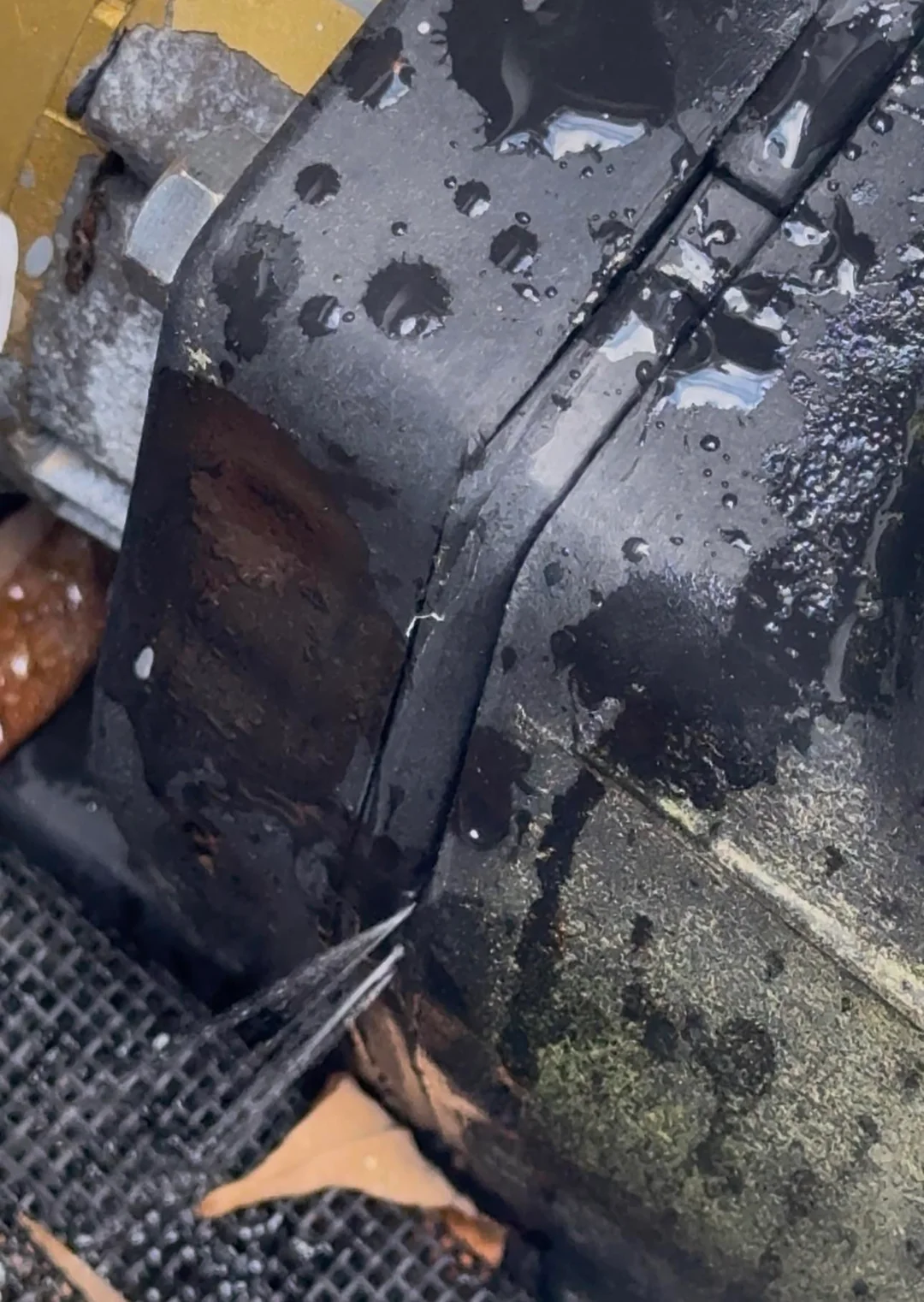
The biggest shock for a new to Texas pool transplant is that freeze damage is a massive threat. We get dozens of freeze nights, and if you aren’t prepared, you could face a $5,000 repair bill for a cracked heater manifold. According to industry maintenance standards, keeping the water moving is the only way to prevent ice expansion in our North Texas climate.
If You Are a New to Texas Pool Owner Relocating from California or Florida
Transplants from the coast often think they have a head start on a new to Texas pool journey. While you are used to year-round swimming, DFW brings two new enemies: hard water and clay soil.
- Clay Soil: Unlike Florida’s sand or California’s mild terrain, North Texas has “Blackland Prairie” clay. It swells when wet and shrinks when dry. If you are a relocated to DFW pool owner, don’t panic when you see small cracks in your deck—it’s the soil moving.
- Hard Water: Our water in Frisco and Plano is loaded with calcium from limestone-rich soil. If you are new to Texas pool ownership, you’ll notice white crusty scale on your tiles almost immediately. According to water quality research, DFW mineral levels are often 3 to 5 times higher than in coastal Florida.
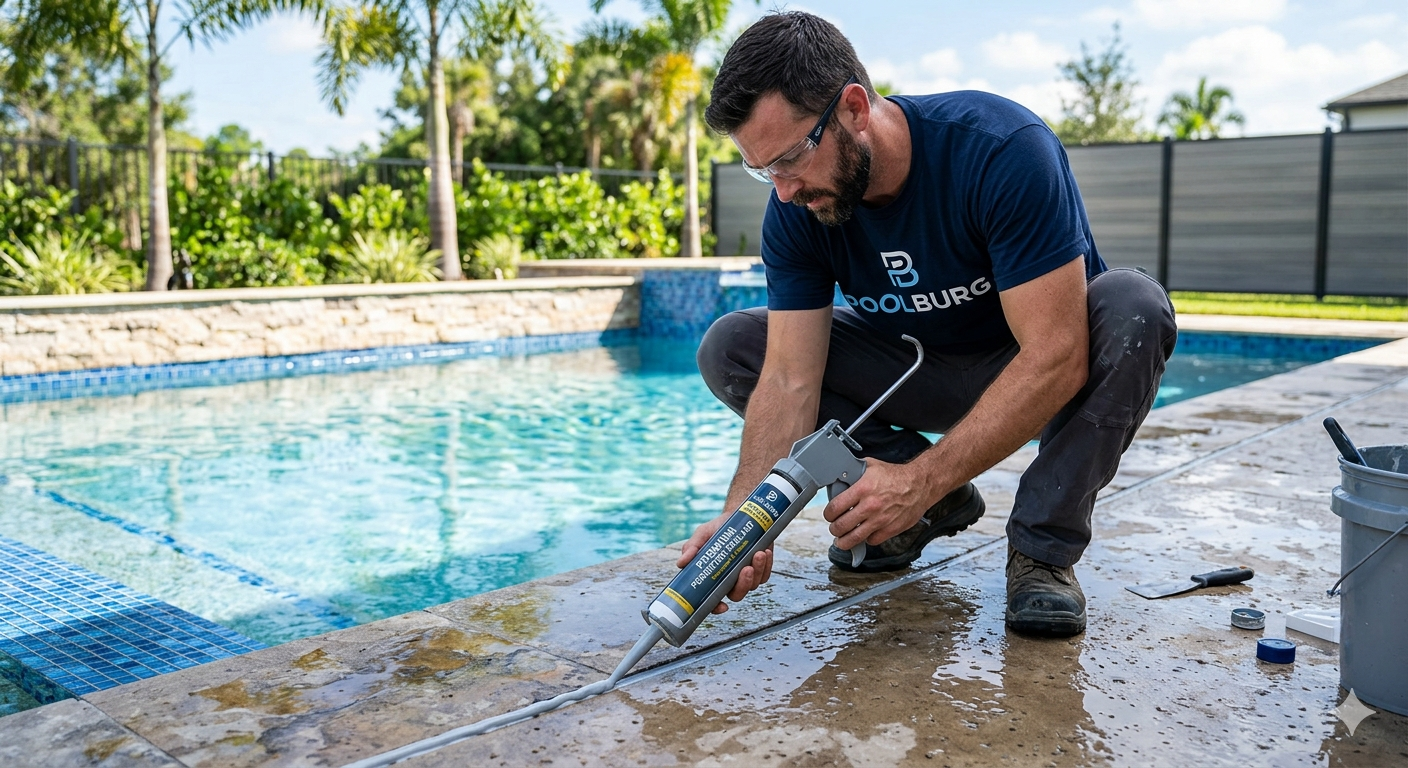
The 5 Things Every New to Texas Pool Owner Must Learn Immediately
- NEVER Add Calcium: Our tap water is already full of it. As a new to Texas pool owner, adding “hardness increaser” is the fastest way to ruin your pool resurfacing.
- Pump Run Times: In a Frisco July, you must run your pump 10–12 hours a day. The heat burns chlorine so fast that stagnant water becomes an algae forest by sunset.
- pH is the Enemy: Our fill water is naturally alkaline. If you are new to Texas pool maintenance, get used to adding muriatic acid at least once a week.
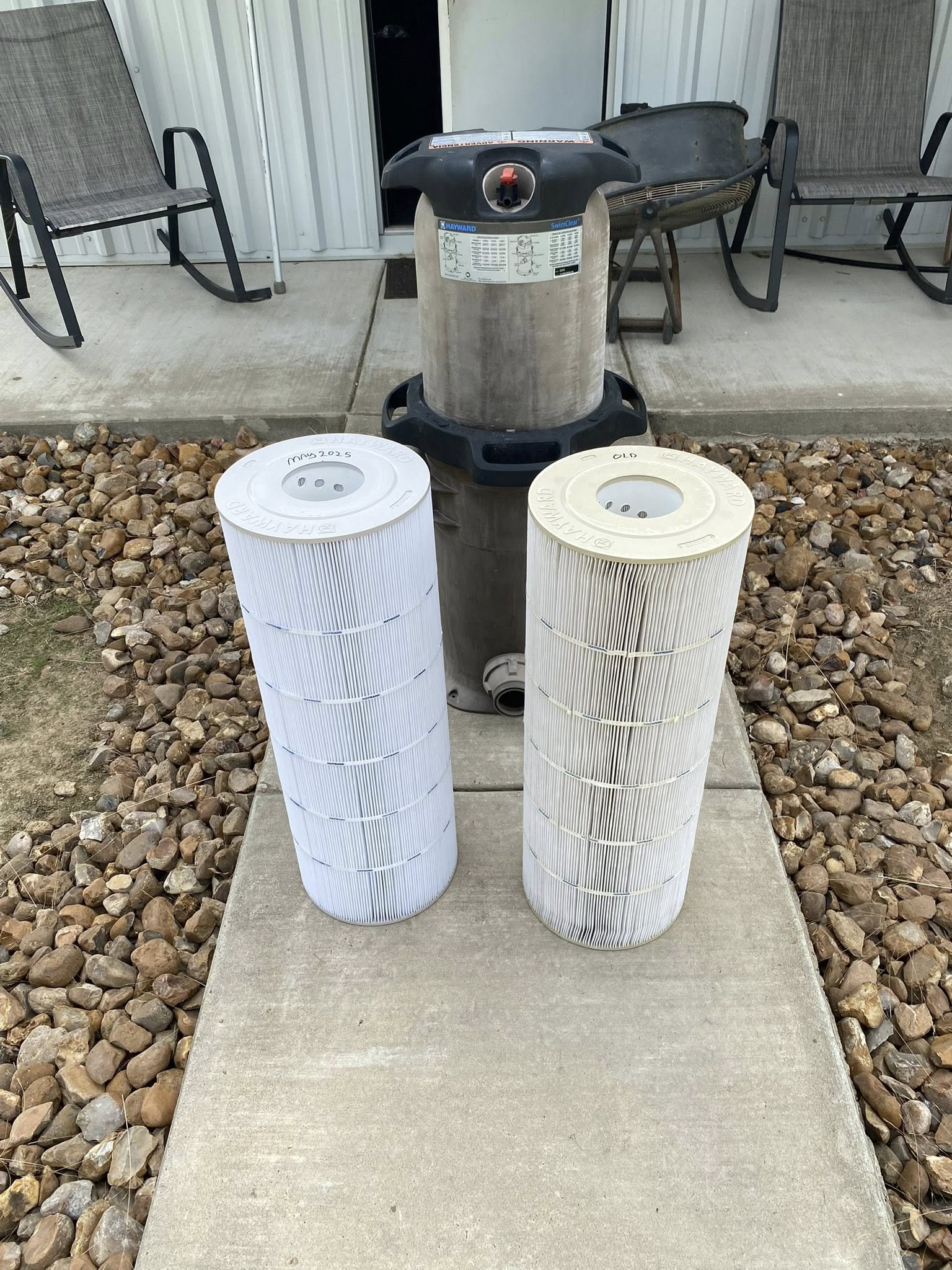
- Pollen Management: April means oak pollen. This yellow dust is algae food. You’ll need to clean your filter weekly during the spring onslaught.
- Hire Local: National franchises often use a “one-size-fits-all” chemistry plan. A new to Texas pool needs a tech who knows exactly how DFW water behaves.
Your First Month Checklist as a New to Texas Pool Owner
- Week 1: Get a professional baseline assessment. You need to know your starting CYA and calcium levels.
- Week 2: Start professional weekly maintenance. Don’t wait for the water to turn green to realize pool maintenance different in Texas rules are real.
- Week 4: Settle into the routine. According to pool ownership data from HomeAdvisor, homeowners spend an average of $3,500 to $8,000 annually on upkeep in high-heat regions like DFW.

People Also Ask About Being New to Texas Pool Ownership
Is pool maintenance different in Texas than other states?
Yes, primarily due to the combination of extreme heat, hard water, and the lack of a traditional winter shutdown.
Does DFW have hard water that affects a new to Texas pool?
Absolutely. High calcium levels lead to rapid scaling on salt cells and heaters if the pH isn’t kept low.
How is pool maintenance different in Texas than Florida?
Texas deals with harder water and more frequent equipment freeze risks, whereas Florida focuses more on tropical storm recovery.
PoolBurg — Your DFW Pool Expert From Day One
We specialize in helping every relocated to DFW pool owner navigate their new to Texas pool transition. We’ll teach you the local tricks while we keep your water resort-quality. Just moved to DFW? PoolBurg gets you up to speed on North Texas pool care — free assessment for new residents.