If you recently moved to Frisco or McKinney from a northern state like New York or Michigan, you are probably looking at your backyard right now and asking: do you close a pool in Texas? This year, we are seeing a massive influx of new residents who are used to “locking the gate” on their pools for six months. However, the “unvarnished truth” is that if you try to follow a northern closing schedule here, you are inviting a biological and financial disaster.
With Texas diesel prices hitting $5.11 due to the ongoing Iran war disruptions and regular gas prices up 36.1% over last year, the cost of a “green-to-clean” recovery is higher than ever. When comparing winterize vs close pool strategies, you have to understand that the North Texas climate demands a 12-month commitment to “hydraulic health.”

The Big Misconception — “Closing” a Pool in Texas
The single biggest mistake a new DFW homeowner makes is assuming that a pool is a seasonal appliance. In the north, “closing” means the pool is dead to the world until May. But if you ask a local professional do you close a pool in Texas, the answer is a hard “no.” In North Texas, we don’t close; we winterize. There is a critical difference in the winterize vs close pool approach, and getting it wrong can lead to a $3,000 repair bill for cracked pipes the moment our first January ice storm hits.
What “Closing” a Pool Means (and Why It Doesn’t Apply in DFW)
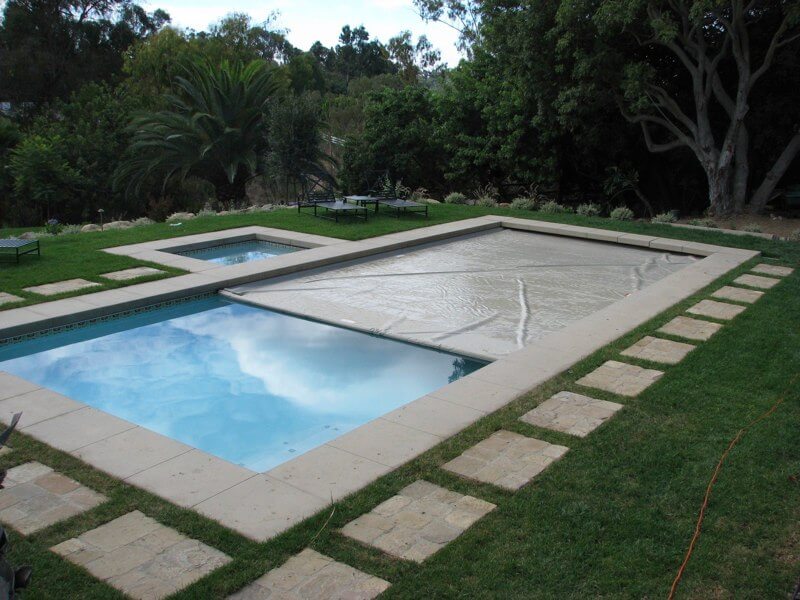
When someone asks do you close a pool in Texas, they are usually thinking of the northern protocol: draining the lines, adding antifreeze, and throwing on a heavy solid cover for five months. This works in Ohio because it stays below freezing. In DFW, we have “freeze nights” followed by 70°F sunny afternoons.
If you attempt a full northern-style closing, your stagnant, unfiltered water will become a breeding ground for algae and mosquitoes during those warm stretches. Furthermore, our expansive clay soil can cause empty plumbing lines to shift or crack. The “unvarnished truth” of the winterize vs close pool debate is that a stagnant pool in Texas is just a very expensive swamp waiting to happen.
What “Winterizing” Means in DFW (and What You SHOULD Do)
Instead of asking do you close a pool in Texas, you should be asking how to properly winterize. This means keeping the system alive but on a “low-metabolism” schedule.
- Run the Pump Year-Round: Reduce your pool pump run time to 4–6 hours during mild weeks, but increase it to continuous operation if temperatures drop below 35°F.
- Maintain Minimum Chemistry: Even in winter, you need a chlorine residual of 1–2 ppm. Algae doesn’t care if it’s January; if the sun is out, it’s looking for a home.
- Prepare a Freeze Plan: According to the Oncor 2026 energy guidelines, moving water is your best defense. Know how to manually trigger your pump if your automation’s freeze guard fails.
In the winterize vs close pool battle, “winterizing” wins because it keeps your “unpaid roommate” (the pool) healthy and ready for a seamless spring start.

The Cost of Doing It Wrong
If you still wonder do you close a pool in Texas, look at the math. A proper winterization plan with PoolBurg costs a fraction of the $500–$3,000 you’ll spend on a “green pool” recovery in March. Furthermore, stagnant water in DFW’s “liquid rock” hard water environment allows calcium to precipitate faster, leading to permanent scaling on your tile line. Choosing the right side of the winterize vs close pool debate is essentially an insurance policy for your backyard.
Month-by-Month Winter Pool Care for DFW
- November: The transition begins. Reduce pump time and check your heater operation.
- December: Cedar pollen starts. You must clean your skimmer baskets frequently to prevent pump cavitation.
- January: Stay vigilant. This is peak freeze risk. If power goes out, you must drain your equipment immediately.
- February: The “Late Winter Transition.” Test all gear before the March rush.
People Also Ask
Do you close a pool in Texas?
No. You should keep it running year-round to prevent algae growth and protect against shifting soil.
What is the difference in winterize vs close pool?
Closing involves a total shutdown and pipe drainage. Winterizing means reducing run time and maintaining chemistry while keeping the system operational.
Should I drain my pool in winter in DFW?
Never. Draining a gunite pool in our clay soil risks “hydrostatic uplift,” where the pool can actually pop out of the ground after a heavy rain.
Don’t make the northern mistake
Stop wondering do you close a pool in Texas and let the experts handle your seasonal transitions. At PoolBurg, we specialize in the DFW winterize vs close pool protocol, ensuring your water stays “safe and blue” from the first freeze to the current oak pollen onslaught. According to the Department Of Energy, professional calibration is the only way to survive the 2026 energy crisis.