If you’ve ever looked at a full backyard pool and wondered, “can I drain my pool in the street?”, you are definitely not the only one. In Dallas–Fort Worth, pool water discharge DFW questions come up all the time after storms, algae blooms, equipment repairs, chemical issues, pool inspections, and seasonal cleanups.
The short answer? Do not assume the street is okay.
Pool water discharge DFW rules can vary from city to city. Frisco, Plano, McKinney, Allen, Dallas, Fort Worth, Arlington, and nearby suburbs may all handle storm drains, sanitary sewer cleanouts, alley drainage, and yard runoff differently. That’s why the smarter question is not just “can I drain my pool in the street?” It’s also “where to drain pool water safely in my city?”
A storm drain is not a giant outdoor sink. In many neighborhoods, it can lead toward creeks, ponds, lakes, and local stormwater systems.
Texas stormwater permitting materials identify chlorinated swimming pool water as a possible contaminated discharge, and EPA stormwater guidance explains that runoff can carry pollutants into streams, lakes, rivers, and wetlands.

Why Pool Water Discharge DFW Rules Matter
Pool water may look clean, but chemistry changes everything. A pool can be safe for swimming and still be a bad candidate for careless pool water discharge DFW into a street or storm drain.
Common concerns include:
- Chlorine or bromine that has not dissipated
- Low or high pH that may damage grass, soil, or waterways
- Saltwater pool discharge that can stress landscaping
- Algaecides and clarifiers after green pool treatment
- DE powder, filter waste, and cloudy backwash water
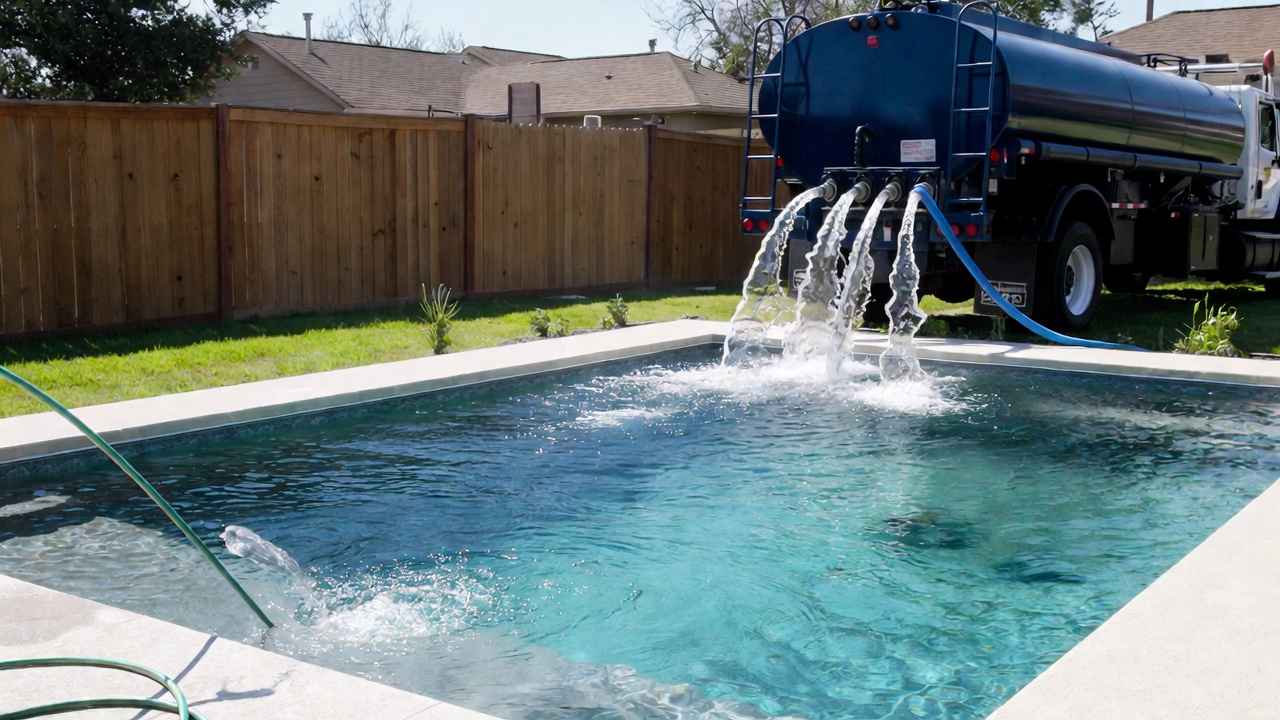
- High-volume drainage that can flood a neighbor’s yard or erode soil
Some city stormwater programs specifically call out swimming pool flushing when chlorine levels may be harmful, which is exactly why pool water discharge DFW should not be handled casually.
If your water is cloudy, green, or heavily treated, start with PoolBurg’s pool cleaning services or green pool cleanup before sending thousands of gallons somewhere it should not go.
So, Can I Drain My Pool in the Street?
Usually, the safest answer is: not until you verify your city’s rules.
When homeowners ask, “can I drain my pool in the street?”, they are often thinking about convenience. The curb is close. The driveway slopes that way. The hose reaches. Easy, right?
Not always.
Pool water discharge DFW can become a violation or a nuisance if the water enters a storm drain while still chemically active, carries debris, damages property, or flows into a public right-of-way where it creates slick pavement or erosion.
Before you drain anything, check:
- Your city’s stormwater or public works rules
- Whether your pool water is chemically neutral
- Whether your discharge point leads to a storm drain
- Whether the water could enter a neighbor’s property
- Whether you need a pool professional to control the process
For official local research, homeowners can review resources from the Texas Commission on Environmental Quality, the EPA’s stormwater information, and the North Central Texas Council of Governments stormwater resources.

Where to Drain Pool Water in DFW
So, where to drain pool water if the street is not the automatic answer?
In many cases, cities may prefer properly prepared pool water to go into a sanitary sewer cleanout, not a storm drain. Other situations may allow slow drainage across your own lawn if the water is dechlorinated, pH-balanced, and does not leave your property. But again, pool water discharge DFW rules are local, so do not treat a neighbor’s advice as law.
A practical checklist for where to drain pool water:
- Dechlorinate first. Let chlorine dissipate or use proper neutralizing methods.
- Test the pH. Water that is too acidic or too basic can cause problems.
- Avoid storm drains unless your city clearly allows it.
- Keep water on your property whenever required.
- Drain slowly. Fast discharge can cause erosion or flooding.
- Call PoolBurg if the water is green, salty, cloudy, chemically treated, or full of debris.
Need help figuring out where to drain pool water at your property? PoolBurg can inspect the setup, test the water, and recommend a safer plan through our pool maintenance services.
Pool Water Discharge DFW and Backwashing
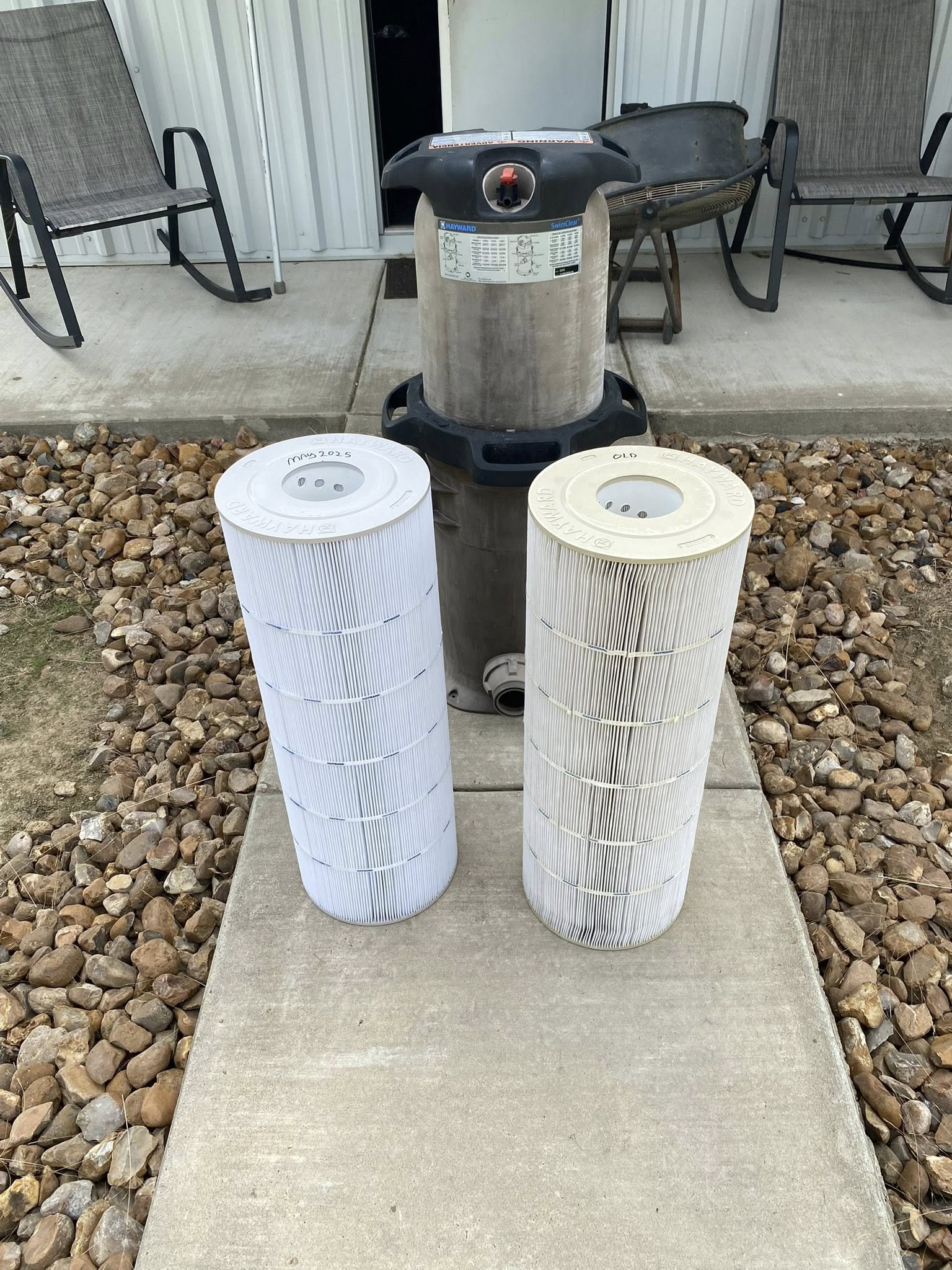
Backwashing can be sneaky. You may not be draining the whole pool, but the same pool water discharge DFW concerns still apply.
If you have a sand or DE filter, backwash water can contain dirt, oils, algae, DE media, and concentrated chemicals. That water should not be treated like plain rainwater.
If your system needs frequent backwashing, that may be a sign of:
- A dirty or aging filter
- Poor circulation
- Unbalanced pool chemistry
- Algae beginning to form
- Equipment that needs service
Instead of repeatedly asking “can I drain my pool in the street?”, it may be time for pool filter cleaning,pool equipment repair, or scheduled pool service.
When Should You Drain a Pool?
Pool draining is not something to do just because the water looks a little off. Many problems can be solved without a full drain.
You may need partial or full drainage for:
- Severe algae or swampy water
- High calcium hardness
- High total dissolved solids
- Certain surface repairs
- Pool remodeling work
- Equipment or plumbing repairs
- Real estate inspection concerns
- Storm overflow issues
Before any major pool water discharge DFW project, PoolBurg can test your water, inspect your equipment, and help decide whether draining is actually necessary.
PoolBurg Helps DFW Homeowners Drain Smarter
Pool water discharge DFW is one of those homeowner details that seems simple until it is not. One hose, one curb, one afternoon — and suddenly you may be dealing with city rules, storm drains, chemical discharge, or a frustrated neighbor.
So, can I drain my pool in the street? Maybe your city allows limited discharge under certain conditions. Maybe it does not. The right move is to check first, test the water, and avoid sending chemically treated pool water into a storm drain.
If you are still wondering where to drain pool water, PoolBurg can help. We serve Dallas–Fort Worth homeowners with pool testing, pool draining guidance, cleanups, maintenance, and equipment troubleshooting.
Ready to handle your pool the right way? Contact PoolBurg today and we’ll help you make a smart, safe plan before the hose hits the curb.
FAQ: Pool Water Discharge DFW
Can I drain my pool in the street in DFW?
You should not assume so. Pool water discharge DFW rules vary by city, and chemically treated water may be restricted from storm drains.
Where to drain pool water if I cannot use the street?
Depending on your city, where to drain pool water may include a sanitary sewer cleanout, your own lawn, or another approved discharge point.
Is saltwater pool discharge different?
Yes. Saltwater pool water discharge DFW can be tough on lawns, plants, and soil. It should be handled carefully.
Should I call a pool company before draining?
Yes, especially if the water is green, cloudy, salty, chemically treated, or you are unsure where it will flow. PoolBurg can help you drain smarter and avoid costly mistakes.