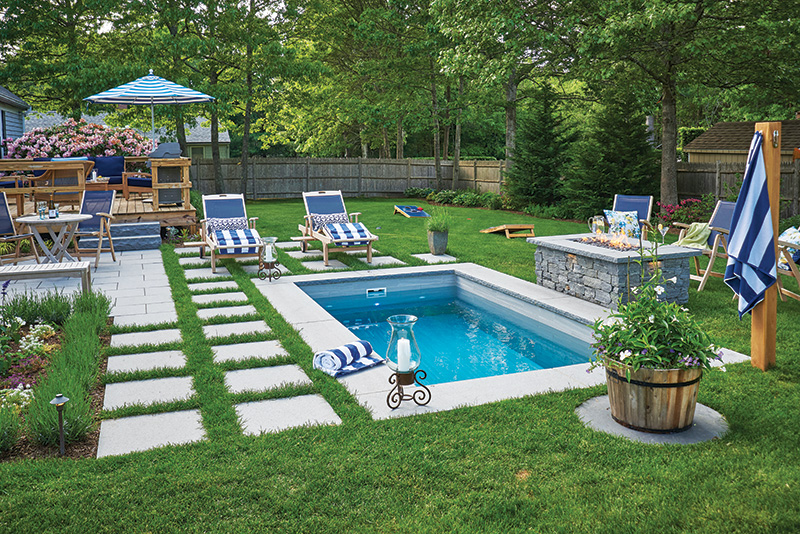
A swimming pool is supposed to feel like the escape. Sunshine, cool water, floating around like you have no emails to answer. Beautiful. But sometimes, instead of feeling refreshed, people leave the pool sneezing, coughing, itchy, congested, or wondering why their eyes and skin feel irritated.
That is where pool mold allergies can sneak into the picture.
Now, to be clear, the pool water itself is not usually “full of mold” when it is properly maintained. The bigger issue is often the pool environment around the water. Damp decks, shaded corners, old pool covers, clogged drains, wet patio furniture, mulch beds, poor circulation, pollen buildup, and neglected water chemistry can all create the kind of backyard setup that makes pool allergies feel worse.
And in North Texas, where wind, heat, dust, pollen, and sudden storms all like to team up for chaos, it does not take long for a clean backyard to start feeling like an allergy trap.
A pool should feel relaxing, not like your sinuses are filing a complaint.
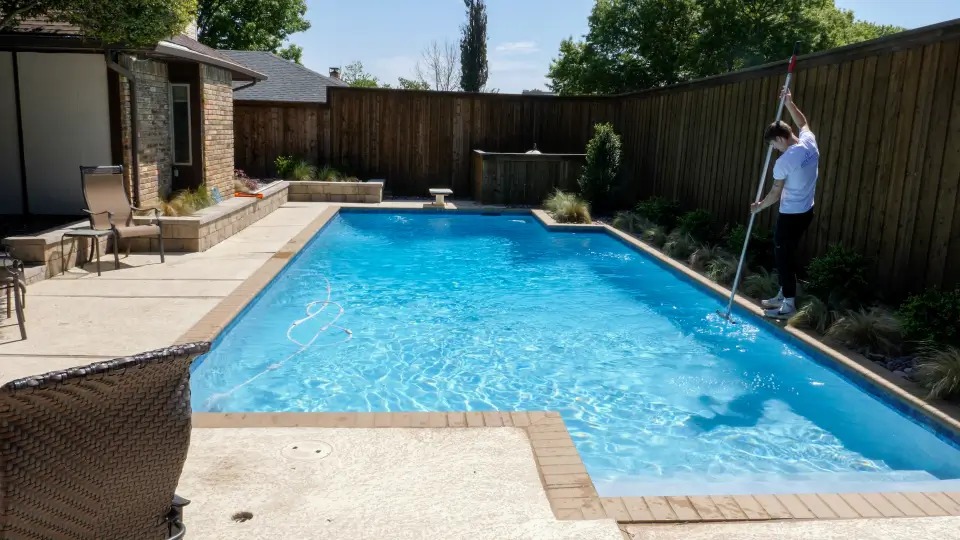
Can You Really Be Allergic To A Pool?
Many homeowners say they are allergic to pool water, but the truth is a little more layered. According to the American College of Allergy, Asthma and Immunology, chlorine sensitivity is not usually a true chlorine allergy. It is more often irritation that can affect the skin, eyes, nose, or breathing, especially in people who already have allergies or asthma.
So when someone says, “I think I’m allergic to pool water,” it could actually be one of these:
- Mold spores around damp surfaces
- Pollen floating into the pool area
- Poorly balanced chemicals
- Chloramine irritation from used up chlorine
- Algae or organic debris
- Dirty filters
- Mildew on covers, cushions, toys, or shaded decking
That is why pool and allergies can be tricky. The symptoms may show up after swimming, but the trigger might be sitting on the patio, hiding under the cover, or blowing in from nearby trees.
Why Pool Mold Allergies Happen Around Backyard Pools
Mold likes moisture. Pools create moisture. Pretty straightforward villain behavior.
The CDC notes that mold can grow in damp places and may affect people with mold sensitivity, asthma, or weakened immune systems. Around a pool, mold and mildew are more likely to show up where water sits too long or airflow is poor.
Common backyard mold zones include:
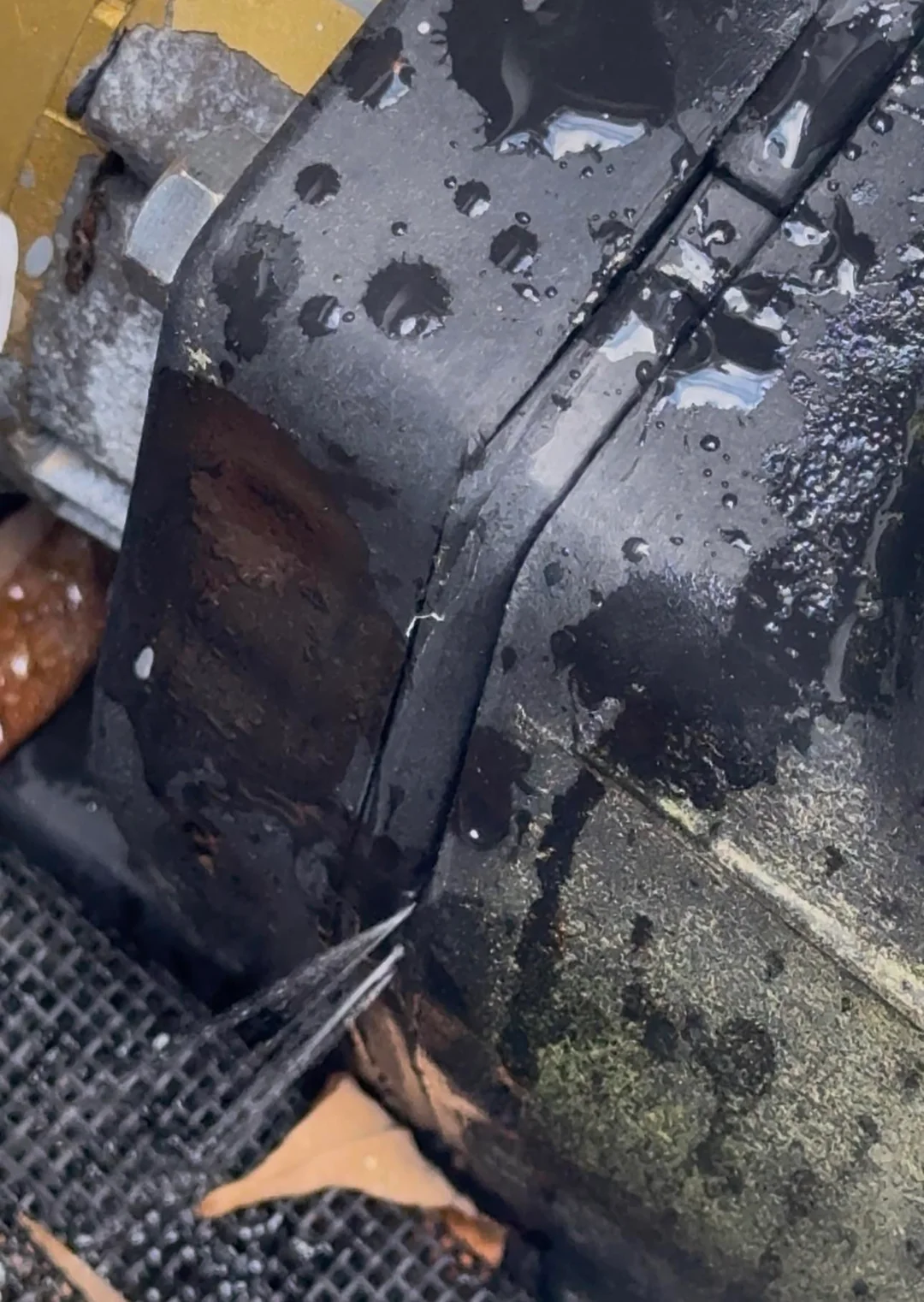
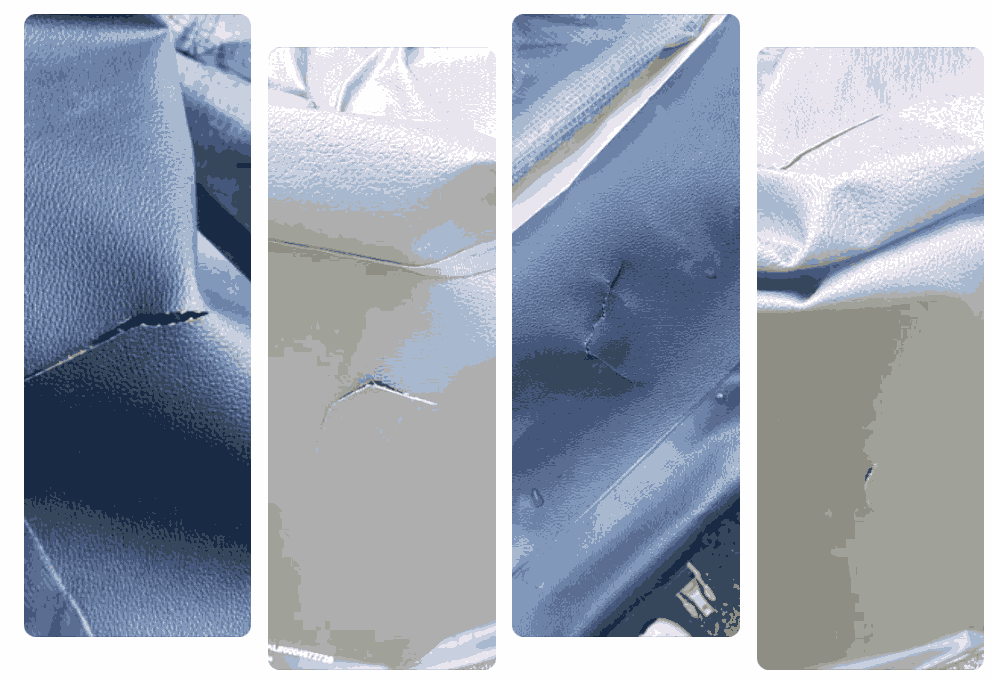
- Old pool covers that were stored wet
- Shaded deck corners that never fully dry
- Outdoor cushions and umbrellas left damp
- Drainage areas where rainwater collects
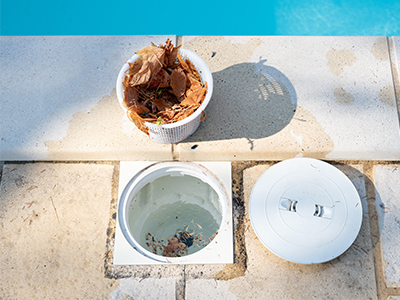
- Skimmer lids and equipment pads with leaf debris
- Pool toys and floats stored without drying
- Fences, stone, and retaining walls near sprinkler overspray
This is why pool mold allergies are not just a water problem. They are a whole backyard maintenance problem.
Pool Pollen Allergies Can Make Things Even Worse
In DFW, pollen does not politely stay in the trees. It lands on cars, patios, waterlines, furniture, and yes, pool surfaces.
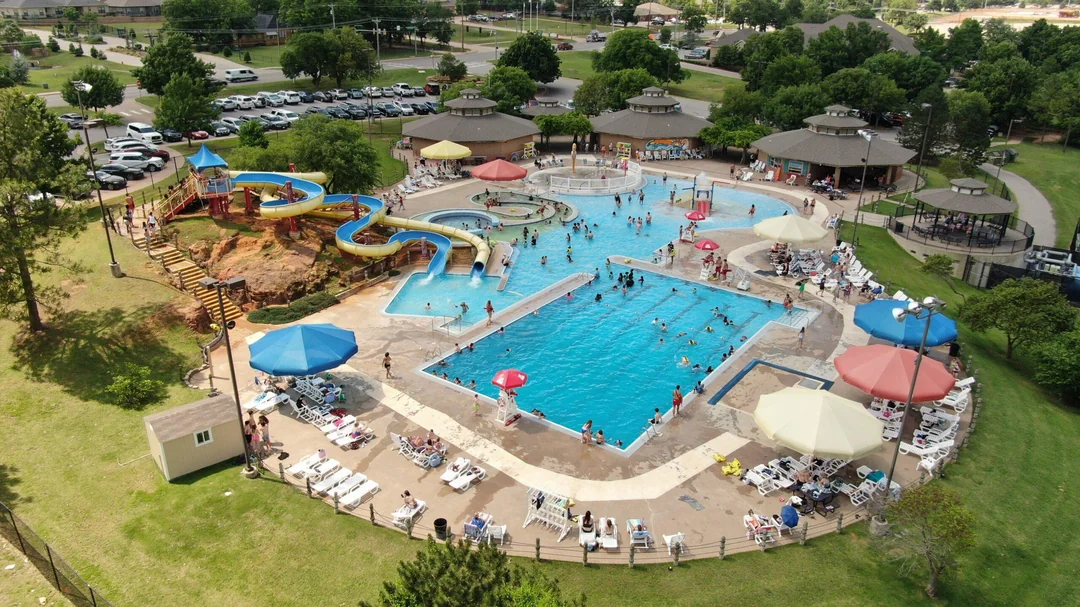
Pool pollen allergies often flare up when pollen collects on the water, gets trapped in the skimmer, sticks to the tile line, or mixes with dust and organic debris. Even if your water looks decent from far away, pollen can still leave a yellow film, clog filters, and make the pool feel less comfortable.
A good pool care routine should include:
- Skimming the surface often during high pollen periods
- Brushing steps, benches, and corners
- Cleaning skimmer baskets
- Watching filter pressure
- Keeping water properly balanced
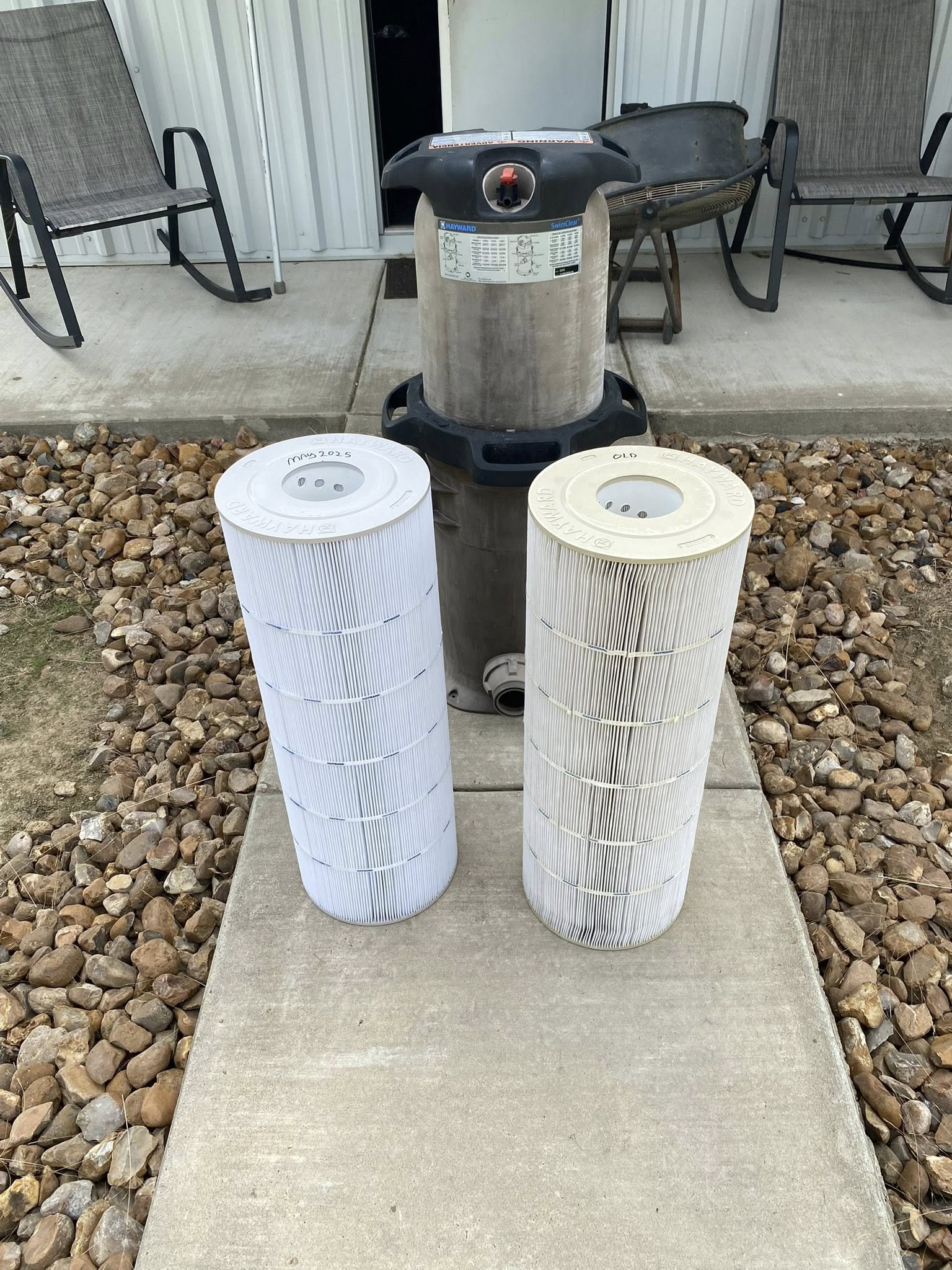
- Rinsing or cleaning cartridge filters when needed
- Removing debris before it breaks down in the water
When pollen and mold team up, pool allergies can feel much stronger than expected.
The Pool Chemistry Connection
Balanced pool water matters for comfort and safety. The CDC says pools with proper chlorine or bromine levels and proper pH are less likely to spread germs. Poor chemistry can also make irritation worse because the water may not sanitize efficiently.
Here is a simple way to think about it:
| Pool Issue | What It Can Cause | Why It Matters |
| Low sanitizer | Organic buildup | More debris for algae and microbes |
| High pH | Weaker chlorine performance | Cloudy water and irritation risk |
| Dirty filter | Poor circulation | Pollen and debris stay in the system |
| Wet shaded areas | Mold and mildew growth | Allergy triggers around the pool |
| Old damp cover | Musty odor and spores | Stronger pool mold allergies risk |
How To Reduce Pool Mold Allergies At Home
You do not need to panic, drain the pool, and declare war on the backyard. Start with the simple things first.
A practical allergy-friendly pool checklist
- Wash and dry pool covers before storage
- Keep patio furniture cushions dry
- Trim landscaping that blocks airflow
- Remove leaves from corners and drains
- Brush the pool weekly
- Clean the waterline regularly
- Test water chemistry consistently
- Run the pump long enough for proper circulation
- Clean filters after heavy pollen, storms, or algae cleanup
- Check shaded areas for mildew smell or visible growth
If someone in your home is dealing with pool and allergies, it may also help to shower after swimming, rinse swimsuits, and avoid swimming right after heavy pollen or storm debris hits the pool.
When It Is More Than Basic Pool Allergies
If symptoms include wheezing, chest tightness, severe rash, breathing trouble, or reactions that keep coming back, that is not something to guess on. Talk with a medical professional or allergist. Pool care can reduce environmental triggers, but medical symptoms need medical guidance.
For the pool side of the problem, though, a consistent maintenance plan can make a big difference. If the water keeps turning cloudy, the filter pressure keeps rising, the pool smells musty, or the same allergy complaints keep happening after swimming, it may be time for a deeper inspection.
Final Thoughts On Pool Mold Allergies
Pool mold allergies are frustrating because the pool may look fine at first glance. But the real triggers can be hiding around the pool area, inside the filtration routine, or in damp spots that never fully dry.
A cleaner pool is not just prettier. It is more comfortable, easier to enjoy, and less likely to leave your family asking, “Why do I feel weird every time I swim?”
For DFW homeowners, the best approach is simple: control moisture, remove debris quickly, manage pollen, keep chemistry balanced, and do not let the backyard become a mold and mildew clubhouse. PoolBurg can help homeowners keep the pool clear, comfortable, and ready for actual relaxation instead of allergy drama.