There is a very specific kind of panic that hits when the first warm weekend shows up in North Texas and your pool still looks like it is half asleep. The water is dusty, the baskets are full, the pump sounds a little offended, and suddenly everyone remembers they wanted the backyard ready “by Saturday.” That is exactly why having a simple pool startup checklist matters. A good spring opening is not just about making the water blue. It is about waking the whole system back up slowly, safely, and in the right order.
For homeowners planning a spring pool opening DFW weather can make things interesting. One week feels like winter, the next week brings pollen, wind, thunderstorms, and 82 degrees before lunch. If the pool has been sitting through that mess, rushing straight into shock and swimming can cause more confusion than progress. The smarter move is to inspect first, clean second, balance third, and only then enjoy the pool.
Start with the pool area before touching the water
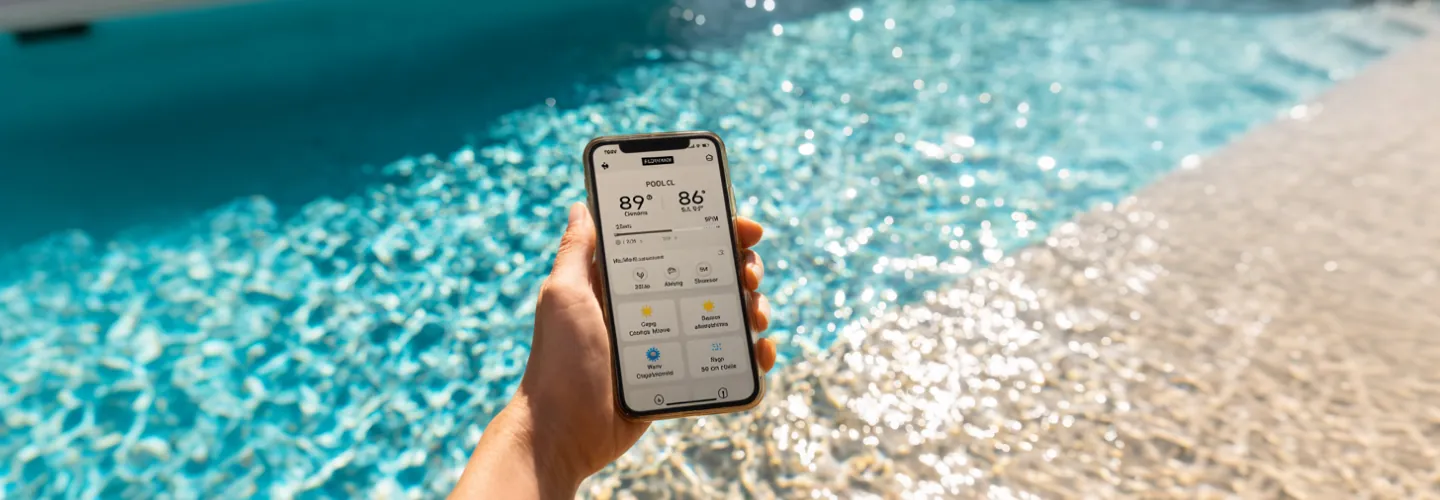
Before opening pool for spring, walk the backyard like you are looking for little problems before they become expensive ones. Remove leaves, branches, toys, and anything sitting around the deck. If you used a cover, pump off standing water before removing it, then clean and dry the cover before storage. This helps keep dirty cover water from spilling straight into the pool.
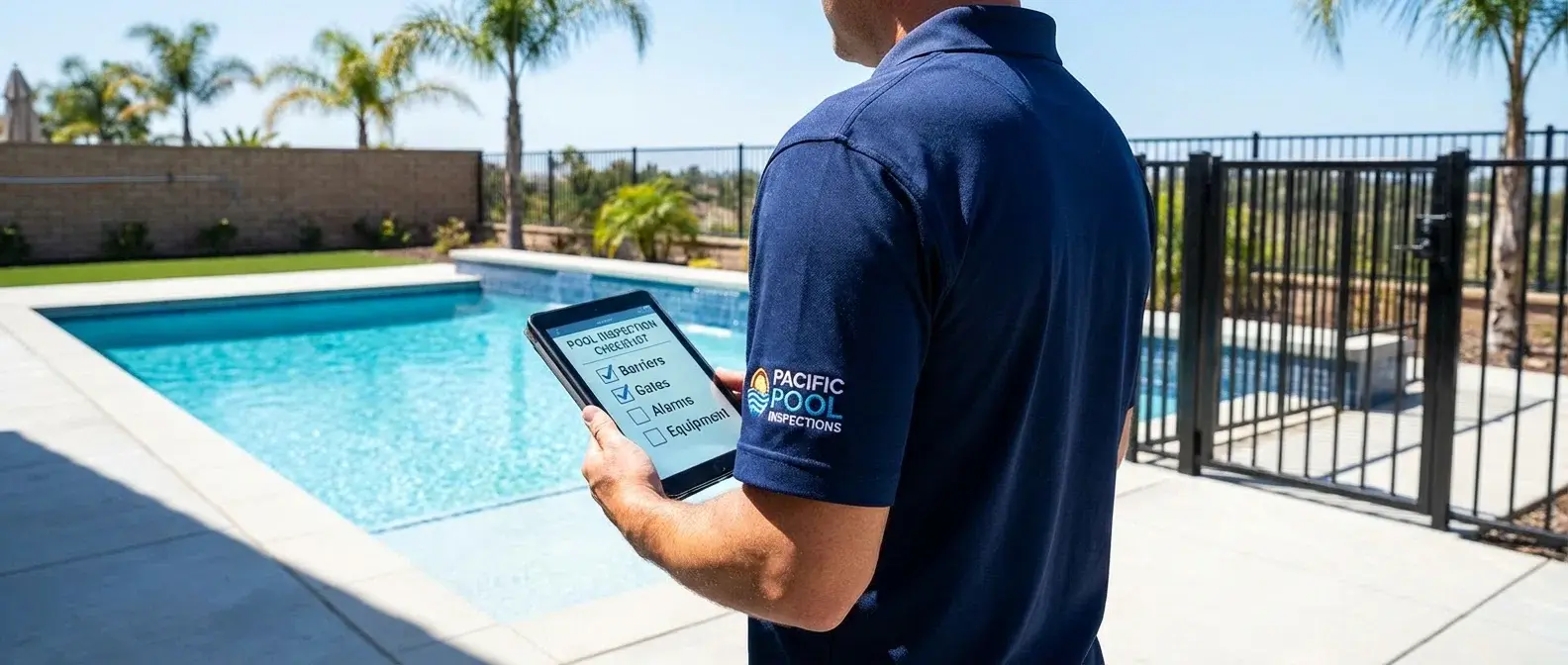
This is also a good time to check the fence, gate latch, drain covers, ladders, handrails, lights, and visible cracks around the pool. A pretty pool still needs to be a safe pool. If something looks loose, sharp, broken, or weirdly shifted, do not ignore it just because the water looks fine.
Clean out the obvious junk first
Your pool startup checklist should always include the boring stuff because the boring stuff saves headaches. Skim the surface, brush the walls, vacuum debris, empty skimmer baskets, and clear the pump basket. If the pool has a lot of organic debris, do not expect chemicals to magically fix it. Leaves, dirt, pollen, and algae all steal sanitizer and make balancing harder.
For a spring pool startup Texas homeowners should be extra patient with pollen. That yellow film can make the water look dull even when the pool is technically not “green.” Brushing, filtration, and proper circulation are your friends here.
Wake up the equipment slowly
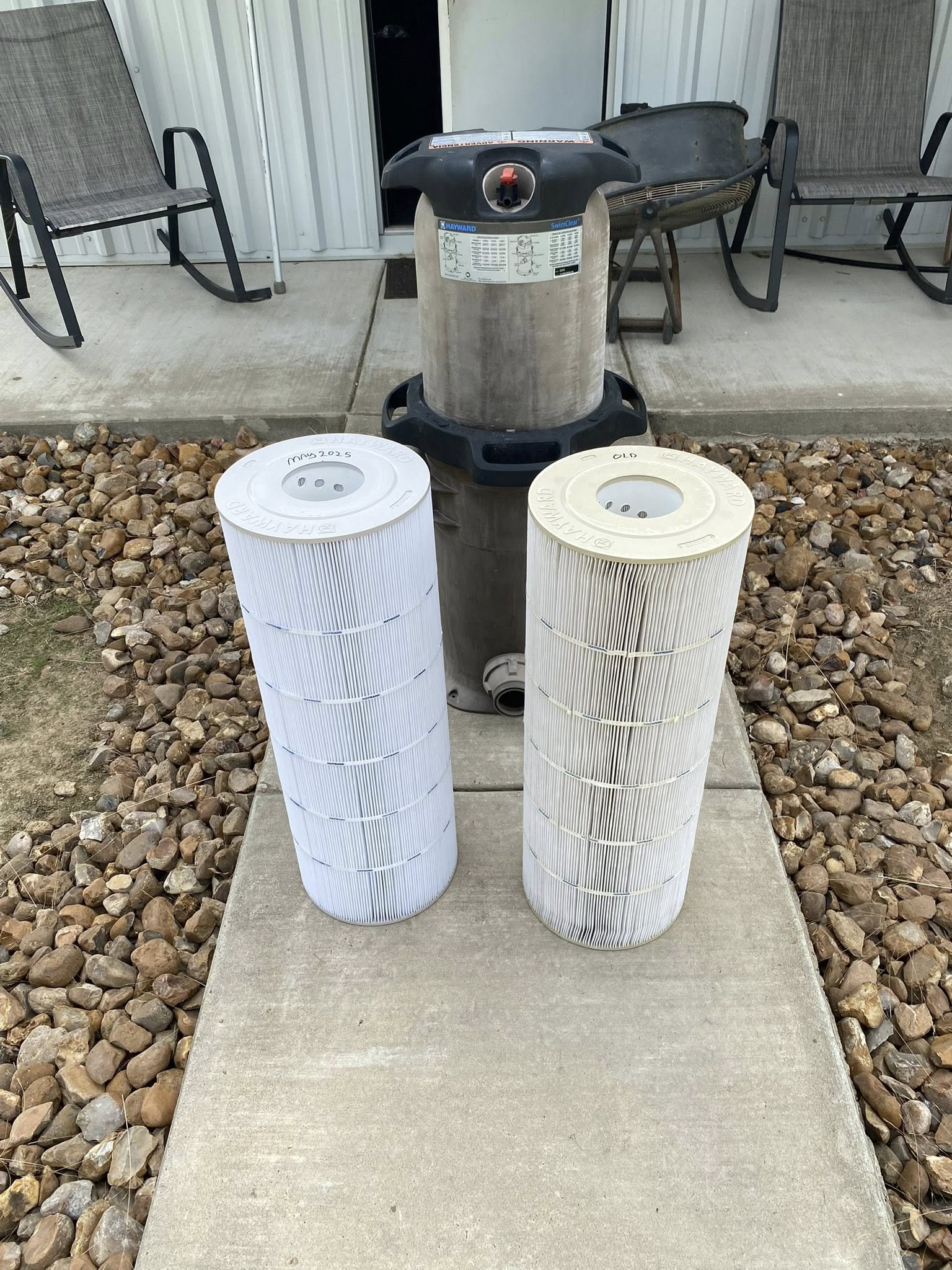
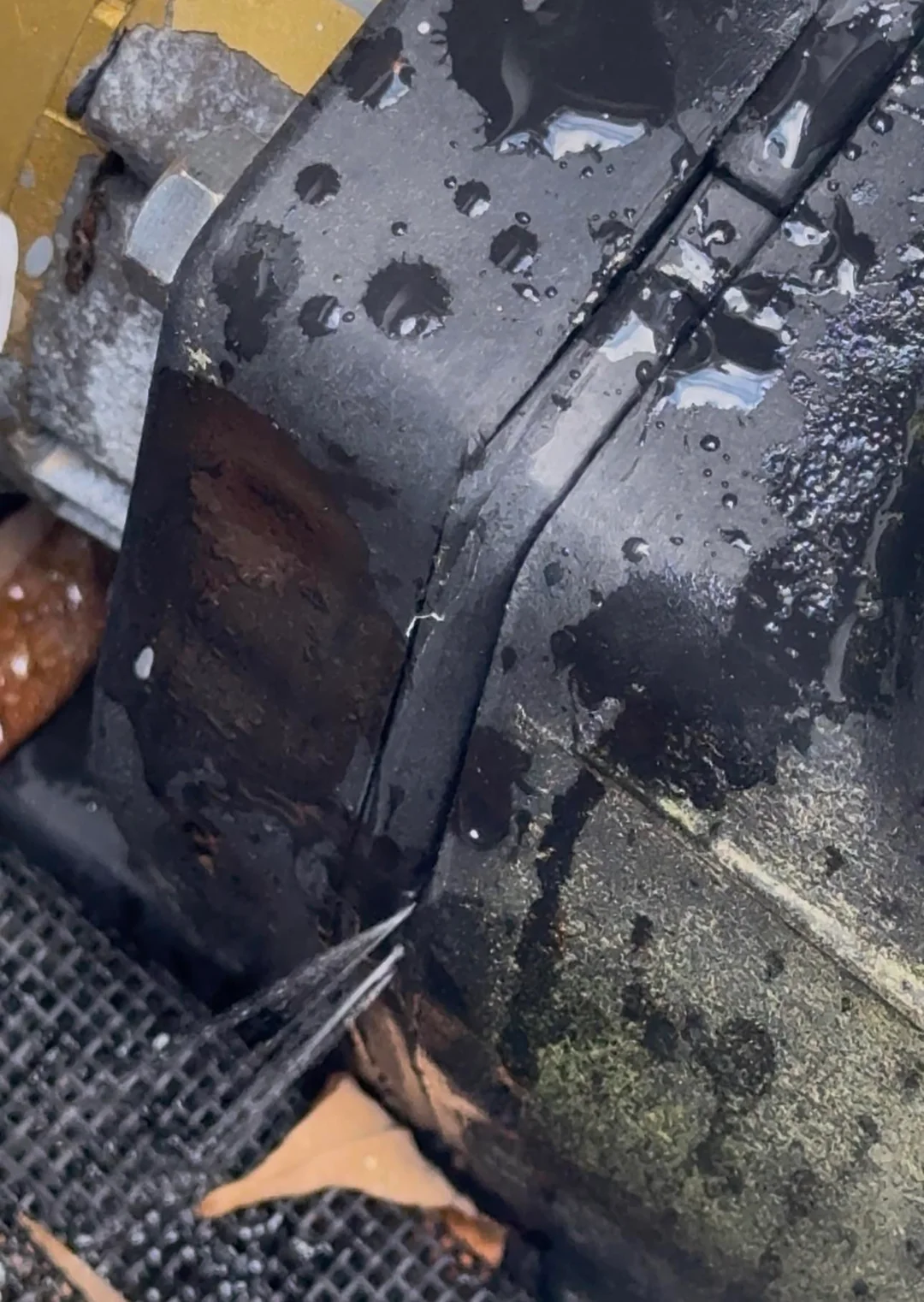
Once the pool is physically cleaner, inspect the equipment pad. Look for cracked lids, leaking fittings, loose unions, noisy motors, damaged wiring, pressure issues, and anything that smells hot or electrical. Prime the pump properly, open valves carefully, and watch the system run for a few minutes instead of walking away immediately.
If the filter pressure shoots up fast, the return flow is weak, or the pump will not hold prime, that is your pool asking for help. PoolBurg handles pool equipment repair and troubleshooting for homeowners who would rather not gamble with expensive equipment during opening week.
Test the water before adding everything at once
Here is where many spring openings go sideways. Someone sees cloudy water, adds shock, adds algaecide, adds clarifier, adds more shock, and then wonders why the water looks worse. Start with a full water test first. At minimum, check pH, free chlorine, total alkalinity, calcium hardness, cyanuric acid, and phosphates if algae has been a recurring issue.
The CDC notes that pool water should generally stay in the proper pH range and maintain sanitizer levels that help protect swimmers. CDC healthy swimming guidance is a helpful public safety reference, but your exact treatment plan should match your pool surface, equipment, and current water test. Also, never mix pool chemicals together. The EPA gives clear warnings about safe handling and storage of pool products, especially chlorine-based chemicals. EPA pool chemical safety.
Use this quick pool startup checklist
- Remove debris from the deck, cover, and pool surface.
- Brush walls, steps, benches, tile line, and corners.
- Empty skimmer baskets and the pump basket.
- Inspect pump, filter, heater, valves, wiring, and visible plumbing.
- Start circulation and confirm strong return flow.
- Test the full water chemistry before adding chemicals.
- Balance alkalinity and pH before chasing chlorine problems.
- Clean or backwash the filter when pressure calls for it.
- Run the pump long enough to circulate and clear the water.
- Schedule service if leaks, noise, cloudy water, or equipment faults show up.
When a DIY opening is not worth the stress
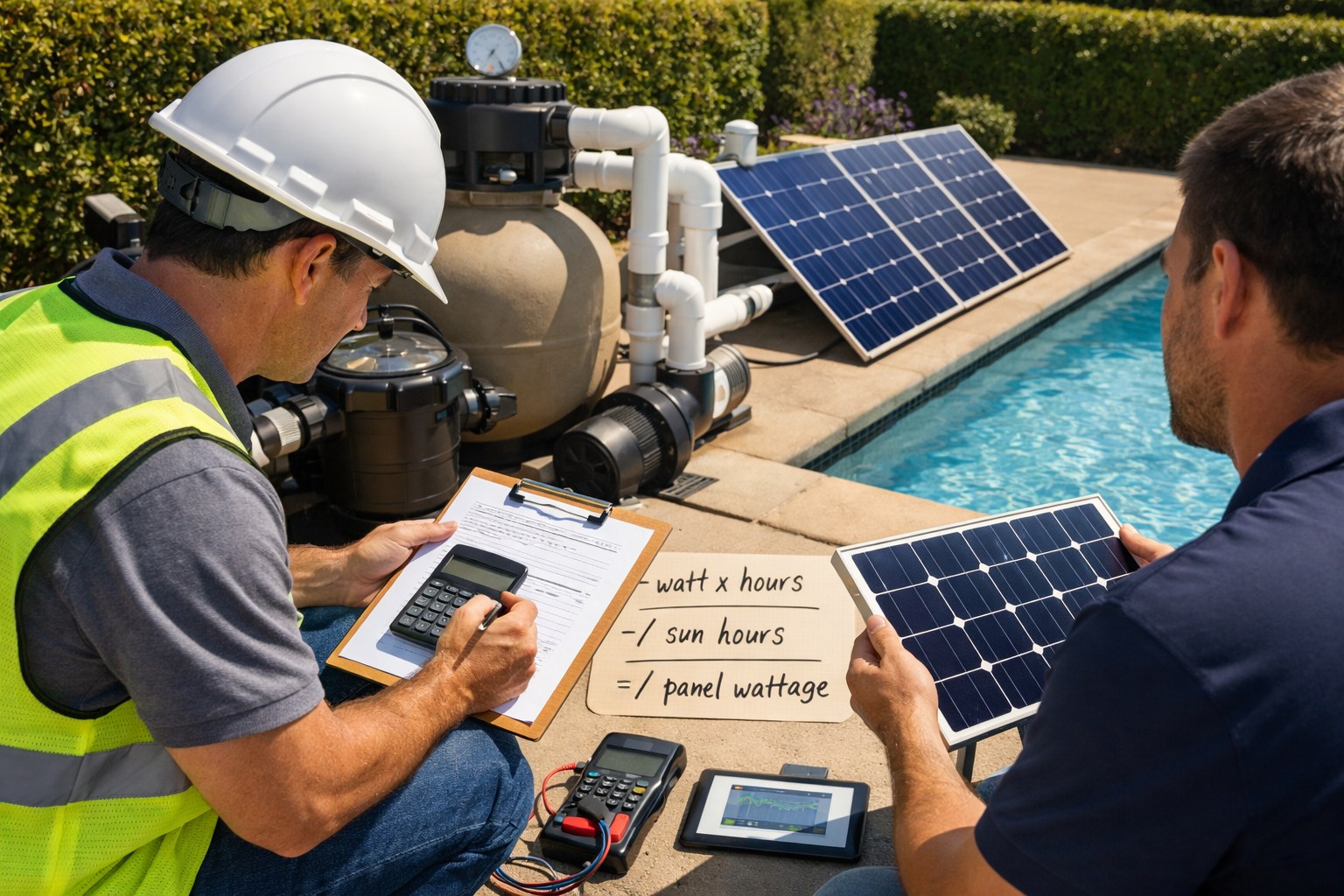
A spring pool opening DFW homeowners can trust is not about dumping products into the water and hoping. It is about knowing what the pool needs and what it does not need. If you are opening pool for spring and the water is cloudy, the pump is struggling, the filter pressure is strange, or the chemistry feels like a math exam with consequences, bring in help early.
PoolBurg can help with weekly pool service, green-to-clean recovery, equipment checks, and honest advice before small spring issues turn into big summer repairs. You can also use a professional pool inspection if you want a deeper look at equipment, safety items, and condition before peak swim season.
Final thoughts on spring pool startup
The best pool startup checklist is not complicated. Clean the pool, inspect the system, test the water, balance carefully, and do not rush the chemistry. For a spring pool startup Texas homeowners can feel good about, the goal is steady progress, not chemical chaos. Your pool has been sitting through wind, rain, pollen, cold snaps, and warm afternoons. Give it a proper opening, and it will repay you with a much smoother swim season.
Need help getting your pool ready? Contact PoolBurg and let the spring opening start with a clean plan instead of a guessing game.