A pool can look perfectly fine from the patio door and still be hiding trouble under the surface. The pump may be louder than last season. The filter pressure may be creeping up. The plaster may have tiny stains that do not seem urgent yet. That is exactly why a pool annual inspection is such a smart habit for DFW pool owners. It turns “I hope everything is okay” into a clear, practical plan.
Think of an annual pool assessment like a yearly physical for your backyard. You are not waiting for a full breakdown, a green pool, or a Saturday morning panic before guests arrive. You are checking the pool system while there is still time to fix small things calmly. In Texas, where heat, storms, evaporation, heavy use, and long swim seasons can all beat up a pool, that kind of planning matters.
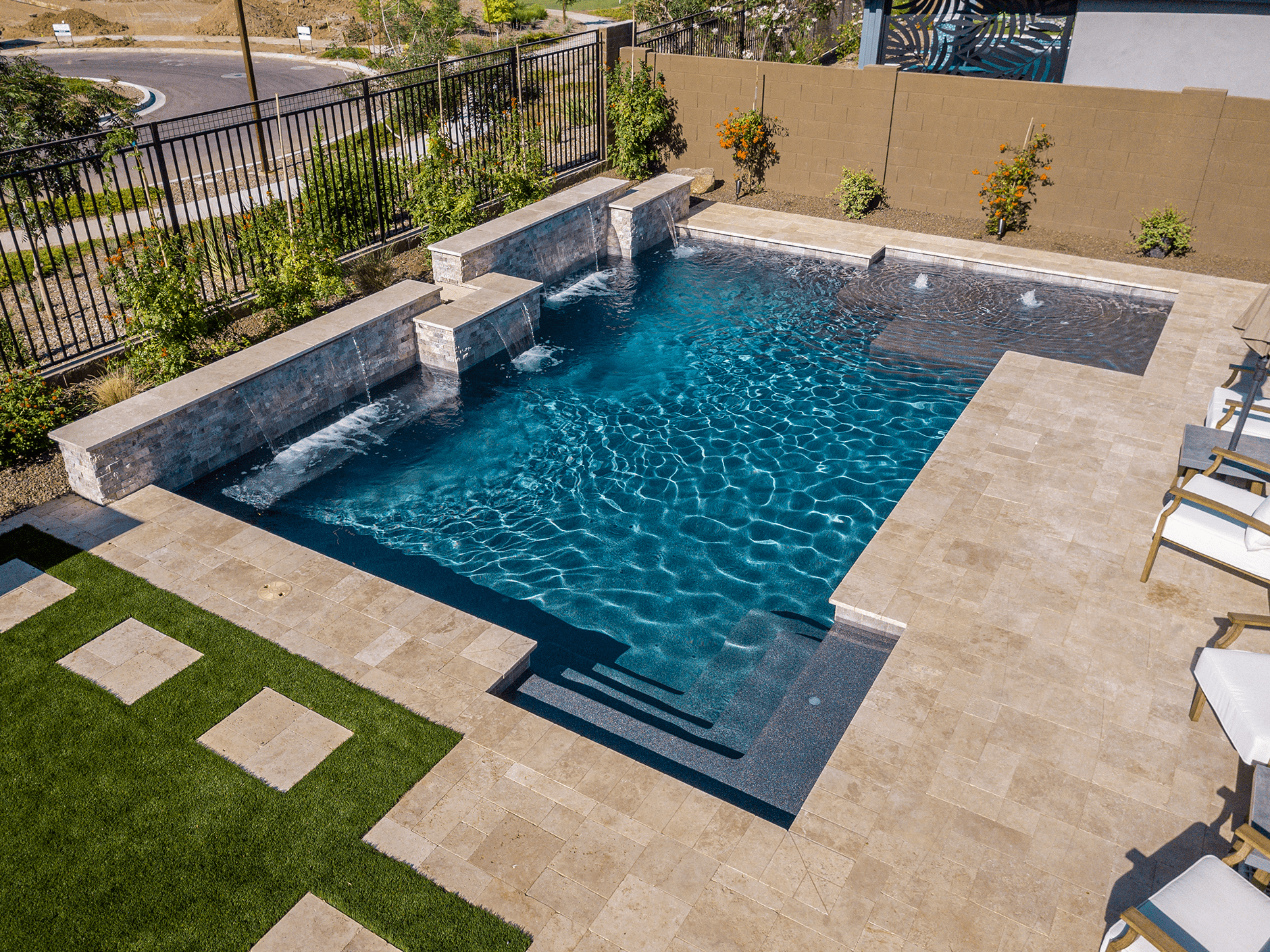
The best time to do a pool year end review is usually after the heavy swim season, before winter neglect sets in, or early enough before spring that repairs do not collide with peak-season scheduling. A good review should not be a quick glance at the water. It should look at the equipment pad, water balance, pool surface, plumbing behavior, safety items, and the way the pool performed over the last year.
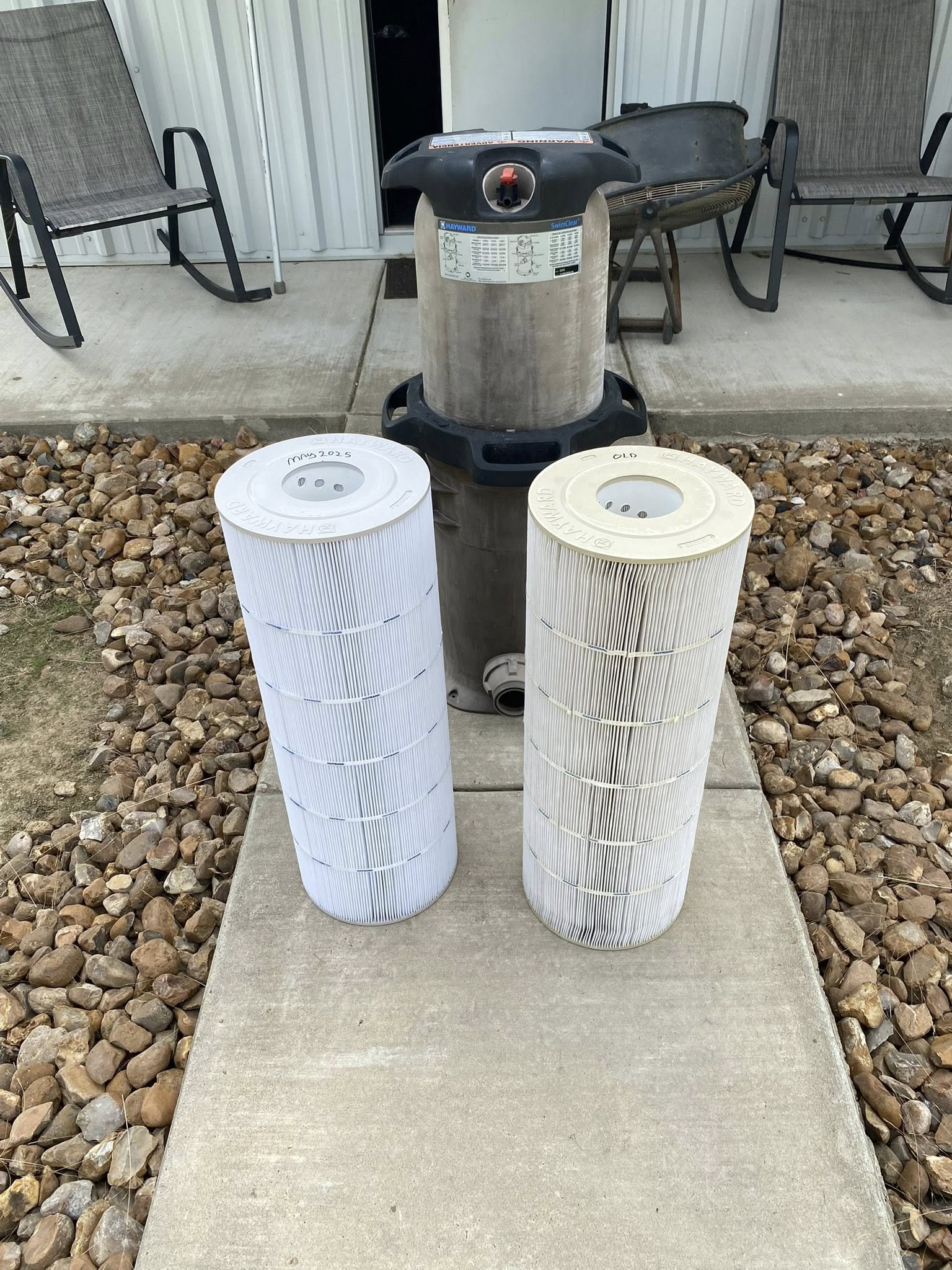
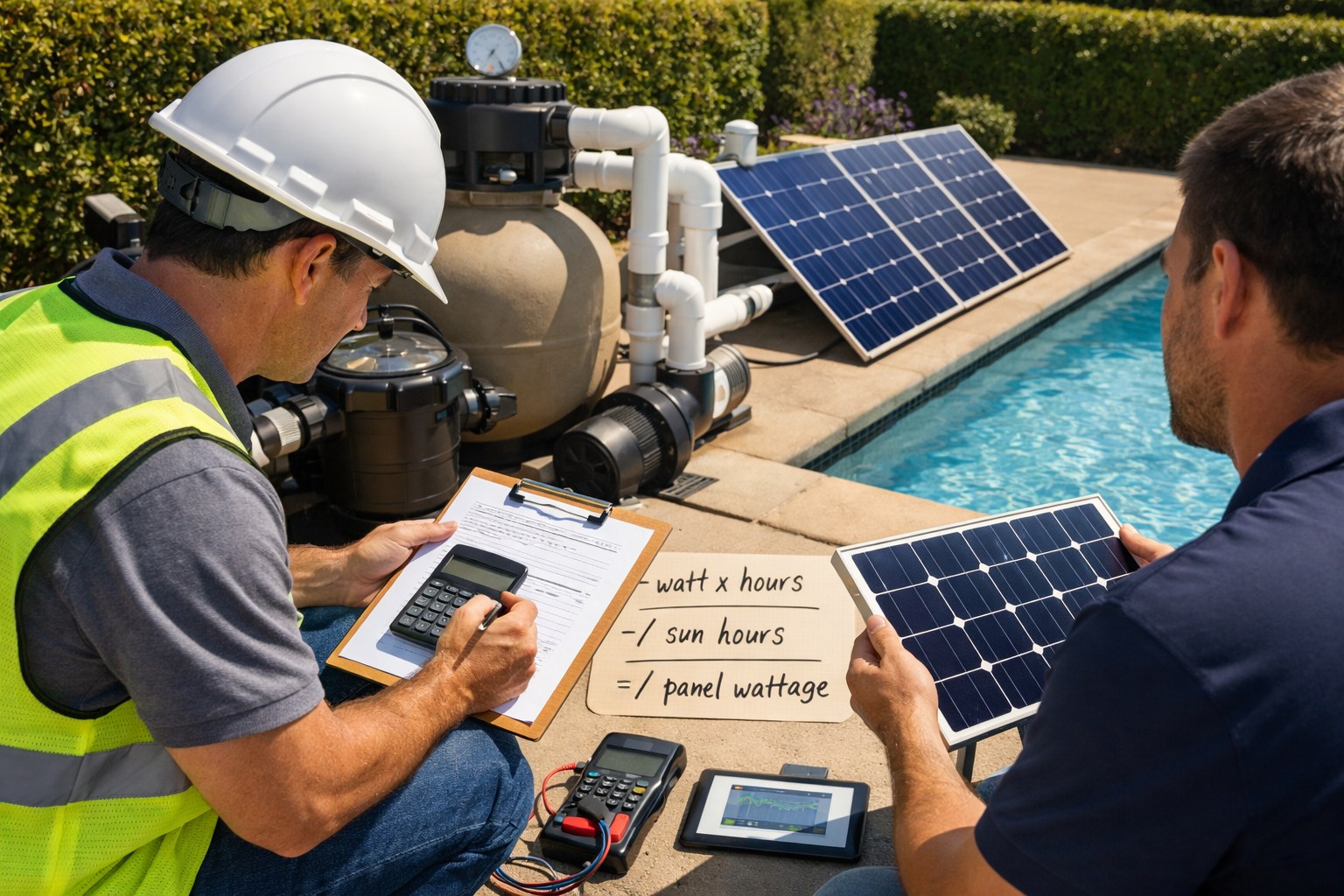
A strong pool annual inspection starts with the equipment pad because that is where many expensive problems announce themselves early. The technician should check pump noise, seals, baskets, valves, unions, filter pressure, heater performance, automation, timers, lights, and visible leaks. This is where a pool equipment assessment becomes valuable. A pump that still runs may be inefficient. A filter that still works may be overdue for cleaning. A heater that fires inconsistently may be warning you before the coldest weekend of the year.
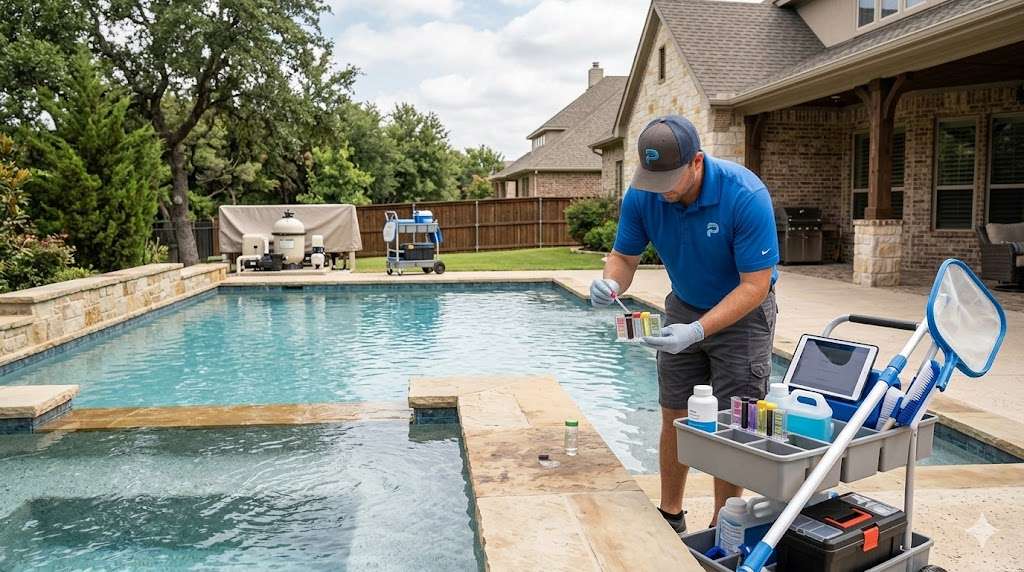
Water chemistry deserves the same attention. The CDC encourages pool owners to test disinfectant and pH regularly because balanced water helps protect swimmers and equipment. For homeowners, that means your annual pool assessment should not only ask “is the water clear?” It should ask whether chlorine, pH, alkalinity, calcium hardness, stabilizer, and salt levels have been managed in a way that protects plaster, tile, metal parts, heaters, and swimmers. CDC pool water testing guidance.
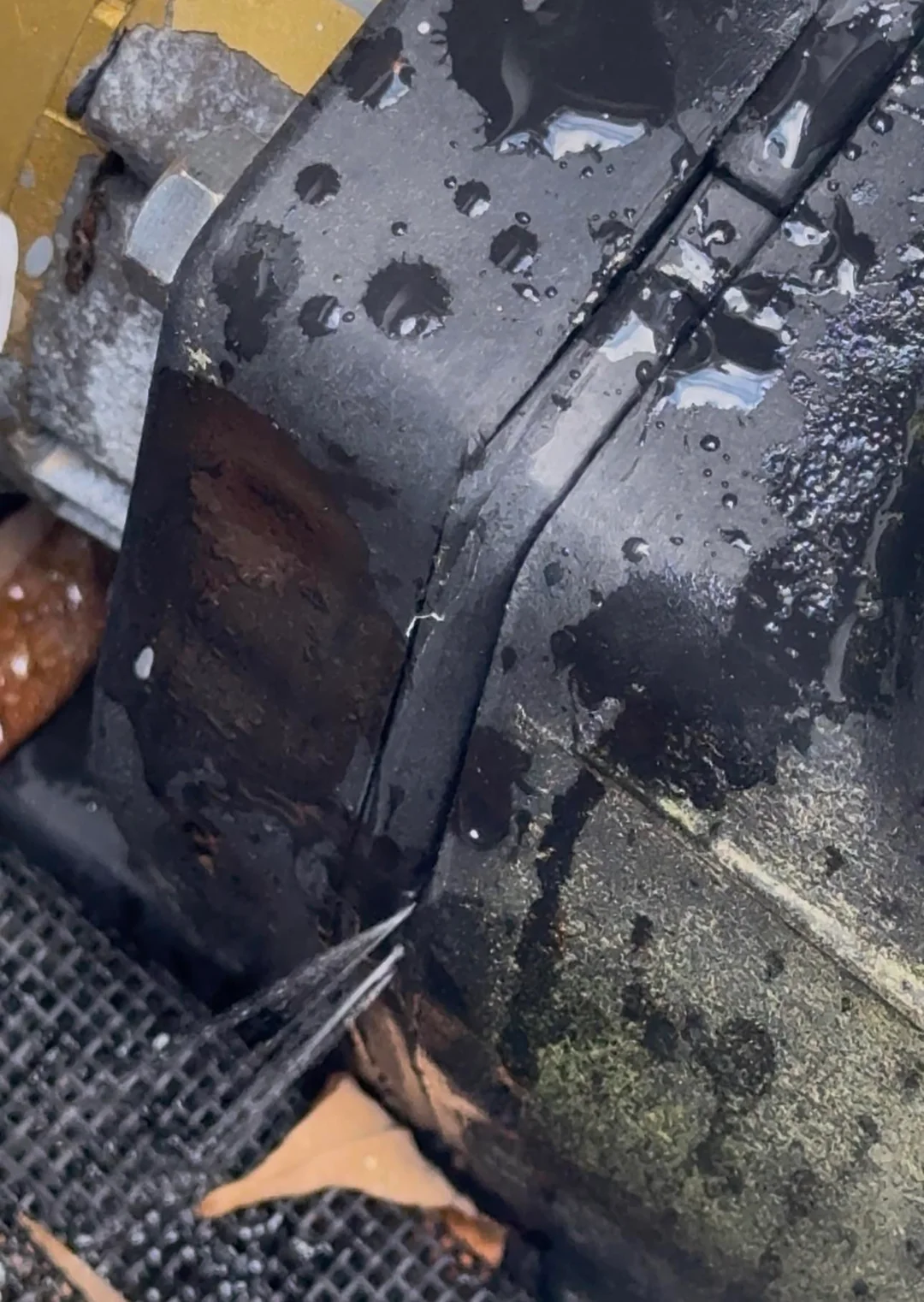
The surface and structure need eyes on them too. Look for cracks, hollow spots, rough plaster, tile movement, coping gaps, mastic failure, staining, rust marks, loose fittings, and signs of slow water loss. A pool year end review is the perfect moment to decide whether a stain is cosmetic, whether a crack needs monitoring, or whether a leak test should happen before the problem grows.

Safety should never be the forgotten category. Pool Safely, a national public education campaign from the U.S. Consumer Product Safety Commission, emphasizes layers of protection such as barriers, supervision, alarms, and safer drain covers. Even if your pool is not being remodeled, a pool annual inspection should flag obvious safety concerns before children, guests, pets, or buyers are around the pool. Pool Safely safety tips
DFW pools work hard. Summer heat increases evaporation and chemical demand. Spring storms can push debris, pollen, and dirt into the water. Freeze events can stress plumbing and equipment. High bather loads can make a filter work harder than usual. That is why a pool equipment assessment in North Texas should be more than a yes-or-no check. It should explain what is aging, what is still reliable, and what may cost more if ignored.
Energy use is another reason to review equipment annually. ENERGY STAR notes that certified pool pumps can use less energy than standard models, and variable-speed technology can be a major upgrade for many pool owners. During a pool annual inspection, it is worth asking whether your pump schedule, motor type, filter condition, or automation settings are costing more than they should. ENERGY STAR pool pumps
This does not mean every inspection should turn into a giant repair bill. Actually, the opposite is the goal. A honest pool year end review should help you separate “fix now” from “watch closely” and “plan for later.” That way, you are not replacing parts too early, but you are also not waiting until a small leak damages a motor, a bad seal ruins a weekend, or poor chemistry scars the pool surface.
If you are not sure what your pool needs, PoolBurg can help you turn the guesswork into a clear plan. A professional annual pool assessment is especially helpful if you bought a home with a pool, had repeated algae problems, heard new equipment noises, noticed higher utility costs, dealt with freeze weather, or simply want a smarter maintenance plan for the next season.
A pool annual inspection gives you something better than vague worry. It gives you a ranked list, a realistic budget, and confidence about what your pool needs next. Whether the answer is a simple cleaning, better chemistry habits, a small plumbing fix, a deeper pool equipment assessment, or a larger repair plan, the point is the same: catch the little stuff before it becomes the expensive stuff.
Quick call to action
Ready to stop guessing what your pool needs this year? Contact PoolBurg and schedule a practical pool annual inspection before small issues turn into expensive repairs.