Pool chlorine rash is one of those backyard pool problems that can make a family pool suddenly feel less fun. A swimmer gets out itchy, red, dry, or bumpy, and the first guess is usually, “There must be too much chlorine.” Sometimes that is part of it, but most of the time the real story is water balance. In DFW heat, especially around Allen, Frisco, Plano, McKinney, Prosper, and Keller, pools work hard. When chlorine, pH, filtration, and circulation drift out of range, skin can feel it fast.
What Is Pool Chlorine Rash?
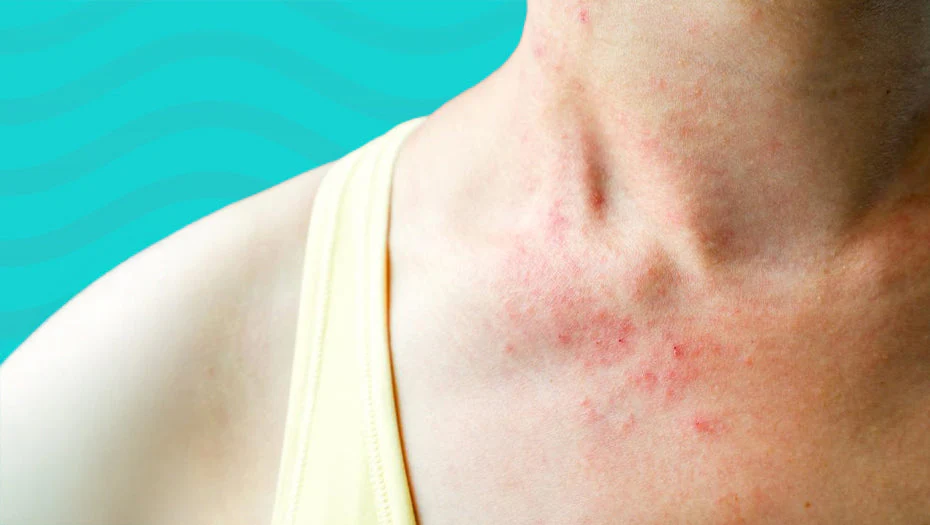
A pool chlorine rash is skin irritation that shows up after swimming. It may look like redness, dry patches, itching, small bumps, or a burning feeling on sensitive skin. Some people call it chlorine dermatitis, while others simply call it a pool rash. Either way, it is usually irritation, not a true chlorine allergy.
The tricky part is that a pool chlorine rash does not always mean chlorine is “too high.” A pool with weak sanitizer, poor pH, dirty filters, or high combined chlorine can also irritate swimmers. That is why good pool chemical maintenance matters more than guessing.

Can Chlorine Cause Dermatitis?
Yes, chlorine and pool byproducts can irritate the skin, especially for swimmers with sensitive skin or eczema-prone skin. But water that is out of balance often makes the problem worse. The CDC pool chemical guidance explains that pool water needs proper sanitizer and pH control because both affect swimmer comfort and safety.
pH is a big one. If pH climbs too high, chlorine works less effectively and the water can feel rough. If pH drops too low, the water can sting eyes and skin. Chloramines, which are irritating compounds that build up when chlorine reacts with sweat, oils, and other contaminants, can also cause that strong “chlorine smell,” red eyes, and skin discomfort. The CDC also discusses chloramines in pools as a common swimmer irritation issue.
Why Balanced Pool Water Matters for Skin Comfort
Good pool water balance is not just about making the water look pretty. It protects swimmers, equipment, plaster, tile, and filters. Chlorine should sanitize. pH should stay controlled. Alkalinity helps stabilize pH. Stabilizer helps outdoor chlorine survive the Texas sun. Filtration removes the junk chlorine has to fight.
When one piece slips, the pool starts acting weird. Maybe the water still looks clear, but kids come out itchy. Maybe the pool smells “strong.” Maybe swimmers complain that their eyes burn. That is where professional testing beats test-strip guesswork. A proper reading can show whether the issue is free chlorine, combined chlorine, pH, alkalinity, calcium hardness, or filtration.
Signs Your Pool Water May Be Irritating Swimmers
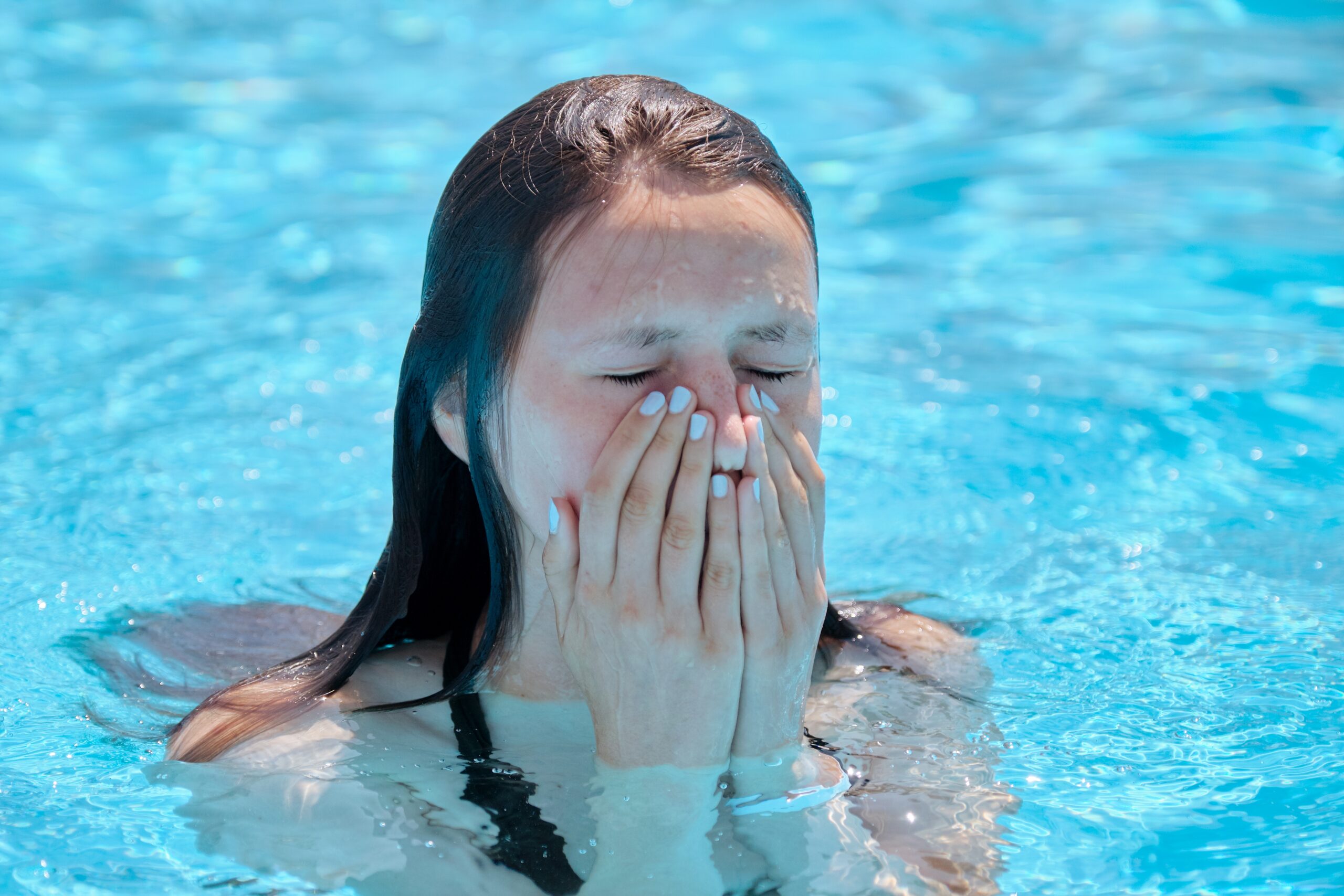
A pool chlorine rash is one sign, but it is not the only clue. Watch for strong chemical odor, red eyes, dry skin, cloudy water, itchy skin, burning sensations, or swimmers coughing near the water. A clean pool should not smell like a public indoor pool from the 90s. That smell is usually a warning, not proof that the pool is “extra clean.”
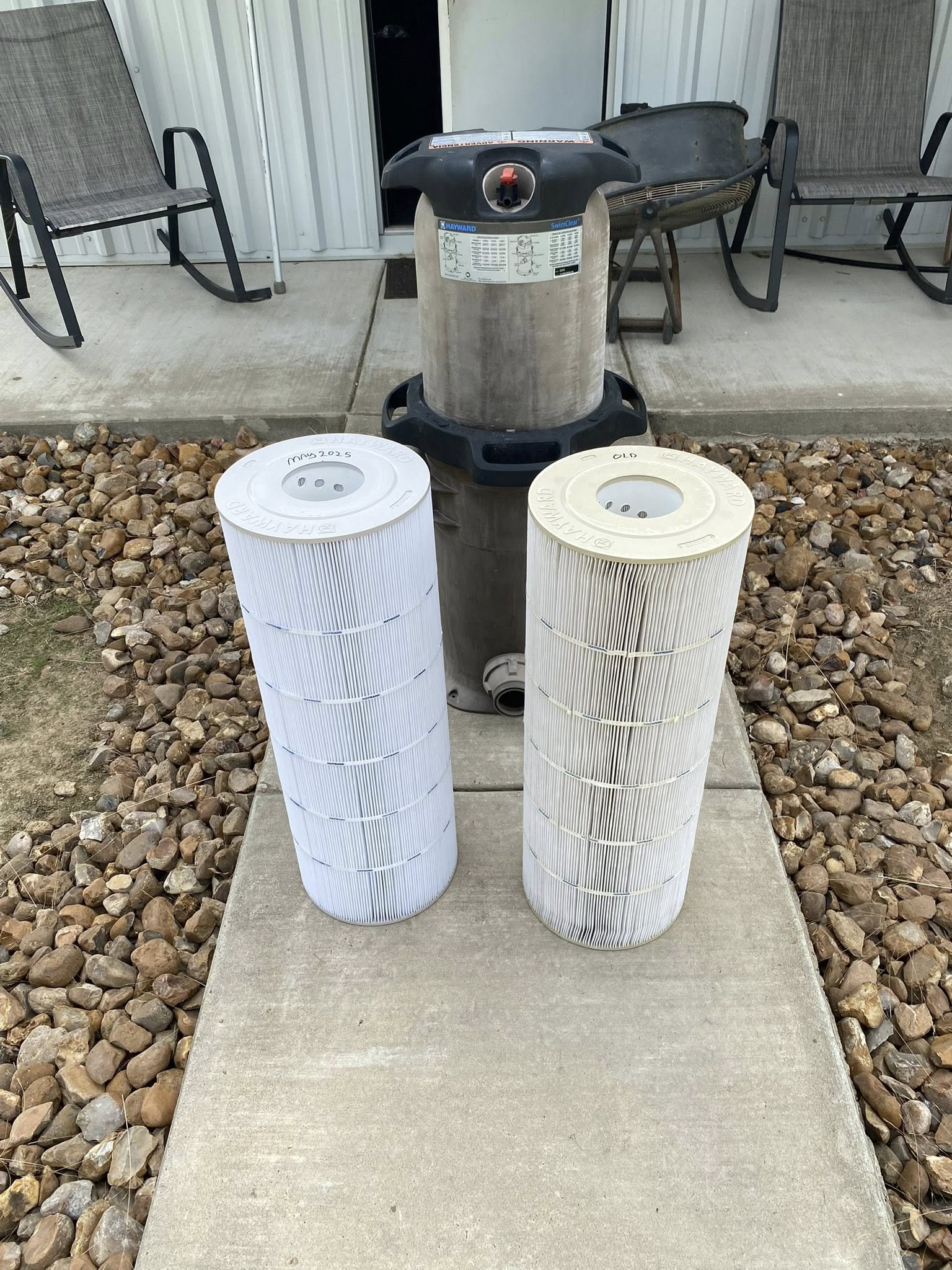
Poor circulation can make pool chemical irritation worse because sanitizer and pH correction do not spread evenly. Dirty filters can also leave contaminants in the water longer. If your water is hazy or dull, start with this guide on cloudy pool water before blaming every rash on chlorine alone.
How PoolBurg Helps Prevent Irritating Pool Water
PoolBurg keeps swimmer comfort in mind during regular service. That means testing water, adjusting chlorine and pH, watching alkalinity, brushing surfaces, checking filter pressure, and shocking when the pool actually needs it. For safety, pool chemicals should also be handled carefully; the CDC has clear guidance on pool chemical safety because mixing or misusing products can be dangerous.
A good pool maintenance routine also matters after storms, pool parties, heavy sunscreen use, and long stretches of extreme heat. Those are the weeks when a pool can go from comfortable to cranky very quickly. If combined chlorine is high, a correct pool shock treatment may help reset the water instead of just adding more tablets and hoping for the best.
When to Talk to a Doctor
Most mild irritation improves after rinsing off, moisturizing, and staying out of the pool until the water is corrected. Still, PoolBurg is not a medical provider, so severe symptoms should be treated seriously. If a rash is painful, spreading, swollen, infected-looking, linked to breathing trouble, or not improving, talk to a doctor. The Mayo Clinic contact dermatitis guide is a useful medical reference for understanding general contact dermatitis symptoms and when irritation may need care.
People Also Ask
Can pool chlorine cause dermatitis?
Yes, chlorine and chloramines can irritate skin, especially when pool water is poorly balanced. A pool chlorine rash is often tied to pH, combined chlorine, and overall pool water balance.
What does a chlorine rash look like?
It can look like red, itchy, dry, bumpy, or irritated skin after swimming. Some swimmers feel tight or burning skin more than visible bumps.
How long does chlorine dermatitis last?
Mild pool rash may calm down after rinsing and avoiding the irritant, but persistent or severe symptoms should be checked by a healthcare professional.
Why does my skin itch after swimming?
Itching can come from chloramines, high or low pH, dry skin, sunscreen residue, or poorly filtered water. Testing is the smart first move.
Can poor pool maintenance cause skin irritation?
Yes. Weak circulation, dirty filters, high combined chlorine, and bad pH control can all make pool chemical irritation more likely.
PoolBurg Can Help Your Pool Feel Better
If your family keeps dealing with pool chlorine rash, do not keep guessing at the equipment pad. PoolBurg can test, balance, and service the pool so the water feels better for swimmers. Contact PoolBurg and let us check the water before a small comfort issue turns into a summer-long headache.