Issues with a pool heater high limit switch are often frustrating since the unit appears to be operational. You might notice the burner ignite and run momentarily, only to have the system cut out, wait to cool down, and then repeat the cycle. For homeowners in North Texas communities like Frisco, McKinney, and Southlake, this cycle seems like a glitchy machine, but in reality, it is the heater engaging its internal safety protocols.
The important thing is not to keep resetting it and hoping for the best. A pool heater high limit switch trips when the heater senses temperatures getting too high. Sometimes the switch itself is bad. More often, the heater is trying to tell you that water is not carrying heat away fast enough.
What a Pool Heater High Limit Switch Does
A pool heater high limit switch is a safety device. Its job is to shut the heater down when water temperature or internal heater temperature rises beyond a safe limit. Think of it like a last line of defense between normal heating and expensive damage.
When everything is working correctly, pool water moves through the heater, absorbs heat, and carries that heat back to the pool. If flow slows down, if scale blocks the heat exchanger, or if a valve is partly closed, heat can build up inside the unit faster than the water can remove it. That is when a pool heater high limit error may show up.
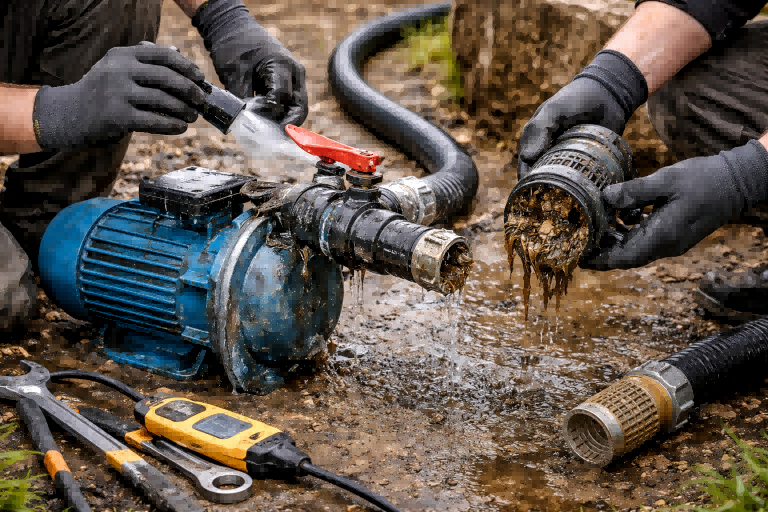
Signs the High Limit Switch May Be Tripping
The most common clue is simple: the pool heater shuts off before the pool reaches the set temperature. Some heaters show a high limit code, HL1, HL2, HLS, or another brand-specific message. Others run briefly, stop, and then work again after cooling down.
You may also notice the heater body feels hotter than usual, the water barely warms, or the temperature reading climbs too quickly. If you are constantly resetting the heater, that is not a fix. That is the heater asking for a proper diagnosis.
Common Causes of Pool Heater High Limit Switch Problems
A tripped pool heater high limit switch does not automatically mean the switch is the only bad part. The real cause is often one of these:
- Low water flow through the heater
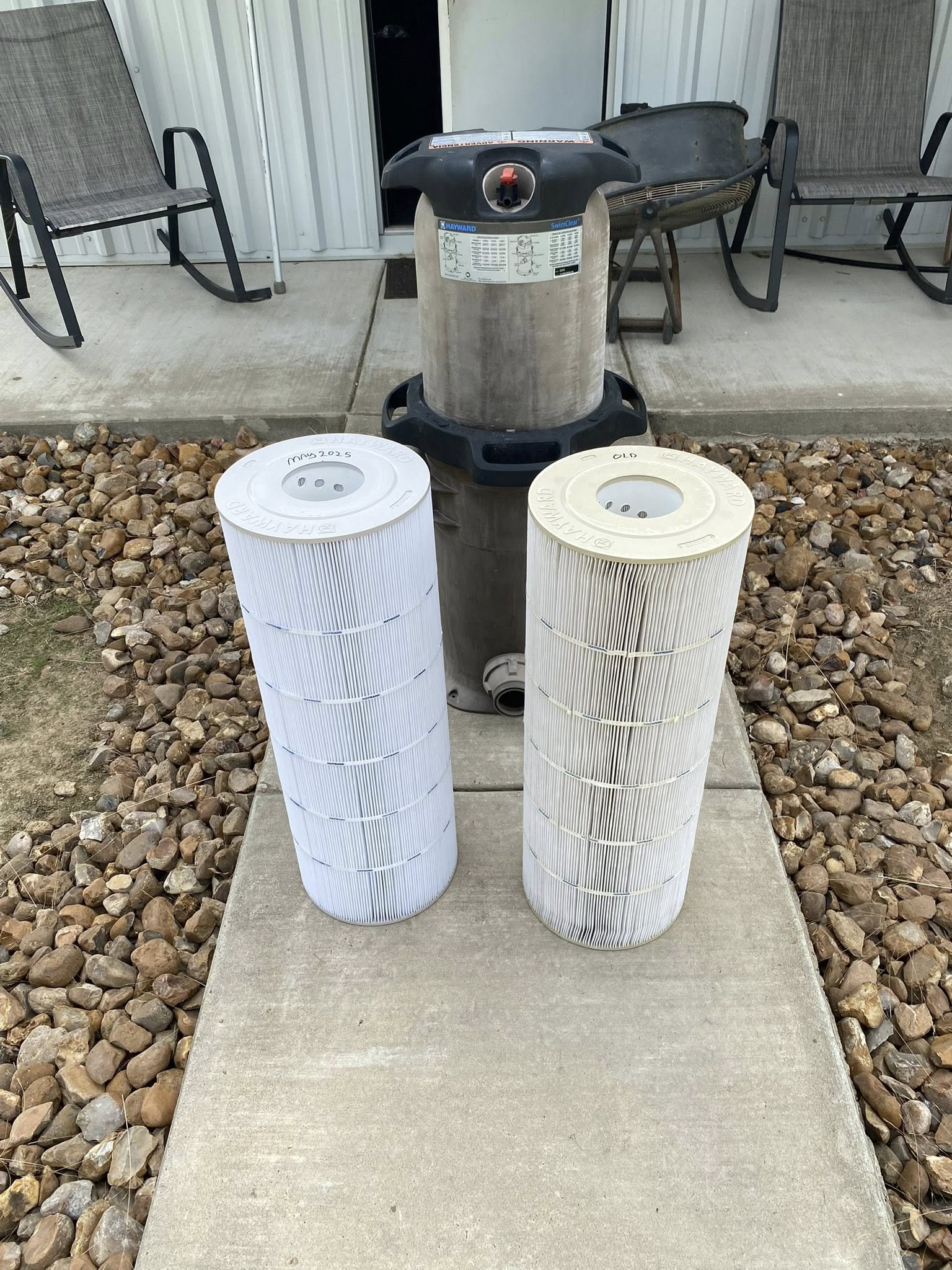
- A dirty filter or high filter pressure
- A closed, partly closed, or mispositioned valve
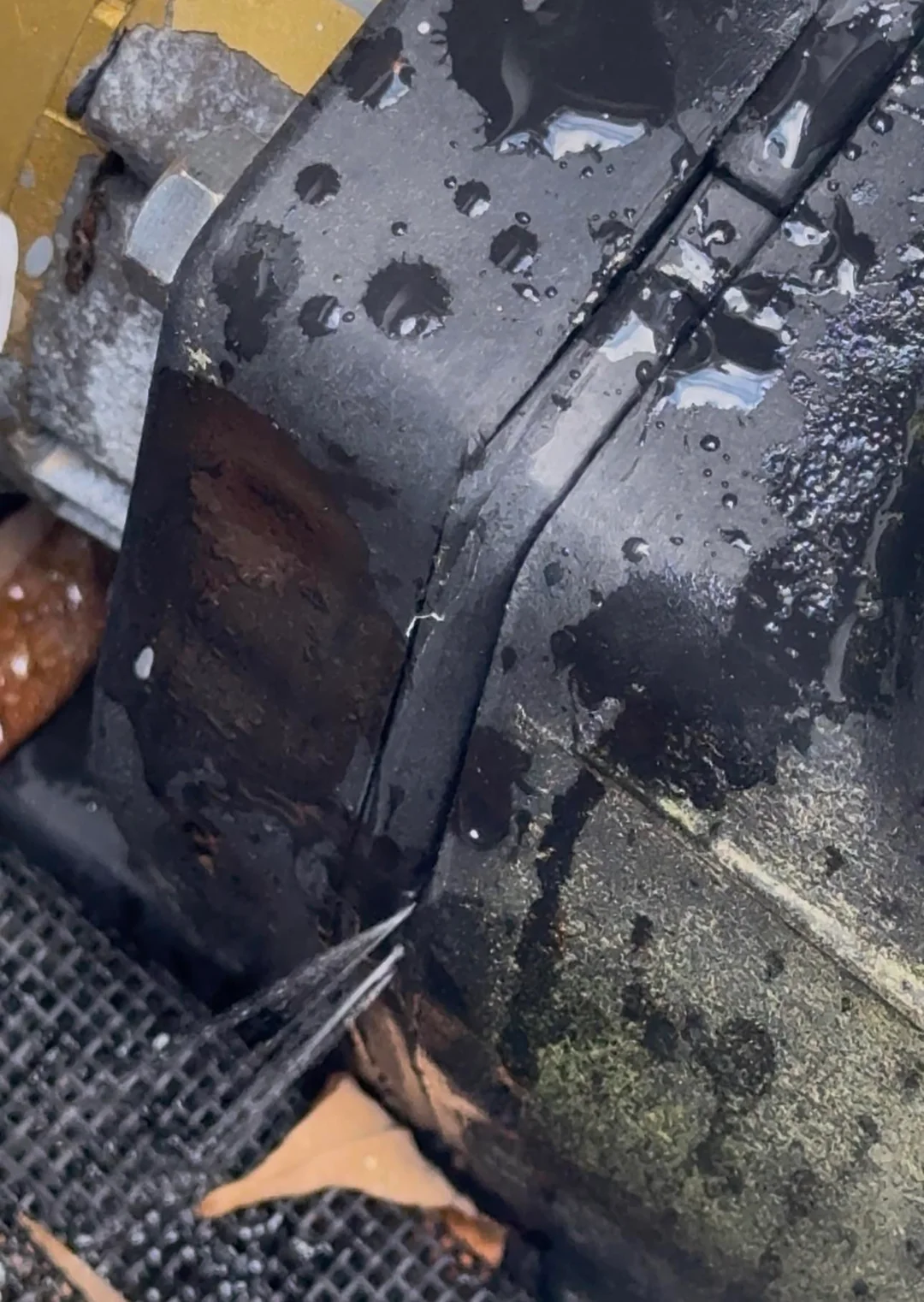
- Scale buildup inside the heat exchanger
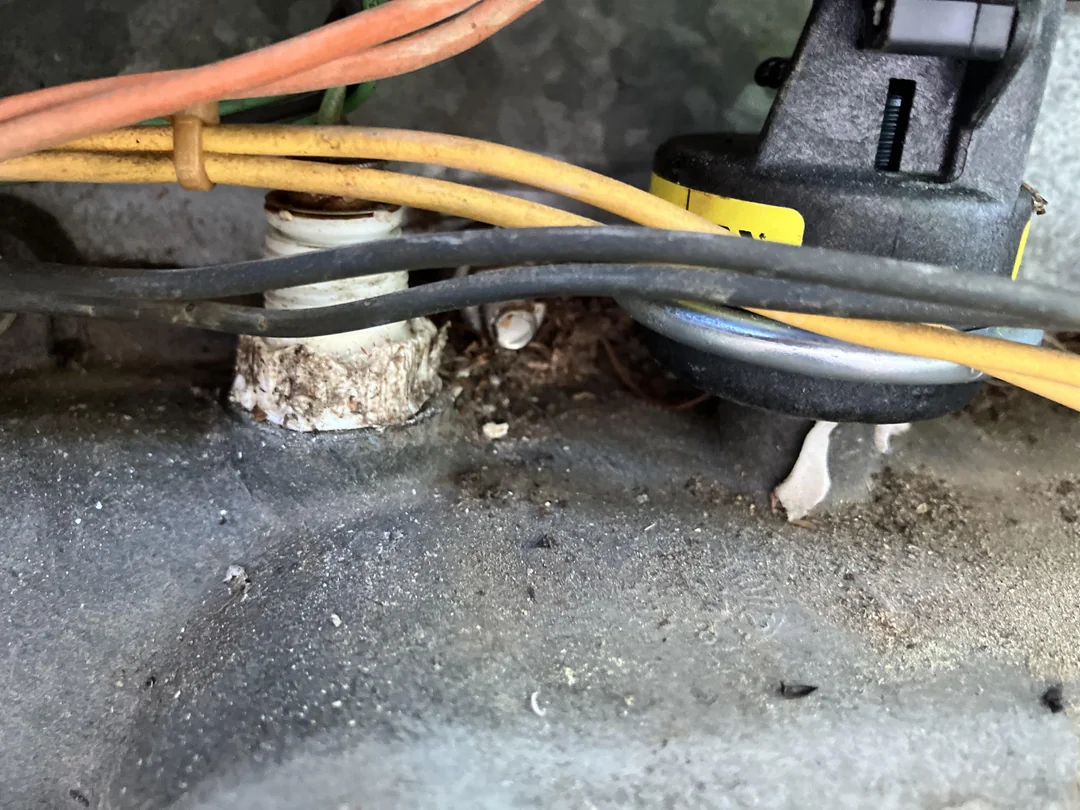
- A bad temperature sensor or faulty safety switch
- Poor heater maintenance or debris inside the unit
That is why PoolBurg usually looks at the whole system, not just the switch. If the filter is dirty, the returns feel weak, or the pump is not moving enough water, replacing a pool heater safety switch may only hide the issue for a little while.
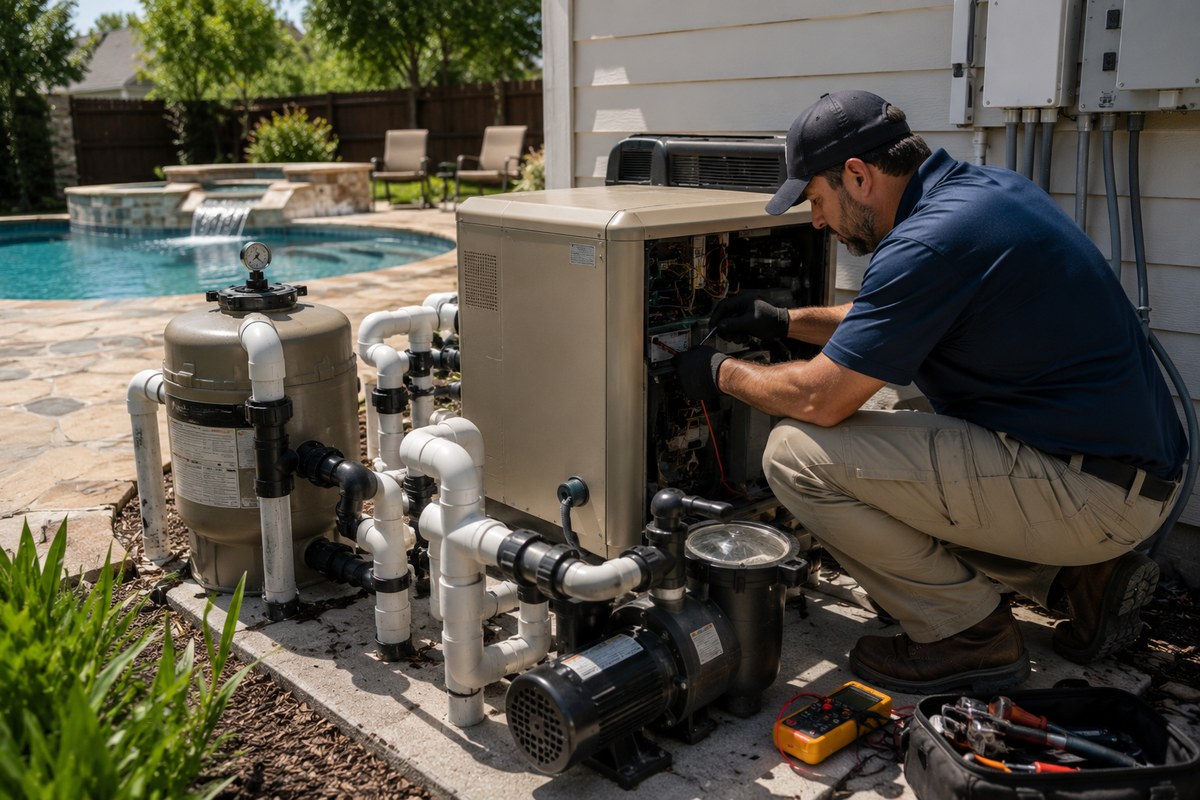
High Limit Switch vs Pressure Switch Problem
A pressure switch and a pool heater high limit switch are related, but they do different jobs. The pressure switch confirms that water is moving through the heater. The high limit switch reacts when the heater gets too hot.
Here is where homeowners get tripped up: both problems can come from circulation issues. A clogged filter, weak pump flow, air in the system, or bad valve setting can cause low flow first, then overheating next. That is also why guessing at parts gets expensive fast.
What Homeowners Can Check First
Before touching the heater cabinet, start with the safe, visible basics. Make sure the pump is running, the pool water level is high enough, the skimmer basket is not packed with leaves, and the filter pressure is not unusually high. Check that return jets feel strong and that valves are open where they should be.
Do not bypass or “jump” the high limit switch as a DIY fix. A pool heater high limit switch exists because overheating can damage the heater and create unsafe conditions. If the heater keeps throwing a pool heater high limit error, shut it down and have it checked.
People Also Ask
What does a pool heater high limit switch do?
It shuts the heater down when temperatures get too high, helping protect the heater from overheating and damage.
Why does my pool heater keep tripping the high limit?
Low flow, scale buildup, dirty filters, valve problems, sensor trouble, or a faulty high limit switch can all cause repeated trips.
Can low flow cause a high limit error?
Yes. If water does not move through the heater fast enough, heat can build inside the exchanger and trip the safety circuit.
Can I reset a pool heater high limit switch?
Some heaters reset after cooling, but repeated resets are a warning sign. The cause should be diagnosed before continued use.
Is a high limit switch expensive to replace?
The part may be smaller than the problem. The real cost depends on whether the issue is the switch, the sensor, scale, flow, or the control board.
Should I keep running a heater with high limit errors?
No. Repeated pool heater high limit switch errors should be inspected before the heater is used again.
PoolBurg Can Find the Real Reason Your Heater Is Shutting Down
A pool heater high limit switch issue is not something to shrug off, especially with gas heaters used during cool Texas mornings and shoulder-season evenings. PoolBurg can test flow, filter pressure, valve position, sensor readings, safety switches, and heater condition so you are not replacing random parts or running an overheating unit.
If your pool heater is shutting off, showing a high limit error, or only works after cooling down, contact PoolBurg and let our team find the cause before a small warning turns into a bigger repair.