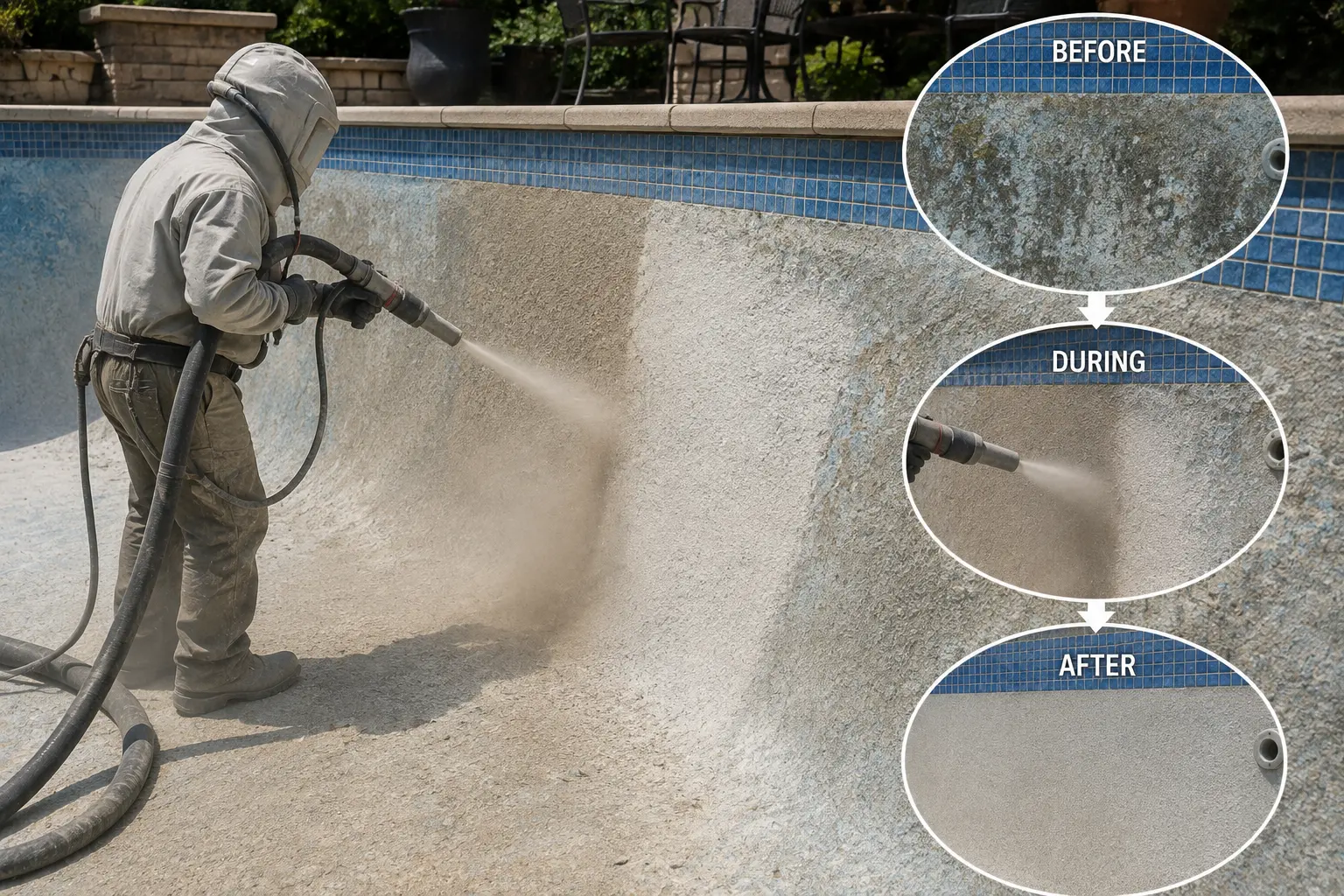
When a pool finish suffers from widespread deterioration, guest complaints of rough textures, recurring patch failures, or frequent unplanned shutdowns, full commercial pool resurfacing becomes the most cost-effective solution. Minor issues—such as an isolated stain, a single crack, or a localized surface chip—can often be resolved with targeted commercial pool repair. However, if multiple sections show signs of delamination, severe etching, exposed aggregate, or repeated repairs, investing in complete resurfacing provides a more reliable, long-term outcome.
Prior to starting, thoroughly inspect the underlying shell and mechanical systems, as applying a fresh finish should never be used to conceal underlying structural faults or active leaks.
Why Commercial Pool Surfaces Wear Differently
Hotels, apartments, HOAs, clubs, and fitness facilities typically face longer operating hours, heavier bather loads, more sunscreen and body oils, frequent cleaning, and tighter appearance expectations. That raises chemical and maintenance demand. The CDC’s current Model Aquatic Health Code is written for public aquatic venues, including hotels, apartments, and HOAs. For managers, commercial swimming pool resurfacing is therefore a facility-planning decision, not just a cosmetic upgrade.
Signs a Commercial Pool Needs Resurfacing
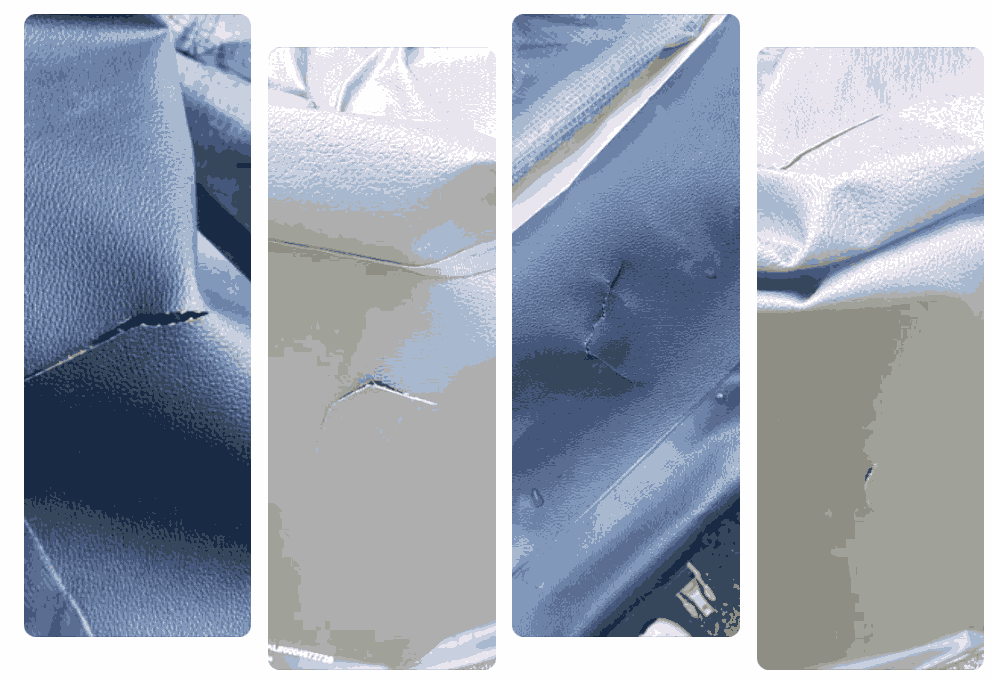
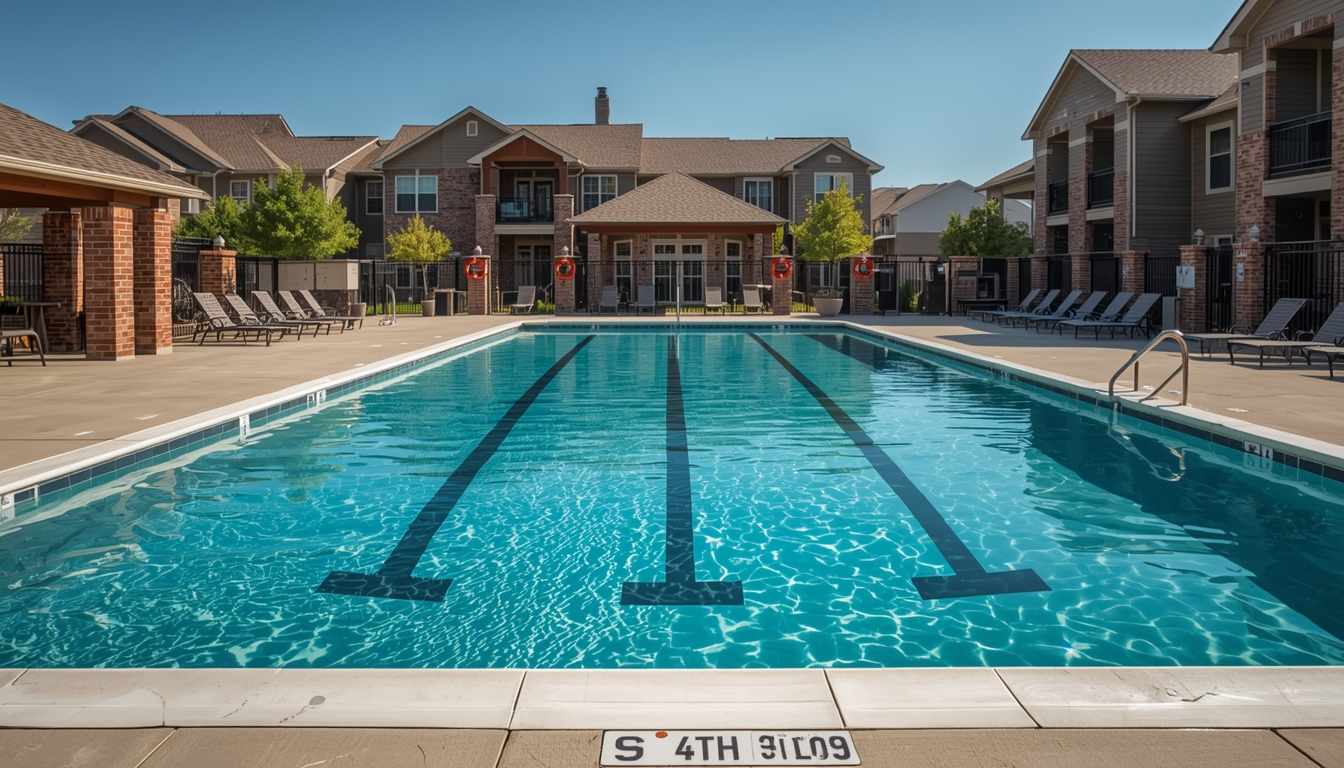
Commercial pool resurfacing becomes easier to justify when the finish feels like sandpaper, staining or etching is widespread, hollow areas lift, aggregate is exposed, cracks multiply, or old patches keep failing. Swimmer complaints matter. The discussion reviewed for this article also highlighted references, prep, startup, warranties, and underfoot comfort. Before choosing a texture, ask for a cured sample and an older completed-pool reference, not only fresh photos.
When Commercial Pool Resurfacing Beats Another Repair
| What the Inspection Finds | Better Starting Point | Why |
|---|---|---|
| One stable chip or small crack | Targeted surface repair | Preserves a sound finish |
| Leak or moving shell crack | Diagnose and repair first | Finish alone will not solve it |
| Roughness or delamination across many areas | Full resurfacing | Stops recurring patchwork |
| Planned tile, coping, or deck renovation | Coordinate one shutdown | Avoids repeated draining |
Age helps with budgeting, but condition should drive the decision. PoolBurg’s pool surface repair guide makes the same useful distinction: localized damage may be repairable, while widespread failure deserves a resurfacing evaluation.
Common Commercial Pool Finish Options
Commercial pool resurfacing can use traditional plaster for a familiar smooth look and lower upfront price. Quartz adds aggregate for a balance of texture, appearance, and durability; SGM’s official Diamond Brite description is one example. Pebble and other exposed aggregate finishes can suit demanding use, but texture should be tested with actual users in mind. Review PebbleTec’s commercial finish options and confirm the chosen system, installer, warranty, and local approval. The right answer balances durability, comfort, maintenance, water color, and the property’s budget.
What Should Be Inspected Before Commercial Pool Resurfacing?
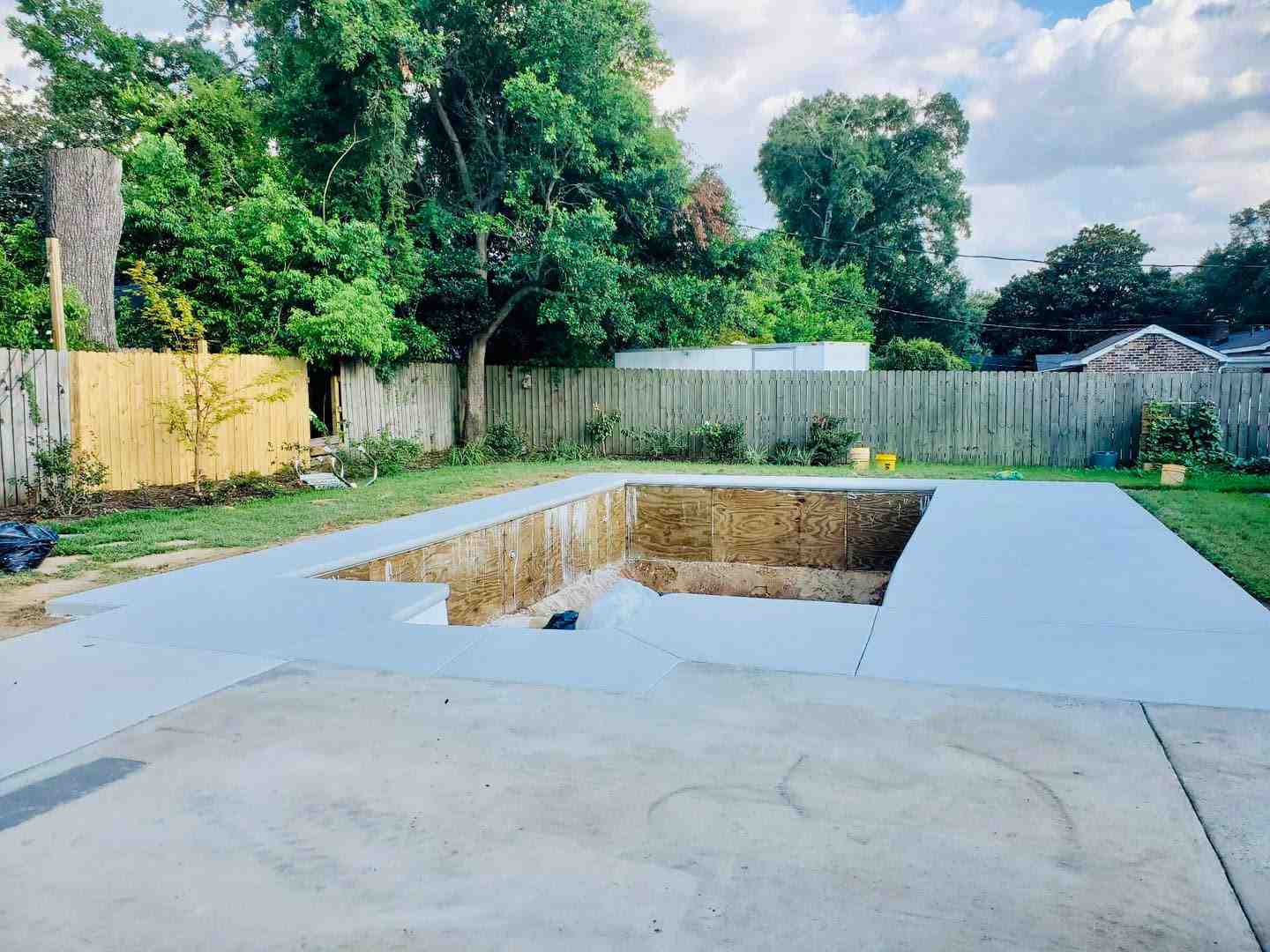
Inspect the shell, plumbing, drains and covers, waterline, tile, coping, deck, fittings, lights, equipment, and circulation before draining. Texas public pools operate under Texas DSHS swimming pool and spa rules, while the PHTA public pool standard is another planning reference. Coordinate needed pool tile replacement or pool deck resurfacing during the same shutdown when practical.
Planning Around Facility Downtime
Commercial pool resurfacing planning includes draining and setup, surface preparation, discovered repairs, finish installation, refill, startup chemistry, and any required inspection or approval. The installation date is not automatically the reopening date. Build in weather and material contingency, post notices early, and assign one person to coordinate the contractor, on-site staff, and management. Wet Edge’s startup guide explains that curing and water care continue after filling, and the National Plasterers Council startup procedures reinforce why brushing, chemistry records, and responsibility for startup belong in the contract.
People Also Ask
How often should a commercial pool be resurfaced?
Commercial pool resurfacing should follow finish condition, maintenance history, and recurring repairs rather than a calendar alone.
What is the best finish for a high-use pool?
Choose for durability, texture, maintenance, warranty, installer quality, and approval by the local authority.
Can commercial pools be patched instead?
Yes, when damage is isolated and the surrounding finish and shell are sound.
How long is a commercial pool closed for resurfacing?
Straightforward work may occupy roughly one to two weeks, but size, repairs, weather, filling, startup, and approvals can extend it.
Should tile be replaced during resurfacing?
Replace loose, cracked, or failing tile then; sound tile can remain after inspection.
What causes pool plaster delamination?
Common contributors include poor bonding or preparation, water intrusion, movement, installation defects, and damaging water chemistry.
Should equipment be inspected before resurfacing?
Yes. Flow, leaks, drains, fittings, lights, and equipment can affect scope and reopening.
How much does commercial pool resurfacing cost?
There is no honest universal total. Current residential cost data is only a planning reference; commercial bids must price measured surface area, prep, finish, repairs, access, disposal, tile, startup, and scheduling.
Plan the Right Scope With PoolBurg
PoolBurg helps property managers, hotels, HOAs, apartments, and facility operators separate surface symptoms from shell, plumbing, equipment, or chemistry problems before recommending commercial pool resurfacing. For apartment pool resurfacing or hotel pool resurfacing in Frisco, Plano, Addison, Las Colinas, Grapevine, Southlake, Carrollton, or Farmers Branch, start with the PoolBurg resurfacing service or contact PoolBurg. One careful inspection can turn repeated emergency patches into a clear capital plan with realistic downtime.