
When homeowners invest in a pool heater, they expect years of reliable performance. However, many pool heaters fail prematurely—not because the heater was defective, but because the system was not properly protected. One of the most overlooked yet critical components in a professionally designed pool system is the heater bypass valve.
A heater bypass valve is not an upgrade or optional add-on. It is a protective plumbing component that safeguards your heater from high water flow, harsh chemical exposure, and unnecessary wear.
What Is a Pool Heater Bypass Valve?
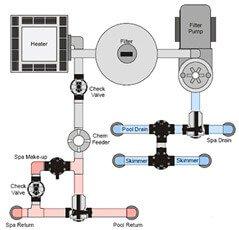
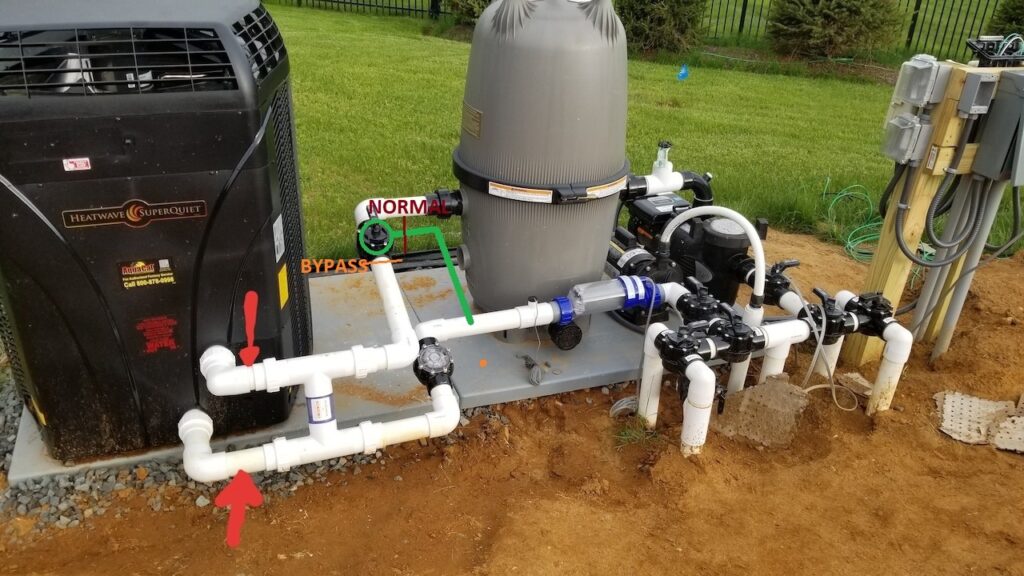
A heater bypass valve is a plumbing configuration that allows water to be diverted around the heater when needed. It works in conjunction with isolation valves to regulate how much water flows through the heater—or to completely isolate it during service or chemical treatments.
This level of control is essential for modern pool systems.

1. Protects the Heat Exchanger (The Most Expensive Part of the Heater)
Every pool heater contains a heat exchanger, which is responsible for transferring heat to your pool water. It is also the most expensive and vulnerable component in the heater.
When water flow is too high or uncontrolled, it can cause:
- Internal erosion
- Premature corrosion
- Cracked headers or manifolds
- Early heater failure
A bypass valve ensures the heater operates within its designed flow range, dramatically extending its lifespan and preventing costly repairs.
2. Prevents Damage from High-Flow Variable-Speed Pumps
Most modern pools use variable-speed pumps capable of producing far more water flow than older systems. At higher speeds—especially when running spas or water features—these pumps can exceed what a heater can safely handle.
A bypass valve:
- Prevents excessive pressure inside the heater
- Reduces shutdowns and error codes
- Keeps the system operating within manufacturer specifications
This is especially important for pools with spas, waterfalls, or oversized pumps.

3. Improves Heating Efficiency and Reduces Wear
More water flowing through a heater does not mean faster heating.
Properly regulated flow:
- Increases temperature rise per pass
- Reduces short cycling
- Improves fuel efficiency
- Reduces stress on internal components
In simple terms, the heater works more efficiently and lasts longer.
4. Critical Protection During Metal Treatments and Chemical Dosing
During certain pool treatments, it is industry best practice to keep water flow out of the heater. These treatments include:
- Metal sequestrants (iron, copper, manganese)
- Stain removal treatments
- Acid treatments
- High-dose chlorine shocks
- Algaecides
- Pool startups and green-to-clean procedures
High-concentration chemicals are safe for the pool water when used correctly, but they are harsh on heater internals. When these chemicals pass through the heater, they can:
- Strip protective coatings inside the heat exchanger
- Accelerate corrosion
- Cause internal damage that may not appear for months
- Lead to denied warranty claims
A bypass valve allows normal circulation while protecting the heater from chemical exposure.
5. Allows Safe Servicing, Winterization, and System Isolation
A properly installed bypass valve makes routine service safer and more efficient. Technicians can:
- Isolate the heater for repairs or diagnostics
- Circulate water without running through the heater
- Protect the heater during winterization or system startups
This reduces labor costs and minimizes the risk of accidental damage.
6. Helps Protect Manufacturer Warranty Coverage
Most heater manufacturers specify:
- Maximum allowable flow rates
- Proper plumbing configurations
- Restrictions related to chemical exposure
If a heater fails due to high flow or chemical damage and no bypass exists, the damage may be classified as improper installation, which can void warranty coverage.
A bypass valve is inexpensive insurance against denied claims.
The Cost Comparison Homeowners Should Understand
- Pool heater replacement: $4,000–$7,000 or more
- Heater bypass valve installation: a fraction of that cost
This is preventive protection—not an upsell.
Professional Recommendation
A heater bypass valve should be standard on:
- Variable-speed pump systems
- Pools with spas or high-flow features
- Pools with known metals or staining history
- Systems requiring chemical treatments or startups
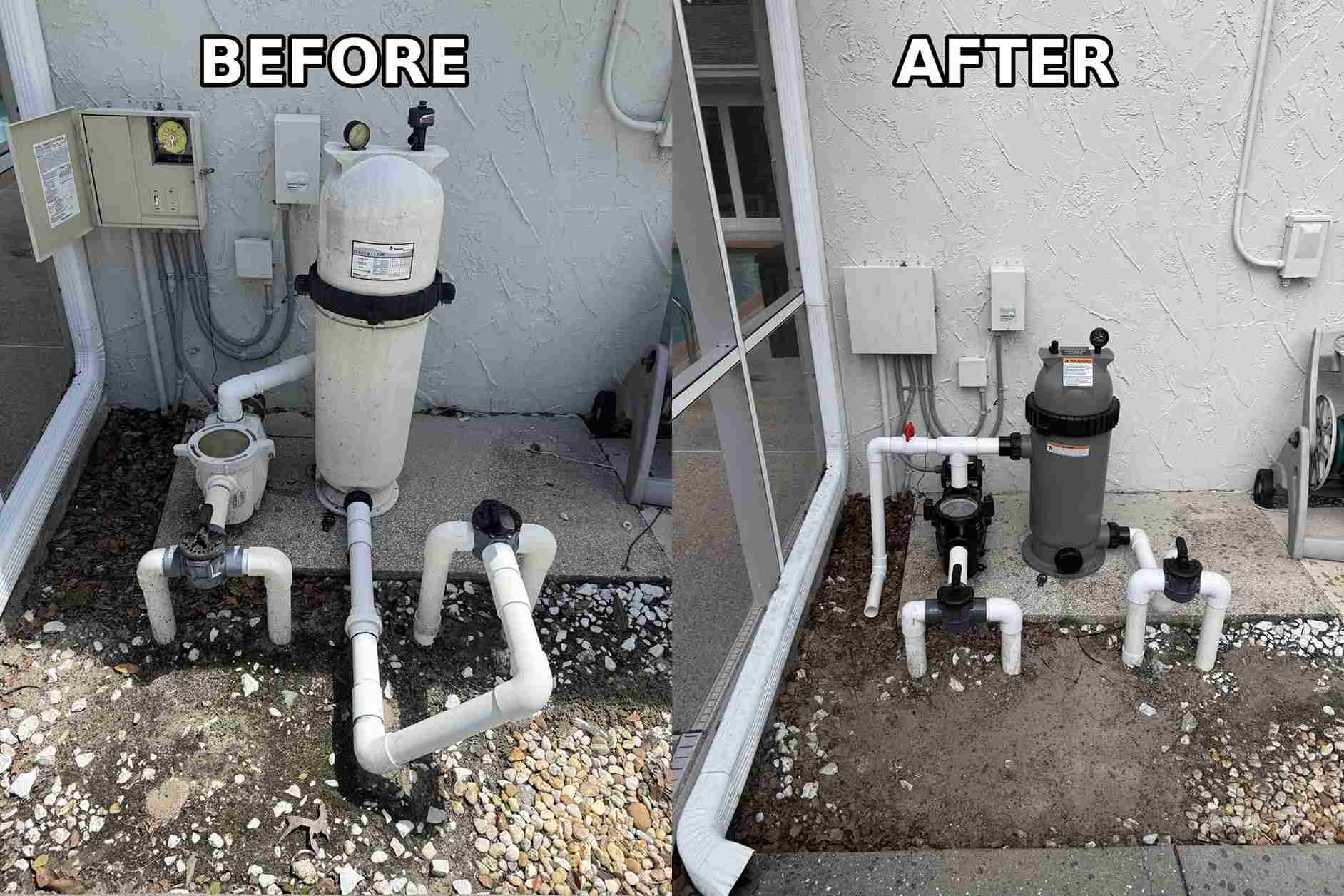
- Any professionally designed or upgraded equipment pad
It reflects proper system design and long-term asset protection.
Final Thoughts
If you are installing a new heater, upgrading equipment, or experiencing repeated heater issues, adding a bypass valve is one of the smartest decisions you can make. It protects your investment, improves performance, and helps ensure your heater delivers reliable service for years to come.
If you have questions about whether your system has a bypass—or if one should be added—consult a qualified pool professional for an evaluation.