If you live anywhere in the DFW area, you already know how fast things change outside. One day it’s 105 degrees, the next there’s a pollen storm coating everything in yellow dust. Your pool catches all of it. And when the Texas sun is beating down on untreated water, algae doesn’t wait around — it can turn a crystal-clear pool green in just a couple of days.
That’s exactly why weekly pool service is the standard here, not a luxury. Going longer than a week between visits is basically gambling with your water chemistry, your equipment, and your wallet. A skipped week in July might seem harmless, but it can snowball into a full algae bloom that costs $200 to $500 to clean up. Consistent weekly care catches small problems before they become expensive ones — a worn seal here, a clogged basket there — stuff that’s easy to fix when you spot it early.
What’s Included in a Weekly Pool Service Visit?
A good weekly visit should cover all the essentials. Here’s what you should expect every time a technician comes out:
Skimming and Brushing
Surface debris gets scooped out with a net — leaves, bugs, pollen, whatever the wind dropped in that week. Then the walls, tile line, and steps get brushed down. This prevents algae from getting a foothold on surfaces and keeps everything looking clean. It sounds simple, but skipping it is how green patches start.
Vacuuming the Pool Floor
Dirt, sand, and fine debris settle on the bottom throughout the week. Your technician will vacuum the floor either manually or check that your automatic cleaner is running properly. In North Texas, construction dust from all the new developments in Prosper, Celina, and Little Elm makes this step even more important.
Chemical Testing and Balancing
This is the most critical part of any visit. Your tech tests the water for pH, chlorine, alkalinity, and calcium hardness, then adjusts chemicals as needed. Getting this right is tricky in North Texas because our naturally hard water throws off calcium levels, and the intense UV burns through chlorine faster than you’d think. A trained tech knows how to account for all of that.
Filter and Basket Cleaning
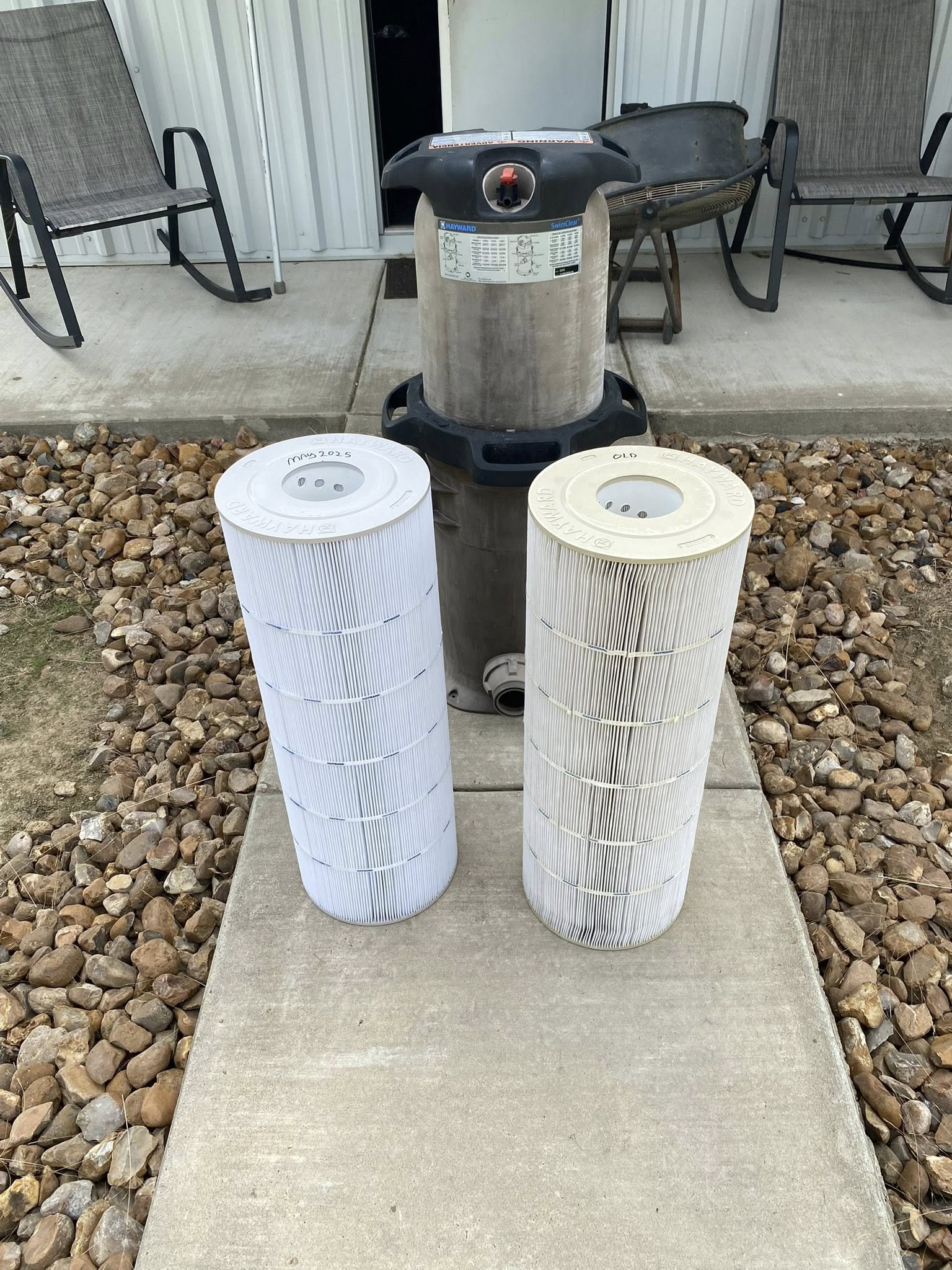
Skimmer baskets and pump baskets get emptied every visit. If they’re clogged, your pump has to work harder, which shortens its life and drives up your electric bill. The filter itself gets checked and cleaned or backwashed on a schedule depending on the type — sand, cartridge, or DE.
Equipment Inspection
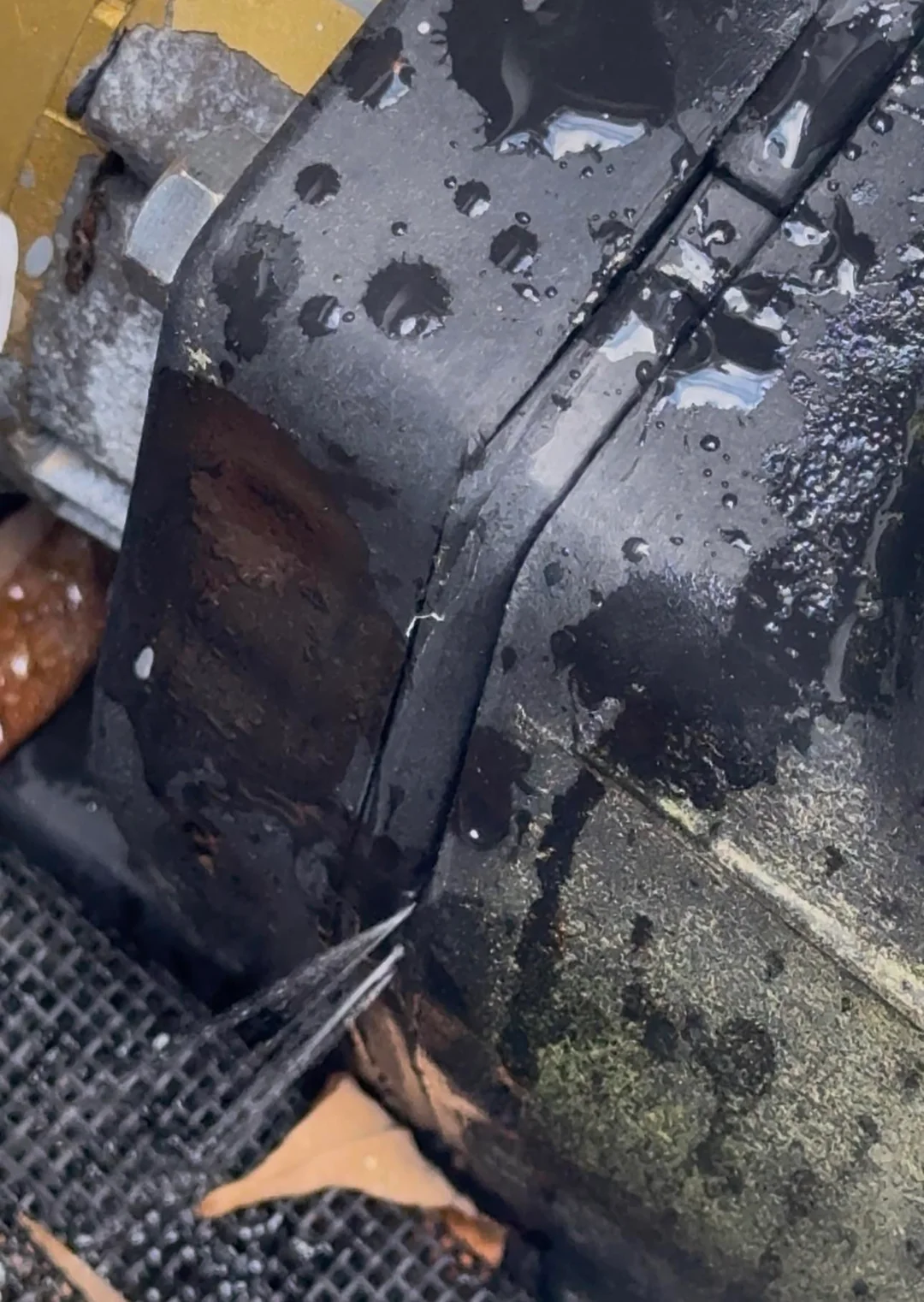
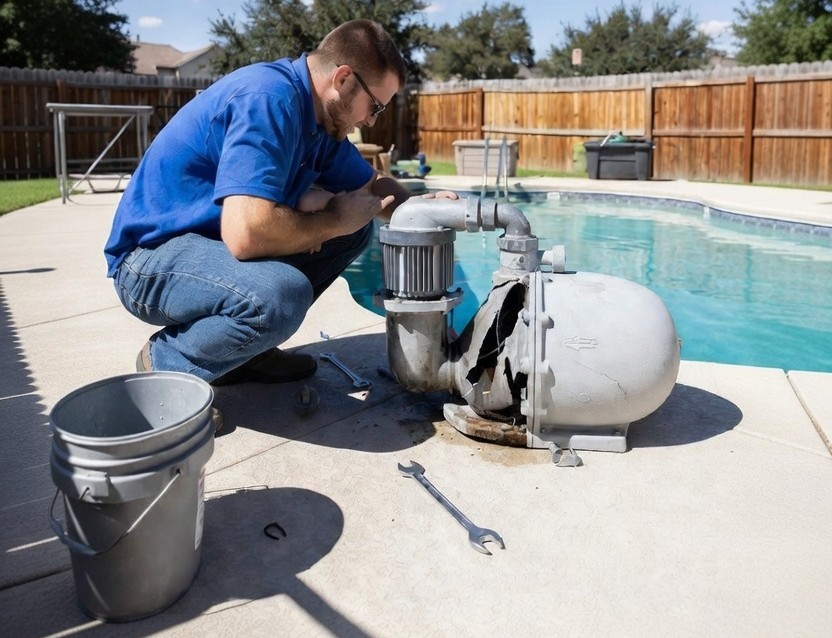
A good technician doesn’t just clean and leave. They’ll visually inspect your pump, filter, heater, and any automation equipment for signs of wear, leaks, or unusual behavior. Catching a small issue during a routine visit can save you hundreds compared to finding out after something fails completely.
Weekly vs. Bi-Weekly vs. Monthly Service — What’s Right for You?



Here’s the honest breakdown. Weekly service runs roughly $120 to $200 per month in the DFW area and it’s the safest bet for keeping your pool in shape year-round. Bi-weekly comes in around $80 to $150 monthly and can work during cooler months when the pool isn’t getting heavy use, but it’s a risky choice in summer. Monthly service is the cheapest option at maybe $70 to $120, but in Texas heat it’s really not enough — a lot can go wrong in 30 days and you’ll likely end up paying more for reactive cleanups than you saved on the service itself.
How Much Does Weekly Pool Service Cost in North Texas?
For a standard in-ground pool in the DFW area, expect to pay somewhere between $120 and $300 per month for weekly service depending on pool size, equipment complexity, and whether chemicals are included or billed separately. Saltwater pools tend to run a bit lower on monthly chemical costs since the salt cell generates its own chlorine, but you’ll pay more upfront for the equipment. Above-ground pools are generally the cheapest to maintain — often 30 to 50 percent less than in-ground because they’re smaller and simpler. Some local companies, like one in the DFW area, advertise weekly visits starting around $40 per visit plus a separate monthly chemical fee. Always ask for a full breakdown so you can compare apples to apples.
Seasonal Considerations for Weekly Pool Service in DFW
Seasonal Considerations for Weekly Pool Service in DFW
This is when your pool works the hardest and needs the most attention. UV rays chew through chlorine, kids and guests are in the water constantly, and algae thrives in the heat. Weekly service during summer isn’t optional — it’s essential. Your tech will likely increase chemical doses and may recommend a shock treatment after heavy-use weekends.
Fall — Leaf and Debris Management
Once the trees start dropping leaves, your skimmer baskets fill up fast. Leaves that sink to the bottom and decompose throw off your water chemistry and stain surfaces. Weekly visits keep on top of the debris before it becomes a bigger cleanup job.
Winter — Freeze Protection and Equipment Winterization
DFW winters are unpredictable. Some weeks it’s 60 degrees, the next there’s a hard freeze warning. A weekly service tech monitors conditions and makes sure your equipment is protected — running the pump during freezing temps, checking freeze guards, and inspecting for any damage after cold snaps. This alone can save you thousands in cracked pipes and busted pumps.
Spring — Pool Opening and Shock Treatments
Spring in North Texas means pollen. Mountains of it. Your pool will collect a visible yellow layer on the surface, and it messes with your chemistry. This is when a good weekly service really earns its keep — regular skimming, extra filtration, and a spring shock treatment to get your water ready for swim season.
People Also Ask
Is weekly pool service worth it?
In North Texas? Absolutely. The climate here is just too harsh on pools to go longer without professional attention. Between the heat, pollen, hard water, and freeze risk, weekly service pays for itself by preventing the kind of expensive problems that pop up when maintenance gets neglected. Most pool pros in Texas agree that weekly is the minimum recommended frequency.

What chemicals does a weekly pool service use?
A typical visit involves chlorine or bromine for sanitizing, pH adjusters (muriatic acid or soda ash), alkalinity increasers, and occasionally cyanuric acid to stabilize chlorine against UV breakdown. Your tech might also use algaecide as a preventive measure, especially during peak summer. If your pool needs a deeper reset, they’ll do a shock treatment with a concentrated chlorine dose.
What chemicals does a weekly pool service use?
A typical visit involves chlorine or bromine for sanitizing, pH adjusters (muriatic acid or soda ash), alkalinity increasers, and occasionally cyanuric acid to stabilize chlorine against UV breakdown. Your tech might also use algaecide as a preventive measure, especially during peak summer. If your pool needs a deeper reset, they’ll do a shock treatment with a concentrated chlorine dose.
Can I switch from monthly to weekly service mid-season?
Of course. Most pool companies, PoolBurg included, are happy to upgrade your service plan anytime. If you started the year with monthly visits and you’re realizing it’s not cutting it — maybe the water’s getting cloudy between visits or you’re fighting algae — just reach out and switch. There might be an initial cleanup fee if the pool needs extra attention to get back on track, but after that you’ll roll right into your new weekly schedule.
Most pool pumps last between 8 and 12 years with proper maintenance. That said, the Texas climate puts extra stress on equipment. Extreme summer heat, UV exposure on plastic components, and freeze cycles in winter all shorten a pump’s lifespan compared to milder regions. Regular maintenance and keeping your pump area clean can push you closer to that 12-year mark.
At 10 years, it depends on what’s wrong. A minor fix like a seal or capacitor? Go ahead and repair it. But if the motor has failed, you’re probably better off replacing the entire pump with a new variable-speed model. The energy savings alone can pay for the upgrade within a couple of years, and you’ll get a fresh warranty on top of it.

PoolBurg’s Weekly Pool Service — From Frisco to Garland and Everywhere Between
We keep it simple. PoolBurg’s weekly service covers everything listed above — skimming, brushing, vacuuming, chemical balancing, basket and filter checks, and a full equipment inspection every single visit. No shortcuts. We serve 17 cities across North Texas including Frisco, Plano, McKinney, Allen, Prosper, The Colony, Little Elm, Celina, Garland, and more. Our pricing is transparent, our technicians know DFW water like the back of their hand, and we’ll always tell you the truth about what your pool needs.
Ready to stop stressing about your pool?
Get a custom weekly service quote — it takes 2 minutes.
Visit poolburg.com or call us today to schedule.