
Your pool pump is basically the heart of your entire system. When it starts acting up, you’ll usually notice pretty quickly. Here’s what to watch for:
Strange Noises (Grinding, Humming, Screeching)
A healthy pump hums quietly in the background. If yours starts grinding, screeching, or making a loud buzzing sound, something’s off. Grinding usually points to worn bearings inside the motor. A high-pitched screech often means the bearings are completely shot. And if the motor just hums but doesn’t spin? That’s typically a bad capacitor or a seized motor.
Pool Pump Not Priming or Losing Suction
If you see air bubbles shooting into the pool from your return jets, or the pump basket isn’t filling up with water, your pump is struggling to prime. This could be an air leak on the suction side, a cracked lid, a worn o-ring, or a clogged impeller. Either way, it means water isn’t circulating properly — and that’s a problem you don’t want to sit on.
Visible Leaks Around the Pump Housing
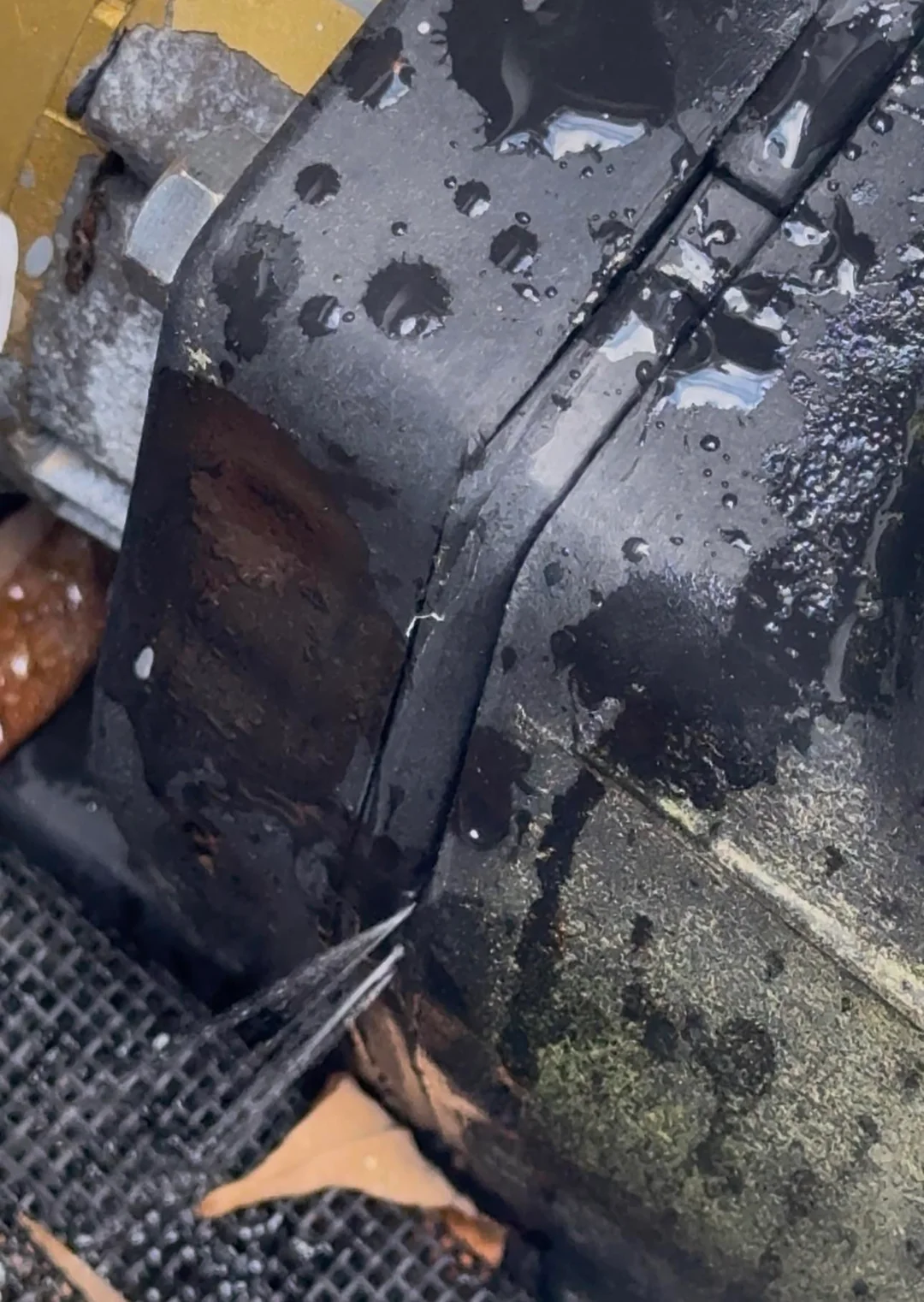
Water pooling around the base of your pump is never a good sign. It usually means a shaft seal has failed or there’s a crack in the housing itself. In North Texas, freeze damage is a common culprit — water expands inside the housing during a hard freeze and cracks the plastic. If you spot a leak, get it looked at before the motor takes water damage too.
Tripping the Circuit Breaker
When your pump keeps kicking the breaker, that’s an electrical issue you shouldn’t ignore. It could be a failing motor drawing too much current, damaged wiring, or moisture getting into the motor housing. This one’s a safety concern, so don’t try to keep resetting the breaker and hoping for the best.
Common Pool Pump Problems in North Texas

Tripping the Circuit Breaker
This is huge in our area. Every winter, DFW gets at least a few hard freezes, and pool pumps take the worst of it. When water trapped inside the pump housing freezes, it expands and cracks the volute, damages seals, and can even split PVC plumbing connections. We see a massive spike in pump repair calls every January and February. If your pool wasn’t properly winterized before a freeze, your pump should be the first thing you inspect.
Motor Burnout From Texas Summer Heat
On the flip side, summer isn’t exactly gentle on your equipment either. When ambient temps push past 100 degrees and your pump motor is running 8 to 12 hours a day with limited airflow, overheating becomes a real risk. That’s how motors burn out. Keeping the area around your pump clear of debris and making sure your motor has adequate ventilation goes a long way.
Clogged Impellers From Debris
North Texas gets plenty of wind, pollen, and construction dust — especially in fast-growing areas like Prosper, Celina, and Little Elm. All that debris works its way into your skimmer, past the basket, and eventually jams the impeller. A clogged impeller reduces water flow, makes the motor work harder, and shortens the life of the whole pump if it’s not cleaned out.
Pool Pump Repair vs. Replacement — How to Know
Not every pump issue requires a full replacement. If your pump is under 7 or 8 years old and the problem is something like a bad seal, a capacitor, or a clogged impeller, a repair makes total sense. But once you’re past that 8 to 10 year mark and you’re looking at a motor swap that costs nearly as much as a new variable-speed unit, replacement starts to be the smarter move. Variable-speed pumps are quieter, more energy-efficient, and can save you a noticeable amount on your electric bill each month. Plus, federal regulations now require new replacement pump motors to meet higher efficiency standards, so upgrading isn’t just smart — in many cases, it’s required.

How Much Does Pool Pump Repair Cost in the DFW Area?
Here’s a ballpark so you know what to expect. Seal replacements typically run $150 to $300. Capacitor replacements are on the lower end, usually $100 to $200. A motor swap — where you keep the existing pump housing but replace the motor — ranges from $400 to $800 depending on horsepower and type. Full pump replacements with installation land somewhere between $600 and $1,200 for single-speed units, or $800 to $2,000 or more for a variable-speed upgrade. These are DFW-area averages, and the final number depends on your specific pump, accessibility, and whether any plumbing modifications are needed.
Emergency Pool Pump Repair in Frisco, McKinney, Prosper & Surrounding Cities
When your pump goes down, the clock starts ticking. Without circulation, your pool water becomes stagnant. Chemicals stop distributing evenly. Algae starts growing within 24 to 48 hours in the Texas heat. And the longer you wait, the more expensive the recovery becomes — we’re talking a potential green pool cleanup on top of the pump repair. That’s why fast response matters. Getting a technician out quickly to diagnose and fix the issue can save you hundreds in additional costs down the line.
People Also Ask
Can I repair my pool pump myself?
Some basic stuff — like cleaning out the impeller or replacing an o-ring — a handy homeowner can handle. But anything involving the motor, wiring, or capacitor should be left to a licensed professional. Pool pumps run on high-voltage electricity, and working on them without the right training is a genuine safety risk. In Texas, technicians who work on pool equipment powered by high-voltage electricity are required to be licensed by the Texas Department of Licensing and Regulation.
How long do pool pumps last in Texas?
Most pool pumps last between 8 and 12 years with proper maintenance. That said, the Texas climate puts extra stress on equipment. Extreme summer heat, UV exposure on plastic components, and freeze cycles in winter all shorten a pump’s lifespan compared to milder regions. Regular maintenance and keeping your pump area clean can push you closer to that 12-year mark.
Should I repair or replace a 10-year-old pool pump?
At 10 years, it depends on what’s wrong. A minor fix like a seal or capacitor? Go ahead and repair it. But if the motor has failed, you’re probably better off replacing the entire pump with a new variable-speed model. The energy savings alone can pay for the upgrade within a couple of years, and you’ll get a fresh warranty on top of it.
PoolBurg’s Expert Pool Pump Repair Services
At PoolBurg, we don’t guess — we diagnose. Our technicians show up with the tools and knowledge to figure out exactly what’s wrong with your pump, explain your options clearly, and get it fixed right. We serve Frisco, Plano, McKinney, Allen, Prosper, Celina, Little Elm, The Colony, and more across the DFW metroplex. We offer same-day diagnostics when available, honest repair-versus-replace assessments so you’re never oversold, and transparent pricing before any work begins.
Pool pump acting up? Don’t wait until it’s a bigger problem.
Call PoolBurg for fast pump repair — free diagnostic with service.
Visit poolburg.com or call us today to schedule.