
Emergency pool pump repair isn’t something you plan for. One morning your pump is humming along fine, and by afternoon it’s dead silent, leaking, or making a noise that sounds expensive. When that happens in North Texas — where summer heat can turn a pool green in 48 hours — you don’t have time to wait a week for a technician. You need someone today. That’s what PoolBurg delivers across the entire DFW metroplex.
When Does a Pool Pump Problem Become an Emergency?
Not every pump issue requires an emergency call. But several situations absolutely do:
Complete Pump Failure
No hum, no vibration, nothing. The pump won’t turn on at all. Without circulation, your water starts deteriorating immediately. This is the most common trigger for emergency pool pump repair calls.
Pump Seized After a Freeze
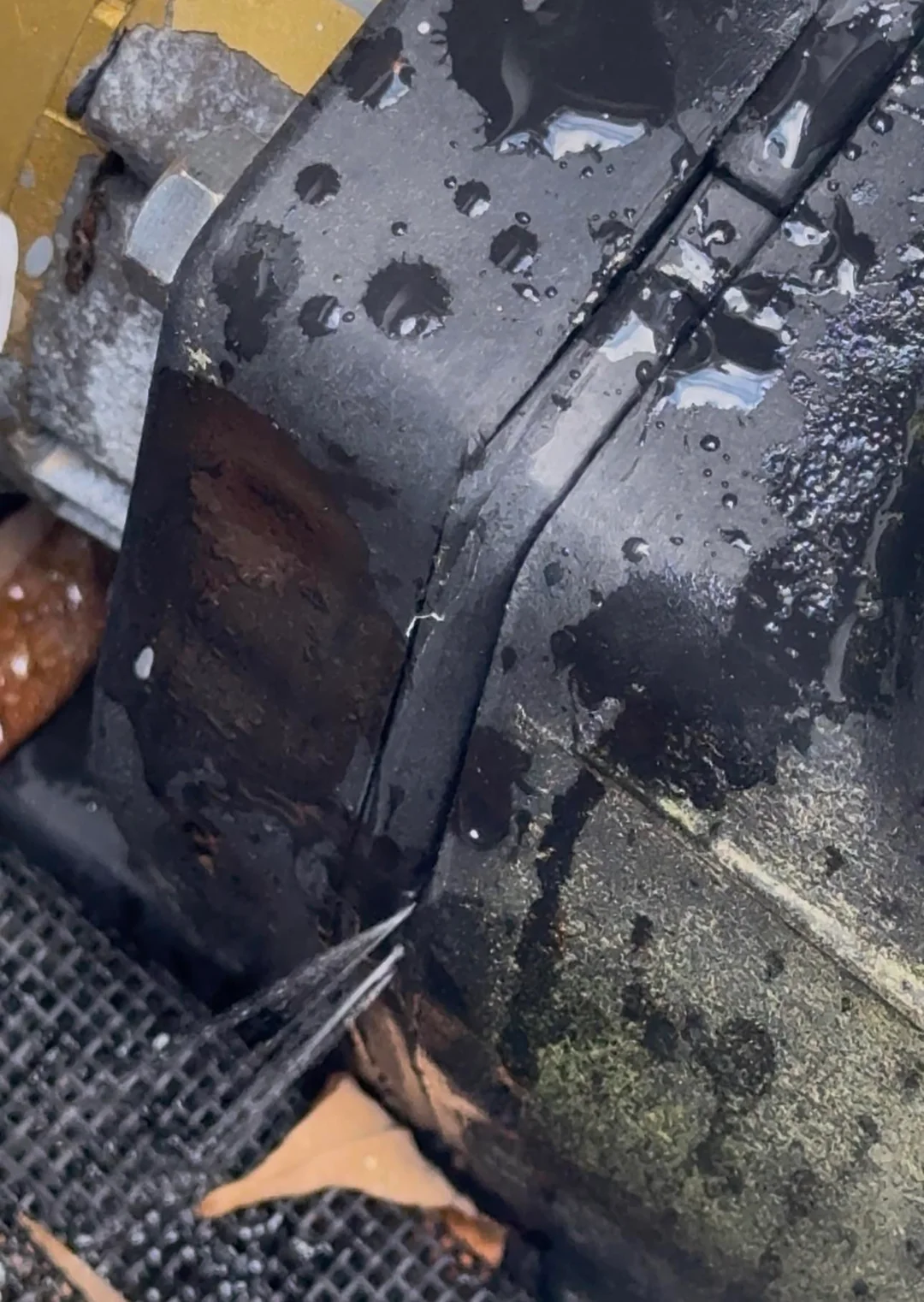
Huge for DFW. Water trapped inside the housing freezes, expands, and cracks the volute or seizes the motor shaft. After every hard freeze in January and February, our emergency pool pump repair calls spike dramatically.
Electrical Sparking or Burning Smell
If you see sparks or smell burning from your pump motor, shut it off immediately. This is a safety hazard — a failing capacitor, shorted winding, or damaged wiring that could start a fire or trip your home’s electrical panel.
Major Water Leak From the Pump Housing
A small drip from the shaft seal is maintenance. A steady stream pouring from the housing or lid is an emergency. You’re losing water, losing prime, and the pump is running dry — which burns out the seal and motor fast.
Pump Running But Not Moving Water
If the motor sounds normal but water isn’t flowing, the impeller is likely cracked or jammed. No flow means no circulation, no filtration, and no chemical distribution. It’s effectively the same as a dead pump.
What Happens When Your Pool Pump Stops Working?

24 Hours — Chemical Levels Start Drifting
Without the pump circulating water through your chlorinator or distributing chemicals evenly, sanitizer levels begin dropping. pH starts shifting. It’s invisible at this stage, but the chemistry is already off.
48 Hours — Cloudy Water and Bacteria Growth
The water turns hazy. Dead spots form where bacteria multiply unchecked. In DFW summer heat, this happens even faster — warm, stagnant water is a breeding ground. What started as a pump problem is now a water quality problem.
72+ Hours — Green Pool and Health Hazard
Three days without circulation in Texas heat and your pool is green. Algae has taken over. Mosquitoes are breeding in standing water. Recovery from this point costs $300 to $500 just for the chemical treatment — on top of whatever the pump repair costs. That’s why emergency pool pump repair isn’t a convenience. It’s damage control.
Common Causes of Emergency Pool Pump Failure in North Texas
Freeze Damage
Cracked pump housings, frozen motor shafts, and burst seals. This is the number one cause of emergency pool pump repair in DFW during winter. Pools that weren’t properly winterized take the hardest hits.
Power Surges During Texas Storms
Lightning strikes and unstable power during spring and summer storms fry capacitors, control boards, and motor windings. If your pump won’t start after a storm, a surge likely killed a component.
Motor Burnout From Extreme Summer Heat
Pumps run harder and hotter when ambient temperatures climb past 100 degrees. Poor ventilation around the equipment pad, clogged vents, or running the pump during peak heat without breaks accelerates motor failure.
Debris Clogging and Impeller Damage After Storms
Leaves, twigs, pebbles, and even small toys get sucked into the pump after storms. A clogged impeller strains the motor. A cracked impeller kills water flow entirely.
Age-Related Failure
Most pool pumps last 8 to 12 years. When a pump reaches end of life, it often fails suddenly — not gradually. One day it’s running, the next day it’s not. If your pump is past the 8-year mark, emergency pool pump repair should be on your radar.
Emergency Pool Pump Repair vs. Replacement — Making the Right Call Fast
Not every failed pump needs full replacement. Here’s a quick decision framework: if the pump is under 8 years old and the repair is under $400, fix it. If the pump is over 8 years old and the repair exceeds 50 percent of replacement cost, replace it. If parts for your specific model are discontinued, replace it. If you’re replacing, consider upgrading to a variable-speed pump — federal regulations now require them for new installations, and they cut energy costs by 50 to 80 percent over single-speed models.
PoolBurg services all major brands including Pentair, Hayward, Jandy, and Sta-Rite. We stock common parts and carry replacement pumps on our trucks so we can often complete emergency pool pump repair or replacement in a single visit.
How Much Does Emergency Pool Pump Repair Cost in DFW?
Emergency and after-hours service fees typically add $50 to $150 on top of standard repair costs. Here’s what the repairs themselves run: seal replacement $150 to $300, capacitor replacement $100 to $200, bearing replacement $200 to $400, motor swap $400 to $800, impeller replacement $100 to $250. Full pump replacement installed runs $600 to $1,200 for single-speed and $800 to $2,000 for variable-speed. Labor rates in DFW average $75 to $150 per hour for licensed pool equipment technicians.
PoolBurg’s Emergency Pool Pump Repair Process
Step 1 — Call Us and Describe the Problem
Tell us what’s happening — no water flow, weird noise, visible leak, won’t turn on. We’ll ask a few questions to narrow down the issue and prioritize your call.
Step 2 — Same-Day Diagnostic Visit
We send a licensed technician to your home the same day across all 17 cities we serve. They inspect the pump, motor, electrical connections, and plumbing to pinpoint the exact failure.
Step 3 — Honest Assessment and Upfront Pricing
Before we touch anything, you get a clear explanation of what’s wrong and exactly what it’ll cost to fix. No surprises. If replacement makes more sense than repair, we’ll tell you that too.
Step 4 — Repair on the Spot or Schedule Replacement
Most common repairs — seals, capacitors, impellers — are completed during the first visit. If the pump needs full replacement with a model we don’t have on the truck, we schedule installation within 24 to 48 hours and walk you through interim steps to protect your pool water in the meantime.
People Also Ask About Emergency Pool Pump Repair
Can I run my pool without a pump temporarily?
Technically, yes — but not safely for more than a day or two. Without circulation, chemicals stop distributing, filtration stops, and bacteria multiply. If your pump is down, manually add chlorine and brush the walls daily to buy time until the emergency pool pump repair is complete.
How long does an emergency pump repair take?
Most common repairs take 30 minutes to two hours on site. Motor swaps and full replacements may take two to four hours. PoolBurg completes the majority of emergency pool pump repair calls in a single visit.
Should I turn off my pool pump if it’s making a weird noise?
Yes. Grinding, screeching, or loud humming usually indicates a failing bearing, seized motor, or jammed impeller. Running it in that state causes more damage and can turn a $200 repair into a $1,000 replacement. Shut it off and call for service.
What should I do if my pool pump freezes in winter?
Do not try to force the pump on. Let it thaw naturally or use a hair dryer on low heat around the housing. Inspect for visible cracks. If water is leaking from the housing or the motor won’t spin freely after thawing, you need emergency pool pump repair before running it again.
How do I prevent pool pump emergencies?
Weekly professional pool service catches early warning signs — unusual sounds, pressure changes, small leaks — before they become emergencies. Winterize your equipment before every freeze. Keep the pump area clear of debris for proper ventilation. And if your pump is over 8 years old, start budgeting for replacement before it fails on the hottest day of summer.
Don’t Wait — Every Hour Without Circulation Costs You Money
Here’s the math that matters: a typical emergency pool pump repair costs $150 to $800. A full green pool recovery after three days without circulation costs $300 to $500 on top of whatever the pump fix costs. Add in potential equipment damage from running a failing pump too long, and you’re looking at $1,000 to $2,000 in avoidable expenses. The sooner you call, the less it costs. Every time.
Get a free pool service quote today.
We’ll have your pool crystal clear within one visit — guaranteed.
Visit poolburg.com or call us today.