
Inground pool maintenance is the thing that separates a pool that looks and functions great for 20 years from one that needs a $10,000 resurfacing job in 8. North Texas makes it harder than most places because our hard water, extreme heat, and unpredictable freezes push every component harder and faster than national averages suggest. The good news is that consistent inground pool maintenance isn’t complicated or unreasonably expensive — it just has to be done right and done regularly. Here’s what that looks like for every surface type and budget in DFW.
Inground Pool Maintenance Basics for North Texas
Every inground pool in DFW needs weekly chemical testing and balancing, consistent brushing and vacuuming, filter maintenance, equipment inspection, and seasonal adjustments for our extreme weather swings. Most homeowners handle the first couple of items and skip the rest.
That’s where problems start. North Texas pools need more care than pools in milder climates for three reasons: NTMWD water runs 150 to 300-plus ppm calcium which scales everything, summer temperatures push water into the 90s where algae explodes and chlorine evaporates, and winter freezes can destroy unprotected equipment in a single night. Inground pool maintenance here isn’t optional — it’s protective.
Inground Pool Maintenance by Surface Type
Gunite and Plaster Pools
Gunite is by far the most common inground pool surface in DFW. The porous texture looks beautiful but gives algae a foothold that smooth surfaces don’t. Weekly brushing is essential — not optional — because algae roots embed into the plaster and won’t respond to chemicals alone. Acid washing every 3 to 5 years removes staining and calcium buildup.
Replastering is needed every 10 to 15 years depending on water chemistry and maintenance quality. Warning signs include rough texture, visible staining that won’t brush off, plaster delamination, and aggregate exposure. Inground pool maintenance for gunite demands more hands-on physical cleaning than any other surface.
Fiberglass Pools
Fiberglass is growing rapidly in Frisco, Prosper, and Southlake because the smooth gel coat resists algae and requires less brushing. But fiberglass is not no-maintenance. The gel coat can develop osmotic blisters if water chemistry drifts — especially if pH and calcium stay out of range for extended periods. Fading and chalking happen over time from UV exposure.
Keep pH between 7.2 and 7.6, calcium hardness between 200 and 400 ppm, and avoid using calcium hypochlorite directly in the pool as it can cloud the surface. Inground pool maintenance for fiberglass is genuinely easier, but still requires weekly professional attention.
Vinyl Liner Pools
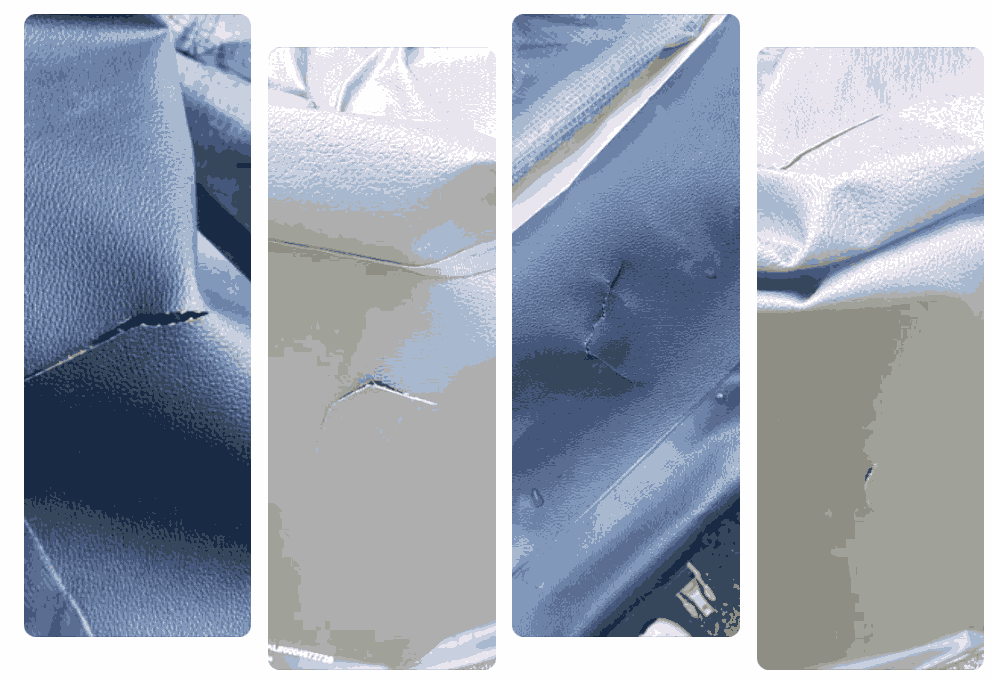
Vinyl liner pools are less common in DFW but exist in certain neighborhoods. The liner is the most vulnerable part — never shock with granular chlorine directly on the vinyl because concentrated chemicals bleach and weaken the material. Dissolve shock in a bucket first, then distribute. Check seams regularly for leaks, especially around fittings and the waterline.
Liner replacement runs every 7 to 12 years at $2,000 to $5,000 depending on pool size. Inground pool maintenance for vinyl requires a lighter chemical touch and more careful physical handling.
Inground Pool Maintenance Schedule for DFW Climate
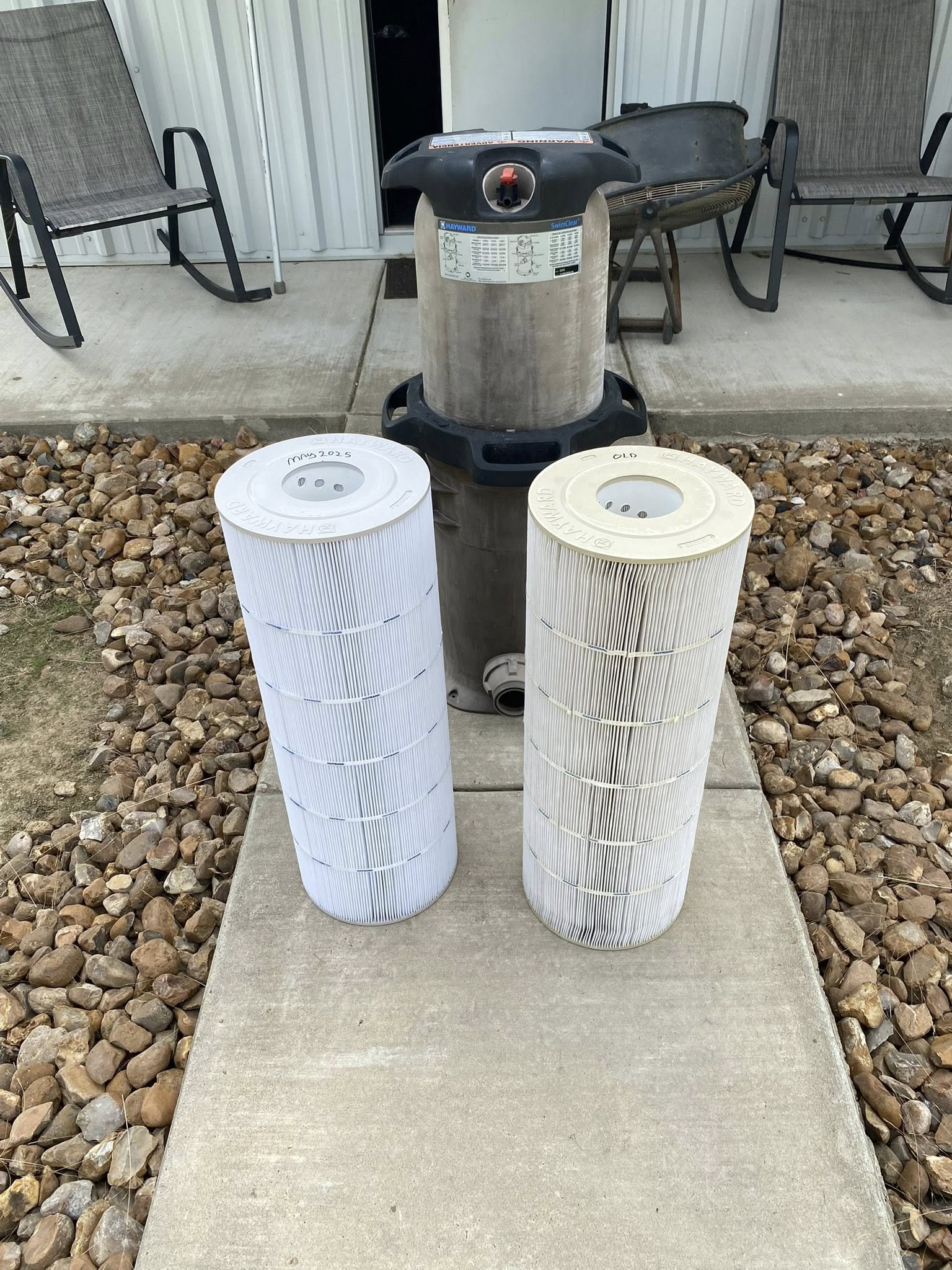
Weekly: test and balance free chlorine, pH, and alkalinity; skim, brush, and vacuum; empty baskets; check filter pressure and backwash or clean as needed. Monthly: test calcium hardness, CYA, and salt levels; inspect pump, heater, and all equipment connections; clean the waterline. Quarterly: deep clean the filter (chemical soak for cartridges, full teardown for DE); inspect plumbing connections and valves. Annually: full equipment assessment, acid wash evaluation for gunite pools, drain-and-refill consideration if TDS or calcium are too high, and winterization planning before November. DFW’s climate means summer tasks happen at the aggressive end of the frequency range and winter adds freeze protection that most of the country doesn’t need.
Inground Pool Maintenance Cost in North Texas
Monthly Service Cost: $130 to $275
This covers weekly professional visits including chemical testing, balancing, cleaning, filter checks, and equipment inspection. Gunite pools tend toward the higher end because they require more physical labor. Fiberglass pools fall mid-range.
Annual Chemical Cost: $600 to $1,200
Texas heat and UV burn through chlorine faster than northern climates. Salt water pools save on chlorine tablets but add cell replacement costs. Hard water means more acid and scale-prevention chemicals than the national average.
Major Repairs to Plan For
Resurfacing runs $5,000 to $15,000 every 10 to 15 years for gunite. Pump replacement costs $600 to $1,500. Heater replacement runs $1,500 to $4,500. Salt cell replacement costs $400 to $700 every 3 to 5 years. These are predictable expenses that good inground pool maintenance helps you plan for instead of being surprised by.
Total Annual Cost of Inground Pool Ownership: $2,500 to $5,000+
Adding up weekly service, chemicals, equipment maintenance, and amortized major repairs, total inground pool maintenance cost in DFW runs $2,500 to $5,000 per year. Higher for large gunite pools with salt systems and automation, lower for smaller fiberglass pools with basic chlorine setups.
Top 5 Inground Pool Maintenance Mistakes DFW Homeowners Make

Ignoring Calcium Hardness
DFW tap water already runs high in calcium. Without monitoring, it climbs past 400 ppm and scales every surface and piece of equipment. Keeping it between 200 and 300 ppm — and doing partial drain-and-refills when needed — prevents thousands in long-term damage.
Running the Pump Too Few Hours
In DFW summer, pools need 10 to 12 hours of daily pump run time to circulate chemicals and filter debris properly. Homeowners who cut runtime to save electricity end up spending more on chemicals and algae recovery. Follow the Department of Energy pump efficiency guidelines and invest in a variable-speed pump to run longer for less.
Skipping Brushing on Gunite Pools
Chemicals alone cannot kill algae that’s embedded in porous plaster. Brushing physically disrupts the biofilm and exposes it to sanitizer. Skipping this step is the number one reason gunite pool owners deal with recurring algae despite perfect chemistry.
Not Winterizing Equipment
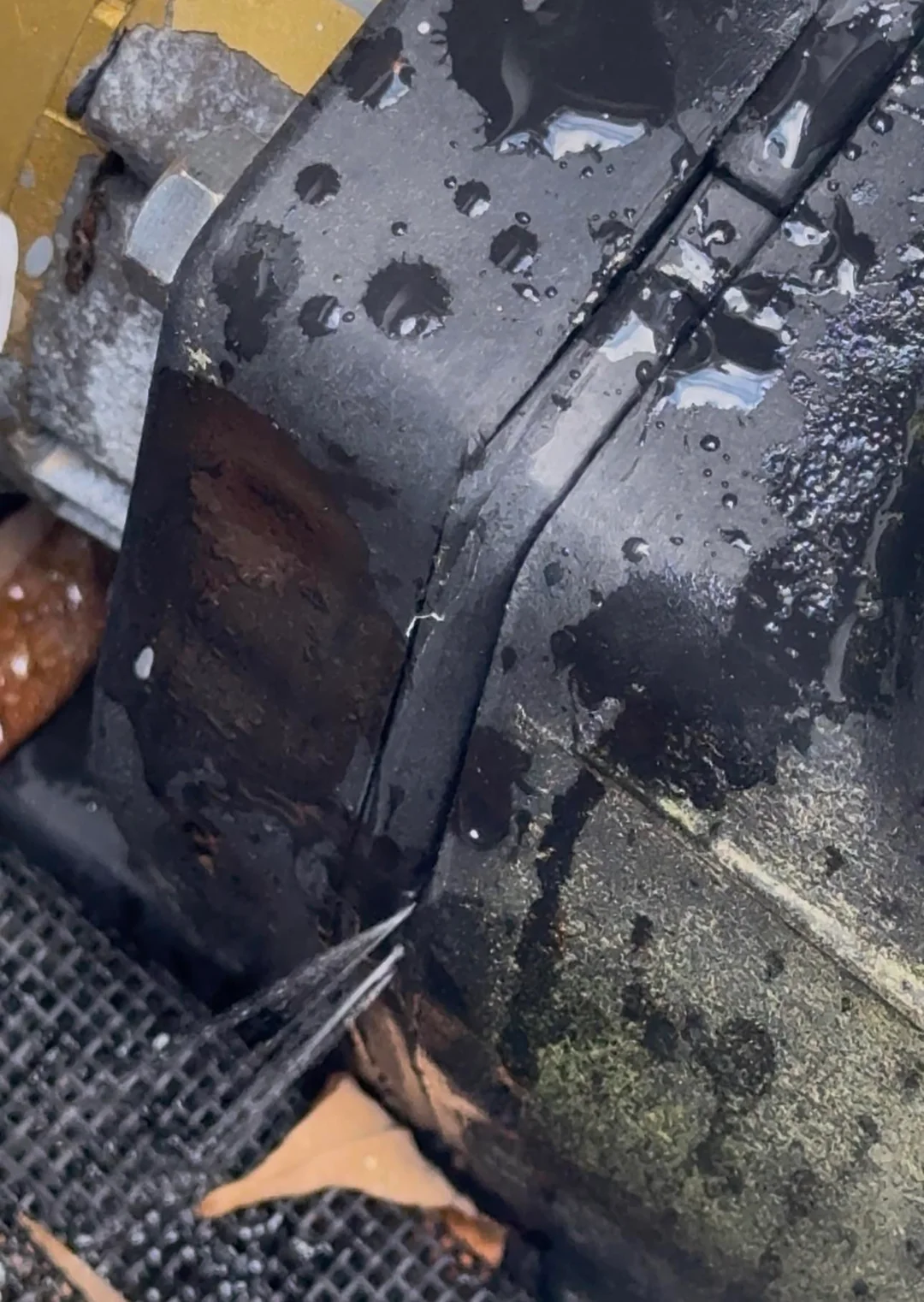
North Texas averages 20 to 30 freeze nights per year. A single unprotected night can crack a pump, split a heater header, or burst PVC plumbing. Winterization costs $150 to $300. The damage it prevents costs $500 to $3,000. The math is simple.
Using Cheap, Unstabilized Chlorine
Liquid chlorine and calcium hypochlorite don’t contain stabilizer (CYA), so they burn off within hours under Texas UV. Without maintaining CYA between 30 and 50 ppm for chlorine pools or 70 to 80 ppm for salt systems, you’re essentially pouring chemicals into the sun. Stabilized products or supplemental CYA additions are critical for effective inground pool maintenance in this climate.
People Also Ask About Inground Pool Maintenance
How much does it cost to maintain an inground pool per year in Texas?
$2,500 to $5,000 per year including weekly service, chemicals, equipment upkeep, and amortized major repairs. Monthly professional service alone runs $130 to $275. Larger gunite pools with salt systems and automation fall toward the higher end.
What type of inground pool is easiest to maintain?
Fiberglass. The smooth gel coat resists algae, requires less brushing, and doesn’t need acid washing or replastering. It still needs weekly chemical management and equipment care, but the physical labor involved in inground pool maintenance is noticeably less than gunite.
How many hours should I run my pool pump in Texas summer?
10 to 12 hours per day during peak summer. The water needs to turn over at least once per day, and higher temperatures mean faster chemical consumption that requires better distribution. Variable-speed pumps let you run longer at lower speeds for less energy cost.
Is a fiberglass pool really lower maintenance than gunite?
Yes, but it’s a matter of degree, not a pass to skip maintenance. Fiberglass requires less brushing, no acid washing, and no replastering. But it still needs the same chemical management, filter maintenance, and equipment care. The savings are in labor and surface upkeep, not in overall inground pool maintenance responsibility.
What’s the biggest maintenance expense for an inground pool?
Resurfacing for gunite pools at $5,000 to $15,000 every 10 to 15 years. For all pool types, equipment replacement is the next largest expense — pumps, heaters, and salt cells are the big three. Consistent inground pool maintenance extends the life of every component and delays those major costs.
PoolBurg’s Inground Pool Maintenance Covers All Surface Types and All Equipment
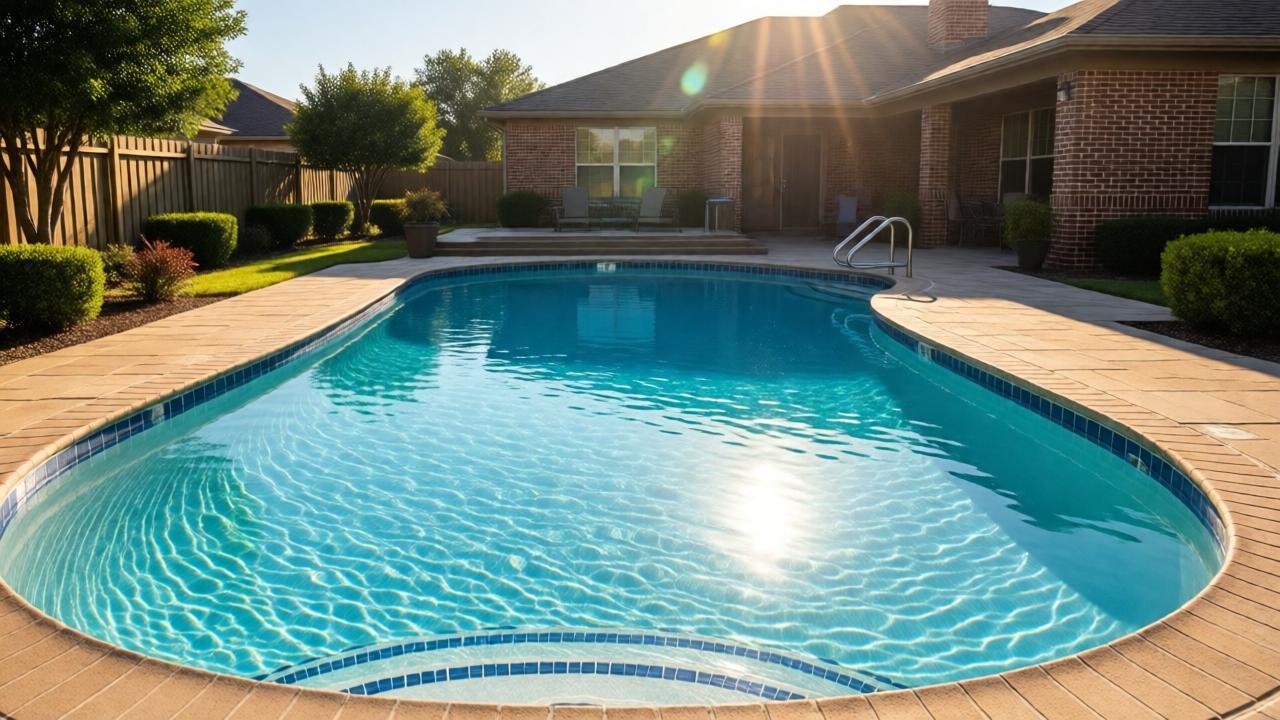
PoolBurg provides inground pool maintenance for gunite, fiberglass, and vinyl liner pools across all 17 North Texas cities we serve. Every plan is customized to your surface type, equipment setup, and water chemistry. Dedicated technicians, weekly service reports, equipment repair in-house, and seasonal adjustments built into every plan. We know what DFW water does to each surface type and we maintain accordingly — not from a generic national checklist, but from years of hands-on experience in this market.
Get an inground pool maintenance plan customized to your pool’s surface and equipment.
Tell us your pool type, size, and equipment — we’ll build a plan that fits your home and your budget.
Visit poolburg.com or call us today.