Pool filter replacement is one of the most important upgrades a pool owner can make when water clarity starts slipping or equipment struggles to keep up. A properly sized and efficient filter keeps debris, dust, algae spores, and microscopic particles out of your pool. Without a good filtration system, even perfectly balanced chemicals won’t keep water clear.
According to the Pool & Hot Tub Alliance filtration standards, filtration removes the majority of contaminants before chemicals even begin working. That’s why understanding pool filter replacement and choosing the right filter type can dramatically improve your pool’s performance.
Why Pool Filter Choice Matters More in Texas Than Most States
Texas pools deal with tougher conditions than many other regions. Long summers, high temperatures, and heavy sunlight increase algae growth and debris buildup, which means filtration systems work harder almost year-round.
North Texas pools also collect dust, pollen, and storm debris regularly. According to the EPA water quality guidance, filtration systems play a major role in removing physical contaminants from water before they impact water chemistry.
Hard municipal water also contributes to scale buildup inside filtration systems. Over time, this buildup can reduce efficiency and increase pressure inside the filter tank. That’s why pool filter replacement is often necessary when older systems struggle to keep water clear.
A properly selected filter improves circulation, reduces chemical demand, and lowers long-term maintenance costs.
The Three Main Pool Filter Systems Homeowners Can Choose From
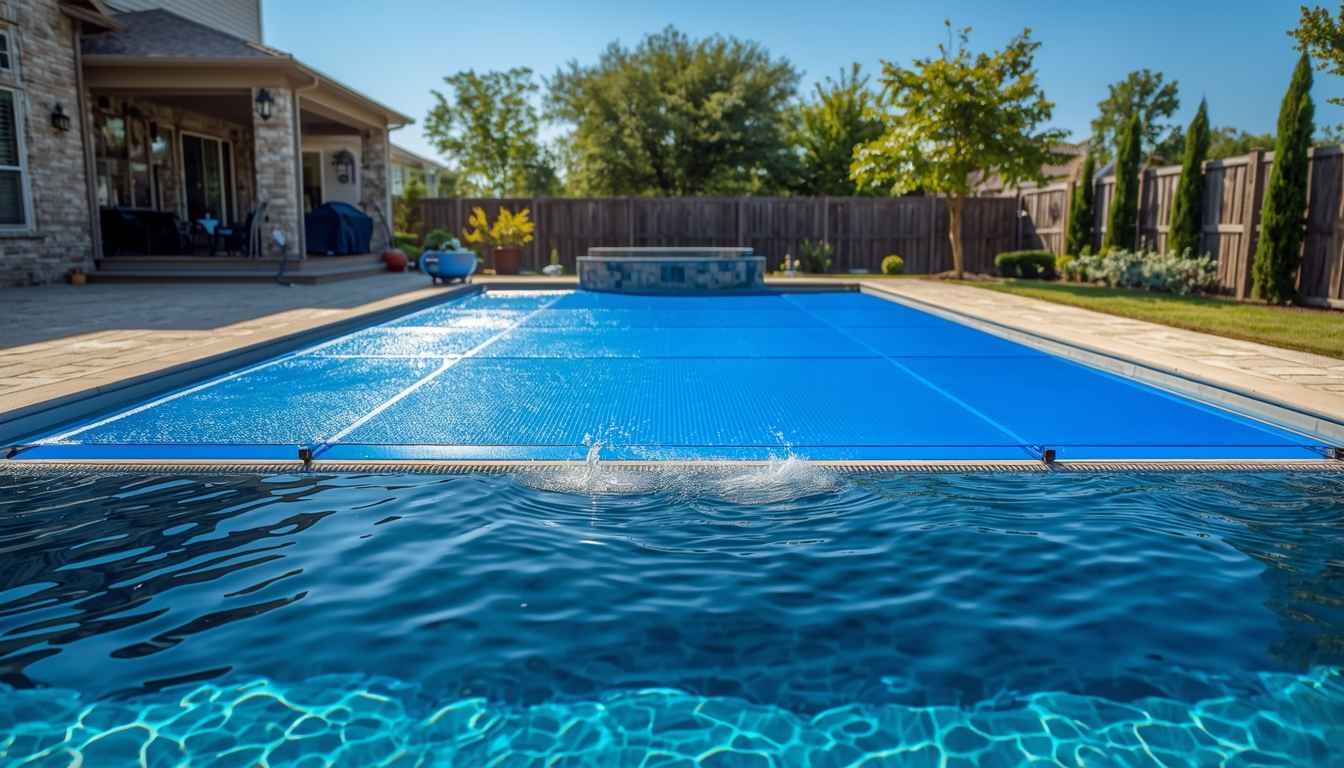
Sand filters
Sand filters are one of the most common systems used in residential pools. These filters use specially graded sand to trap debris as water passes through the tank.
Cleaning a sand filter is simple because it uses a process called backwashing to flush debris out of the system. Sand inside the filter typically needs replacement every five to seven years.
Sand filters are ideal for homeowners who want a reliable system with minimal maintenance.
Cartridge filters
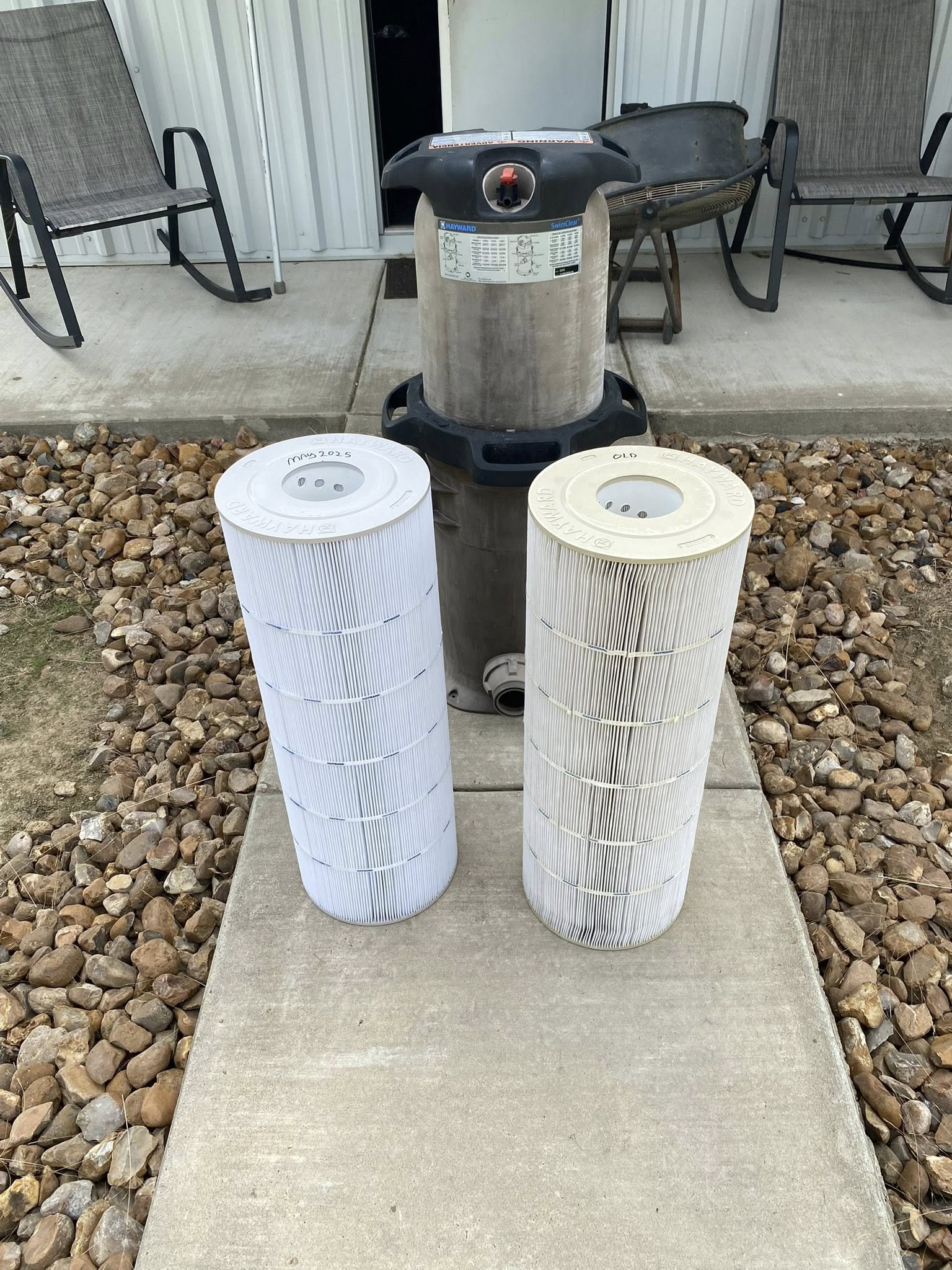
Cartridge filters use pleated fabric cartridges to trap much finer particles than sand filters.
These systems don’t require backwashing. Instead, the cartridges are removed periodically and rinsed with a hose. Most cartridges last two to three years before needing replacement.
According to the U.S. Department of Energy pool equipment efficiency guidance, cartridge systems can also reduce energy usage because they operate at lower pressure than some other filtration systems.
DE filters
DE filters use diatomaceous earth powder, which captures extremely small particles and produces very clear water.
These filters offer the highest level of residential pool filtration, but they require more maintenance and careful handling of the DE powder.
Which Pool Filter Works Best for Texas Climates
Cartridge filters are often recommended
Many professionals recommend cartridge systems for Texas pools. They handle fine dust, pollen, and storm debris well while also conserving water because they don’t require backwashing.
Sand filters remain the simplest option
Sand filters are extremely durable and easy to maintain. They perform well when debris loads increase after storms or windy weather.
DE filters provide maximum clarity
Homeowners who want exceptionally clear water often prefer DE filters because they capture extremely fine particles. According to National Swimming Pool Foundation water filtration research, DE filters can remove particles much smaller than traditional sand systems.
Signs It May Be Time for Pool Filter Replacement
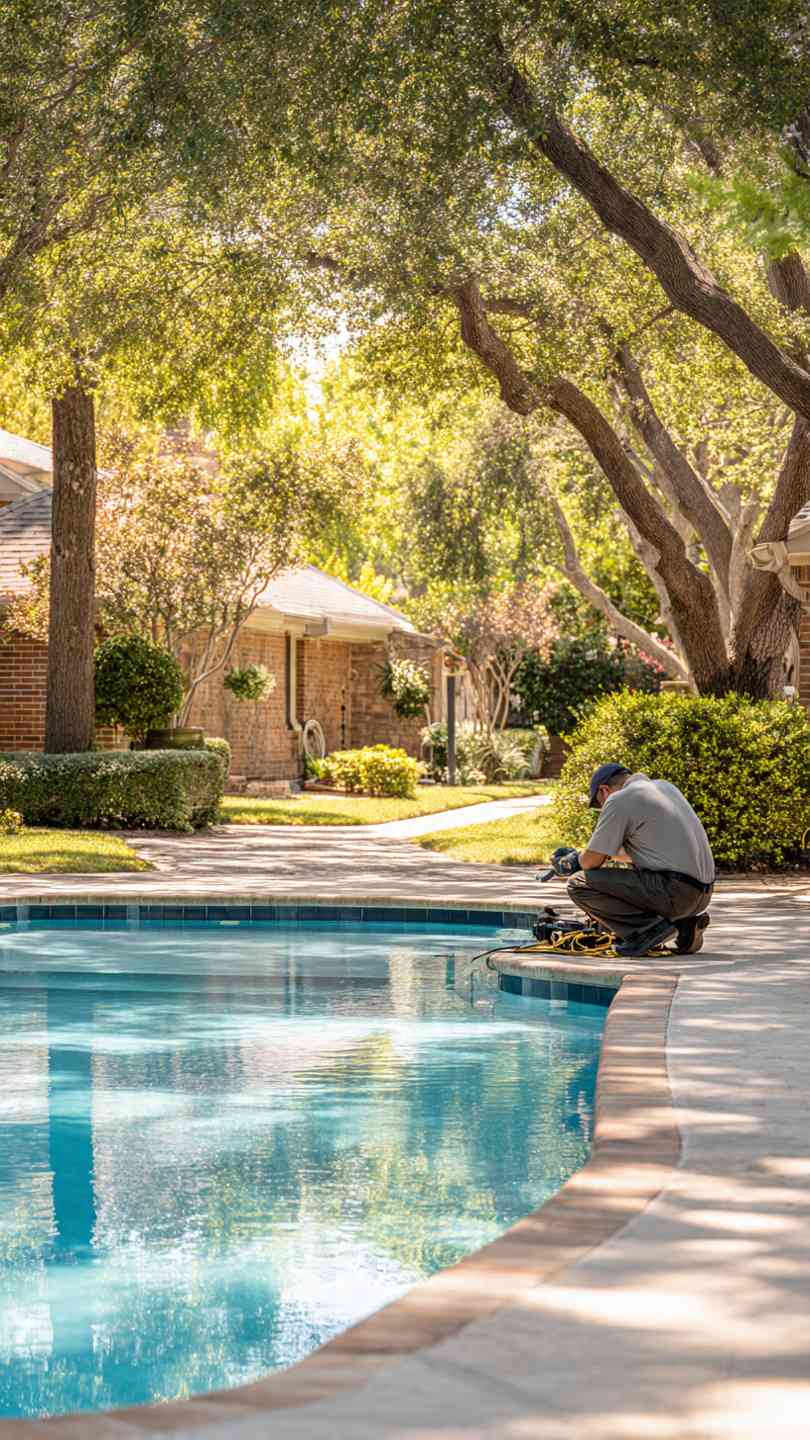

Several warning signs may indicate your system is reaching the end of its lifespan.
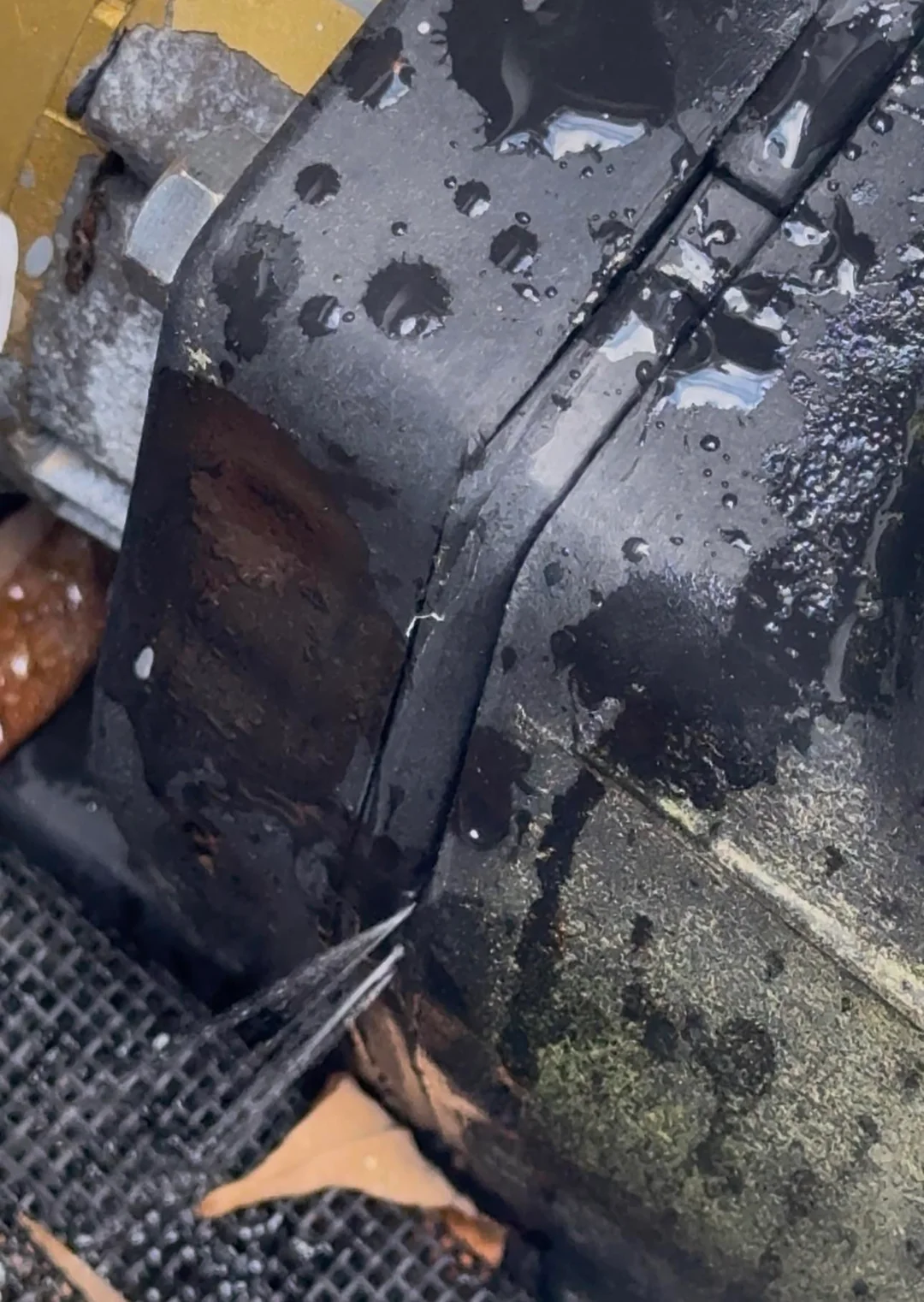
Persistent cloudy water even when chemistry is balanced is one of the most common signs. Rising pressure readings, poor circulation, and leaking filter tanks can also signal problems.
Many pool filters last 10 to 15 years, depending on maintenance and environmental conditions. When upgrading to newer variable-speed pumps, a pool filter replacement may also be recommended to match the improved efficiency.
Factors to Consider When Replacing a Pool Filter
Pool size
Larger pools require higher-capacity filters to maintain proper circulation and water turnover.
Pump compatibility
The filter must match the pump’s flow rate to avoid pressure problems or reduced filtration efficiency.
Maintenance preferences
Some homeowners prefer low-maintenance sand systems, while others choose cartridge filters for better filtration performance.
Water conservation
Cartridge filters are popular in Texas because they minimize water waste compared to backwashing systems.
Common Pool Filter Replacement Mistakes
Homeowners sometimes install filters that are too small for their pools, which reduces filtration efficiency and increases maintenance.
Choosing the cheapest filter instead of the most efficient system can also lead to long-term problems. Another common mistake is replacing a pump but keeping an outdated filter that cannot handle the improved circulation.
Ignoring local environmental conditions like dust, pollen, and hard water can also affect filter performance.
People Also Ask
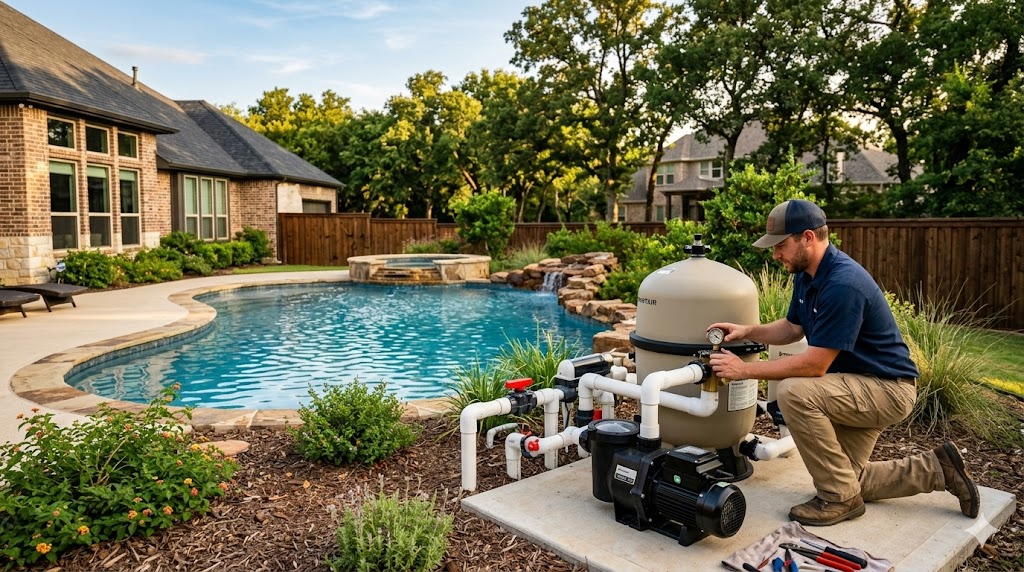
What is the best pool filter for Texas pools?
Many professionals recommend cartridge filters because they provide strong filtration while conserving water.
How often should a pool filter be replaced?
Most filter systems last between 10 and 15 years, depending on maintenance and usage.
Is a cartridge filter better than a sand filter?
Cartridge filters typically provide finer filtration, but sand filters are easier to maintain.
How long do pool filter systems last?
With proper maintenance, most systems operate effectively for over a decade.
What size pool filter do I need?
Filter size depends on pool volume and pump flow rate.
Do cartridge filters work well in Texas climates?
Yes. Cartridge systems perform well in environments with dust, pollen, and heavy debris.
PoolBurg Installs and Replaces Pool Filter Systems
Choosing the right pool filter replacement can dramatically improve water clarity and reduce maintenance headaches. PoolBurg technicians evaluate pool size, pump performance, and filtration requirements before recommending the best system. Proper installation ensures efficient circulation, longer equipment life, and consistently clear water.
If your filtration system is outdated or struggling to keep your pool clean, PoolBurg can help you choose and install the right filter system for your pool.